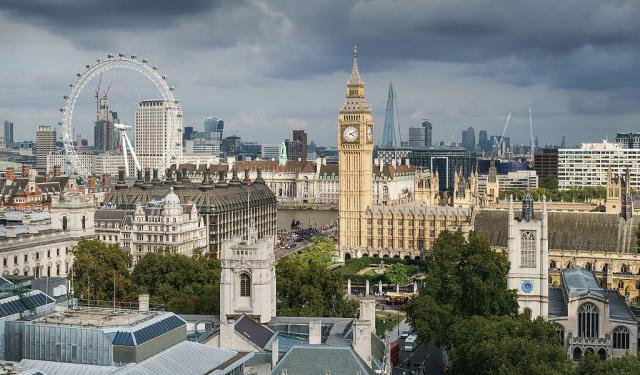


Audio Guide: London Introduction Walking Tour (Self Guided), London
London: the capital of England, heart of the UK, and international heavyweight in history, culture, and sheer charm. Its name comes straight out of Rome. Londinium was founded circa 43 AD as a trading post. Then came Queen Boudica in 61 AD, who, let’s say, didn’t care much for Roman urban planning and burnt it to the ground. But Londinium wasn’t one to stay down-it bounced back, flourished, and kept growing until the Romans packed up in the 5th century.
The Anglo-Saxons, who arrived after that, rebranded the city Lundenwic. Soon, it found itself dodging Viking raids and soaking in that Danelaw drama. By the 11th century, King Edward the Confessor decided to class things up by building Westminster Abbey. In the year 1066, William the Conqueror stormed in, got crowned on Christmas Day, and kicked off a bit of royal real estate development-including the Tower of London. His son added Westminster Hall for good measure. Family values...
In 1666 came the Great Fire of London. Out of its ashes (well, not literally but figuratively speaking) rose Sir Christopher Wren with blueprints in hand, who rebuilt the city with masterpieces like St. Paul’s Cathedral. Since then, London has perfected the art of looking both old and new at the same time. From Shakespeare’s Globe to Tower Bridge to the futuristic Gherkin, it's architectural time travel in every direction.
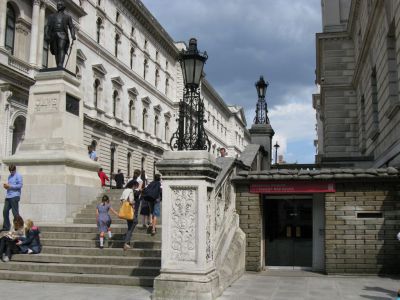
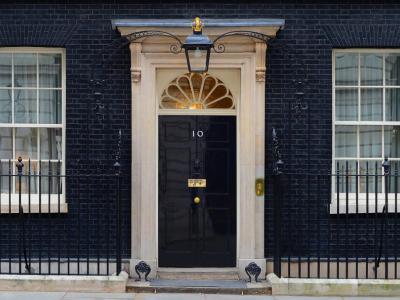
Now, speaking of landmarks, Westminster Abbey is the royal crowning glory. Next door are the Houses of Parliament and Big Ben, ticking away the nation’s business. Cross Westminster Bridge for that postcard-perfect view, or a few steps away, descend into the Churchill War Rooms-a bunker where decisions that changed the world were taken during World War II. Sneak a peek at 10 Downing Street (behind lots of security), then trot over to the Household Cavalry Museum for soldiers, horses, and shiny helmets.
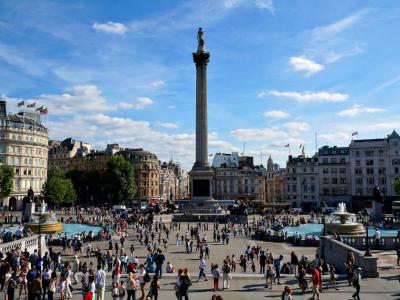
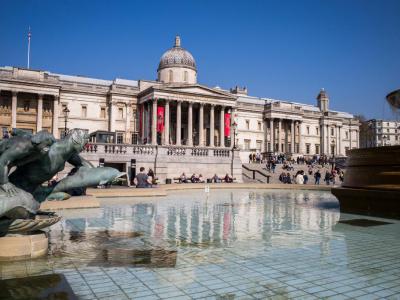
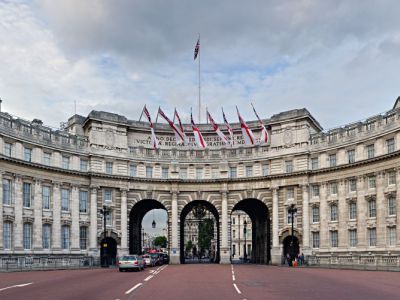
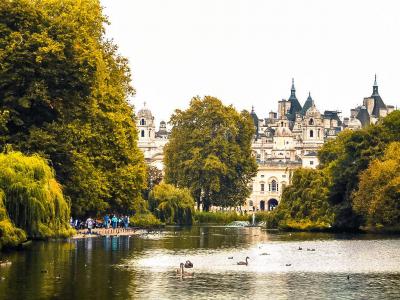
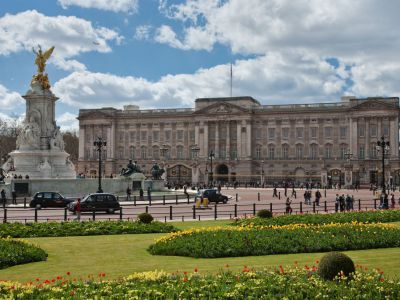
Northward lies Trafalgar Square, full of lions, fountains, and Lord Nelson observing the area. The National Gallery is right there too, featuring the likes of Van Gogh and da Vinci. Pass through Admiralty Arch, stroll The Mall like royalty, and arrive at Buckingham Palace. Don’t miss the Queen’s Gallery next door. And if you need a breather, St. James’s Park and Hyde Park are your leafy escapes.
London’s best explored on foot-every corner hides a story, every building holds a past. English writer Samuel Johnson wisely said, “When a man is tired of London, he is tired of life, for there is in London all that life can afford.” So lace up. The city’s waiting.
The Anglo-Saxons, who arrived after that, rebranded the city Lundenwic. Soon, it found itself dodging Viking raids and soaking in that Danelaw drama. By the 11th century, King Edward the Confessor decided to class things up by building Westminster Abbey. In the year 1066, William the Conqueror stormed in, got crowned on Christmas Day, and kicked off a bit of royal real estate development-including the Tower of London. His son added Westminster Hall for good measure. Family values...
In 1666 came the Great Fire of London. Out of its ashes (well, not literally but figuratively speaking) rose Sir Christopher Wren with blueprints in hand, who rebuilt the city with masterpieces like St. Paul’s Cathedral. Since then, London has perfected the art of looking both old and new at the same time. From Shakespeare’s Globe to Tower Bridge to the futuristic Gherkin, it's architectural time travel in every direction.
Now, speaking of landmarks, Westminster Abbey is the royal crowning glory. Next door are the Houses of Parliament and Big Ben, ticking away the nation’s business. Cross Westminster Bridge for that postcard-perfect view, or a few steps away, descend into the Churchill War Rooms-a bunker where decisions that changed the world were taken during World War II. Sneak a peek at 10 Downing Street (behind lots of security), then trot over to the Household Cavalry Museum for soldiers, horses, and shiny helmets.
Northward lies Trafalgar Square, full of lions, fountains, and Lord Nelson observing the area. The National Gallery is right there too, featuring the likes of Van Gogh and da Vinci. Pass through Admiralty Arch, stroll The Mall like royalty, and arrive at Buckingham Palace. Don’t miss the Queen’s Gallery next door. And if you need a breather, St. James’s Park and Hyde Park are your leafy escapes.
London’s best explored on foot-every corner hides a story, every building holds a past. English writer Samuel Johnson wisely said, “When a man is tired of London, he is tired of life, for there is in London all that life can afford.” So lace up. The city’s waiting.
How it works: Download the app "GPSmyCity: Walks in 1K+ Cities" from Apple App Store or Google Play Store to your mobile phone or tablet. The app turns your mobile device into a personal tour guide and its built-in GPS navigation functions guide you from one tour stop to next. The app works offline, so no data plan is needed when traveling abroad.
Download The GPSmyCity App



London Introduction Walking Tour Map
Guide Name: London Introduction Walking Tour
Guide Location: England » London (See other walking tours in London)
Guide Type: Self-guided Walking Tour (Sightseeing)
Tour Duration: 2 Hour(s)
Travel Distance: 4.2 Km or 2.6 Miles
Guide Location: England » London (See other walking tours in London)
Guide Type: Self-guided Walking Tour (Sightseeing)
Tour Duration: 2 Hour(s)
Travel Distance: 4.2 Km or 2.6 Miles
Sights Featured in This Walk
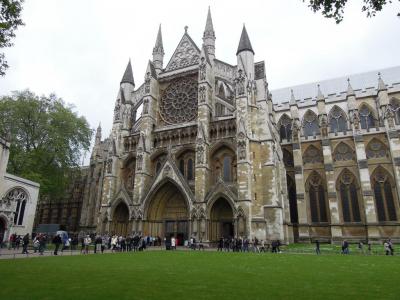
1) Westminster Abbey (must see)
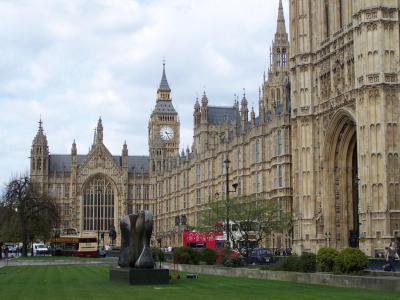
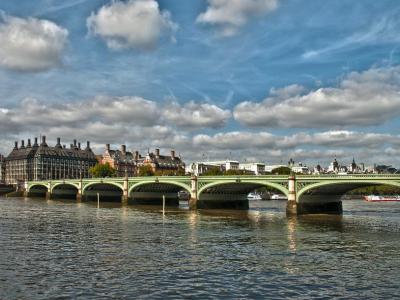
4) Churchill War Rooms (must see)

8) National Gallery (must see)
10) St. James's Park (must see)
11) Buckingham Palace (must see)

13) Hyde Park (must see)
Walking Tours in London, England

Create Your Own Walk in London
Creating your own self-guided walk in London is easy and fun. Choose the city attractions that you want to see and a walk route map will be created just for you. You can even set your hotel as the start point of the walk.
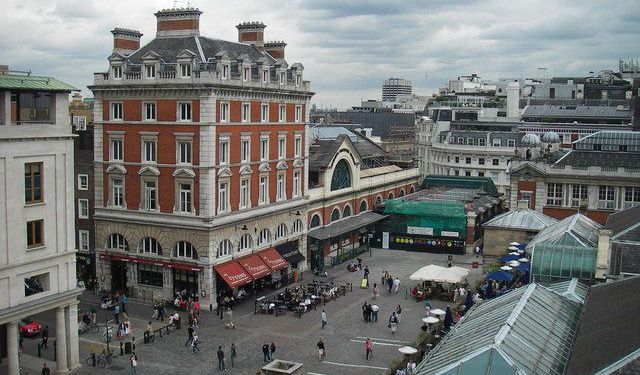
Covent Garden Walking Tour
A shopping and entertainment hub on the eastern fringes of London's West End, Covent Garden is a district historically associated with the former fruit-and-vegetable market – currently a shopping spot popular with locals and tourists alike.
Once a slum area, today the north of the district is given over to independent shops centered on Neal's Yard and Seven Dials. Both places offer... view more
Tour Duration: 2 Hour(s)
Travel Distance: 3.0 Km or 1.9 Miles
Once a slum area, today the north of the district is given over to independent shops centered on Neal's Yard and Seven Dials. Both places offer... view more
Tour Duration: 2 Hour(s)
Travel Distance: 3.0 Km or 1.9 Miles

London's Historic Pubs Walk
If there’s any more iconic symbol for London than Big Ben or the London Eye, then it must be the traditional English pub. And London sure is full of them, dating from pre-Victorian times to just about five minutes ago.
With so much history surrounding London there is no shortage of historic pubs to choose from. Whether you fancy half-timbered, rambling watering holes or small but perfectly... view more
Tour Duration: 3 Hour(s)
Travel Distance: 5.6 Km or 3.5 Miles
With so much history surrounding London there is no shortage of historic pubs to choose from. Whether you fancy half-timbered, rambling watering holes or small but perfectly... view more
Tour Duration: 3 Hour(s)
Travel Distance: 5.6 Km or 3.5 Miles

Harry Potter Walking Tour II
The Harry Potter movies and London go together like Butterbeer and a cold winter night at Hogsmeade. While much of the magical world was brought to life with computer-generated images and studio sets, quite a few iconic scenes were filmed right in the heart of the British capital, transforming ordinary city spots into wizarding landmarks. Here's a look at six more London locations where the... view more
Tour Duration: 2 Hour(s)
Travel Distance: 4.1 Km or 2.5 Miles
Tour Duration: 2 Hour(s)
Travel Distance: 4.1 Km or 2.5 Miles
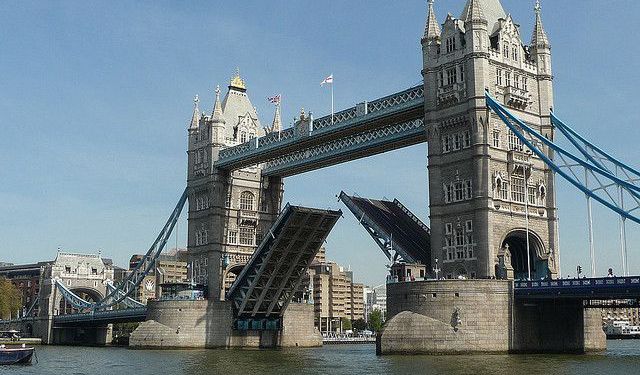
Bridges of London
Around thirty bridges span the Thames river in London, each with its own story. Our self-guided walk takes you to see nine such historical structures located in the heart of the city, starting from the storied Westminster Bridge and ending at the iconic Tower Bridge.
The latter has stood over the River Thames in London since 1894 and is one of the finest, most recognizable bridges in the... view more
Tour Duration: 2 Hour(s)
Travel Distance: 5.2 Km or 3.2 Miles
The latter has stood over the River Thames in London since 1894 and is one of the finest, most recognizable bridges in the... view more
Tour Duration: 2 Hour(s)
Travel Distance: 5.2 Km or 3.2 Miles
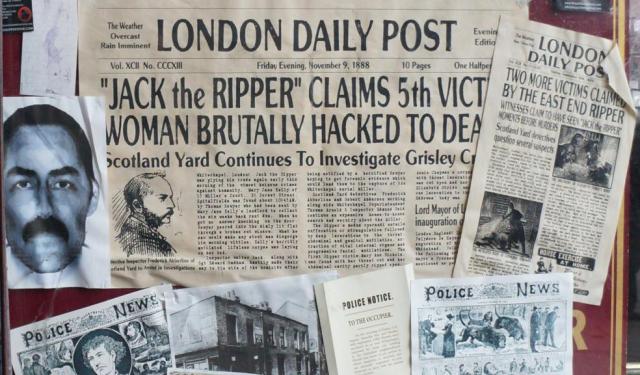
Jack the Ripper Walking Tour
Jack the Ripper, an unidentified serial killer who terrorized the British capital in 1888, became notorious for the series of brutal and gruesome murders that he carried out in the East End of London. The primary setting for the Jack the Ripper attacks was Whitechapel, at the time a poverty-stricken and crime-ridden district, known for its dark alleys and narrow streets.
The name "Jack the... view more
Tour Duration: 2 Hour(s)
Travel Distance: 4.0 Km or 2.5 Miles
The name "Jack the... view more
Tour Duration: 2 Hour(s)
Travel Distance: 4.0 Km or 2.5 Miles
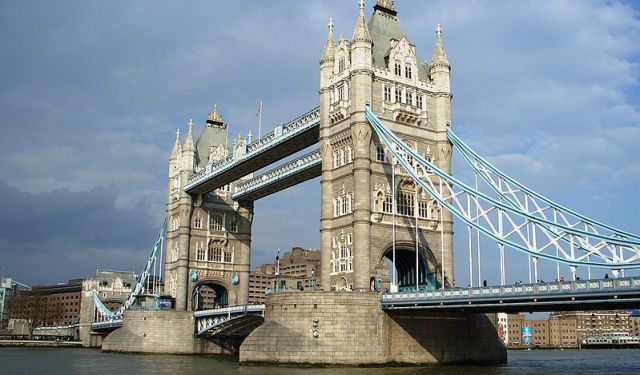
City of London Walking Tour
The City of London, often referred to simply as the City (with the capital C), is the historic and financial core of the British capital. Despite being just over one square mile in area (for which reason it is also lovingly dubbed the Square Mile), it holds immense importance as the original site of Londinium, the Roman settlement founded circa 43 AD. Over the centuries, this small patch of land... view more
Tour Duration: 3 Hour(s)
Travel Distance: 4.6 Km or 2.9 Miles
Tour Duration: 3 Hour(s)
Travel Distance: 4.6 Km or 2.9 Miles
Useful Travel Guides for Planning Your Trip
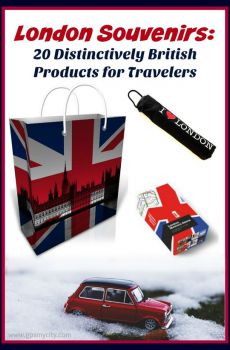
London Souvenirs: 18 Distinctively British Products for Travelers
Most visitors to London consider shopping as part of their must-do London experience. From street markets to Victorian arcades to snobbish Sloane Square to busy Oxford Street, there are a host of shops selling items which typically represent this vibrant city. Whether you are shopping for souvenirs...
The Most Popular Cities
/ view all