

Audio Guide: San Francisco Introduction Walking Tour (Self Guided), San Francisco
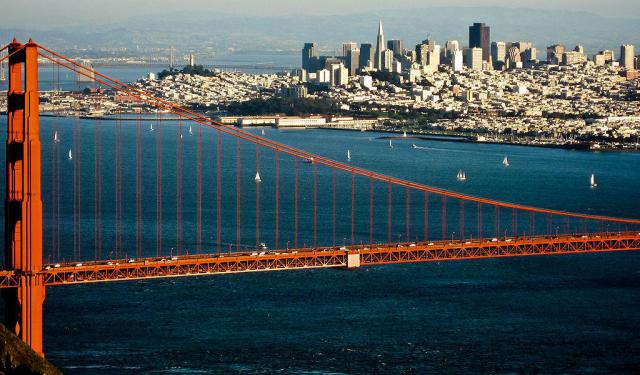
A commercial and cultural hub of northern California, San Francisco is a popular tourist destination known for its steep rolling hills and eclectic mix of world-famous landmarks. The iconic Golden Gate Bridge, the teeth-rattling cable cars carrying riders up and down Nob Hill, Alcatraz Island, and the oldest Chinatown in North America are just some of the city's prominent attractions, each contributing to its unique flavor.
The original settlement of today's San Francisco emerged in 1776 when a group of Spanish colonists established a fortress (near the present Golden Gate) and a mission (a few miles away) both named after Saint Francis of Assisi. In 1821, the Spaniards passed the territory to the Mexicans, who in turn ceded it to the United States in 1848. The California Gold Rush of 1849 brought rapid growth to the area, transforming San Francisco from an unimportant hamlet to a busy port. By 1901, it had become a major city, largest on the West Coast, known for its flamboyant style, stately hotels, ostentatious mansions, and a thriving arts scene.
After the destructive earthquake of 1906, the city was quickly rebuilt, and on a grand scale too, seeing, among other achievements, the construction of the streetcar system. At the height of the Great Depression of the 1930s, San Francisco undertook great civil engineering projects, including the Golden Gate Bridge completed in 1937.
After World War II, the city hosted the birth of the United Nations in 1945. It was the ground for the rise of the "beatnik" and "hippie" cultures in the 1950s and 60s. The Sexual Revolution, the Peace Movement (following the Vietnam War), the Summer of Love of 1967, and the gay rights movement of the 1970s asserted San Francisco as a center of liberal activism in the United States. More recently, the dot-com boom of the late 1990s, driven by the Internet industry, further invigorated the city's economy.
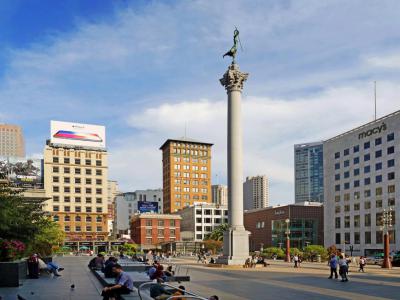
Still, tourism is one of San Francisco's major industries fueled by attractions like Lombard Street (known for its "crookedness"), Pier 39 (with its colony of sunbathing sea lions), the Aquarium of the Bay, and others. The historic heart of the city is centered on Union Square, the principal shopping and hotel district.
Whatever your idea of a dream trip to San Francisco is, take this self-guided walking tour as a valuable companion and brave the city on foot with GPSmyCity without fear of getting lost!
The original settlement of today's San Francisco emerged in 1776 when a group of Spanish colonists established a fortress (near the present Golden Gate) and a mission (a few miles away) both named after Saint Francis of Assisi. In 1821, the Spaniards passed the territory to the Mexicans, who in turn ceded it to the United States in 1848. The California Gold Rush of 1849 brought rapid growth to the area, transforming San Francisco from an unimportant hamlet to a busy port. By 1901, it had become a major city, largest on the West Coast, known for its flamboyant style, stately hotels, ostentatious mansions, and a thriving arts scene.
After the destructive earthquake of 1906, the city was quickly rebuilt, and on a grand scale too, seeing, among other achievements, the construction of the streetcar system. At the height of the Great Depression of the 1930s, San Francisco undertook great civil engineering projects, including the Golden Gate Bridge completed in 1937.
After World War II, the city hosted the birth of the United Nations in 1945. It was the ground for the rise of the "beatnik" and "hippie" cultures in the 1950s and 60s. The Sexual Revolution, the Peace Movement (following the Vietnam War), the Summer of Love of 1967, and the gay rights movement of the 1970s asserted San Francisco as a center of liberal activism in the United States. More recently, the dot-com boom of the late 1990s, driven by the Internet industry, further invigorated the city's economy.
Still, tourism is one of San Francisco's major industries fueled by attractions like Lombard Street (known for its "crookedness"), Pier 39 (with its colony of sunbathing sea lions), the Aquarium of the Bay, and others. The historic heart of the city is centered on Union Square, the principal shopping and hotel district.
Whatever your idea of a dream trip to San Francisco is, take this self-guided walking tour as a valuable companion and brave the city on foot with GPSmyCity without fear of getting lost!
How it works: Download the app "GPSmyCity: Walks in 1K+ Cities" from Apple App Store or Google Play Store to your mobile phone or tablet. The app turns your mobile device into a personal tour guide. For US$14.99 per year (with a 3-day free trial), you get access to walking tours in 630+ cities worldwide for an entire year. In comparison, a guided tour often costs dozens of dollars per person for a single tour. The app works offline, so no data plan is needed when traveling abroad.
Download The GPSmyCity App



San Francisco Introduction Walking Tour Map
Guide Name: San Francisco Introduction Walking Tour
Guide Location: USA » San Francisco (See other walking tours in San Francisco)
Guide Type: Self-guided Walking Tour (Sightseeing)
Tour Duration: 3 Hour(s)
Travel Distance: 5.3 Km or 3.3 Miles
Guide Location: USA » San Francisco (See other walking tours in San Francisco)
Guide Type: Self-guided Walking Tour (Sightseeing)
Tour Duration: 3 Hour(s)
Travel Distance: 5.3 Km or 3.3 Miles
Sights Featured in This Walk
1) Union Square (must see)
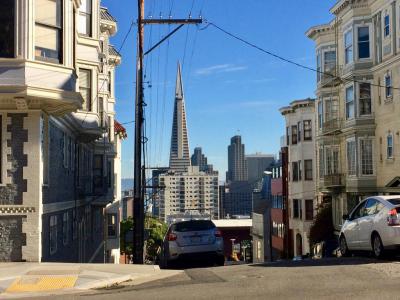

5) Grace Cathedral (must see)
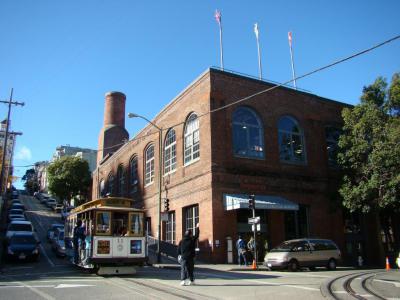
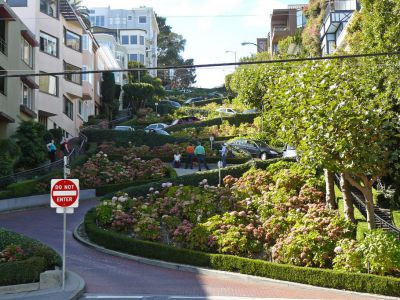
7) Lombard Street (must see)
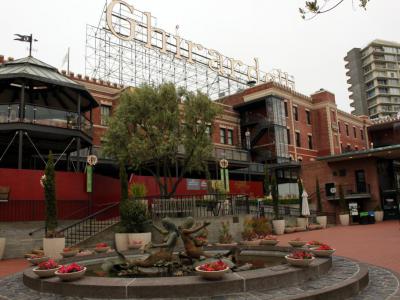
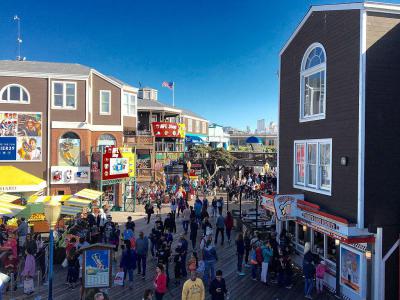
9) Pier 39 (must see)
Walking Tours in San Francisco, California

Create Your Own Walk in San Francisco
Creating your own self-guided walk in San Francisco is easy and fun. Choose the city attractions that you want to see and a walk route map will be created just for you. You can even set your hotel as the start point of the walk.
Famous Architecture Walking Tour
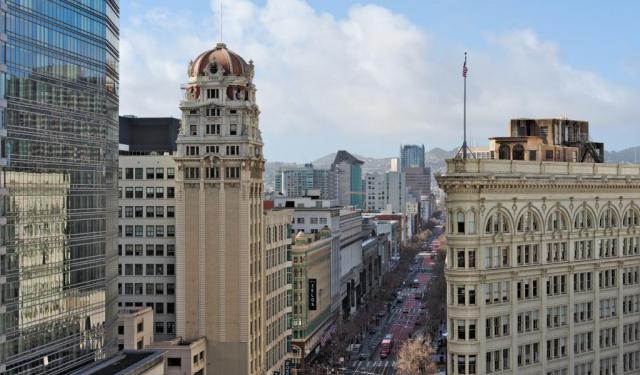
San Francisco is one of the world's top travel destinations, famous for its spectacular tourist attractions like Alcatraz Island, Fisherman's Wharf, and the Golden Gate Bridge. But besides that, it also boasts a huge variety of world-known architecture fit to delight the eye of any beholder. Let's give ourselves an aesthetic treat, too, and check out some of the city's most... view more
Tour Duration: 1 Hour(s)
Travel Distance: 2.3 Km or 1.4 Miles
Tour Duration: 1 Hour(s)
Travel Distance: 2.3 Km or 1.4 Miles
Union Square Walking Tour
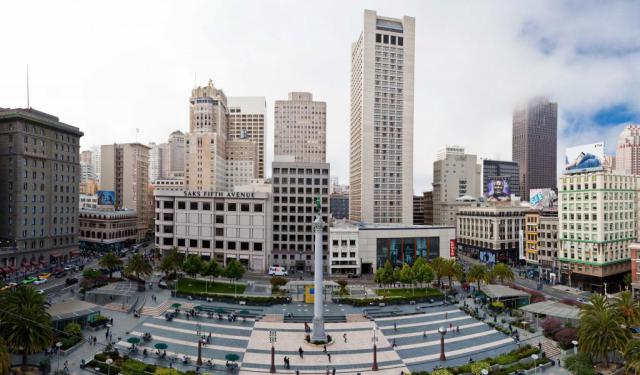
Union Square, a bustling hub in the heart of San Francisco, is a place where locals and tourists alike gather to enjoy a mix of shopping, entertainment, and cultural attractions. In addition to being the third largest shopping area in the United States, the square features an array of restaurants, theaters, and a wonderful concentration of fine art galleries.
One of the prominent landmarks in... view more
Tour Duration: 1 Hour(s)
Travel Distance: 1.5 Km or 0.9 Miles
One of the prominent landmarks in... view more
Tour Duration: 1 Hour(s)
Travel Distance: 1.5 Km or 0.9 Miles
North Beach Walking Tour
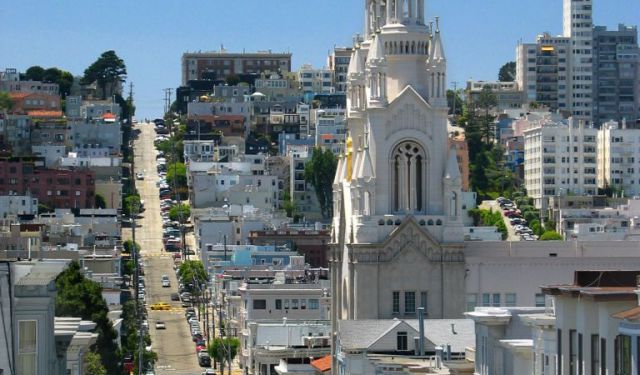
North Beach-also known as San Francisco’s Little Italy-is one of the city’s most storied neighborhoods, whose personality is far bigger than its footprint. Once upon a tide, this area was literally a beach before landfill projects in the late 1800s expanded the city’s coastline. Early on, it became a hub for dockworkers, fishermen, and merchants, who built a tight-knit, working-class... view more
Tour Duration: 2 Hour(s)
Travel Distance: 1.8 Km or 1.1 Miles
Tour Duration: 2 Hour(s)
Travel Distance: 1.8 Km or 1.1 Miles
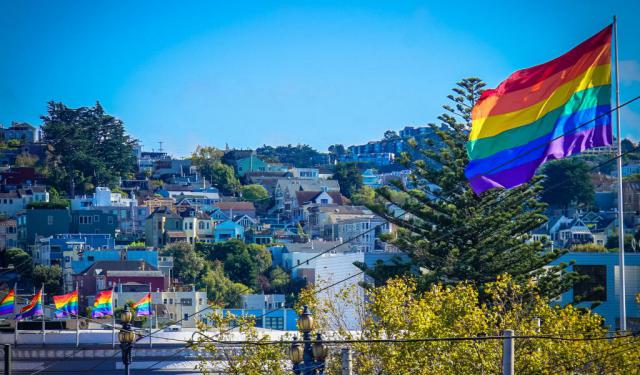
Castro District Walking Tour
It's a well-known fact that San Francisco is the place where the gay and lesbian culture flourished in its modernity in the mid-20th century. The Castro District, where the rainbow flag is flying high, houses several iconic locations that have played pivotal roles in LGBTQ+ history and continue to be celebrated today.
One such is the Castro Theater. This renowned landmark, which has been... view more
Tour Duration: 1 Hour(s)
Travel Distance: 1.4 Km or 0.9 Miles
One such is the Castro Theater. This renowned landmark, which has been... view more
Tour Duration: 1 Hour(s)
Travel Distance: 1.4 Km or 0.9 Miles
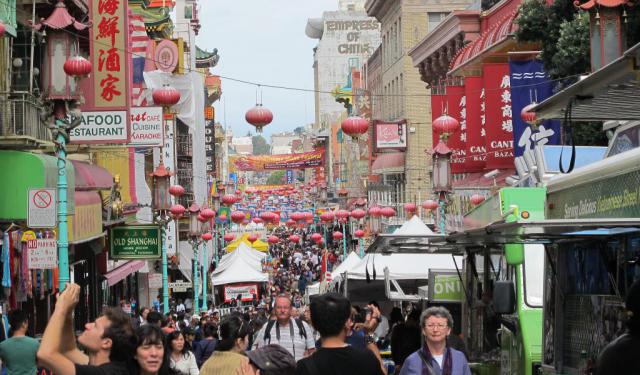
Chinatown Walking Tour
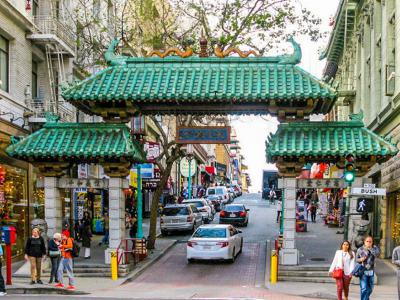
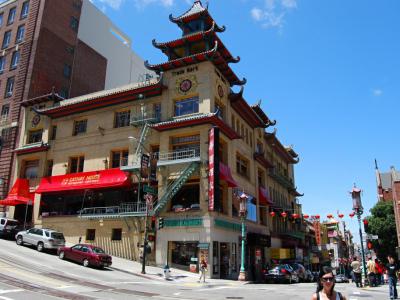
San Francisco’s Chinatown is the oldest Chinese community in North America and one of the largest outside Asia. Established in 1848, this compact area has played a key role in preserving Chinese heritage, including language, religion, and customs, for generations of Chinese immigrants to the United States. Over time, a modest enclave for Chinese laborers has flourished into a major tourist... view more
Tour Duration: 1 Hour(s)
Travel Distance: 0.9 Km or 0.6 Miles
Tour Duration: 1 Hour(s)
Travel Distance: 0.9 Km or 0.6 Miles
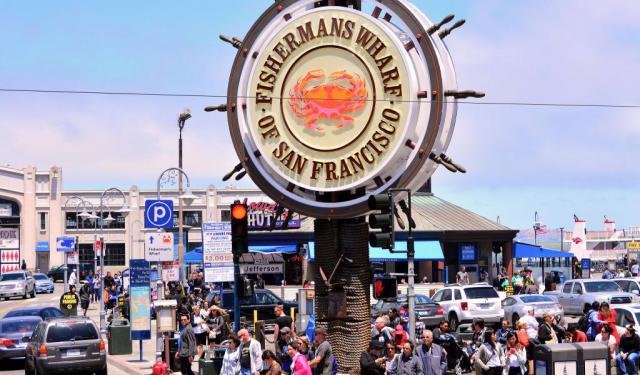
Fisherman's Wharf Walking Tour
Fisherman’s Wharf in San Francisco-here, the smell of salt air meets the scent of sizzling crab, and history rubs elbows with souvenir shops... Once a scrappy working harbor, this stretch of the city’s waterfront is now one of San Francisco's most iconic and visited destinations. Over the years, it's seen it all-gold fever, immigrant grit, and now, selfie sticks galore.
The... view more
Tour Duration: 1 Hour(s)
Travel Distance: 1.5 Km or 0.9 Miles
The... view more
Tour Duration: 1 Hour(s)
Travel Distance: 1.5 Km or 0.9 Miles
Useful Travel Guides for Planning Your Trip
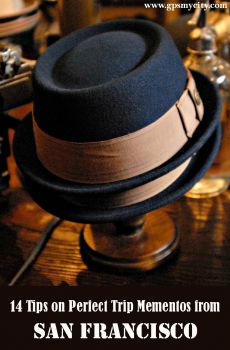
14 Souvenirs That Scream San Francisco
Home to many historic landmarks, such as Golden Gate Bridge, Chinatown and Alcatraz, San Francisco is closely associated with many iconic images of the American culture, such as Levi's jeans, baseball, and hippie movement. Modern Frisco carefully preserves its legacy by keeping it alive...
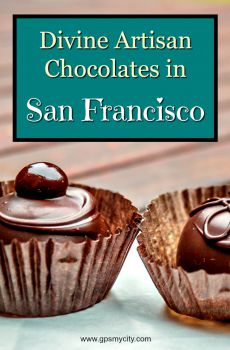
Divine Artisan Chocolates in San Francisco
San Francisco is home to the most delicious artisan chocolates! From the historic Ghirardelli Chocolate Factory to New American TCHO chocolates, there are many local chocolate boutiques and factories to visit where you might be treated to a few samples. From exotic flavors such as lavender-walnut...
The Most Popular Cities
/ view all