

Audio Guide: Alfama Walking Tour (Self Guided), Lisbon
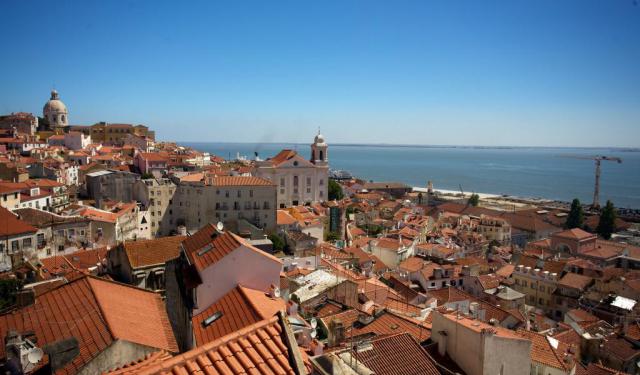
Alfama, the oldest district of Lisbon, spreads downhill along the Tagus River. It retains a charmingly labyrinthine layout with narrow alleys and steep streets. Under Islamic rule, this part of the city was increasingly inhabited by fishermen and the poor. The reputation of being a poor area still lives on. The name Alfama derives from the Arabic al-ḥamma, which means "hot fountains" or "baths," akin to "hammam."
The great Lisbon earthquake of 1755, which ravaged much of the capital, spared Alfama. Nowadays, the historic tram no. 28, winding its way up through the district, is a key local landmark in its own right.
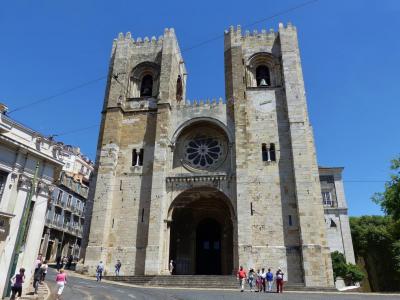
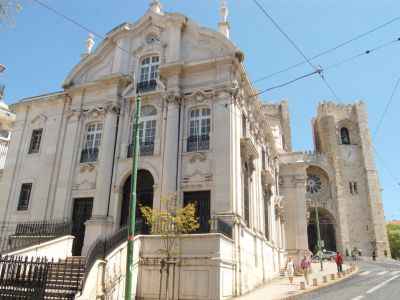
At the heart of Alfama stands the Santa Maria Maior Cathedral. A formidable edifice originally constructed in 1147, it has withstood the test of time and serves as a testament to Lisbon's resilience. Nearby, Saint Anthony's Church marks the birthplace of this beloved saint. The neighborhood bursts into festive decor and parades in his honor every June.
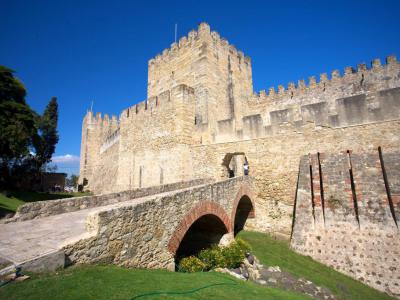
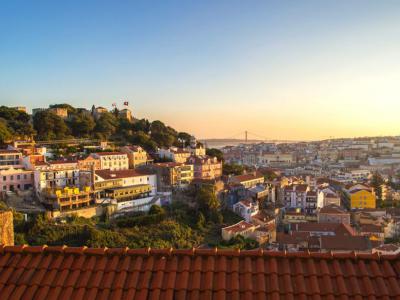
Dominating the district's skyline, Saint George's Castle offers panoramic views of the city. This medieval stronghold, dating back to the 11th century, is a cornerstone of Lisbon’s historical narrative. For more breathtaking vistas, Alfama is generously dotted with viewpoints. The Santa Luzia and the Gates of the Sun viewpoints provide sweeping views of the Tagus River and the rooftops of Alfama, while the Grace Viewpoint offers a picturesque spot to watch sunsets.
The spiritual and cultural depth of Alfama is further exemplified by the Grace Church and Convent and the Monastery of Saint Vincent, both monumental sites that have been there for centuries. The National Pantheon, which houses the tombs of significant historical figures, and the nearby Lisbon Military Museum offer deep dives into Portugal's past. Lastly, the essence of the Portuguese soul is captured at the Fado Museum, dedicated to the traditional melancholy music genre that originated in these very alleys.
For anyone looking to experience the essence of the Portuguese capital, Alfama is not merely a neighborhood but a vibrant canvas displaying the cultural and historical richness of Lisbon. Stroll through its streets, let the Fado melodies guide you, and immerse yourself in the historical marvels that await around every corner. Rediscover the past and witness the continuity of culture in Alfama on this self-guided tour.
The great Lisbon earthquake of 1755, which ravaged much of the capital, spared Alfama. Nowadays, the historic tram no. 28, winding its way up through the district, is a key local landmark in its own right.
At the heart of Alfama stands the Santa Maria Maior Cathedral. A formidable edifice originally constructed in 1147, it has withstood the test of time and serves as a testament to Lisbon's resilience. Nearby, Saint Anthony's Church marks the birthplace of this beloved saint. The neighborhood bursts into festive decor and parades in his honor every June.
Dominating the district's skyline, Saint George's Castle offers panoramic views of the city. This medieval stronghold, dating back to the 11th century, is a cornerstone of Lisbon’s historical narrative. For more breathtaking vistas, Alfama is generously dotted with viewpoints. The Santa Luzia and the Gates of the Sun viewpoints provide sweeping views of the Tagus River and the rooftops of Alfama, while the Grace Viewpoint offers a picturesque spot to watch sunsets.
The spiritual and cultural depth of Alfama is further exemplified by the Grace Church and Convent and the Monastery of Saint Vincent, both monumental sites that have been there for centuries. The National Pantheon, which houses the tombs of significant historical figures, and the nearby Lisbon Military Museum offer deep dives into Portugal's past. Lastly, the essence of the Portuguese soul is captured at the Fado Museum, dedicated to the traditional melancholy music genre that originated in these very alleys.
For anyone looking to experience the essence of the Portuguese capital, Alfama is not merely a neighborhood but a vibrant canvas displaying the cultural and historical richness of Lisbon. Stroll through its streets, let the Fado melodies guide you, and immerse yourself in the historical marvels that await around every corner. Rediscover the past and witness the continuity of culture in Alfama on this self-guided tour.
How it works: Download the app "GPSmyCity: Walks in 1K+ Cities" from Apple App Store or Google Play Store to your mobile phone or tablet. The app turns your mobile device into a personal tour guide and its built-in GPS navigation functions guide you from one tour stop to next. The app works offline, so no data plan is needed when traveling abroad.
Download The GPSmyCity App



Alfama Walking Tour Map
Guide Name: Alfama Walking Tour
Guide Location: Portugal » Lisbon (See other walking tours in Lisbon)
Guide Type: Self-guided Walking Tour (Sightseeing)
Tour Duration: 2 Hour(s)
Travel Distance: 3.0 Km or 1.9 Miles
Guide Location: Portugal » Lisbon (See other walking tours in Lisbon)
Guide Type: Self-guided Walking Tour (Sightseeing)
Tour Duration: 2 Hour(s)
Travel Distance: 3.0 Km or 1.9 Miles
Sights Featured in This Walk


Walking Tours in Lisbon, Portugal

Create Your Own Walk in Lisbon
Creating your own self-guided walk in Lisbon is easy and fun. Choose the city attractions that you want to see and a walk route map will be created just for you. You can even set your hotel as the start point of the walk.
Lisbon Introduction Walking Tour
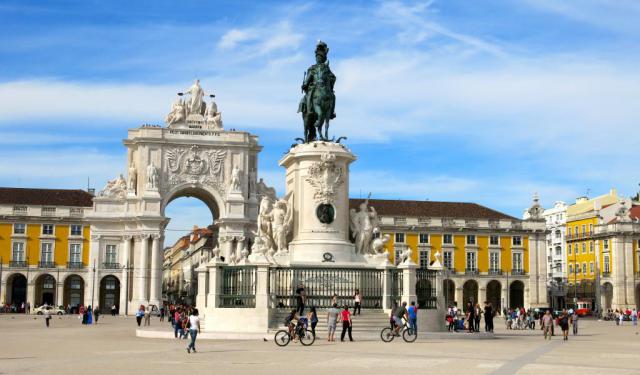
Lisbon, the capital city of Portugal, is a fascinating blend of history, culture, and breathtaking viewpoints. Its name is believed to have originated from the Phoenician term "Allis Ubbo", which means "safe harbor," reflecting the city's importance as a maritime hub since ancient times. Nestled at Europe's western edge and abundant in architectural styles, Lisbon... view more
Tour Duration: 2 Hour(s)
Travel Distance: 2.4 Km or 1.5 Miles
Tour Duration: 2 Hour(s)
Travel Distance: 2.4 Km or 1.5 Miles
Lisbon Food Tour
Lisbon’s food scene has always been shaped by the city’s position between river, ocean, empire, and neighbourhood life. The Tagus River brought fish, salt, trade, and people; the Atlantic gave the city its long relationship with seafood; and Portugal’s maritime routes introduced ingredients, spices, and eating habits that gradually entered local kitchens.
Cod, although strongly associated... view more
Tour Duration: 1 Hour(s)
Travel Distance: 1.2 Km or 0.7 Miles
Cod, although strongly associated... view more
Tour Duration: 1 Hour(s)
Travel Distance: 1.2 Km or 0.7 Miles
Sao Jorge Castle to Lisbon Cathedral Walking Tour
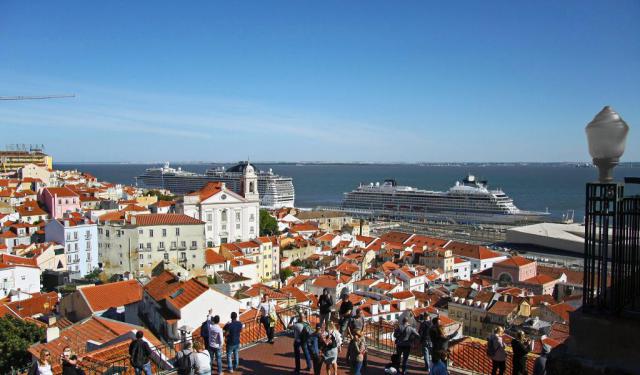
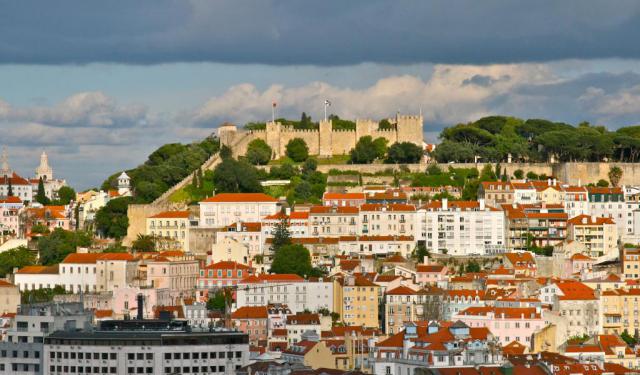
Spreading on the slope between Saint George's Castle (Castelo de Sao Jorge) and the Tagus River, the oldest neighborhood of the Portuguese capital, Alfama, captivates visitors with its rich cultural heritage and picturesque ambiance. The area is home to numerous historical attractions and as such makes a perfect destination for a classic Lisbon walk!
Perhaps the best starting point for it... view more
Tour Duration: 1 Hour(s)
Travel Distance: 1.1 Km or 0.7 Miles
Perhaps the best starting point for it... view more
Tour Duration: 1 Hour(s)
Travel Distance: 1.1 Km or 0.7 Miles
Belem Walking Tour
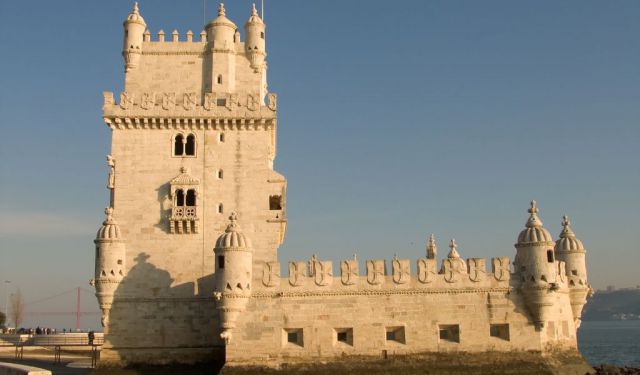
Also known as Santa Maria de Belem, the district of Belem is one of the most visited in Lisbon. Situated not far from the city center, it lines the Tagus River and is the original location of Lisbon's port – the starting point of the many great voyages of discovery by Portuguese explorers, such as Vasco da Gama – departed from here for India in 1497, and Pedro Alvares Cabral – for... view more
Tour Duration: 2 Hour(s)
Travel Distance: 3.0 Km or 1.9 Miles
Tour Duration: 2 Hour(s)
Travel Distance: 3.0 Km or 1.9 Miles
Useful Travel Guides for Planning Your Trip
Top 8 Cafes and Restaurants in Lisbon
Experience Lisbon as a local by enjoying typical Portuguese dishes at the best restaurants throughout the city at a price you can afford. Take away the overwhelming pressure of deciding where to eat in a city as dynamic and riveting as Lisbon by allowing this guide to suggest local restaurants with...

17 Uniquely Portuguese Things to Buy in Lisbon
Formerly a major colonial power, Portugal has accumulated great knowledge in craftsmanship. While in Lisbon, you can treat yourself to a vast variety of quality things: wines, ceramics, jewellery, leather goods, books and many more. Most shops in Lisbon open at 9 or 10am, and close in the evening at...
The Most Popular Cities
/ view all