

Famous Homes of Vienna (Self Guided), Vienna
The often modest apartments of Vienna's famous denizens served as the epicenters of cultural refinement, captivating both the high society and artistic elite with their hosts' talents rather than resplendent architecture and lavish interiors.
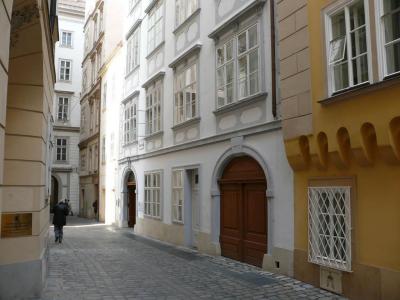
The hallowed streets of Old Vienna whisper tales of Mozart's melodic genius. Indeed, the prolific composer, native of Salzburg, spent a great part of his life in Vienna. Although he lived in several places during his time in the city, the unassuming dwelling on Domgasse, now known as the Mozarthaus Vienna, became a testament to his enduring legacy.
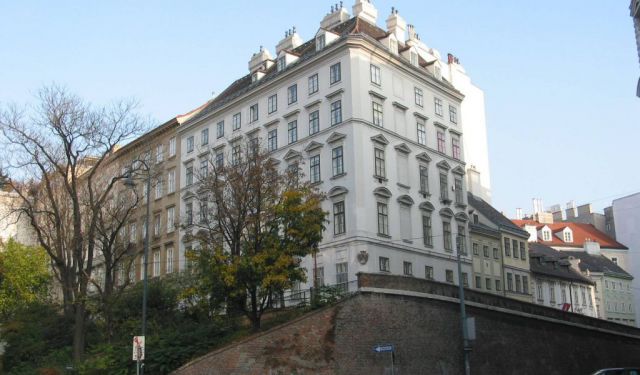
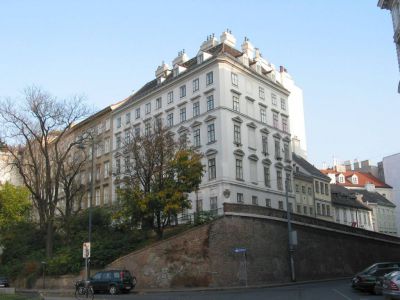
Ludwig van Beethoven, one of the most influential composers of all time, also resided in Vienna. He lived in various locations throughout his life, but his most famous residence is the Pasqualatihaus on Mölker Bastei. It is amidst the walls of this house that the celestial symphonies which shaped the annals of classical music were born, revealing the restless spirit and immortal compositions of a true maestro.
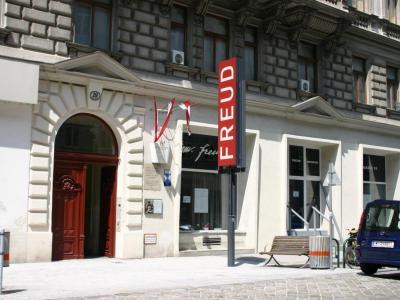
The father of psychoanalysis, Sigmund Freud, lived and worked in Vienna for most of his professional career. His former residence at Berggasse 19, presently known as the Sigmund Freud Museum, is a sanctuary of the psyche, where the very essence of the human mind was explored and contemplated; its walls still resonate with the echoes of his revolutionary ideas.
These are just some of the many famous people's residences that left mark on the landscape of Vienna. Years on, being there still evokes a sense of grandeur, sophistication, and admiration for the celebrities who once called this city their home. If you wish to acquaint yourself more closely with some of the most prominent dwellings in Vienna, take this self-guided walking tour.
Download The GPSmyCity App



Famous Homes of Vienna Map
Map Instructions: (1) Click the "Nearby Sights" button  to view the nearby attractions; (2) click a map pin to see sight information.
Guide Location: Austria » Vienna (See other walking tours in Vienna)
Guide Type: Self-guided Walking Tour (Sightseeing)
Tour Duration: 2 Hour(s)
Travel Distance: 3.9 Km or 2.4 Miles
Sights Featured in This Walk

WalkBuilder (customize this walk or build your own)Use the WalkBuilder tool below to customize this walk to suit your interests. Instructions: click at the upper right corner in the map above to view other sights in the city. To learn more about a sight, click a map pin. Click the "+" or "–" to add or remove a sight from the walk. To reorder the selected sights, simply drag and move them up or down the list in the left column.
|
||||||||
|
||||||||
Frequently Asked Questions1. How do I access my walking tour in Vienna? Save your walking tour on the website. Then download the GPSmyCity app from the Apple App Store or Google Play Store and sign in to your GPSmyCity account. Next, download "Vienna Map and Walking Tours" within the app. Your walk will appear on the Walks screen.
2. How do I view other attractions in Vienna?
3. How do I re-arrange the sight order?
4. Can I add my hotel to a walking tour?
5. Can I add my own sights to a walking tour?
6. How many sights can be included in a walking tour?
|
||||||||
Walking Tours in Vienna, Austria

Create Your Own Walk in Vienna
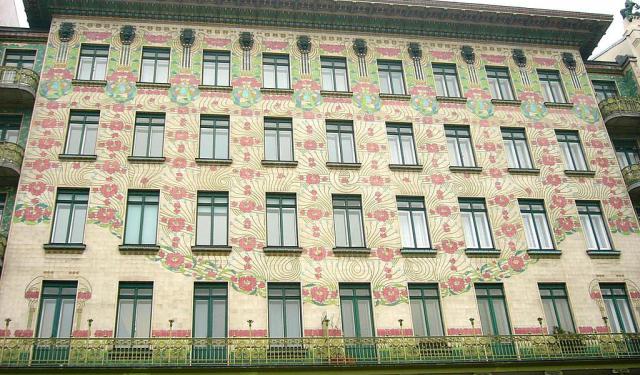
Vienna's Art Nouveau Architecture Tour II
Around the turn of the 20th century, the Austrian capital caught the Art Nouveau fever and decided that straight lines, drab walls, and historical imitation simply wouldn’t do anymore. Instead, it took to ornamental swirls, flowing curves, floral flourishes, and enough decorative detail... view more
Tour Duration: 1 Hour(s)
Travel Distance: 2.0 Km or 1.2 Miles
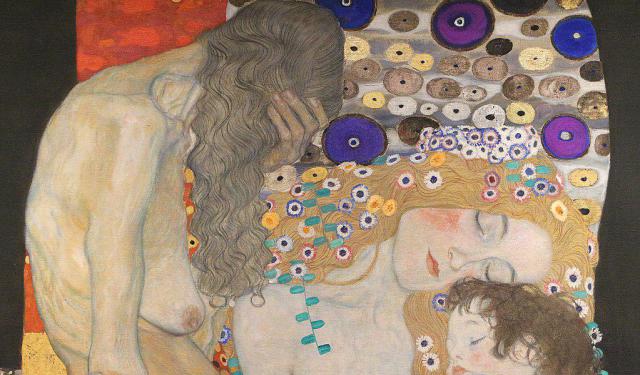
Klimt Paintings Tour
Klimt's name is indelibly linked to Vienna. The renowned symbolist painter was a prominent figure in the city. As a... view more
Tour Duration: 2 Hour(s)
Travel Distance: 3.7 Km or 2.3 Miles
Vienna Introduction Walking Tour
Tour Duration: 3 Hour(s)
Travel Distance: 4.6 Km or 2.9 Miles
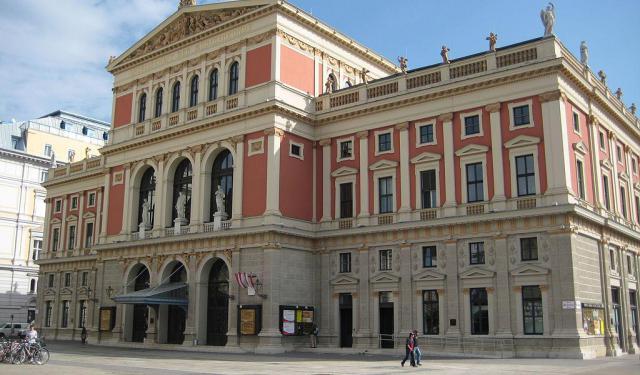
Vienna's Historical Music Venues
Among the... view more
Tour Duration: 2 Hour(s)
Travel Distance: 3.0 Km or 1.9 Miles
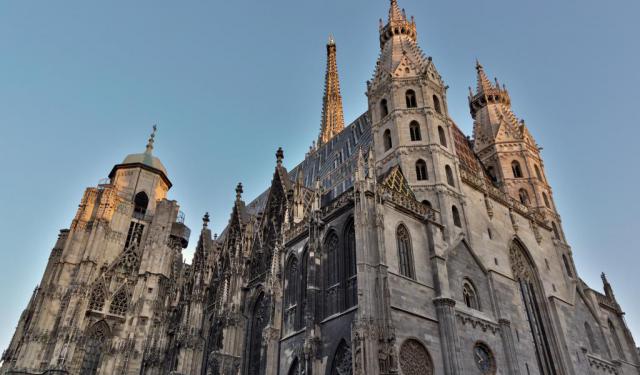
Old Town Churches Walking Tour
Sitting at "the crossroads of Christian traditions", Vienna is home to various Christian... view more
Tour Duration: 2 Hour(s)
Travel Distance: 3.9 Km or 2.4 Miles
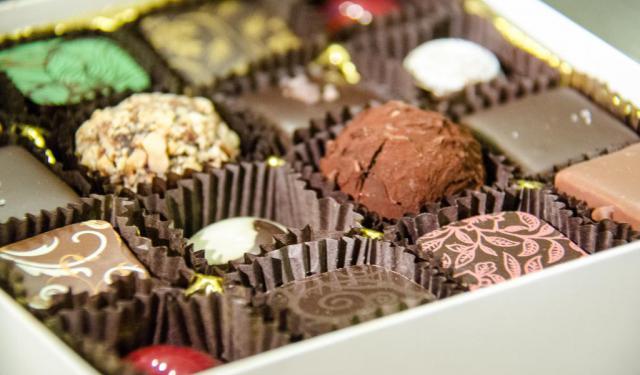
Old Town Chocolate Stores
Vienna's chocolate scene is deeply rooted in a rich culinary tradition. It has been sustained by several historic chocolate houses, located in the Old Town, that have been serving decadent treats for generations.
Landmark... view more
Tour Duration: 1 Hour(s)
Travel Distance: 1.2 Km or 0.7 Miles
Useful Travel Guides for Planning Your Trip
Top 15 Austrian Things to Buy in Vienna
7 Ultimately Austrian Foods to Taste in Vienna