

Belem Walking Tour (Self Guided), Lisbon
Also known as Santa Maria de Belem, the district of Belem is one of the most visited in Lisbon. Situated not far from the city center, it lines the Tagus River and is the original location of Lisbon's port – the starting point of the many great voyages of discovery by Portuguese explorers, such as Vasco da Gama – departed from here for India in 1497, and Pedro Alvares Cabral – for Brazil in 1499.
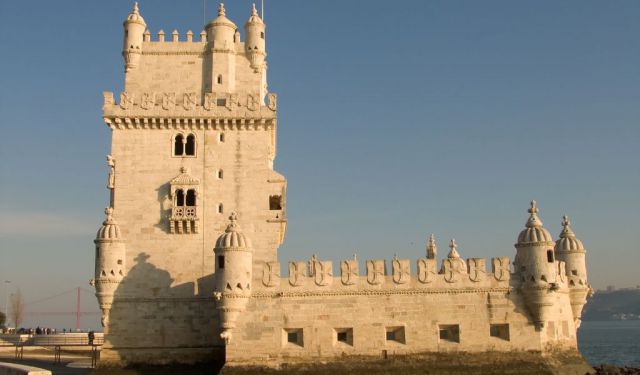
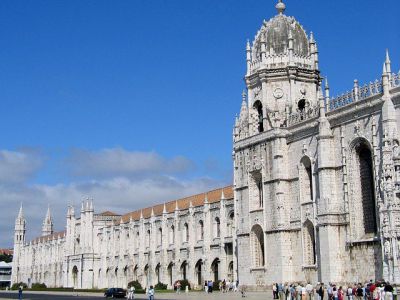
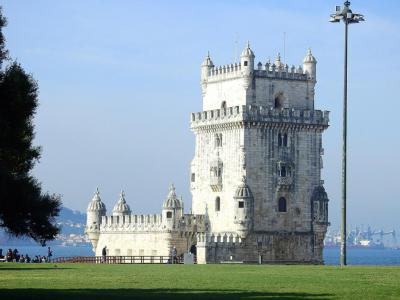
Perhaps Belem's most famous feature is its tower, Belem Tower. Built as a fortified lighthouse on the small rocky outcropping along the northern margin of the Tagus River, late in the reign of Dom Manuel l (1515–1520), it used to guard entrance to the port, as well as partly defended another major historical site, the Hieronymites Monastery built by Henry the Navigator to support pilgrims coming to the region. Located along Empire Square, presently, the monastery is a UNESCO-listed location and a home to the Navy Museum, among other things.
Belem is a concentration of national monuments and a mixture of historical buildings and modern symbols of Portuguese culture. The district's most notable modern feature is the Monument to the Discoveries inaugurated in 1960 to mark the 500th anniversary of the death of Henry the Navigator. Another key local monument is that to the Combatants of the Portuguese Colonial Wars.
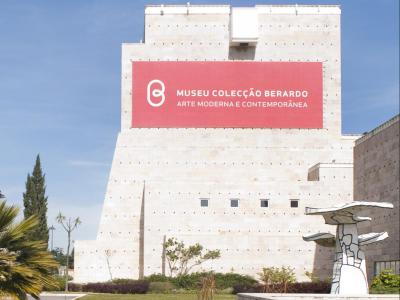
Belem is also famous as a museum district, accommodating a host of world-class museums, among which there are the National Coach Museum and the Berardo Collection Museum.
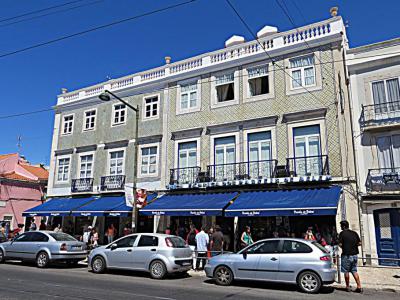
Amid the juxtaposition of famous locations is the famous pastry shop Fabrica de Pasteis de Belem, known for a specific Portuguese egg tart pastry: pastel de Belem.
For a closer acquaintance with the architectural marvels and cultural delights of this beautiful part of the Portuguese capital, take our self-guided walking tour and enjoy Belem at its best!
Perhaps Belem's most famous feature is its tower, Belem Tower. Built as a fortified lighthouse on the small rocky outcropping along the northern margin of the Tagus River, late in the reign of Dom Manuel l (1515–1520), it used to guard entrance to the port, as well as partly defended another major historical site, the Hieronymites Monastery built by Henry the Navigator to support pilgrims coming to the region. Located along Empire Square, presently, the monastery is a UNESCO-listed location and a home to the Navy Museum, among other things.
Belem is a concentration of national monuments and a mixture of historical buildings and modern symbols of Portuguese culture. The district's most notable modern feature is the Monument to the Discoveries inaugurated in 1960 to mark the 500th anniversary of the death of Henry the Navigator. Another key local monument is that to the Combatants of the Portuguese Colonial Wars.
Belem is also famous as a museum district, accommodating a host of world-class museums, among which there are the National Coach Museum and the Berardo Collection Museum.
Amid the juxtaposition of famous locations is the famous pastry shop Fabrica de Pasteis de Belem, known for a specific Portuguese egg tart pastry: pastel de Belem.
For a closer acquaintance with the architectural marvels and cultural delights of this beautiful part of the Portuguese capital, take our self-guided walking tour and enjoy Belem at its best!
How it works: Download the app "GPSmyCity: Walks in 1K+ Cities" from Apple App Store or Google Play Store to your mobile phone or tablet. The app turns your mobile device into a personal tour guide and its built-in GPS navigation functions guide you from one tour stop to next. The app works offline, so no data plan is needed when traveling abroad.
Download The GPSmyCity App



Belem Walking Tour Map
Guide Name: Belem Walking Tour
Guide Location: Portugal » Lisbon (See other walking tours in Lisbon)
Guide Type: Self-guided Walking Tour (Sightseeing)
Tour Duration: 2 Hour(s)
Travel Distance: 3.0 Km or 1.9 Miles
Guide Location: Portugal » Lisbon (See other walking tours in Lisbon)
Guide Type: Self-guided Walking Tour (Sightseeing)
Tour Duration: 2 Hour(s)
Travel Distance: 3.0 Km or 1.9 Miles
Sights Featured in This Walk





Walking Tours in Lisbon, Portugal

Create Your Own Walk in Lisbon
Creating your own self-guided walk in Lisbon is easy and fun. Choose the city attractions that you want to see and a walk route map will be created just for you. You can even set your hotel as the start point of the walk.
Sao Jorge Castle to Lisbon Cathedral Walking Tour
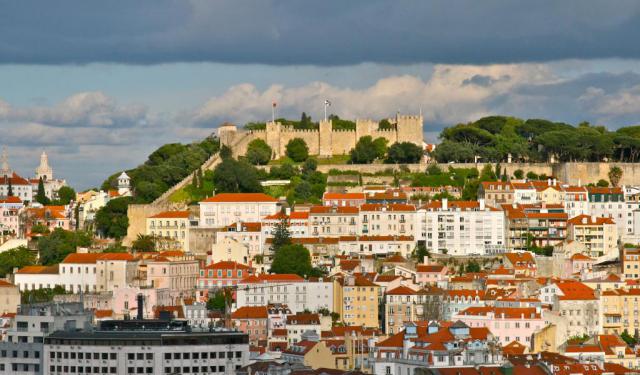
Spreading on the slope between Saint George's Castle (Castelo de Sao Jorge) and the Tagus River, the oldest neighborhood of the Portuguese capital, Alfama, captivates visitors with its rich cultural heritage and picturesque ambiance. The area is home to numerous historical attractions and as such makes a perfect destination for a classic Lisbon walk!
Perhaps the best starting point for it... view more
Tour Duration: 1 Hour(s)
Travel Distance: 1.1 Km or 0.7 Miles
Perhaps the best starting point for it... view more
Tour Duration: 1 Hour(s)
Travel Distance: 1.1 Km or 0.7 Miles
Lisbon Introduction Walking Tour
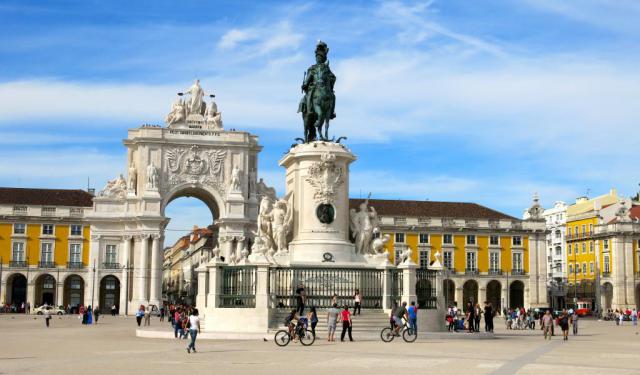
Lisbon, the capital city of Portugal, is a fascinating blend of history, culture, and breathtaking viewpoints. Its name is believed to have originated from the Phoenician term "Allis Ubbo", which means "safe harbor," reflecting the city's importance as a maritime hub since ancient times. Nestled at Europe's western edge and abundant in architectural styles, Lisbon... view more
Tour Duration: 2 Hour(s)
Travel Distance: 2.4 Km or 1.5 Miles
Tour Duration: 2 Hour(s)
Travel Distance: 2.4 Km or 1.5 Miles
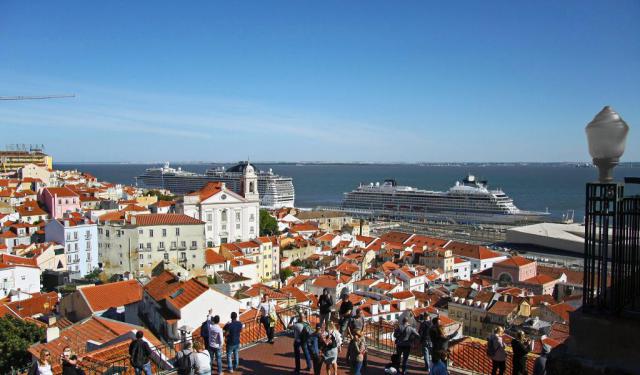
Lisbon Food Tour
Lisbon’s food scene has always been shaped by the city’s position between river, ocean, empire, and neighbourhood life. The Tagus River brought fish, salt, trade, and people; the Atlantic gave the city its long relationship with seafood; and Portugal’s maritime routes introduced ingredients, spices, and eating habits that gradually entered local kitchens.
Cod, although strongly associated... view more
Tour Duration: 1 Hour(s)
Travel Distance: 1.2 Km or 0.7 Miles
Cod, although strongly associated... view more
Tour Duration: 1 Hour(s)
Travel Distance: 1.2 Km or 0.7 Miles
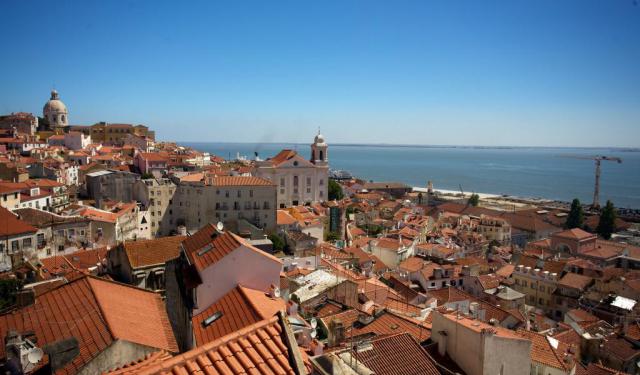
Alfama Walking Tour
Alfama, the oldest district of Lisbon, spreads downhill along the Tagus River. It retains a charmingly labyrinthine layout with narrow alleys and steep streets. Under Islamic rule, this part of the city was increasingly inhabited by fishermen and the poor. The reputation of being a poor area still lives on. The name Alfama derives from the Arabic al-ḥamma, which means "hot fountains"... view more
Tour Duration: 2 Hour(s)
Travel Distance: 3.0 Km or 1.9 Miles
Tour Duration: 2 Hour(s)
Travel Distance: 3.0 Km or 1.9 Miles
Useful Travel Guides for Planning Your Trip

17 Uniquely Portuguese Things to Buy in Lisbon
Formerly a major colonial power, Portugal has accumulated great knowledge in craftsmanship. While in Lisbon, you can treat yourself to a vast variety of quality things: wines, ceramics, jewellery, leather goods, books and many more. Most shops in Lisbon open at 9 or 10am, and close in the evening at...

Top 8 Cafes and Restaurants in Lisbon
Experience Lisbon as a local by enjoying typical Portuguese dishes at the best restaurants throughout the city at a price you can afford. Take away the overwhelming pressure of deciding where to eat in a city as dynamic and riveting as Lisbon by allowing this guide to suggest local restaurants with...
The Most Popular Cities
/ view all