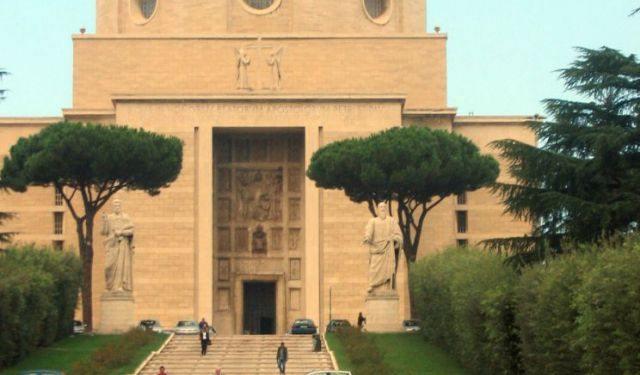


EUR Sightseeing Walking Tour (Self Guided), Rome
The Esposizione Universale di Roma (EUR), located in the southern suburb of Rome, was originally constructed for an international exhibition that was planned by Mussolini as a grand celebration of Fascist Italy. However, due to the outbreak of World War II, the exhibition never took place. The architecture of EUR was designed to glorify Fascism and showcases a distinct style that sets it apart from other areas in Rome.
In terms of urban planning, EUR has been remarkably successful, and its modern amenities continue to attract residents who are drawn to the area. Many businesses have established offices in this district. The grand marble halls and imposing buildings, inspired by the architecture of ancient Imperial Rome, now house government offices and a variety of museums.
One of the captivating highlights in EUR is the Museum of Roman Civilization complex. This remarkable museum brings together the collections of several different museums. The Museum of Prehistory and Ethnography, known as "Luigi Pigorini," features exhibits from various cultures and showcases significant prehistoric remains, including a Neanderthal cranium, prehistoric fauna, and well-preserved Neolithic boats. The Museum of Traditional and Folk Art explores the rich cultural heritage of different Italian regions. Additionally, the National Museum of the Early Middle Ages presents a wealth of objects from early medieval Italy and hosts a breathtaking reconstruction of a marble-clad room from Ostia Antica.
Take this self-guided walking tour to make your visit to the EUR area easier to navigate!
In terms of urban planning, EUR has been remarkably successful, and its modern amenities continue to attract residents who are drawn to the area. Many businesses have established offices in this district. The grand marble halls and imposing buildings, inspired by the architecture of ancient Imperial Rome, now house government offices and a variety of museums.
One of the captivating highlights in EUR is the Museum of Roman Civilization complex. This remarkable museum brings together the collections of several different museums. The Museum of Prehistory and Ethnography, known as "Luigi Pigorini," features exhibits from various cultures and showcases significant prehistoric remains, including a Neanderthal cranium, prehistoric fauna, and well-preserved Neolithic boats. The Museum of Traditional and Folk Art explores the rich cultural heritage of different Italian regions. Additionally, the National Museum of the Early Middle Ages presents a wealth of objects from early medieval Italy and hosts a breathtaking reconstruction of a marble-clad room from Ostia Antica.
Take this self-guided walking tour to make your visit to the EUR area easier to navigate!
How it works: Download the app "GPSmyCity: Walks in 1K+ Cities" from Apple App Store or Google Play Store to your mobile phone or tablet. The app turns your mobile device into a personal tour guide and its built-in GPS navigation functions guide you from one tour stop to next. The app works offline, so no data plan is needed when traveling abroad.
Download The GPSmyCity App



EUR Sightseeing Walking Tour Map
Guide Name: EUR Sightseeing Walking Tour
Guide Location: Italy » Rome (See other walking tours in Rome)
Guide Type: Self-guided Walking Tour (Sightseeing)
Tour Duration: 2 Hour(s)
Travel Distance: 3.6 Km or 2.2 Miles
Guide Location: Italy » Rome (See other walking tours in Rome)
Guide Type: Self-guided Walking Tour (Sightseeing)
Tour Duration: 2 Hour(s)
Travel Distance: 3.6 Km or 2.2 Miles
Sights Featured in This Walk


Walking Tours in Rome, Italy

Create Your Own Walk in Rome
Creating your own self-guided walk in Rome is easy and fun. Choose the city attractions that you want to see and a walk route map will be created just for you. You can even set your hotel as the start point of the walk.
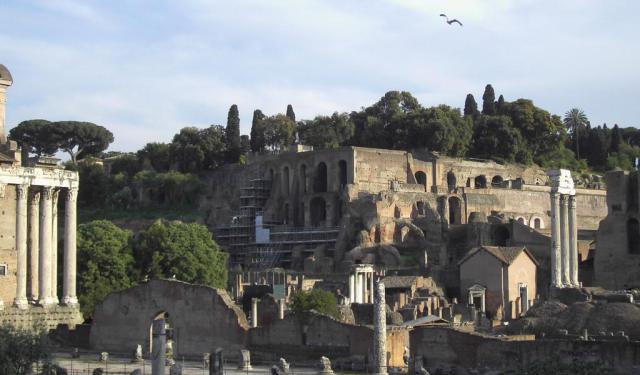
Palatine Hill Walking Tour
Palatine Hill - one of Rome’s legendary Seven Hills - is the most ancient part of the city. According to mythology (and a fair bit of archaeology backing it up), this is where the whole Roman saga began to unfold in the year 753 BC when young Romulus pointed dramatically at the hill and probably thought to himself: “Yes, this is the spot.” And just like that, a city that would eventually... view more
Tour Duration: 2 Hour(s)
Travel Distance: 2.6 Km or 1.6 Miles
Tour Duration: 2 Hour(s)
Travel Distance: 2.6 Km or 1.6 Miles
Rome Introduction Walking Tour II
Rome, the Eternal City, carries a legacy shaped by centuries of resilience, transformation, and cultural flourishing. The fall of the Roman Empire in 476 AD marked the end of an era, plunging Western Europe into the dark Middle Ages. Yet, even amid the disarray, Rome endured as a beacon of unity, largely due to its status as the center of Catholicism. The papacy wielded spiritual influence,... view more
Tour Duration: 2 Hour(s)
Travel Distance: 3.4 Km or 2.1 Miles
Tour Duration: 2 Hour(s)
Travel Distance: 3.4 Km or 2.1 Miles
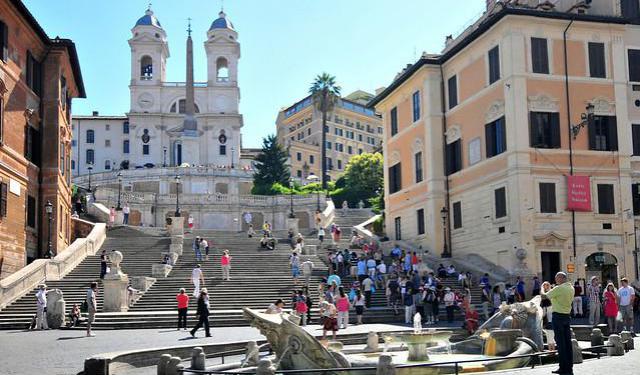
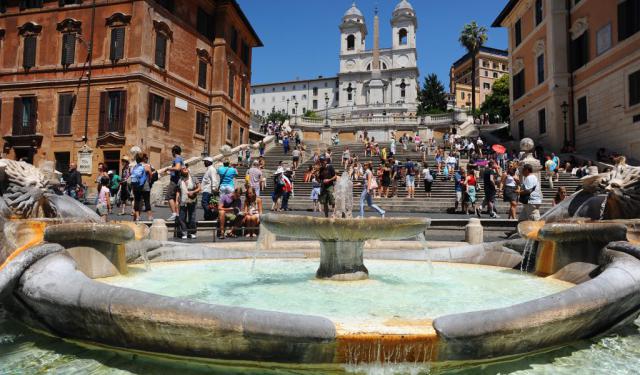
Spanish Steps to Trevi Fountain
An established tourist mecca, today's Rome is hardly imaginable without two of its much loved attractions – the Spanish Steps and the Trevi Fountain. Magnets for tourists as they are, these two sights are connected to a number of other, not less worthy of attention locations, such as the Fountain of the Longboat or Piazza Colonna and its centerpiece, the Column of Marcus Aurelius, to... view more
Tour Duration: 1 Hour(s)
Travel Distance: 2.0 Km or 1.2 Miles
Tour Duration: 1 Hour(s)
Travel Distance: 2.0 Km or 1.2 Miles
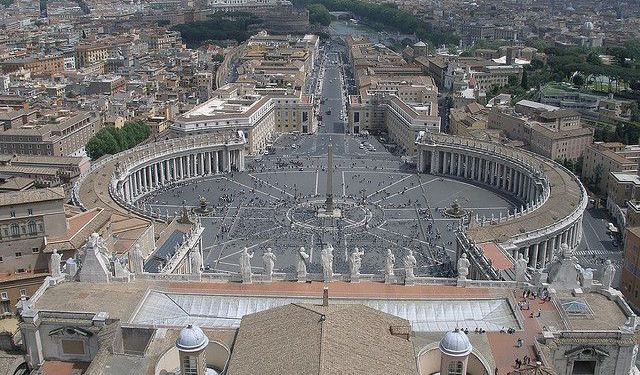
Vatican Walking Tour
Consisting of a walled enclave within the city of Rome, the Vatican is the world’s smallest sovereign state, as well as a symbol (and headquarters) of the Roman Catholic faith. Although only 44 hectares in surface, one is amazed by the vastness of this place and the sheer size of everything. When gazing around in all directions, you realize how much can be achieved by people working in faith for... view more
Tour Duration: 2 Hour(s)
Travel Distance: 3.4 Km or 2.1 Miles
Tour Duration: 2 Hour(s)
Travel Distance: 3.4 Km or 2.1 Miles
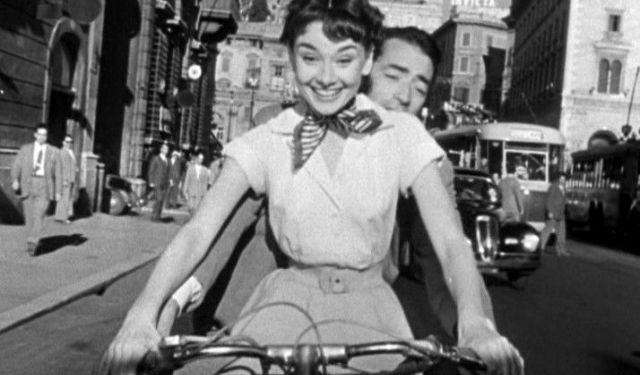
"Roman Holiday" Movie Walking Tour
Filmed entirely in the heart of Rome, Roman Holiday is one of those timeless films that beckons you to hop on a Vespa and lose yourself in the intoxicating beauty of the Italian capital. Released in 1953, this beloved classic has captured hearts across generations, thanks to its irresistible blend of romance, adventure, and charm-anchored by two of Hollywood’s brightest stars, Audrey Hepburn and... view more
Tour Duration: 4 Hour(s)
Travel Distance: 8.5 Km or 5.3 Miles
Tour Duration: 4 Hour(s)
Travel Distance: 8.5 Km or 5.3 Miles
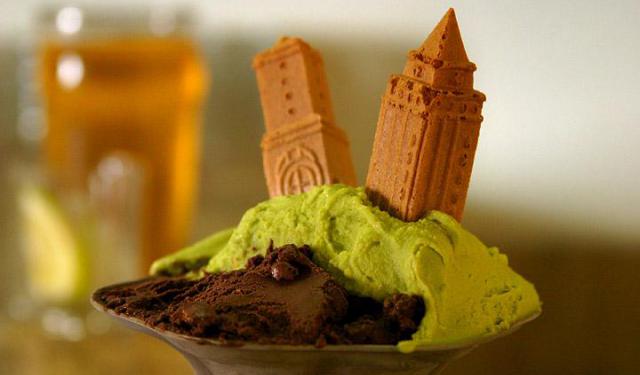
Food Tasting Walking Tour
Whether it’s a long lunch or a stop-off for an ice cream on an evening stroll, eating in Rome is a very social activity. Culinary traditions run deep here, and it may well be one of Italy’s most pleasurable cities in which to eat. Deli shops, prosciutterias, pizzerias, fornos (bakeries) and caffès are also very popular and offer a great alternative to a restaurant meal.
On this... view more
Tour Duration: 2 Hour(s)
Travel Distance: 2.5 Km or 1.6 Miles
On this... view more
Tour Duration: 2 Hour(s)
Travel Distance: 2.5 Km or 1.6 Miles
Useful Travel Guides for Planning Your Trip
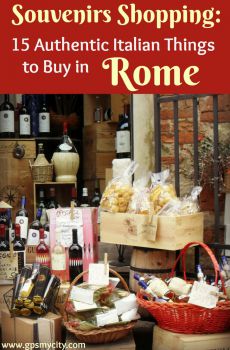
Souvenirs Shopping: 15 Authentic Italian Things To Buy in Rome
Rome is the Eternal City and, as such, the list of gift options available here is countless. Whether it's something edible, drinkable, wearable or pleasing to the eye that you want - you will find it all here in abundance. However, if time or budget is the factor, perhaps you might want to...
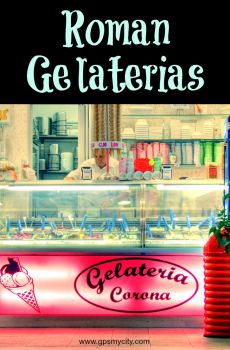
17 Best Gelaterias in Rome Italy
For ice cream lovers and dabblers this guide is a treasure chest of Rome’s best gelato shops. There are gelaterias everywhere. Many visitors to Rome only have a few days to explore the city. You owe it to yourself to make the most of your time and find the gelato locals eat. Often the authentic...
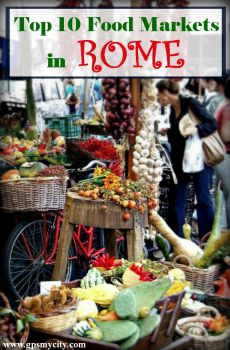
10 Best Food Markets in Rome Italy
Of all the things Italy is most famous for (cars, music, fashion, movies, etc.), food is, undoubtedly, top of the list. Rome may well not be the whole Italy, but no Italy is whole without Rome... And the Romans, much as all their fellow-Italians, like it "fresco", hence the abundance of...
The Most Popular Cities
/ view all