

Audio Guide: Chinatown Walking Tour (Self Guided), Singapore
Chinatown is one of Singapore’s most culturally layered districts, shaped over two centuries by the Chinese community, which today makes up the majority of the local population. Here, history, heritage, and the irresistible smell of good food all try to grab your attention at once.
The story began in 1819, when Stamford Raffles set up Singapore as a trading post and drew up a town plan that neatly sorted ethnic groups into different quarters. The area that evolved into Chinatown soon filled with newcomers from the Fujian and Guangdong provinces of China-men and women chasing opportunity in trade, shipping, and hard labour. They built their own dialect-based enclaves, complete with temples, clan houses, and support networks that helped strangers become neighbours.
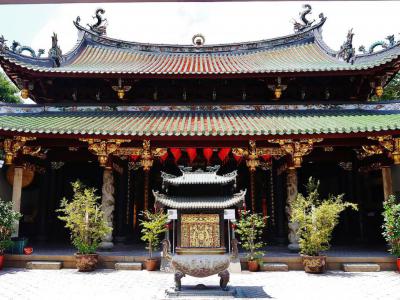
By the mid-19th century, Chinatown had grown into a bustling maze of narrow lanes and shophouses, where commerce thrived, and living conditions didn’t always keep up. Prosperous merchants and cramped “coolie houses” existed side by side, and the district gained a reputation for gambling dens and opium stalls that stayed busy long after sunset. Yet this was also a place where traditions were kept alive. Temples such as Thian Hock Keng, completed in 1842, anchored the community, while clan halls, schools, and charitable societies made sure cultural ties stayed strong.
The early 20th century brought more waves of migration and a busier commercial scene, followed by darker years during the Japanese occupation, when air raids and shortages left deep scars. After Singapore’s independence in 1965, sweeping urban renewal reshaped the neighbourhood. Many residents moved to new housing estates, and by the 1980s and '90s, conservation efforts stepped in to protect Chinatown’s historic shophouses and religious landmarks.
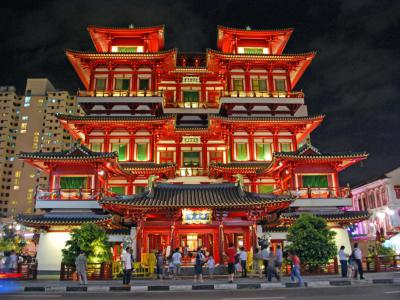
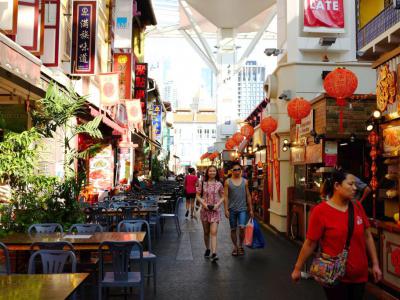
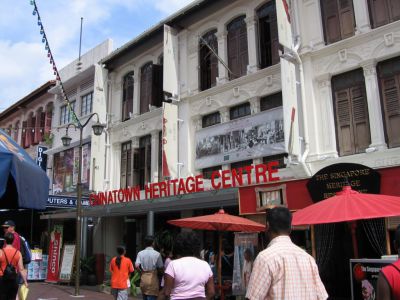
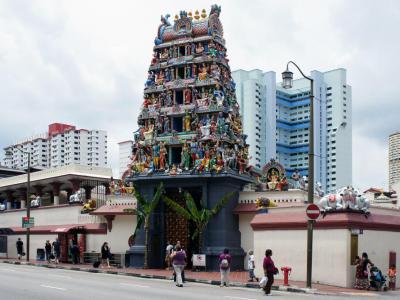
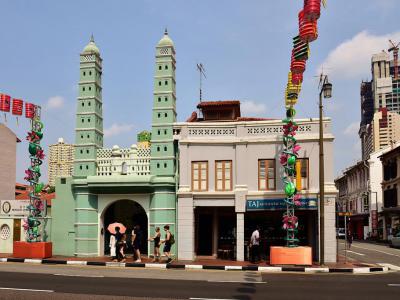
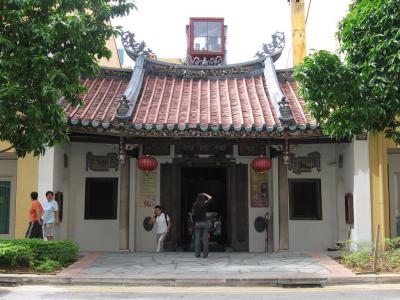
What you see today is a lively blend of past and present. The Buddha Tooth Relic Temple & Museum draws crowds with its sacred relic and ornate architecture. Smith Street-better known as Chinatown Food Street-lays out a menu of classic dishes and street snacks that could tempt even the most disciplined eater. Museums such as the Chinatown Heritage Centre and the Fuk Tak Chi Museum offer glimpses into the struggles and aspirations of early migrants. And just steps away, the Sri Mariamman Temple and Jamae Mosque highlight the area’s long history of cultural coexistence.
In essence, Chinatown is a vivid reminder of how Singapore’s Chinese community helped shape the city-and how their legacy still animates its streets today...
The story began in 1819, when Stamford Raffles set up Singapore as a trading post and drew up a town plan that neatly sorted ethnic groups into different quarters. The area that evolved into Chinatown soon filled with newcomers from the Fujian and Guangdong provinces of China-men and women chasing opportunity in trade, shipping, and hard labour. They built their own dialect-based enclaves, complete with temples, clan houses, and support networks that helped strangers become neighbours.
By the mid-19th century, Chinatown had grown into a bustling maze of narrow lanes and shophouses, where commerce thrived, and living conditions didn’t always keep up. Prosperous merchants and cramped “coolie houses” existed side by side, and the district gained a reputation for gambling dens and opium stalls that stayed busy long after sunset. Yet this was also a place where traditions were kept alive. Temples such as Thian Hock Keng, completed in 1842, anchored the community, while clan halls, schools, and charitable societies made sure cultural ties stayed strong.
The early 20th century brought more waves of migration and a busier commercial scene, followed by darker years during the Japanese occupation, when air raids and shortages left deep scars. After Singapore’s independence in 1965, sweeping urban renewal reshaped the neighbourhood. Many residents moved to new housing estates, and by the 1980s and '90s, conservation efforts stepped in to protect Chinatown’s historic shophouses and religious landmarks.
What you see today is a lively blend of past and present. The Buddha Tooth Relic Temple & Museum draws crowds with its sacred relic and ornate architecture. Smith Street-better known as Chinatown Food Street-lays out a menu of classic dishes and street snacks that could tempt even the most disciplined eater. Museums such as the Chinatown Heritage Centre and the Fuk Tak Chi Museum offer glimpses into the struggles and aspirations of early migrants. And just steps away, the Sri Mariamman Temple and Jamae Mosque highlight the area’s long history of cultural coexistence.
In essence, Chinatown is a vivid reminder of how Singapore’s Chinese community helped shape the city-and how their legacy still animates its streets today...
How it works: Download the app "GPSmyCity: Walks in 1K+ Cities" from Apple App Store or Google Play Store to your mobile phone or tablet. The app turns your mobile device into a personal tour guide and its built-in GPS navigation functions guide you from one tour stop to next. The app works offline, so no data plan is needed when traveling abroad.
Download The GPSmyCity App



Chinatown Walking Tour Map
Guide Name: Chinatown Walking Tour
Guide Location: Singapore » Singapore (See other walking tours in Singapore)
Guide Type: Self-guided Walking Tour (Sightseeing)
Tour Duration: 1 Hour(s)
Travel Distance: 1.4 Km or 0.9 Miles
Guide Location: Singapore » Singapore (See other walking tours in Singapore)
Guide Type: Self-guided Walking Tour (Sightseeing)
Tour Duration: 1 Hour(s)
Travel Distance: 1.4 Km or 0.9 Miles
Sights Featured in This Walk
Walking Tours in Singapore, Singapore

Create Your Own Walk in Singapore
Creating your own self-guided walk in Singapore is easy and fun. Choose the city attractions that you want to see and a walk route map will be created just for you. You can even set your hotel as the start point of the walk.
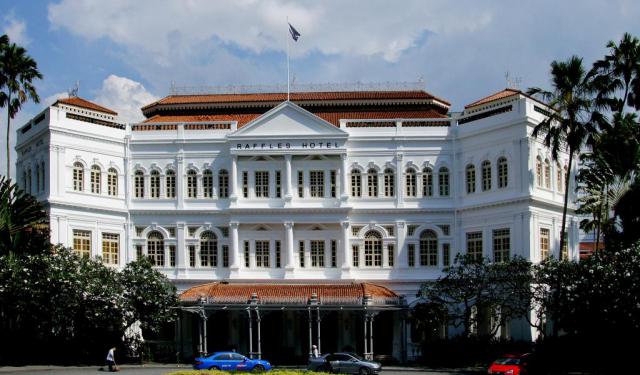
Colonial District Walking Tour
Singapore’s Colonial District, also known as the Civic District, is the birthplace of modern Singapore. From a quiet island to a thriving global city, its transformation began right here.
The story kicked off in 1819, when Sir Stamford Raffles of the British East India Company established a trading post on the strategically positioned island. Recognizing the importance of the Singapore River... view more
Tour Duration: 1 Hour(s)
Travel Distance: 1.7 Km or 1.1 Miles
The story kicked off in 1819, when Sir Stamford Raffles of the British East India Company established a trading post on the strategically positioned island. Recognizing the importance of the Singapore River... view more
Tour Duration: 1 Hour(s)
Travel Distance: 1.7 Km or 1.1 Miles
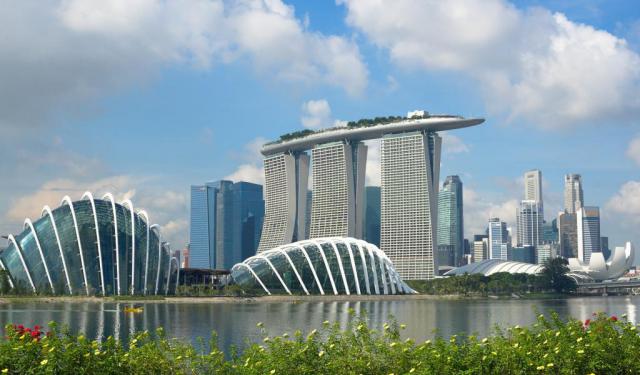
Singapore Introduction Walking Tour
Singapore may well be a tiny nation, sitting on a patch of land in Southeast Asia, but it has mastered the art of making a grand impression. Here, centuries-old temples share the skyline with futuristic glass towers, and you can walk from a quiet shrine to a neon-lit mall in the time it takes to finish an iced coffee. The city’s multicultural spirit-shaped by Chinese, Malay, and Indian... view more
Tour Duration: 2 Hour(s)
Travel Distance: 3.6 Km or 2.2 Miles
Tour Duration: 2 Hour(s)
Travel Distance: 3.6 Km or 2.2 Miles
Useful Travel Guides for Planning Your Trip

Traveler's Guide to Singapore: 15 Souvenirs to Bring Home
Known as one of the Four Asian Tigers (or Dragons), Singapore is a thriving metropolis and one of the most fascinating tourist destinations in Asia. Home to multi-ethnic community, the city carefully preserves and proudly exhibits its colorful identity, manifested - among other forms - in the...
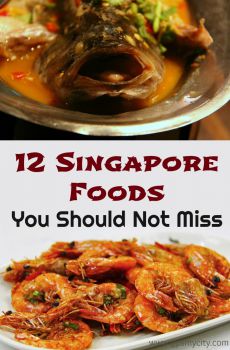
12 Singapore Foods You Should Not Miss
Food is a national passion for Singaporeans. Locals think and talk about food incessantly, often thinking nothing of travelling for miles across the island and queuing for hours just to taste one of their favourite dishes.
Singaporeans abroad will bemoan being parted from their favourite foods,...
The Most Popular Cities
/ view all