

Kamakura Temples Walking Tour (Self Guided), Yokohama
The vicinity of Yokohama abounds in Buddhist temples. Some of them are listed as national heritage. The most significant of them are found in the historic town of Kamakura, renowned for its rich religious scene.
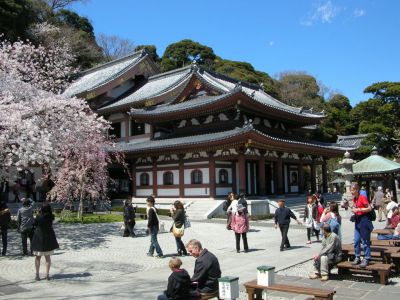
Hase-dera Temple, perched on a hillside, is famous for its beautiful gardens and the towering Kannon statue, representing the goddess of mercy. Visitors can enjoy panoramic views of the city and the ocean from this serene location.
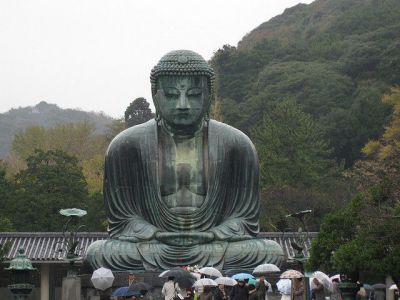
Kōtoku-in Temple, home to the iconic Great Buddha (Daibutsu), is a must-visit. The enormous bronze statue of Buddha is an awe-inspiring sight and a symbol of Kamakura.
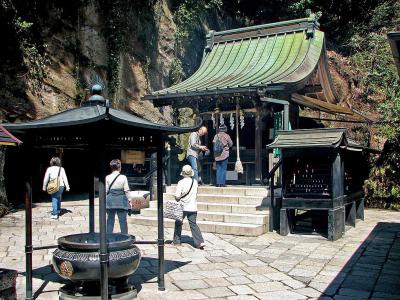
Zeniarai Benzaiten Ugafuku Shrine is a unique place where visitors can participate in a traditional ritual of washing money to make it grow. This shrine is dedicated to Benzaiten, the goddess of wealth and good fortune.
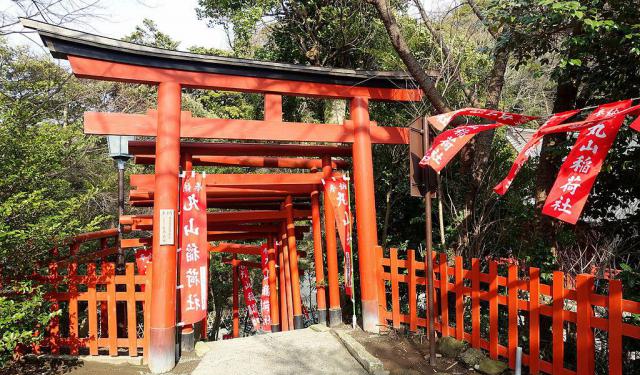
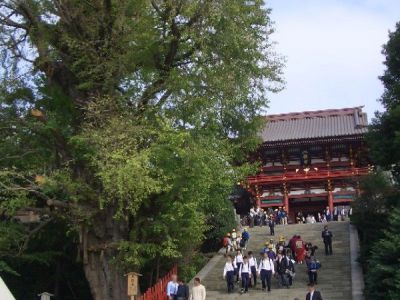
Tsurugaoka Hachimangu Shrine is the spiritual heart of Kamakura. Its grand red torii gate and lush gardens provide a tranquil space for reflection and appreciation of Japanese culture.
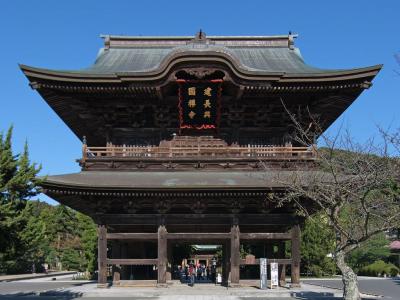
Kenchō-ji Temple, founded in the 13th century, is one of Kamakura's five great Zen sanctuaries. It offers a peaceful atmosphere for meditation and a glimpse into Zen Buddhism's teachings and practices.
Exploring these religious sites allows visitors to reveal the culture, tradition, and beliefs of the East and particularly immerse themselves in Japanese spirituality. So, whenever you're in Yokohama or the nearby area, don't miss the chance to visit Kamakura and experience the moments of serenity amid the beauty of its remarkable temples and shrines.
Hase-dera Temple, perched on a hillside, is famous for its beautiful gardens and the towering Kannon statue, representing the goddess of mercy. Visitors can enjoy panoramic views of the city and the ocean from this serene location.
Kōtoku-in Temple, home to the iconic Great Buddha (Daibutsu), is a must-visit. The enormous bronze statue of Buddha is an awe-inspiring sight and a symbol of Kamakura.
Zeniarai Benzaiten Ugafuku Shrine is a unique place where visitors can participate in a traditional ritual of washing money to make it grow. This shrine is dedicated to Benzaiten, the goddess of wealth and good fortune.
Tsurugaoka Hachimangu Shrine is the spiritual heart of Kamakura. Its grand red torii gate and lush gardens provide a tranquil space for reflection and appreciation of Japanese culture.
Kenchō-ji Temple, founded in the 13th century, is one of Kamakura's five great Zen sanctuaries. It offers a peaceful atmosphere for meditation and a glimpse into Zen Buddhism's teachings and practices.
Exploring these religious sites allows visitors to reveal the culture, tradition, and beliefs of the East and particularly immerse themselves in Japanese spirituality. So, whenever you're in Yokohama or the nearby area, don't miss the chance to visit Kamakura and experience the moments of serenity amid the beauty of its remarkable temples and shrines.
How it works: Download the app "GPSmyCity: Walks in 1K+ Cities" from Apple App Store or Google Play Store to your mobile phone or tablet. The app turns your mobile device into a personal tour guide. For US$14.99 per year (with a 3-day free trial), you get access to walking tours in 630+ cities worldwide for an entire year. In comparison, a guided tour often costs dozens of dollars per person for a single tour. The app works offline, so no data plan is needed when traveling abroad.
Download The GPSmyCity App



Kamakura Temples Walking Tour Map
Guide Name: Kamakura Temples Walking Tour
Guide Location: Japan » Yokohama (See other walking tours in Yokohama)
Guide Type: Self-guided Walking Tour (Sightseeing)
Tour Duration: 2 Hour(s)
Travel Distance: 4.7 Km or 2.9 Miles
Guide Location: Japan » Yokohama (See other walking tours in Yokohama)
Guide Type: Self-guided Walking Tour (Sightseeing)
Tour Duration: 2 Hour(s)
Travel Distance: 4.7 Km or 2.9 Miles
Sights Featured in This Walk
2) Kōtoku-in Temple (must see)
Walking Tours in Yokohama, Japan

Create Your Own Walk in Yokohama
Creating your own self-guided walk in Yokohama is easy and fun. Choose the city attractions that you want to see and a walk route map will be created just for you. You can even set your hotel as the start point of the walk.
Yokohama Introduction Walking Tour
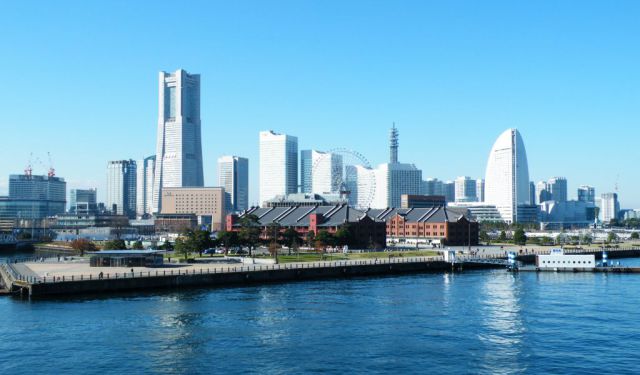
Yokohama is the second-largest city in Japan. Located on Tokyo Bay, the city was once a small fishing port. It became the location of the first foreign trading port in Japan, which led to its rapid expansion. The port was primarily used for transporting silk through the 20th century.
With its long history as an important area for trade and commerce, some of the world's most successful... view more
Tour Duration: 2 Hour(s)
Travel Distance: 3.7 Km or 2.3 Miles
With its long history as an important area for trade and commerce, some of the world's most successful... view more
Tour Duration: 2 Hour(s)
Travel Distance: 3.7 Km or 2.3 Miles
The Most Popular Cities
/ view all