


Cologne's Historical Churches Walking Tour (Self Guided), Cologne
The beautiful and historically rich city of Cologne has been around for over 2,000 years. For centuries, it has been regarded as a very important religious center.
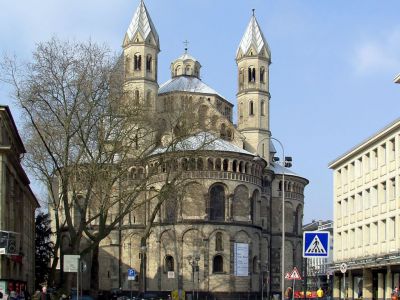
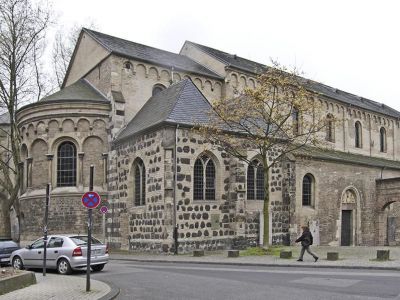
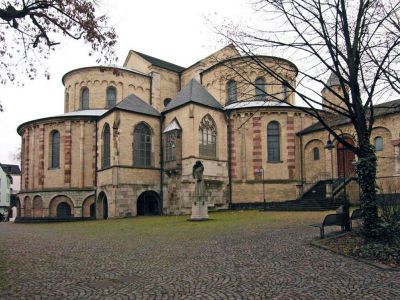
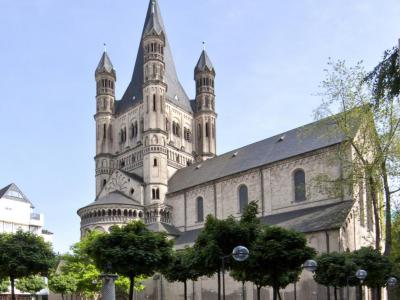
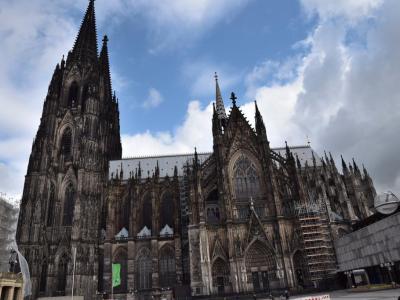
The Kölner Dom (Cologne Cathedral), one of its biggest attractions, is renowned as a symbol of Christianity and “a masterpiece of exceptional intrinsic value” (UNESCO World Heritage Site). The twelve Romanesque churches of Cologne are twelve distinguished landmarks set in a semi-circle around the Old Town (Altstadt) – without parallel anywhere else in the world. Among the top examples of these cultural monuments is Groß St. Martin (Great St. Martin's Church) whose distinctive crossing tower has shaped the skyline of the Old Town since the Middle Ages.
Other prominent historical churches include:
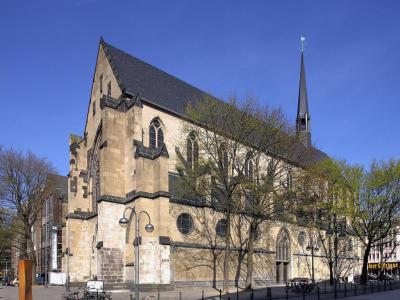
Basilika St. Aposteln (Basilica of the Holy Apostles) – built into the core of the city circa 1000 AD;
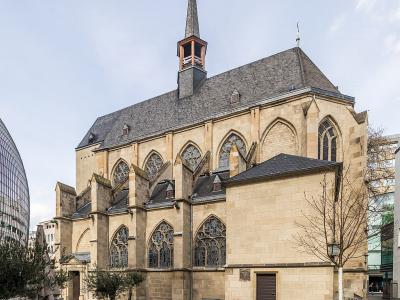
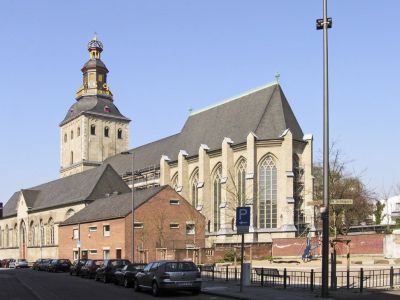
St. Cäcilien (St. Cecilia's Church) – one of the oldest churches in Cologne, now home to the Schnütgen Museum of Medieval Art, filled with exclusive textiles and enticing stained-glass windows dating back several centuries;
Basilica Church of St. Ursula – named after the legendary Princess Ursula who was martyred along with 11,000 other virgins; built upon their grave, this church containing relics of the virgins in a special section called the ‘Golden Chamber’.
For a closer look at these and other remarkable churches in the Catholic stronghold of Cologne, take this self-guided walking tour.
The Kölner Dom (Cologne Cathedral), one of its biggest attractions, is renowned as a symbol of Christianity and “a masterpiece of exceptional intrinsic value” (UNESCO World Heritage Site). The twelve Romanesque churches of Cologne are twelve distinguished landmarks set in a semi-circle around the Old Town (Altstadt) – without parallel anywhere else in the world. Among the top examples of these cultural monuments is Groß St. Martin (Great St. Martin's Church) whose distinctive crossing tower has shaped the skyline of the Old Town since the Middle Ages.
Other prominent historical churches include:
Basilika St. Aposteln (Basilica of the Holy Apostles) – built into the core of the city circa 1000 AD;
St. Cäcilien (St. Cecilia's Church) – one of the oldest churches in Cologne, now home to the Schnütgen Museum of Medieval Art, filled with exclusive textiles and enticing stained-glass windows dating back several centuries;
Basilica Church of St. Ursula – named after the legendary Princess Ursula who was martyred along with 11,000 other virgins; built upon their grave, this church containing relics of the virgins in a special section called the ‘Golden Chamber’.
For a closer look at these and other remarkable churches in the Catholic stronghold of Cologne, take this self-guided walking tour.
How it works: Download the app "GPSmyCity: Walks in 1K+ Cities" from Apple App Store or Google Play Store to your mobile phone or tablet. The app turns your mobile device into a personal tour guide and its built-in GPS navigation functions guide you from one tour stop to next. The app works offline, so no data plan is needed when traveling abroad.
Download The GPSmyCity App



Cologne's Historical Churches Walking Tour Map
Guide Name: Cologne's Historical Churches Walking Tour
Guide Location: Germany » Cologne (See other walking tours in Cologne)
Guide Type: Self-guided Walking Tour (Sightseeing)
Tour Duration: 2 Hour(s)
Travel Distance: 3.9 Km or 2.4 Miles
Guide Location: Germany » Cologne (See other walking tours in Cologne)
Guide Type: Self-guided Walking Tour (Sightseeing)
Tour Duration: 2 Hour(s)
Travel Distance: 3.9 Km or 2.4 Miles
Sights Featured in This Walk
Walking Tours in Cologne, Germany

Create Your Own Walk in Cologne
Creating your own self-guided walk in Cologne is easy and fun. Choose the city attractions that you want to see and a walk route map will be created just for you. You can even set your hotel as the start point of the walk.

Cologne's Architectural Landmarks Walking Tour
Around 75% of Cologne was destroyed by Allied bombing during World War II. Following such devastation, it meant that most of what was built immediately after the war came from the so-called “As quickly and cheaply as possible” school of architecture. Eventually, as the things settled, the architects were given the chance to build something that would really stand out.
Decades later, the... view more
Tour Duration: 2 Hour(s)
Travel Distance: 3.4 Km or 2.1 Miles
Decades later, the... view more
Tour Duration: 2 Hour(s)
Travel Distance: 3.4 Km or 2.1 Miles

Cologne Shopping Tour
Calling the shops, whilst in Cologne, is the thing you definitely should not miss! One of the most popular shopping destinations in Germany, this “cathedral” city abounds in malls, designer stores and various national and international brand outlets fit to impress anyone and let you shop till you drop! Some people even make special trips to Cologne just to stroll and buy things to their... view more
Tour Duration: 1 Hour(s)
Travel Distance: 1.5 Km or 0.9 Miles
Tour Duration: 1 Hour(s)
Travel Distance: 1.5 Km or 0.9 Miles

Cologne Old Town Walking Tour
Cologne-one of Germany’s oldest cities, whose name sounds like a perfume, and for a good reason... With over 2,000 years of history packed into its cobblestoned streets and riverside promenades, this city has seen it all-from Roman emperors to French invaders to enthusiastic beer drinkers in the 21st century.
Back in the first century BC, the Romans set up a camp and called it Colonia Claudia... view more
Tour Duration: 2 Hour(s)
Travel Distance: 4.1 Km or 2.5 Miles
Back in the first century BC, the Romans set up a camp and called it Colonia Claudia... view more
Tour Duration: 2 Hour(s)
Travel Distance: 4.1 Km or 2.5 Miles

Beer House Walking Tour
In Cologne they say, "Kölsch is the only language you can drink." Brewed only here and nowhere else, Kölsch – a light beer, slightly bitter, bright yellow in color, and made of top-fermented yeast – is forbidden for production in any other part of Germany.
Each licensed brewery in the city makes its own variation of Kölsch, served traditionally in a tall, thin, cylindrical... view more
Tour Duration: 1 Hour(s)
Travel Distance: 1.8 Km or 1.1 Miles
Each licensed brewery in the city makes its own variation of Kölsch, served traditionally in a tall, thin, cylindrical... view more
Tour Duration: 1 Hour(s)
Travel Distance: 1.8 Km or 1.1 Miles
The Most Popular Cities
/ view all