


Colleges of Cambridge University (Self Guided), Cambridge
The University of Cambridge, England's second oldest learning institution, has made Cambridge famous worldwide. The collegiate university is made up of 31 self-governing and independent colleges whose grounds, apart from having been blessed with world-renowned alumni, are also beautifully decorated with lush lawns and terrific Gothic architecture.
Each of these colleges has its unique character and traditions, making Cambridge a truly diverse and intellectually vibrant place. On this tour, we'll explore some of them.
Trinity College, one of the largest and wealthiest in Cambridge, was founded in 1546. Its Great Court is a famous architectural marvel, and its notable alumni include Sir Isaac Newton and King Charles III.
Gonville and Caius College, often referred to simply as "Caius," was established in 1348 and is known for its science and medical programs, as well as a grand library.
King's College, founded in 1441, is renowned for its beautiful chapel, which hosts the famous Festival of Nine Lessons and Carols every Christmas Eve.
Saint Catharine's College, nicknamed “Catz”, has been in place since 1473. It has among its alumni the likes of actor Sir Ian McKellen (the one who played Gandalf, the wizard, in The Lord of the Rings).
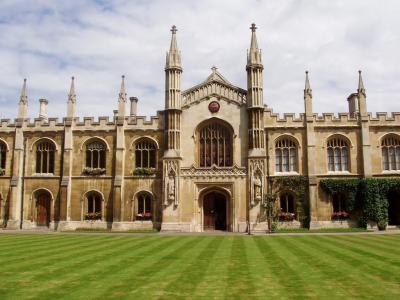
Corpus Christi College, sometimes shortened to "Corpus", was founded in 1352 and it ranks among the wealthiest Cambridge colleges in terms of fixed assets (particularly silver).
Pembroke College, founded in 1347, is one of the university's larger colleges, with buildings from almost every century since its founding, as well as extensive gardens.
Peterhouse is the oldest college in Cambridge, founded in 1284. It is known for its academic excellence and historic dining hall.
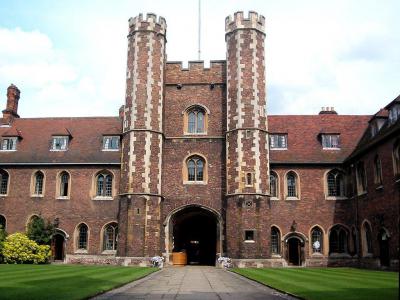
Queens' College, founded in 1448, has a stunning riverside location along the Cam River and a beautiful Mathematical Bridge.
Finally, Darwin College, established in 1964, is a relatively newer college and is known for its postgraduate and research programs.
Given the opportunity, we encourage you to explore these distinguished institutions, each with its charm and contributions to the world of academia. Discover the intellectual treasures and the beauty of Cambridge's colleges and experience the legacy of knowledge they represent.
Each of these colleges has its unique character and traditions, making Cambridge a truly diverse and intellectually vibrant place. On this tour, we'll explore some of them.
Trinity College, one of the largest and wealthiest in Cambridge, was founded in 1546. Its Great Court is a famous architectural marvel, and its notable alumni include Sir Isaac Newton and King Charles III.
Gonville and Caius College, often referred to simply as "Caius," was established in 1348 and is known for its science and medical programs, as well as a grand library.
King's College, founded in 1441, is renowned for its beautiful chapel, which hosts the famous Festival of Nine Lessons and Carols every Christmas Eve.
Saint Catharine's College, nicknamed “Catz”, has been in place since 1473. It has among its alumni the likes of actor Sir Ian McKellen (the one who played Gandalf, the wizard, in The Lord of the Rings).
Corpus Christi College, sometimes shortened to "Corpus", was founded in 1352 and it ranks among the wealthiest Cambridge colleges in terms of fixed assets (particularly silver).
Pembroke College, founded in 1347, is one of the university's larger colleges, with buildings from almost every century since its founding, as well as extensive gardens.
Peterhouse is the oldest college in Cambridge, founded in 1284. It is known for its academic excellence and historic dining hall.
Queens' College, founded in 1448, has a stunning riverside location along the Cam River and a beautiful Mathematical Bridge.
Finally, Darwin College, established in 1964, is a relatively newer college and is known for its postgraduate and research programs.
Given the opportunity, we encourage you to explore these distinguished institutions, each with its charm and contributions to the world of academia. Discover the intellectual treasures and the beauty of Cambridge's colleges and experience the legacy of knowledge they represent.
How it works: Download the app "GPSmyCity: Walks in 1K+ Cities" from Apple App Store or Google Play Store to your mobile phone or tablet. The app turns your mobile device into a personal tour guide and its built-in GPS navigation functions guide you from one tour stop to next. The app works offline, so no data plan is needed when traveling abroad.
Download The GPSmyCity App



Colleges of Cambridge University Map
Guide Name: Colleges of Cambridge University
Guide Location: England » Cambridge (See other walking tours in Cambridge)
Guide Type: Self-guided Walking Tour (Sightseeing)
Tour Duration: 1 Hour(s)
Travel Distance: 1.1 Km or 0.7 Miles
Guide Location: England » Cambridge (See other walking tours in Cambridge)
Guide Type: Self-guided Walking Tour (Sightseeing)
Tour Duration: 1 Hour(s)
Travel Distance: 1.1 Km or 0.7 Miles
Sights Featured in This Walk
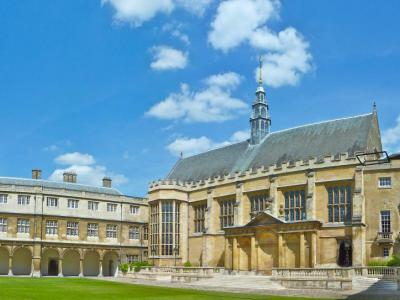
1) Trinity College (must see)

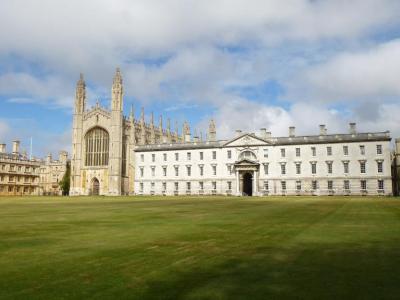
3) King's College (must see)




Walking Tours in Cambridge, England

Create Your Own Walk in Cambridge
Creating your own self-guided walk in Cambridge is easy and fun. Choose the city attractions that you want to see and a walk route map will be created just for you. You can even set your hotel as the start point of the walk.

Cambridge Introduction Walking Tour
Set along the banks of the River Cam in one of the picturesque eastern shires of England, Cambridge is a place that exudes an air of academic excellence and historical charm. For those not particularly well-versed in the annals of English history, Cambridge holds a prominent spot as one of the country's most esteemed academic hubs. The University of Cambridge consistently ranks among the... view more
Tour Duration: 2 Hour(s)
Travel Distance: 1.8 Km or 1.1 Miles
Tour Duration: 2 Hour(s)
Travel Distance: 1.8 Km or 1.1 Miles

Historical Religious Buildings
Renowned for its academic excellence, Cambridge is also steeped in religious history. It has quite a few churches dating back hundreds of years, some even predating the Anglican Church itself. These historical sanctuaries have stood the test of time and today offer a glimpse into the city's religious and architectural heritage.
Great Saint Mary's Church, a stunning example of English... view more
Tour Duration: 1 Hour(s)
Travel Distance: 1.3 Km or 0.8 Miles
Great Saint Mary's Church, a stunning example of English... view more
Tour Duration: 1 Hour(s)
Travel Distance: 1.3 Km or 0.8 Miles
The Most Popular Cities
/ view all