

The French Revolution Landmarks Walking Tour (Self Guided), Paris
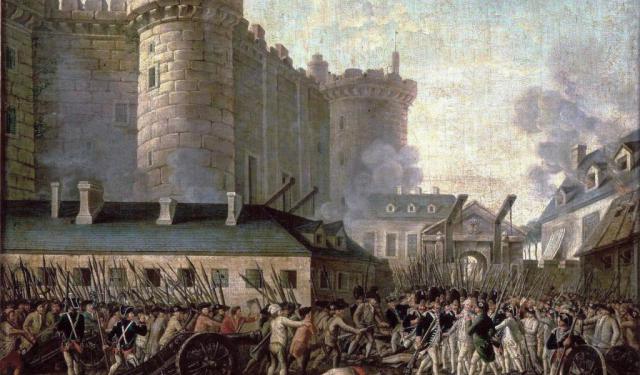
The French Revolution had a huge impact on France's history as it gave rise to a radical democratic republic and resulted in quite a bit of violence during the infamous "Reign of Terror". Even though many of Paris’ buildings were damaged in the course of the bloody conflicts, the sites they occupied - which you can find on this self-guided tour - are of a great historical value today.
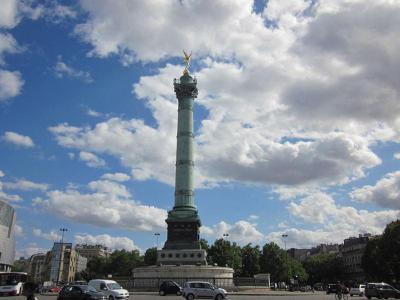
Lots of lives were lost during the Revolution, and some locals argue that the recently renovated Place de la Bastille monument - built on top of a forbidding state prison that was stormed and then levelled by the people in the name of liberty - represents the need of build a more peaceful society.
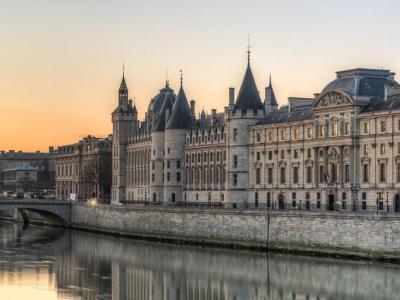
Certainly, the Conciergerie is an interesting building with quite a long, dark and intriguing history of its own. Dating to the early Middle Ages, it was part of the Palais de la Cité, but became rather infamous during the Revolution, serving as a place of imprisonment and execution. Its location on the waterfront, however, gives the impression of an enchanted castle with towers and spires.
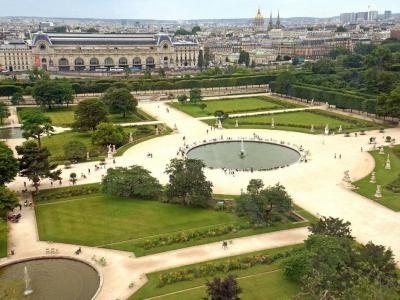
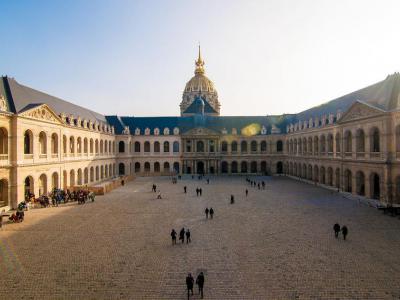
You will also get to see the Tuileries Gardens - designed by the same architect who landscaped those of Versailles, as well as Les Invalides, which played a crucial role in the Revolution as the rioters stole the cannons and muskets stored in its cellars to use for storming the Bastille.
Follow our self-guided walking tour to appreciate the major landmarks during this tumultuous period in French history!
Lots of lives were lost during the Revolution, and some locals argue that the recently renovated Place de la Bastille monument - built on top of a forbidding state prison that was stormed and then levelled by the people in the name of liberty - represents the need of build a more peaceful society.
Certainly, the Conciergerie is an interesting building with quite a long, dark and intriguing history of its own. Dating to the early Middle Ages, it was part of the Palais de la Cité, but became rather infamous during the Revolution, serving as a place of imprisonment and execution. Its location on the waterfront, however, gives the impression of an enchanted castle with towers and spires.
You will also get to see the Tuileries Gardens - designed by the same architect who landscaped those of Versailles, as well as Les Invalides, which played a crucial role in the Revolution as the rioters stole the cannons and muskets stored in its cellars to use for storming the Bastille.
Follow our self-guided walking tour to appreciate the major landmarks during this tumultuous period in French history!
How it works: Download the app "GPSmyCity: Walks in 1K+ Cities" from Apple App Store or Google Play Store to your mobile phone or tablet. The app turns your mobile device into a personal tour guide and its built-in GPS navigation functions guide you from one tour stop to next. The app works offline, so no data plan is needed when traveling abroad.
Download The GPSmyCity App



The French Revolution Landmarks Walking Tour Map
Guide Name: The French Revolution Landmarks Walking Tour
Guide Location: France » Paris (See other walking tours in Paris)
Guide Type: Self-guided Walking Tour (Sightseeing)
Tour Duration: 3 Hours
Travel Distance: 7.3 Km or 4.5 Miles
Tour Best Suited For: In-depth exploration
Guide Location: France » Paris (See other walking tours in Paris)
Guide Type: Self-guided Walking Tour (Sightseeing)
Tour Duration: 3 Hours
Travel Distance: 7.3 Km or 4.5 Miles
Tour Best Suited For: In-depth exploration
Sights Featured in This Walk


Walking Tours in Paris, France

Create Your Own Walk in Paris
Creating your own self-guided walk in Paris is easy and fun. Choose the city attractions that you want to see and a walk route map will be created just for you. You can even set your hotel as the start point of the walk.
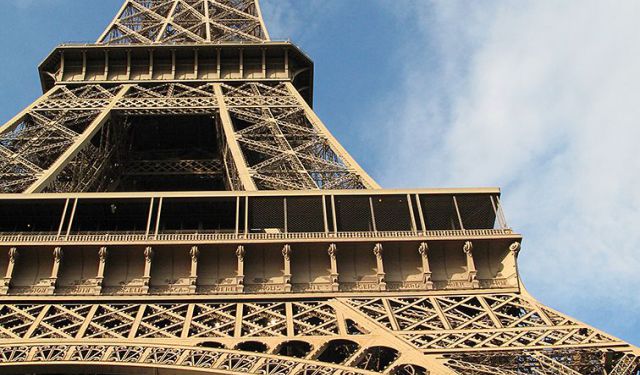
Eiffel Tower Walking Tour
The 7th administrative district of Paris, a beacon of affluence and prestige, hosts an elite residential community and numerous national institutions of France, government offices, and diplomatic missions. This historical neighborhood is famed for its quintessentially Parisian architecture, vibrant cafés, restaurants, and gourmet shops that attract food enthusiasts from around the world.... view more
Tour Duration: 2 Hours
Travel Distance: 4.6 Km or 2.9 Miles
Tour Duration: 2 Hours
Travel Distance: 4.6 Km or 2.9 Miles

Souvenirs Shopping Walk
Being one of the world's premier shopping destinations, the French capital attracts thousands of shopaholics every year. Even those who hate shopping, enjoy doing it here. Renowned for its luxury and sophistication, Paris is a great place for finding unique and elegant souvenirs to cherish. Here are some must-visit places for souvenir shopping in the City of Light.
Lafayette Galleries... view more
Tour Duration: 2 Hours
Travel Distance: 5 Km or 3.1 Miles
Lafayette Galleries... view more
Tour Duration: 2 Hours
Travel Distance: 5 Km or 3.1 Miles
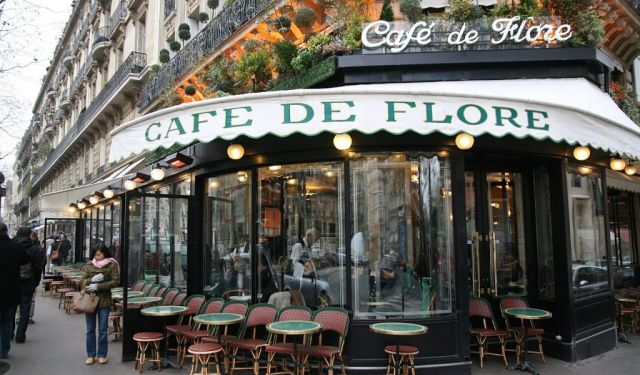
Paris Food Tour
French writer Jean Anthelme Brillat-Savarin, known as the father of modern gastronomy famously said "Tell me what you eat, and I will tell you what you are.'' Well, in Paris you are definitely lucky, as here, the food scene has a lot to offer.
Paris’s food culture developed gradually, shaped as much by social change as by culinary innovation. In the Middle Ages, eating outside... view more
Tour Duration: 1 Hour
Travel Distance: 1.5 Km or 0.9 Miles
Paris’s food culture developed gradually, shaped as much by social change as by culinary innovation. In the Middle Ages, eating outside... view more
Tour Duration: 1 Hour
Travel Distance: 1.5 Km or 0.9 Miles

Latin Quarter Walking Tour
The Latin Quarter of Paris, nestled on the Left Bank of the Seine, is a district steeped in academic history and artistic fervor, resonating with the echoes of scholarly discourse and bohemian lifestyle. This venerable area derives its name from the early use of Latin as the lingua franca in the universities, a tradition spearheaded by the Sorbonne University. This institution has shaped... view more
Tour Duration: 2 Hours
Travel Distance: 2.5 Km or 1.6 Miles
Tour Duration: 2 Hours
Travel Distance: 2.5 Km or 1.6 Miles
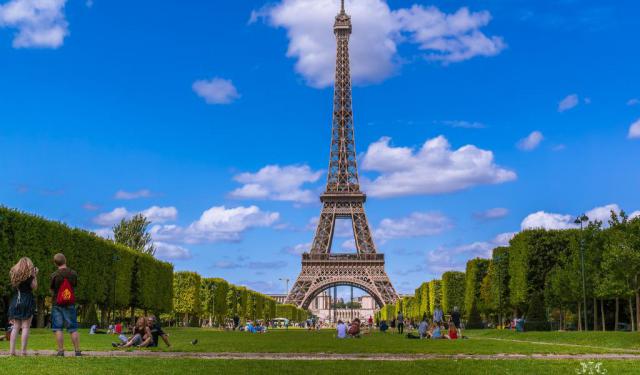
Paris Introduction Walking Tour I
Paris, the capital of France, has a history spanning over 2,000 years back to the Iron Age. The name “Paris” comes from the Parisii, a Gallic tribe that settled on the bank of the river Seine around the 3rd century BC. Having conquered the Galls, the Romans established on their land a garrison town known as Lutetia. By the end of the 5th century AD, it fell to the Franks and flourished under... view more
Tour Duration: 2 Hours
Travel Distance: 5.1 Km or 3.2 Miles
Tour Duration: 2 Hours
Travel Distance: 5.1 Km or 3.2 Miles
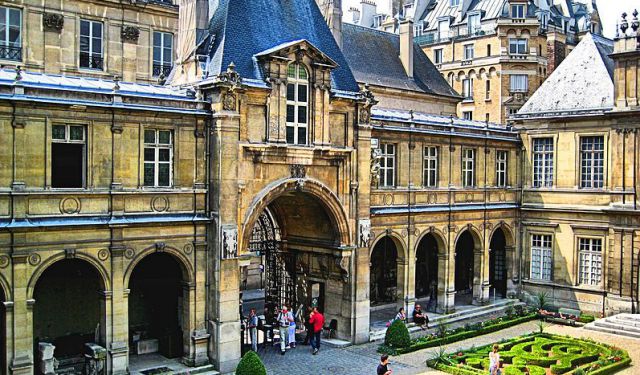
Le Marais Walking Tour
Once a bourgeois area and still a major center of the Paris Jewish community, the Le Marais district is one of the hippest neighborhoods in the city. Boasting a wealth of narrow medieval streets, unique boutiques, and quirky establishments, it represents an eclectic blend of historical sites and the bustling energy of today.
Start your acquaintance with the area at Paris's City Hall - a... view more
Tour Duration: 1 Hour
Travel Distance: 2.4 Km or 1.5 Miles
Start your acquaintance with the area at Paris's City Hall - a... view more
Tour Duration: 1 Hour
Travel Distance: 2.4 Km or 1.5 Miles
Useful Travel Guides for Planning Your Trip
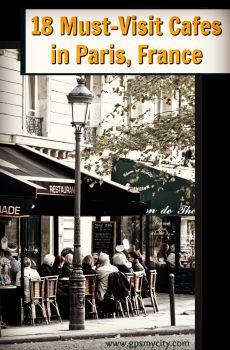
13 Must-Visit Cafes in Paris, France
Paris is home to thousands of cafes; there is a café on practically every street corner you turn, in every square you stumble across, on every boulevard you stroll along. The age-old Parisian tradition of sitting around at rickety tables and shooting back espressos is a fundamental part of everyday...

Top 16 Vegetarian Restaurants in Paris
The French have great respect for the fresh, organic produce yet France isn’t famous for its vegetarian cooking. Hence it’s a good idea for vegetarian visitors to Paris to come prepared in advance. This guide shows you places around the city which serve vegetarian food, complete with the...
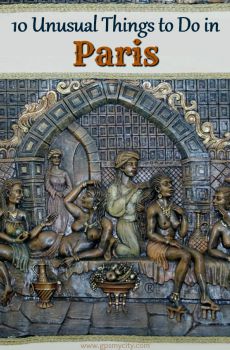
10 Unusual Things to Do in Paris, France
If you've visited Paris, you've probably seen the Eiffel Tower, Notre Dame, and Versailles. You probably whizzed through some world-class art, ate delicious food in restaurants with English menus, and bought crepes from a street cart. However, Paris has a lot of things to do that...
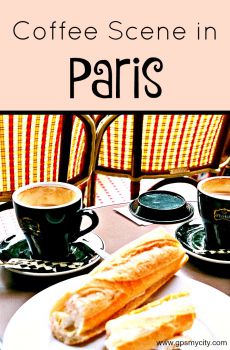
8 Must Try Cafes in Paris
Discovering the best coffee and cafes in Paris can be difficult. The city is filled to the brim with brasseries and cafes, but very few offer the Anglophone standard of a good cup of coffee. This is a guide to inform tourists and Parisians alike of the new and somewhat established cafes in Paris...
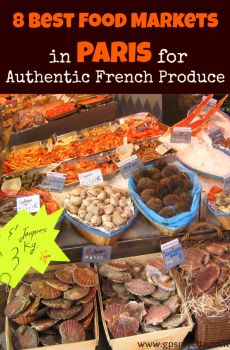
8 Best Food Markets in Paris for Authentic French Produce
The image of Parisians that you may have in your head as strolling through a colourful market with a basket on their arm, chatting to vendors and picking up fresh produce, is quite accurate. Most Parisians do visit local markets at least once a week to stock up on the freshest fruit, vegetables,...

Paris Souvenirs: 19 Distinctively French Products to Bring Home from Paris
You can hardly have enough money and luggage space to get all the takes your fancy in Paris. Luckily, with a little bit of tasteful advice and experience, you can save yourself some time and effort and pick up just about the right amount of things worth taking home. Listed here are some of the hints...
City Walks Overview
