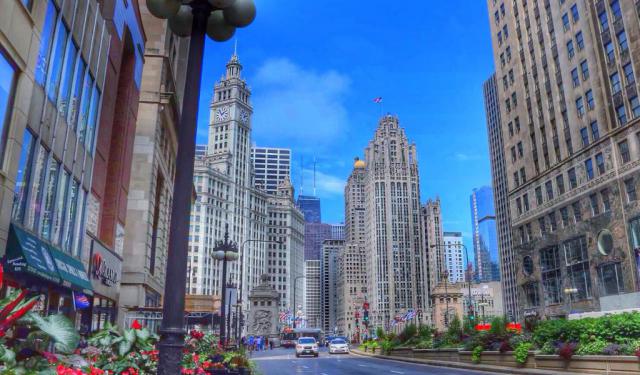


The Magnificent Mile Walking Tour (Self Guided), Chicago
The stretch of Michigan Avenue from the Chicago River to Lake Shore Drive, otherwise known as the Magnificent Mile, is regarded as one of the world’s great avenues – or Chicago’s version of Fifth Avenue. Take this self-guided walk to explore its whole stretch and surrounding area, featuring a wide selection of amazing stores/malls, world-known museums, restaurants and spectacular architecture.
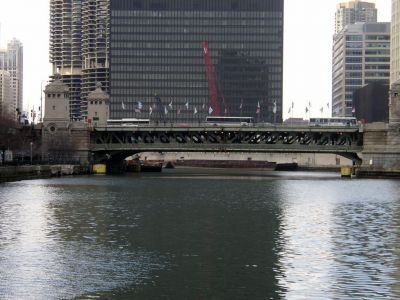
Begin at Michigan Avenue Bridge by taking the bridge steps up to the street and looking across the river to see the Wrigley Building. The tower is best admired from outside, where you can take in the French Renaissance-style architecture and magnificent clock tower.
Afterwards, admire the giant Abraham Lincoln statue at the nearby Tribune Tower’s entrance, and look closely at the relief pieces on the lower level. Many rocks and materials from famous buildings around the world have been laid into the brick.
For a fun throwback blast from the past, visit the Original Billy Goat Tavern – so fun that it’s below street level! Beer is in cold frosty glasses, burgers hits the spot, and you’ll love the old-school diner vibe.
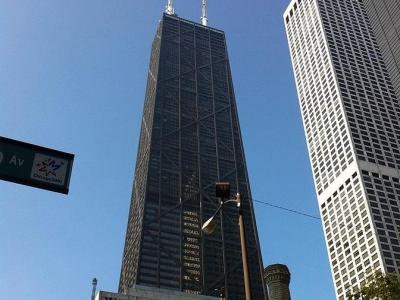
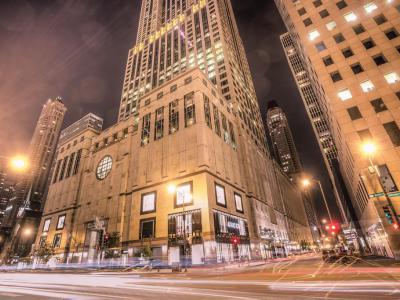
Walking further along the Magnificent Mile means passing alongside several other iconic buildings such as the super stylish and historic InterContinental Hotel, the second-oldest water tower in the U.S. (built in 1869), and the John Hancock Center with its popular ‘360 Chicago’ experience.
Don’t miss the three main department stores (900 North Michigan Shops, Water Tower Place, and the shops at Westfield North Bridge), as well as the many cultural diversions along the way, topped by the scenic Oak Street Beach at the end of the route.
For an excellent day out on and around the Magnificent Mile, follow our self-guided walking tour!
Begin at Michigan Avenue Bridge by taking the bridge steps up to the street and looking across the river to see the Wrigley Building. The tower is best admired from outside, where you can take in the French Renaissance-style architecture and magnificent clock tower.
Afterwards, admire the giant Abraham Lincoln statue at the nearby Tribune Tower’s entrance, and look closely at the relief pieces on the lower level. Many rocks and materials from famous buildings around the world have been laid into the brick.
For a fun throwback blast from the past, visit the Original Billy Goat Tavern – so fun that it’s below street level! Beer is in cold frosty glasses, burgers hits the spot, and you’ll love the old-school diner vibe.
Walking further along the Magnificent Mile means passing alongside several other iconic buildings such as the super stylish and historic InterContinental Hotel, the second-oldest water tower in the U.S. (built in 1869), and the John Hancock Center with its popular ‘360 Chicago’ experience.
Don’t miss the three main department stores (900 North Michigan Shops, Water Tower Place, and the shops at Westfield North Bridge), as well as the many cultural diversions along the way, topped by the scenic Oak Street Beach at the end of the route.
For an excellent day out on and around the Magnificent Mile, follow our self-guided walking tour!
How it works: Download the app "GPSmyCity: Walks in 1K+ Cities" from Apple App Store or Google Play Store to your mobile phone or tablet. The app turns your mobile device into a personal tour guide and its built-in GPS navigation functions guide you from one tour stop to next. The app works offline, so no data plan is needed when traveling abroad.
Download The GPSmyCity App



The Magnificent Mile Walking Tour Map
Guide Name: The Magnificent Mile Walking Tour
Guide Location: USA » Chicago (See other walking tours in Chicago)
Guide Type: Self-guided Walking Tour (Sightseeing)
Tour Duration: 3 Hour(s)
Travel Distance: 4.0 Km or 2.5 Miles
Guide Location: USA » Chicago (See other walking tours in Chicago)
Guide Type: Self-guided Walking Tour (Sightseeing)
Tour Duration: 3 Hour(s)
Travel Distance: 4.0 Km or 2.5 Miles
Sights Featured in This Walk







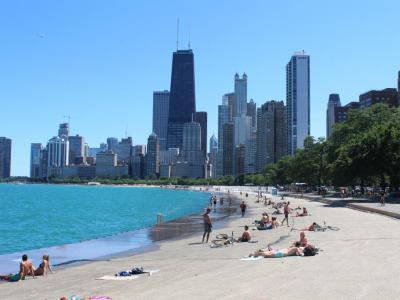
Walking Tours in Chicago, Illinois

Create Your Own Walk in Chicago
Creating your own self-guided walk in Chicago is easy and fun. Choose the city attractions that you want to see and a walk route map will be created just for you. You can even set your hotel as the start point of the walk.
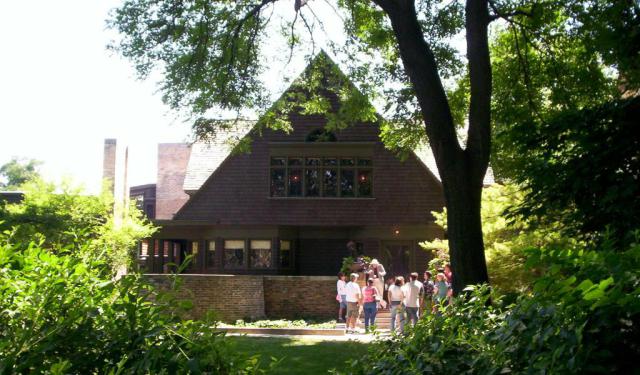
Frank Lloyd Wright Architecture Tour in Oak Park
Oak Park, located in Cook County, Illinois, just outside Chicago, made history in 1889 when Frank Lloyd Wright, one of America's most renowned architects, and his wife settled there, leaving a profound impact on the area's appearance. This village boasts the highest concentration of Wright-crafted buildings in the world - over a dozen! - making it a pivotal destination for enthusiasts to... view more
Tour Duration: 2 Hour(s)
Travel Distance: 3.2 Km or 2 Miles
Tour Duration: 2 Hour(s)
Travel Distance: 3.2 Km or 2 Miles
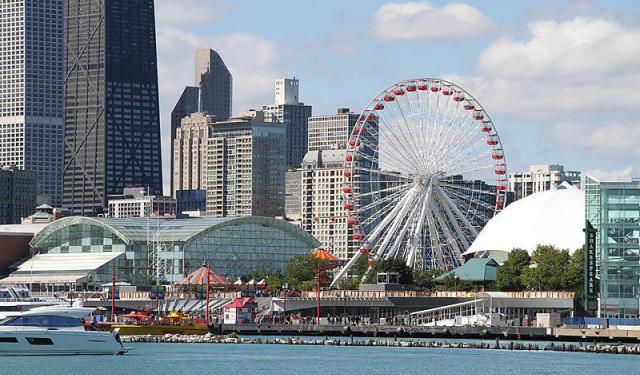
Chicago Navy Pier Walking Tour
Additional to scenic views of the lake, the boats, and the city skyline, the Navy Pier offers a variety of attractions on the waterfront – for kids as well as adults – that draw nearly ten million people annually, making this Chicago's most visited spot. Yes, some may see it as a “tourist trap”, but it is worth the time and money to spend some time here, so take this self-guided walk... view more
Tour Duration: 1 Hour(s)
Travel Distance: 1.0 Km or 0.6 Miles
Tour Duration: 1 Hour(s)
Travel Distance: 1.0 Km or 0.6 Miles
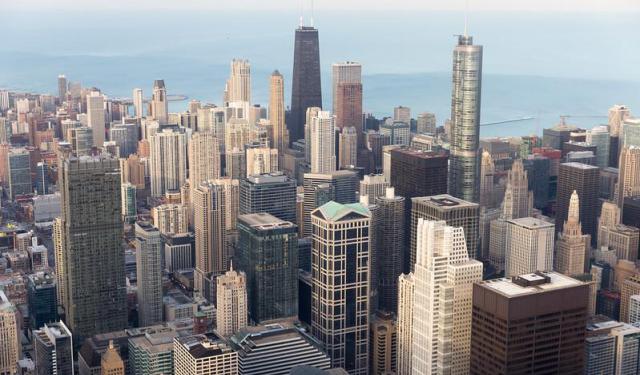
Loop District Architecture Walking Tour
The Chicago Loop District-essentially the city’s historic downtown-has long been a stage for architectural innovation and an open-air museum of American architecture.
The construction boom started after the Great Chicago Fire of 1871, which destroyed much of the central business district, gave architects a blank canvas to rebuild the city from the ground up. What followed was a surge of... view more
Tour Duration: 3 Hour(s)
Travel Distance: 4.7 Km or 2.9 Miles
The construction boom started after the Great Chicago Fire of 1871, which destroyed much of the central business district, gave architects a blank canvas to rebuild the city from the ground up. What followed was a surge of... view more
Tour Duration: 3 Hour(s)
Travel Distance: 4.7 Km or 2.9 Miles
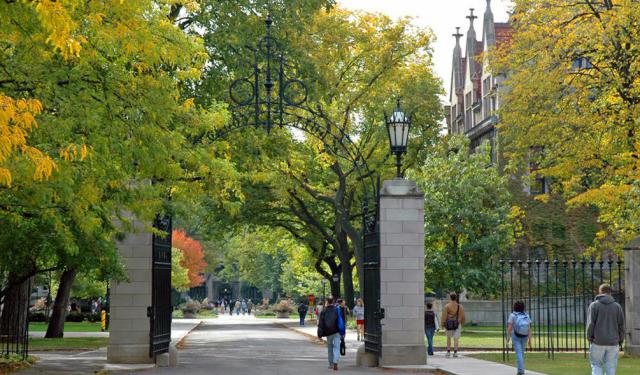
University of Chicago Walking Tour
Founded in 1890, the University of Chicago is among the world’s most prestigious educational institutions. As of 2020, the University’s students, faculty and staff have included 100 Nobel laureates, giving it the fourth-most affiliated Nobel laureates of any university.
Set in the heart of Chicago’s famous eclectic neighborhood, Hyde Park, the campus is worth a visit as it offers a... view more
Tour Duration: 2 Hour(s)
Travel Distance: 2.5 Km or 1.6 Miles
Set in the heart of Chicago’s famous eclectic neighborhood, Hyde Park, the campus is worth a visit as it offers a... view more
Tour Duration: 2 Hour(s)
Travel Distance: 2.5 Km or 1.6 Miles
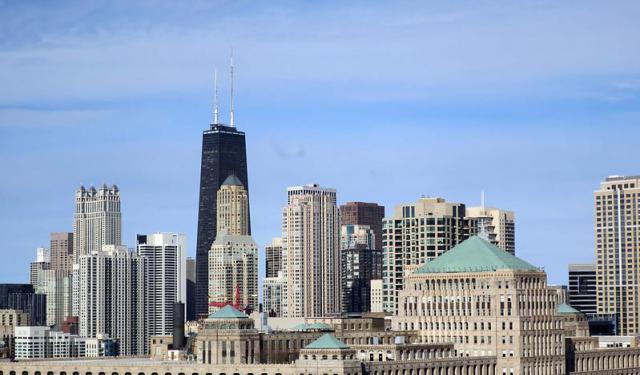
Chicago Introduction Walking Tour
Chicago, perched on the shores of Lake Michigan in Illinois, is a city steeped in history and urban vibrancy. Known by numerous nicknames such as the Windy City and the City of Big Shoulders, it boasts a skyline marked by towering structures. The area of today's Chicago, initially inhabited by Native American tribes, saw its first European-settled reference as "Chicagou" in 1679, a... view more
Tour Duration: 2 Hour(s)
Travel Distance: 3.9 Km or 2.4 Miles
Tour Duration: 2 Hour(s)
Travel Distance: 3.9 Km or 2.4 Miles
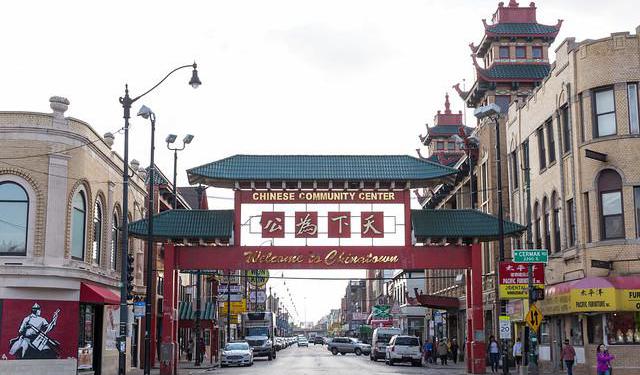
Chicago Chinatown Walking Tour
Tucked away just south of the Loop, the Chinatown of Chicago was established in 1912 and is considered one of the best examples of American Chinatown. While it may be one of Chicago’s smallest neighborhoods geographically, it is big on character, colors, sights, sounds, and flavors. Here, you’ll find a wide range of unique boutiques, specialty shops, religious sights, authentic Chinese... view more
Tour Duration: 1 Hour(s)
Travel Distance: 1.7 Km or 1.1 Miles
Tour Duration: 1 Hour(s)
Travel Distance: 1.7 Km or 1.1 Miles
Useful Travel Guides for Planning Your Trip

Chicago Souvenirs: 15 Distinct Local Products to Bring Home
One of the most fascinating cities in the U.S., if not the whole world, Chicago has no shortage of things closely associated with it, often due to their direct origin (blues, gangstership, etc.), so one might literally be spoiled for choice as to what to choose as a "piece" of Chicago to...
The Most Popular Cities
/ view all