

Audio Guide: Lima Introduction Walking Tour (Self Guided), Lima
Alexander Humboldt, a German explorer and proponent of Romantic philosophy, once said Lima felt like two worlds colliding in the same street-and two centuries later, that still holds true.
Lima, the capital of Peru, was founded on January 18, 1535, by Spanish conquistador Francisco Pizarro, who named it the “City of Kings” in honor of the Epiphany and the Spanish crown. Yet the name “Lima” soon took hold, derived from the Quechua word Rimaq (or Rímac), meaning “the one who speaks.” The term originally referred to the sacred Rímac River, whose Quechua pronunciation evolved through Spanish adaptation into “Lima.”
Before Spanish colonization, this coastal valley was home to advanced pre-Inca civilizations. Archaeological sites such as Huaca Pucllana and Huaca Huallamarca reveal ceremonial and agricultural sophistication, with adobe pyramids and intricate irrigation systems. By the 15th century, the Ichma culture dominated the valleys of the Rímac and Lurín rivers until the expanding Inca Empire absorbed them shortly before the arrival of the Spanish.
Pizarro’s decision to found his capital near the Rímac River was strategic: it offered fertile land, access to the Pacific Ocean, and distance from the turbulent Andean highlands. Under Spanish rule, Lima flourished as the administrative and commercial heart of the Viceroyalty of Peru, governing most of South America. Its port, Callao, became a vital link to global trade routes, while the city itself filled with baroque churches, monasteries, and colonial mansions that reflected both wealth and devotion.
Despite devastating earthquakes in 1687 and 1746, Lima rose again under Viceroy José Manso de Velasco’s reconstruction efforts. The city retained its cultural and intellectual prominence, home to the University of San Marcos-founded in 1551 and considered the oldest university in the Americas.
After Peru declared independence in 1821, Lima continued to evolve, modernizing through urban reforms, railways, and guano-financed prosperity. The scars of the War of the Pacific from, 1879 to 1883, eventually gave way to renewal, migration, and growth.
Today, Lima stands as a city of layered contrasts-colonial plazas beside modern high-rises, pre-Hispanic ruins amid dense urban sprawl.
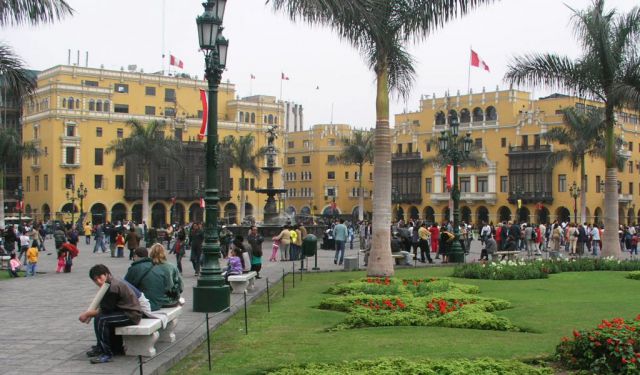
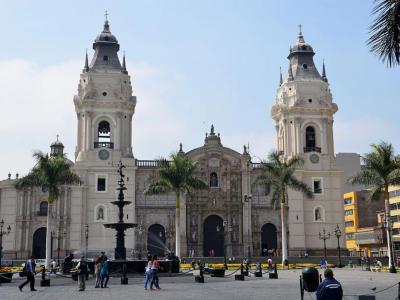
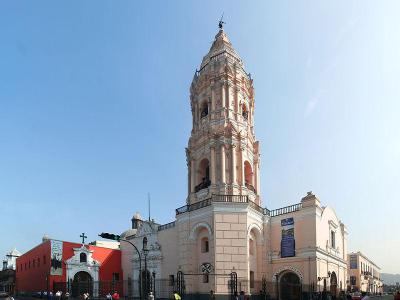
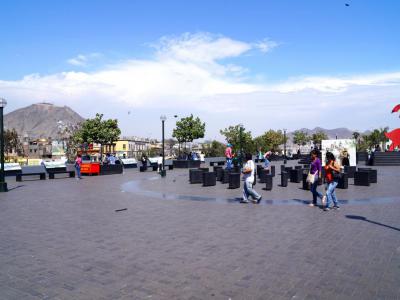
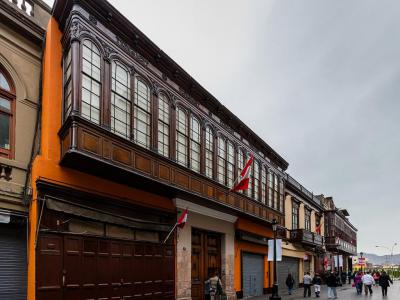
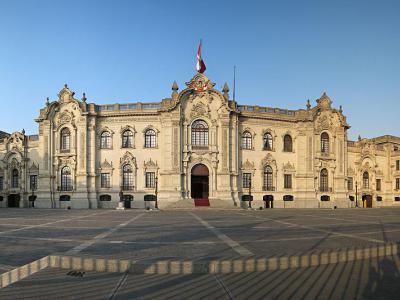
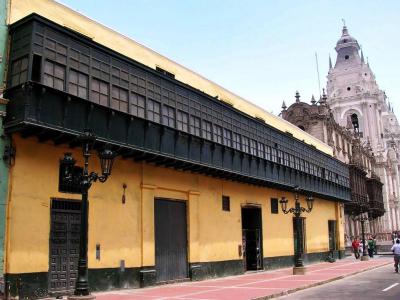
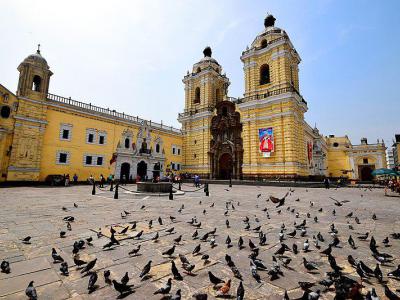
Walking through its historic centre, you’ll encounter the Main Square with its grand fountain, the Cathedral’s baroque façade, and the Church of San Francisco with its haunting catacombs. Along Union Street, colonial balconies overlook a swirl of cafés, street vendors, and everyday life.
Here, in the crossroads of stone and sea, ancient and modern, Lima still embodies what Humboldt sensed centuries ago: a city where two worlds meet-and continue their endless conversation.
Lima, the capital of Peru, was founded on January 18, 1535, by Spanish conquistador Francisco Pizarro, who named it the “City of Kings” in honor of the Epiphany and the Spanish crown. Yet the name “Lima” soon took hold, derived from the Quechua word Rimaq (or Rímac), meaning “the one who speaks.” The term originally referred to the sacred Rímac River, whose Quechua pronunciation evolved through Spanish adaptation into “Lima.”
Before Spanish colonization, this coastal valley was home to advanced pre-Inca civilizations. Archaeological sites such as Huaca Pucllana and Huaca Huallamarca reveal ceremonial and agricultural sophistication, with adobe pyramids and intricate irrigation systems. By the 15th century, the Ichma culture dominated the valleys of the Rímac and Lurín rivers until the expanding Inca Empire absorbed them shortly before the arrival of the Spanish.
Pizarro’s decision to found his capital near the Rímac River was strategic: it offered fertile land, access to the Pacific Ocean, and distance from the turbulent Andean highlands. Under Spanish rule, Lima flourished as the administrative and commercial heart of the Viceroyalty of Peru, governing most of South America. Its port, Callao, became a vital link to global trade routes, while the city itself filled with baroque churches, monasteries, and colonial mansions that reflected both wealth and devotion.
Despite devastating earthquakes in 1687 and 1746, Lima rose again under Viceroy José Manso de Velasco’s reconstruction efforts. The city retained its cultural and intellectual prominence, home to the University of San Marcos-founded in 1551 and considered the oldest university in the Americas.
After Peru declared independence in 1821, Lima continued to evolve, modernizing through urban reforms, railways, and guano-financed prosperity. The scars of the War of the Pacific from, 1879 to 1883, eventually gave way to renewal, migration, and growth.
Today, Lima stands as a city of layered contrasts-colonial plazas beside modern high-rises, pre-Hispanic ruins amid dense urban sprawl.
Walking through its historic centre, you’ll encounter the Main Square with its grand fountain, the Cathedral’s baroque façade, and the Church of San Francisco with its haunting catacombs. Along Union Street, colonial balconies overlook a swirl of cafés, street vendors, and everyday life.
Here, in the crossroads of stone and sea, ancient and modern, Lima still embodies what Humboldt sensed centuries ago: a city where two worlds meet-and continue their endless conversation.
How it works: Download the app "GPSmyCity: Walks in 1K+ Cities" from Apple App Store or Google Play Store to your mobile phone or tablet. The app turns your mobile device into a personal tour guide and its built-in GPS navigation functions guide you from one tour stop to next. The app works offline, so no data plan is needed when traveling abroad.
Download The GPSmyCity App



Lima Introduction Walking Tour Map
Guide Name: Lima Introduction Walking Tour
Guide Location: Peru » Lima (See other walking tours in Lima)
Guide Type: Self-guided Walking Tour (Sightseeing)
Tour Duration: 2 Hour(s)
Travel Distance: 2.7 Km or 1.7 Miles
Guide Location: Peru » Lima (See other walking tours in Lima)
Guide Type: Self-guided Walking Tour (Sightseeing)
Tour Duration: 2 Hour(s)
Travel Distance: 2.7 Km or 1.7 Miles
Sights Featured in This Walk
2) Cathedral of Lima (must see)
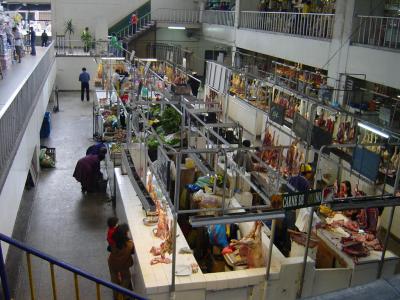
Walking Tours in Lima, Peru

Create Your Own Walk in Lima
Creating your own self-guided walk in Lima is easy and fun. Choose the city attractions that you want to see and a walk route map will be created just for you. You can even set your hotel as the start point of the walk.
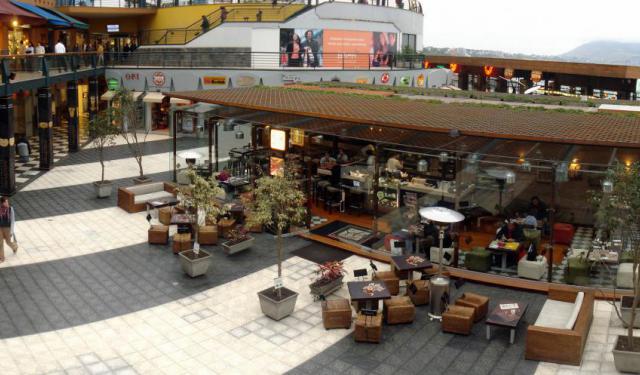
Food and Shopping Walk
Today's Lima is a large, commerce-booming and tourist-friendly capital, equally rich in terms of ancient culture as well as intricate cuisine and wealth of shopping opportunities suitable for various budgets.
Although in recent years many international brands have found their way to Lima’s stores, the majority of tourists keep looking to street fairs and artisan “Indian” markets... view more
Tour Duration: 2 Hour(s)
Travel Distance: 3.3 Km or 2.1 Miles
Although in recent years many international brands have found their way to Lima’s stores, the majority of tourists keep looking to street fairs and artisan “Indian” markets... view more
Tour Duration: 2 Hour(s)
Travel Distance: 3.3 Km or 2.1 Miles
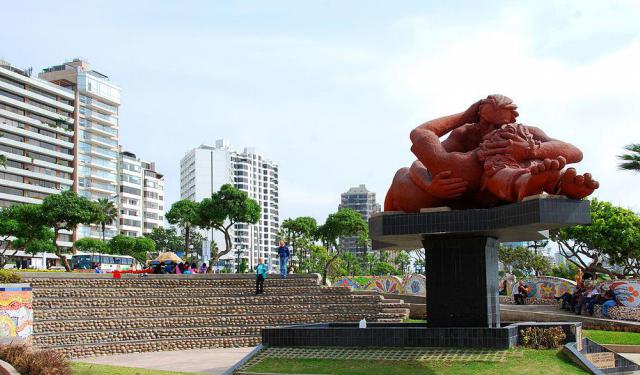
Miraflores Walking Tour
The district of Miraflores is one of Lima's key tourist destinations, renowned for its affluent setting, upscale shopping, phenomenal oceanic views, seashore restaurants, parks, and interesting archaeological sites. The attractions here are numerous and include, among others, the following:
La Huaca Pucllana – an archaeological complex, featuring a clay pyramid made of seven staggered... view more
Tour Duration: 2 Hour(s)
Travel Distance: 3.1 Km or 1.9 Miles
La Huaca Pucllana – an archaeological complex, featuring a clay pyramid made of seven staggered... view more
Tour Duration: 2 Hour(s)
Travel Distance: 3.1 Km or 1.9 Miles
Useful Travel Guides for Planning Your Trip
Gastronomic Tour of Lima
Peruvian cuisine reflects a rich cultural and geographical diversity. During half a millennium of fusion, flavors from Europe, Africa, and Asia have mingled with Incan fare. Perú’s approximately 90 microclimates produce a startling repertoire of ingredients, many unique to Peruvian soil. A...
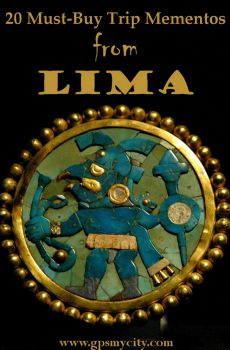
20 Must-Buy Trip Mementos from Lima
Today's Peru is a basket of natural, cultural and historical riches manifested in the multitude of handicrafts that have flourished in the country for thousands of years and embraced Inca, Spanish and other influences. Local jewelry, wool, pottery, leather, music, food and drinks - all have a...
The Most Popular Cities
/ view all