

Audio Guide: Jewish Ghetto Tour (Self Guided), Venice
Founded in 1516, the Jewish Ghetto of Venice earns its grim little footnote in European history as the first place officially designated as a “ghetto.” It began as a Venetian compromise with sharp edges: the Papacy urged to expel the Jews, while Venice-never one to waste a useful population-chose to confine them to a small island.
The word “ghetto” comes with competing origin stories. One theory traces it to the Hebrew word for “courtyard,” while the more commonly cited explanation points to the Venetian Italian verb “getar”, meaning “to cast,” a nod to the area’s earlier life as a metal-foundry district. Either way, the vocabulary stuck-and the place accidentally became a global term.
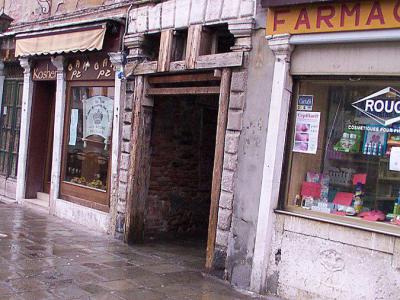
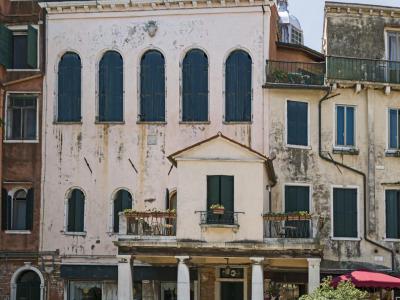
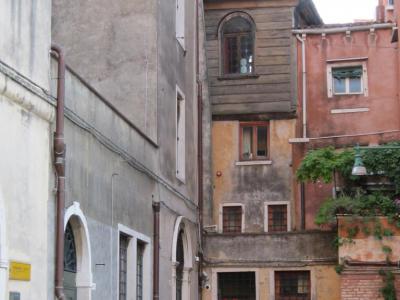
The ghetto itself was bordered by canals and fitted with gates that were locked and guarded at night. It was segregation, yes-but also a tightly managed kind of coexistence. Entry into this part of the city begins at the so-called Entrance to the Old Jewish Ghetto.
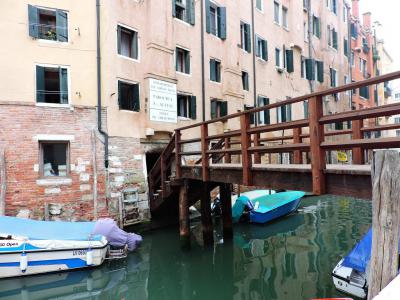
Commerce could continue there, but under rules that kept people visible, regulated, and, quite literally, in their place. Inside, the Jews were allowed to work in various fields, such as moneylending, medicine, trade, and printing. Today, the Red Bank is a quiet reminder of the everyday commercial dealings that once thrived within this enclosed area.
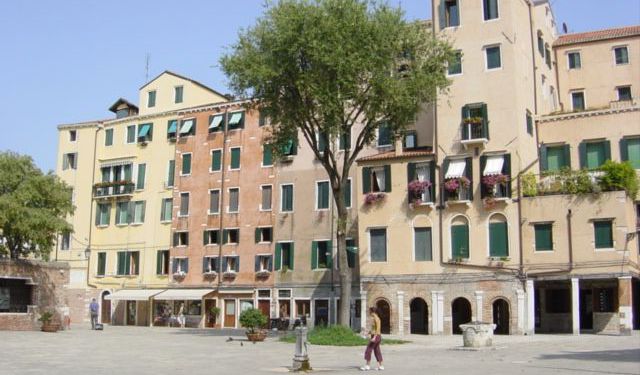
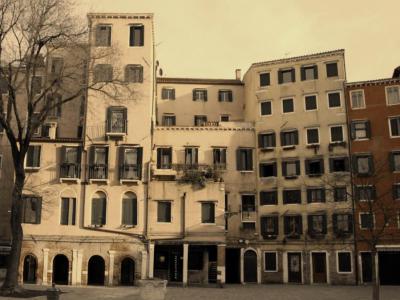
Despite restrictions on movement and even dress code, life multiplied, eventually turning the ghetto into a busy cultural and religious hub. As the population rose to over 5,000 by the mid-17th century, the ghetto, unable to sprawl outward, had only one direction to grow: up. Hence, the local buildings are higher than elsewhere in Venice, some reaching six or seven storeys.
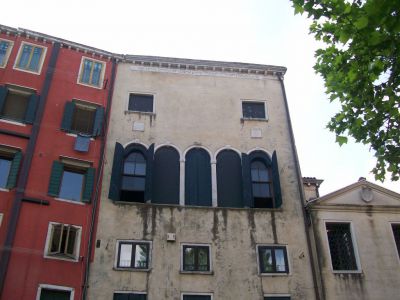
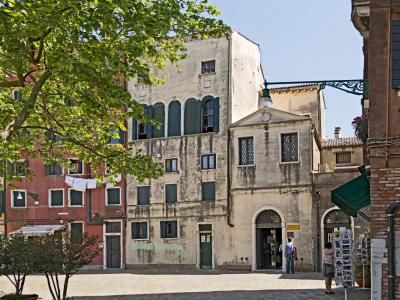
Jews from across Europe shared this compact space, building schools and synagogues that had to be discreet on the outside and expressive within. Many of them are tucked into ordinary-looking buildings and placed on upper floors, like quiet treasures above everyday life, hidden under the enforced roofline.
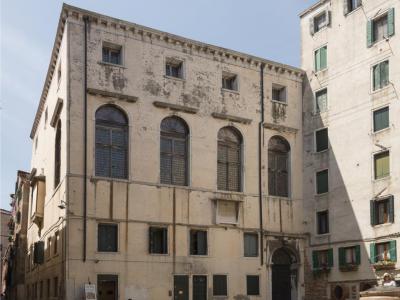
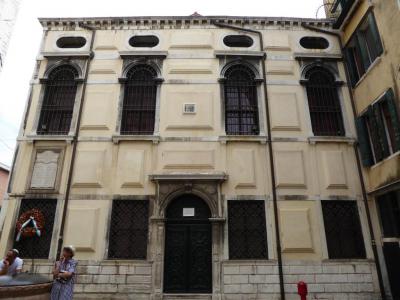
The Spanish Synagogue marks the presence of Sephardic Jews, the Levantine Synagogue points to Eastern Mediterranean connections, while the Italian Synagogue represents the long-established Italian Jewish community.
Passing through the Entrance to the New Jewish Ghetto leads to New Ghetto Square, a rather secluded, residential space. Here stand the German Synagogue and the Canton Synagogue, both reflecting Ashkenazi traditions. Completing the experience is the Jewish Museum of Venice, which provides historical context through ritual objects, documents, and guided access to selected synagogues.
Calm but far from silent, the Venetian Ghetto invites you to slow down and observe closely. This part of Venice is not for speed-walking and checklist tourism. It rewards attention. So, don’t race through but try and engage with a place where buildings, silences, and details do the talking, quietly but unmistakably...
The word “ghetto” comes with competing origin stories. One theory traces it to the Hebrew word for “courtyard,” while the more commonly cited explanation points to the Venetian Italian verb “getar”, meaning “to cast,” a nod to the area’s earlier life as a metal-foundry district. Either way, the vocabulary stuck-and the place accidentally became a global term.
The ghetto itself was bordered by canals and fitted with gates that were locked and guarded at night. It was segregation, yes-but also a tightly managed kind of coexistence. Entry into this part of the city begins at the so-called Entrance to the Old Jewish Ghetto.
Commerce could continue there, but under rules that kept people visible, regulated, and, quite literally, in their place. Inside, the Jews were allowed to work in various fields, such as moneylending, medicine, trade, and printing. Today, the Red Bank is a quiet reminder of the everyday commercial dealings that once thrived within this enclosed area.
Despite restrictions on movement and even dress code, life multiplied, eventually turning the ghetto into a busy cultural and religious hub. As the population rose to over 5,000 by the mid-17th century, the ghetto, unable to sprawl outward, had only one direction to grow: up. Hence, the local buildings are higher than elsewhere in Venice, some reaching six or seven storeys.
Jews from across Europe shared this compact space, building schools and synagogues that had to be discreet on the outside and expressive within. Many of them are tucked into ordinary-looking buildings and placed on upper floors, like quiet treasures above everyday life, hidden under the enforced roofline.
The Spanish Synagogue marks the presence of Sephardic Jews, the Levantine Synagogue points to Eastern Mediterranean connections, while the Italian Synagogue represents the long-established Italian Jewish community.
Passing through the Entrance to the New Jewish Ghetto leads to New Ghetto Square, a rather secluded, residential space. Here stand the German Synagogue and the Canton Synagogue, both reflecting Ashkenazi traditions. Completing the experience is the Jewish Museum of Venice, which provides historical context through ritual objects, documents, and guided access to selected synagogues.
Calm but far from silent, the Venetian Ghetto invites you to slow down and observe closely. This part of Venice is not for speed-walking and checklist tourism. It rewards attention. So, don’t race through but try and engage with a place where buildings, silences, and details do the talking, quietly but unmistakably...
How it works: Download the app "GPSmyCity: Walks in 1K+ Cities" from Apple App Store or Google Play Store to your mobile phone or tablet. The app turns your mobile device into a personal tour guide and its built-in GPS navigation functions guide you from one tour stop to next. The app works offline, so no data plan is needed when traveling abroad.
Download The GPSmyCity App



Jewish Ghetto Tour Map
Guide Name: Jewish Ghetto Tour
Guide Location: Italy » Venice (See other walking tours in Venice)
Guide Type: Self-guided Walking Tour (Sightseeing)
Tour Duration: 1 Hour(s)
Travel Distance: 0.4 Km or 0.2 Miles
Guide Location: Italy » Venice (See other walking tours in Venice)
Guide Type: Self-guided Walking Tour (Sightseeing)
Tour Duration: 1 Hour(s)
Travel Distance: 0.4 Km or 0.2 Miles
Sights Featured in This Walk
Walking Tours in Venice, Italy

Create Your Own Walk in Venice
Creating your own self-guided walk in Venice is easy and fun. Choose the city attractions that you want to see and a walk route map will be created just for you. You can even set your hotel as the start point of the walk.
Venice Introduction Walking Tour
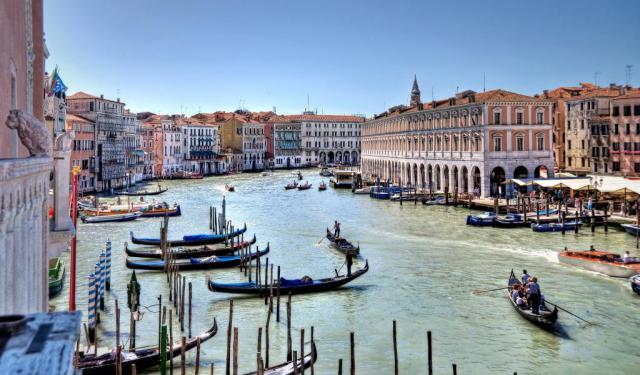
Venice is a city that learned early how to live with water-and, ultimately, how to profit from it. Built across hundreds of small islands in a shallow lagoon in the northern Adriatic, it runs without roads, relying solely on canals and bridges. Although the lagoon itself formed thousands of years ago, it was inhabited mainly by fishermen up until the 5th century AD, when waves of barbarian... view more
Tour Duration: 3 Hour(s)
Travel Distance: 4.1 Km or 2.5 Miles
Tour Duration: 3 Hour(s)
Travel Distance: 4.1 Km or 2.5 Miles
Dorsoduro Walking Tour
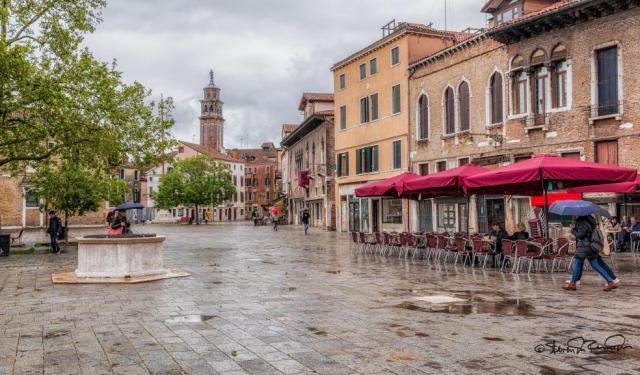
One of the six districts of Venice, Dorsoduro’s name translates as “hard bridge” due to the area's relatively high terrain. Home to some of the city’s highest spots, it also comprises some of Venice’s most picturesque canals, historic locations and cultural venues, including the Basilica di Santa Maria della Salute; the Gallerie dell’ Academia & the Ca’ Rezzonico – both... view more
Tour Duration: 1 Hour(s)
Travel Distance: 2.1 Km or 1.3 Miles
Tour Duration: 1 Hour(s)
Travel Distance: 2.1 Km or 1.3 Miles
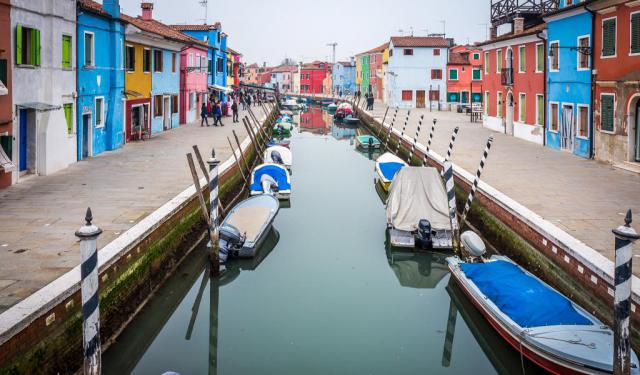
Murano Island Walking Tour
Murano Island is known around the world as the “Glass Island,” and it didn’t earn that nickname overnight. This reputation rests on more than seven centuries of uninterrupted glassmaking. Located just north of Venice, separated by a slim ribbon of lagoon water, Murano grew into a place where identity and industry became inseparable. Although inhabited since Roman times, the island truly... view more
Tour Duration: 1 Hour(s)
Travel Distance: 2.3 Km or 1.4 Miles
Tour Duration: 1 Hour(s)
Travel Distance: 2.3 Km or 1.4 Miles
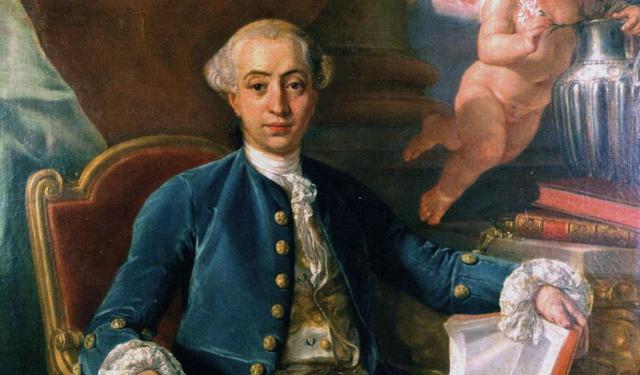
Casanova's Venice
Giacomo Casanova is usually introduced as history’s most famous seducer-but that shorthand misses the point. Casanova didn’t simply charm his way through life, but was shaped by a very particular moment in Venetian history. He came of age in the eighteenth century, when the Republic of Venice was living on its reputation. The great maritime empire was fading, its political and commercial power... view more
Tour Duration: 2 Hour(s)
Travel Distance: 4.5 Km or 2.8 Miles
Tour Duration: 2 Hour(s)
Travel Distance: 4.5 Km or 2.8 Miles
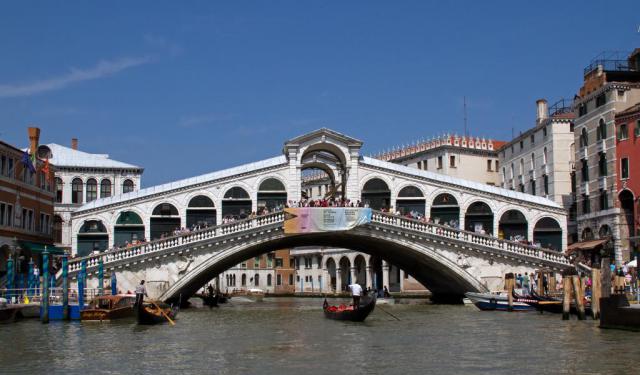
Around Rialto Bridge
The Rialto district represents the earliest urban and commercial core of Venice that has shaped the city’s identity for centuries. Long before grand palaces lined the canals or empires were managed from marble halls, this was the practical heart of the lagoon. Its name comes from Rivo Alto, meaning “high bank,” a rare patch of ground that stayed relatively dry and therefore attracted... view more
Tour Duration: 1 Hour(s)
Travel Distance: 0.4 Km or 0.2 Miles
Tour Duration: 1 Hour(s)
Travel Distance: 0.4 Km or 0.2 Miles

Titian's Paintings Walk
One of the greatest painters of all time, Tiziano Vecelli – better known as Titian – was a pioneering figure of the Venetian school of Italian Renaissance painting. His career was successful from the start, and he became sought after by patrons, initially from Venice and its possessions, then joined by the north Italian princes, and finally the Habsburgs and papacy.
Equally adept with... view more
Tour Duration: 2 Hour(s)
Travel Distance: 3.6 Km or 2.2 Miles
Equally adept with... view more
Tour Duration: 2 Hour(s)
Travel Distance: 3.6 Km or 2.2 Miles
Useful Travel Guides for Planning Your Trip

15 Distinctively Italian Things to Buy in Venice
Venice has been a tourist mecca for over a century now, with millions of visitors flocking in every year to see this unique place on the face of the Earth. Many, if not all, of these people seek to obtain something memorable as a token of their stay in this city. By far, not all of them know which...
The Most Popular Cities
/ view all