
Verona's Museums and Galleries (Self Guided), Verona
Art and history have been the pillars supporting the elegant city of Verona for centuries. Among other things here, you will find the abundance of grand museums and galleries holding unique collections of art and cultural treasures suiting all tastes.
Whatever your interest – ancient or modern art, archaeology, frescoes, Roman inscriptions, natural history, antique furniture, or wine – be sure to satisfy it in Verona with ease. Quite often, the location itself is a work of art, too.
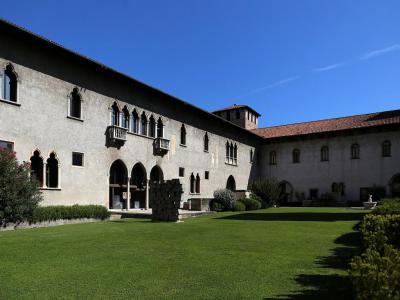
Of all the local museums, art lovers must not pass up the opportunity to visit the Museo di Castelvecchio, housed in the mighty Medieval castle – symbol of the Della Scala family’s rule. Built between 1354 and 1356 to defend the city, the edifice changed to civilian use in the 1900s and now houses collections of Veronese sculptures, jewelry, and other artifacts.
The city’s assortment of museums also features the Museo Lapidario Maffeiano – one of the oldest public museums in Europe and the second oldest public library museum in the world; founded in the mid-1700s.
The city of love, Verona also provides setting for the greatest – and most tragic – of love stories, such as Casa de Giulietta – a 13th-century house previously owned by the Capello family. Its tiny balcony, upon which Juliet supposedly once stood, is a popular attraction for thousands of tourists each year.
These and other museums of Verona are the great places to learn about the city's past and admire its cultural masterpieces of inestimable value. If you wish to hear the echoes of the days gone by and to learn about the important figures whose lives and passions have shaped Verona, as we known it, take this self-guided walking tour!
Whatever your interest – ancient or modern art, archaeology, frescoes, Roman inscriptions, natural history, antique furniture, or wine – be sure to satisfy it in Verona with ease. Quite often, the location itself is a work of art, too.
Of all the local museums, art lovers must not pass up the opportunity to visit the Museo di Castelvecchio, housed in the mighty Medieval castle – symbol of the Della Scala family’s rule. Built between 1354 and 1356 to defend the city, the edifice changed to civilian use in the 1900s and now houses collections of Veronese sculptures, jewelry, and other artifacts.
The city’s assortment of museums also features the Museo Lapidario Maffeiano – one of the oldest public museums in Europe and the second oldest public library museum in the world; founded in the mid-1700s.
The city of love, Verona also provides setting for the greatest – and most tragic – of love stories, such as Casa de Giulietta – a 13th-century house previously owned by the Capello family. Its tiny balcony, upon which Juliet supposedly once stood, is a popular attraction for thousands of tourists each year.
These and other museums of Verona are the great places to learn about the city's past and admire its cultural masterpieces of inestimable value. If you wish to hear the echoes of the days gone by and to learn about the important figures whose lives and passions have shaped Verona, as we known it, take this self-guided walking tour!
How it works: Download the app "GPSmyCity: Walks in 1K+ Cities" from Apple App Store or Google Play Store to your mobile phone or tablet. The app turns your mobile device into a personal tour guide and its built-in GPS navigation functions guide you from one tour stop to next. The app works offline, so no data plan is needed when traveling abroad.
Download The GPSmyCity App



Verona's Museums and Galleries Map
Guide Name: Verona's Museums and Galleries
Guide Location: Italy » Verona (See other walking tours in Verona)
Guide Type: Self-guided Walking Tour (Sightseeing)
# of Attractions: 5
Tour Duration: 1 Hour(s)
Travel Distance: 2.3 Km or 1.4 Miles
Author: Helen
Sight(s) Featured in This Guide:
Guide Location: Italy » Verona (See other walking tours in Verona)
Guide Type: Self-guided Walking Tour (Sightseeing)
# of Attractions: 5
Tour Duration: 1 Hour(s)
Travel Distance: 2.3 Km or 1.4 Miles
Author: Helen
Sight(s) Featured in This Guide:
- Museo di Castelvecchio (Old Castle Museum)
- Museo Lapidario Maffeiano (Maffeiano Lapidary Museum)
- Casa de Giulietta (House of Juliet)
- Museo Miniscalchi Erizzo (Miniscalchi Erizzo Museum)
- Museo Archeologico al Teatro Romano (Archaeological Museum)
1) Museo di Castelvecchio (Old Castle Museum) (must see)
The Old Castle Museum is a museum located in the eponymous medieval castle. The castle was built between 1354 and 1356 to protect the family of Lord of Verona from enemies and to give them ample time to escape. The palace was used to house military weapons and munitions in the 1400s and eventually became the seat of the Venetian military academy in the 1700s. In 1925, it was made a museum.
The exhibition hall collection contains Veronese sculptures, jewelry, epigraphs, frescoes, paintings, weapons, ceramics, and bells, from the 12th to 18th centuries. The most notable works are the Sepulcher of the Saints Sergius and Bacchus, the Crucifix, Saint Cecilia and Catherina, Madonna of the Quail, and the Holy Family. Stefano da Verona, Carlo Crivelli, Giovanni Bellinis, Liberale da Verona, and Girolamo da Libri are just a few of the artists whose works fill the rooms of the museum.
The building experienced multiple renovations over a period of 700 years. Between 1959 and 1973, architect Carlo Scarpa restored the building to its original look.
The museum is a delightful to stroll around as the galleries wind their way in and out of some charming and dramatic floors and courtyards. The artifacts are nicely spaced on each floor so you don't see them as a jumble of confusing items. You can even walk on the battlements that give you a great view of the bridge and river.
Tip:
If you are keen to learn about the art inside, then it's worth paying for the audio guide.
The exhibition hall collection contains Veronese sculptures, jewelry, epigraphs, frescoes, paintings, weapons, ceramics, and bells, from the 12th to 18th centuries. The most notable works are the Sepulcher of the Saints Sergius and Bacchus, the Crucifix, Saint Cecilia and Catherina, Madonna of the Quail, and the Holy Family. Stefano da Verona, Carlo Crivelli, Giovanni Bellinis, Liberale da Verona, and Girolamo da Libri are just a few of the artists whose works fill the rooms of the museum.
The building experienced multiple renovations over a period of 700 years. Between 1959 and 1973, architect Carlo Scarpa restored the building to its original look.
The museum is a delightful to stroll around as the galleries wind their way in and out of some charming and dramatic floors and courtyards. The artifacts are nicely spaced on each floor so you don't see them as a jumble of confusing items. You can even walk on the battlements that give you a great view of the bridge and river.
Tip:
If you are keen to learn about the art inside, then it's worth paying for the audio guide.
2) Museo Lapidario Maffeiano (Maffeiano Lapidary Museum)
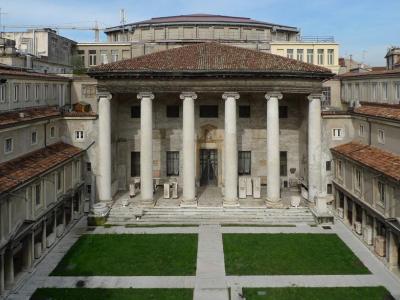
Located between the walls of Piazza Bra and Castelvecchio, the Museo Lapidario Maffeiano is the second oldest public library museum in the world. Founded in 1745 by Scipione Maffai, the exhibition hall contains Greek, Etruscan, Roman, and Arab writings, some of which were donated by Maffai. The architect was Alessandro Pompei.
Hundreds of inscriptions, reliefs, and sculptures are located throughout the entrance hall, basement, and two upper rooms. The experience begins in the courtyard, where many writings are arranged underneath the beautiful Italian sky, and ends with a walk over the walls of the Bra that takes you to the Gran Guardia. Three recommended items to view are the largest collection of Greek grave inscriptions housed on the first floor and the Etruscan urns and sarcophagus of a young man on the second level.
The museum is a popular site with tourists, students, and scholars. In addition, many of the inscriptions have English translations. The Museo Lapidario Maffeiano is open from 8:30 am to 2:00 pm Tuesday through Sunday and is closed on Monday. Free admission is offered the first Sunday of each month. Other attractions near the library include the Verona Arena, the Museo Civico di Castelvecchio, and the Via Mazzini.
Hundreds of inscriptions, reliefs, and sculptures are located throughout the entrance hall, basement, and two upper rooms. The experience begins in the courtyard, where many writings are arranged underneath the beautiful Italian sky, and ends with a walk over the walls of the Bra that takes you to the Gran Guardia. Three recommended items to view are the largest collection of Greek grave inscriptions housed on the first floor and the Etruscan urns and sarcophagus of a young man on the second level.
The museum is a popular site with tourists, students, and scholars. In addition, many of the inscriptions have English translations. The Museo Lapidario Maffeiano is open from 8:30 am to 2:00 pm Tuesday through Sunday and is closed on Monday. Free admission is offered the first Sunday of each month. Other attractions near the library include the Verona Arena, the Museo Civico di Castelvecchio, and the Via Mazzini.
3) Casa de Giulietta (House of Juliet) (must see)
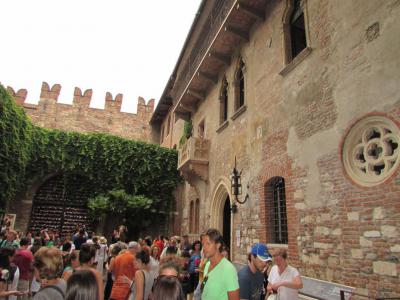
The House of Juliet, is a 13th-century structure situated on the remains of a Roman insula building on the Via Capello. It is located near well-known Juliet’s Tomb.
Although many dispute whether or not Romeo and Juliet actually existed, the house remains a popular attraction that thousands of tourists visit each year. In fact, the house was formerly owned by the Capello family. Many guests write notes on the wall and the doors of the courtyard. From the balcony, one can even imagine ill-fated lovers talking to each other.
The dwelling contains a museum that displays frescoes, paintings, and artwork from the 16th and 17th century. One treat not to be missed is the bronze statue of Juliet. It is said that good luck will come to those who rub the right breast of the sculpture.
Entrance into the courtyard is free, but entry into the house is not. While the house tour is pretty basic, you can upgrade your ticket to include the tomb as the grounds are lovely and have some nice frescoes. If you want to avoid crowds, the best time to visit is in the early morning or late afternoon. Also, the whole area around Juliet's balcony – with its small medieval streets, restaurants, cafes – is enchanting.
Although many dispute whether or not Romeo and Juliet actually existed, the house remains a popular attraction that thousands of tourists visit each year. In fact, the house was formerly owned by the Capello family. Many guests write notes on the wall and the doors of the courtyard. From the balcony, one can even imagine ill-fated lovers talking to each other.
The dwelling contains a museum that displays frescoes, paintings, and artwork from the 16th and 17th century. One treat not to be missed is the bronze statue of Juliet. It is said that good luck will come to those who rub the right breast of the sculpture.
Entrance into the courtyard is free, but entry into the house is not. While the house tour is pretty basic, you can upgrade your ticket to include the tomb as the grounds are lovely and have some nice frescoes. If you want to avoid crowds, the best time to visit is in the early morning or late afternoon. Also, the whole area around Juliet's balcony – with its small medieval streets, restaurants, cafes – is enchanting.
4) Museo Miniscalchi Erizzo (Miniscalchi Erizzo Museum)
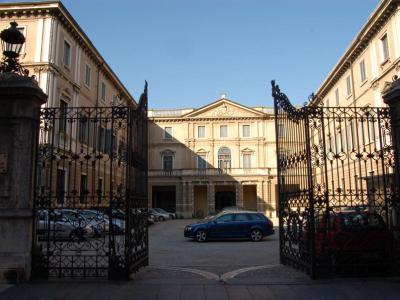
The Museo Miniscalchi Erizzo museum is located in a fifteenth century palace on the Via San Mammaso. The 15 room building contains furnishings, bronze, glassware, ceramics, coins, weapons, armor, and artwork from the sixteenth and eighteenth centuries and the Etruscan and Roman periods.
Visitors will enjoy the library, chapel, paintings, and antique furniture that belonged to the Miniscalchi clan, an important Veronese family. Other treats you will enjoy are a wooden ceiling from the fifteenth century, a racing sled from the 1200s, and paintings and busts located along the Great Staircase.
Along with preserving the museum’s works and loaning materials to other organizations, the gallery also conducts guided tours for students and visitors. In addition, exhibitions are conducted on a regular basis.
Some of the more memorable works presented at exhibitions include the Treasures of the Italian Artistic Foundations, the American Pop Art the Sixties, the Hebrew Antiques from the Verona Synagogue, the Historical Glassware by Ercole Barovier, the Ancient Art Fabrics, and Giorgio Morandi Fifty Works of the Magnani Rocca Foundation. The museum is open 11 am to 1 pm and 3:30 pm to 7 pm on Monday through Friday.
Visitors will enjoy the library, chapel, paintings, and antique furniture that belonged to the Miniscalchi clan, an important Veronese family. Other treats you will enjoy are a wooden ceiling from the fifteenth century, a racing sled from the 1200s, and paintings and busts located along the Great Staircase.
Along with preserving the museum’s works and loaning materials to other organizations, the gallery also conducts guided tours for students and visitors. In addition, exhibitions are conducted on a regular basis.
Some of the more memorable works presented at exhibitions include the Treasures of the Italian Artistic Foundations, the American Pop Art the Sixties, the Hebrew Antiques from the Verona Synagogue, the Historical Glassware by Ercole Barovier, the Ancient Art Fabrics, and Giorgio Morandi Fifty Works of the Magnani Rocca Foundation. The museum is open 11 am to 1 pm and 3:30 pm to 7 pm on Monday through Friday.
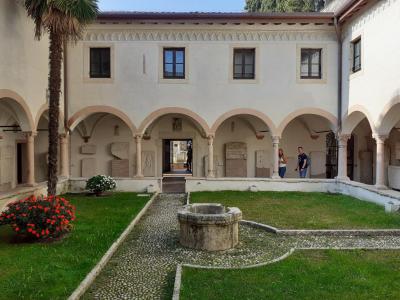
5) Museo Archeologico al Teatro Romano (Archaeological Museum)
The Archaeological Museum was founded in 1924 and hosts archaeological finds both from Verona and its surrounding areas (epigraphs, sculptures, mosaics, bronzes, etc.) as well as pieces from other collections.
About 600 works of art are exhibited in the museum and some 150 more can be seen displayed within the external cloister and the Theatre area whereas some thousands of pieces are preserved in store-rooms.
The whole complex of buildings and cloisters of the former Jesuates convent is itself a monument worth visiting. Many finds, inscriptions, and sarcophaguses are located in the Museum cloisters and in the Theatre external area.
Why You Should Visit:
Worth going for the route that takes you between courtyards, a grand building and the Theatre in an imaginative 5-story exploration of fantastic Roman artifacts, statues, and mosaics.
Tip:
Views from the museum's terrace are sublime at sunset.
About 600 works of art are exhibited in the museum and some 150 more can be seen displayed within the external cloister and the Theatre area whereas some thousands of pieces are preserved in store-rooms.
The whole complex of buildings and cloisters of the former Jesuates convent is itself a monument worth visiting. Many finds, inscriptions, and sarcophaguses are located in the Museum cloisters and in the Theatre external area.
Why You Should Visit:
Worth going for the route that takes you between courtyards, a grand building and the Theatre in an imaginative 5-story exploration of fantastic Roman artifacts, statues, and mosaics.
Tip:
Views from the museum's terrace are sublime at sunset.
Walking Tours in Verona, Italy

Create Your Own Walk in Verona
Creating your own self-guided walk in Verona is easy and fun. Choose the city attractions that you want to see and a walk route map will be created just for you. You can even set your hotel as the start point of the walk.
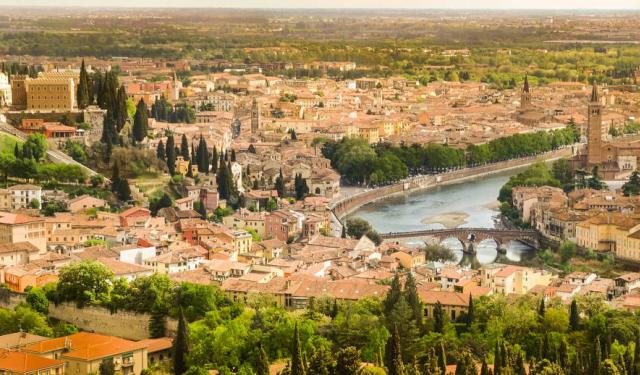
Verona Introduction Walking Tour
The embodiment of a true romance on the Italian soil, the city of Verona has been immortalized by William Shakespeare in his famous "Romeo and Juliet". There is also another, lesser-known play by Shakespeare set in Verona, called “The Two Gentlemen of Verona”. Whilst there's no evidence that the bard had ever set foot in Italy, let alone in this town, Verona's presence in... view more
Tour Duration: 3 Hour(s)
Travel Distance: 4.0 Km or 2.5 Miles
Tour Duration: 3 Hour(s)
Travel Distance: 4.0 Km or 2.5 Miles
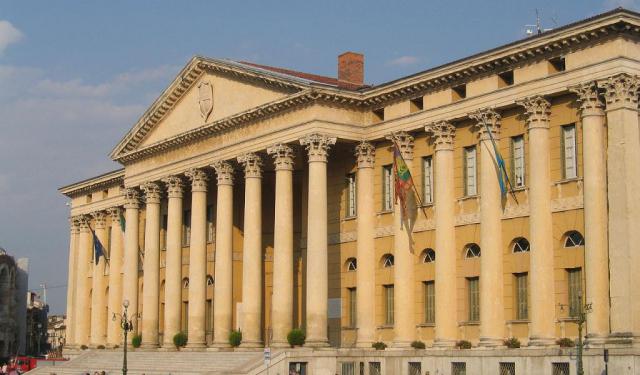
Verona's Palaces
It's no secret that Italy boasts some of the most remarkable palatial architecture in the world. A good portion of it is found in the incredibly charming city of Verona, the long history of which stretches all the way back to ancient Rome and is reflected in an array of Romanesque and Renaissance gates and bridges, but, most notably, the monumental palaces.
Walking the streets of Verona,... view more
Tour Duration: 1 Hour(s)
Travel Distance: 1.6 Km or 1 Miles
Walking the streets of Verona,... view more
Tour Duration: 1 Hour(s)
Travel Distance: 1.6 Km or 1 Miles
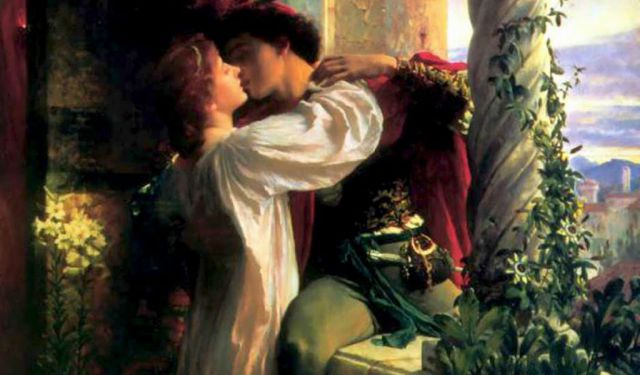
Romeo and Juliet Tour
William Shakespeare's insightful tragedy, Romeo and Juliet, immortalized both the doomed young lovers and its setting, the fair city of Verona. While it's uncertain whether or not Romeo and Juliet were real people, the Montague and Capulet families were Veronese aristocratic families. Relive the classic love story as you walk Verona.
Casa de Giulietta, House of Juliet, is a must-see.... view more
Tour Duration: 2 Hour(s)
Travel Distance: 3.9 Km or 2.4 Miles
Casa de Giulietta, House of Juliet, is a must-see.... view more
Tour Duration: 2 Hour(s)
Travel Distance: 3.9 Km or 2.4 Miles
The Most Popular Cities
/ view all