

Audio Guide: Vienna's Art Nouveau Architecture Tour I (Self Guided), Vienna
Vienna’s flirtation with Art Nouveau-known locally as Jugendstil-unfolded in the late 19th, early 20th centuries. The so-called Vienna Secession movement, which emerged in 1897, was led by a group of rebellious artists and architects like Otto Wagner, Gustav Klimt, and Koloman Moser, who turned their backs on historicism in favor of bold, modern aesthetics. As the new language for buildings, interiors, and urban objects, they introduced сlean lines, flowing ornament, and a touch of nature’s whimsy.
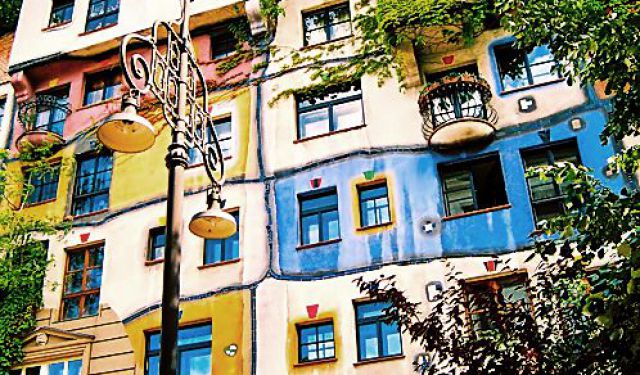
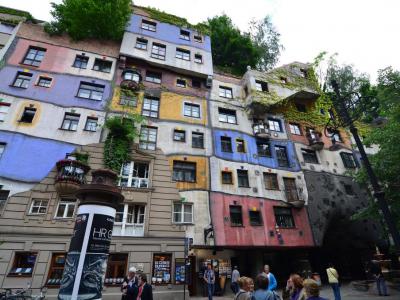
As a result, today, Vienna is practically winking at you from every street corner with its Art Nouveau charm. Among its most colorful examples are the Hundertwasser House and Art House Vienna, both designed by Friedensreich Hundertwasser. Though built in the 1980s, these psychedelic playgrounds with their wild forms, curved floors, rooftop greenery, and not a straight line in sight, embody the movement’s organic spirit. The nearby Art House Vienna museum lets you peek inside Hundertwasser’s visionary work and environmental ideals.
If you're feeling cerebral, head over to the Urania Observatory, where art meets astronomy in a building designed by Max Fabiani in 1910. Originally conceived as a beacon of knowledge by the Danube Canal, it now hosts a cinema, observatory, and lectures-plus a fair amount of Art Nouveau flair tucked among the neoclassical bones.
And if clean lines and metal rivets make your heart flutter, don’t miss Otto Wagner’s Postal Savings Bank. Completed in 1906, its use of aluminum, glass, and unapologetic functionality was truly revolutionary-basically the Apple Store of its time, minus the Genius Bar...
In contrast, Loos House, designed by Adolf Loos in 1910, shocked Viennese society with its austere, ornament-free façade. Though opposed to Art Nouveau decoration, Loos (ever the contrarian) contributed to the era’s architectural dialogue and helped pave the way for modernism with a design so minimalist, it still looks avant-garde.
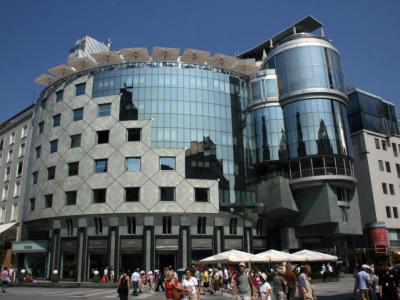
Fast forward to 1987 and say hello to Haas House, Hans Hollein’s postmodern mirror-glass wink to St. Stephen’s Cathedral. It’s as if Art Nouveau popped on a new outfit and joined the '80s...
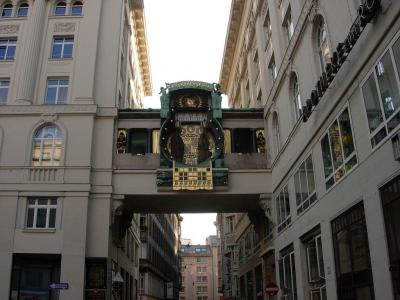
Another delightful landmark is the deliciously eccentric Anchor Clock, designed by Franz von Matsch in 1914, which features famous historical figures parading across the dial every day at noon-a charming reminder of Art Nouveau’s decorative playfulness. Who said time can’t be theatrical?
Beyond these icons, stroll Vienna’s Naschmarkt or Linke Wienzeile and you’ll find yourself inside a living museum of curves, color, and cultural sass. Art Nouveau may have started as a rebellion, but in Vienna, it aged into an architectural love affair that still turns heads.
As a result, today, Vienna is practically winking at you from every street corner with its Art Nouveau charm. Among its most colorful examples are the Hundertwasser House and Art House Vienna, both designed by Friedensreich Hundertwasser. Though built in the 1980s, these psychedelic playgrounds with their wild forms, curved floors, rooftop greenery, and not a straight line in sight, embody the movement’s organic spirit. The nearby Art House Vienna museum lets you peek inside Hundertwasser’s visionary work and environmental ideals.
If you're feeling cerebral, head over to the Urania Observatory, where art meets astronomy in a building designed by Max Fabiani in 1910. Originally conceived as a beacon of knowledge by the Danube Canal, it now hosts a cinema, observatory, and lectures-plus a fair amount of Art Nouveau flair tucked among the neoclassical bones.
And if clean lines and metal rivets make your heart flutter, don’t miss Otto Wagner’s Postal Savings Bank. Completed in 1906, its use of aluminum, glass, and unapologetic functionality was truly revolutionary-basically the Apple Store of its time, minus the Genius Bar...
In contrast, Loos House, designed by Adolf Loos in 1910, shocked Viennese society with its austere, ornament-free façade. Though opposed to Art Nouveau decoration, Loos (ever the contrarian) contributed to the era’s architectural dialogue and helped pave the way for modernism with a design so minimalist, it still looks avant-garde.
Fast forward to 1987 and say hello to Haas House, Hans Hollein’s postmodern mirror-glass wink to St. Stephen’s Cathedral. It’s as if Art Nouveau popped on a new outfit and joined the '80s...
Another delightful landmark is the deliciously eccentric Anchor Clock, designed by Franz von Matsch in 1914, which features famous historical figures parading across the dial every day at noon-a charming reminder of Art Nouveau’s decorative playfulness. Who said time can’t be theatrical?
Beyond these icons, stroll Vienna’s Naschmarkt or Linke Wienzeile and you’ll find yourself inside a living museum of curves, color, and cultural sass. Art Nouveau may have started as a rebellion, but in Vienna, it aged into an architectural love affair that still turns heads.
How it works: Download the app "GPSmyCity: Walks in 1K+ Cities" from Apple App Store or Google Play Store to your mobile phone or tablet. The app turns your mobile device into a personal tour guide and its built-in GPS navigation functions guide you from one tour stop to next. The app works offline, so no data plan is needed when traveling abroad.
Download The GPSmyCity App



Vienna's Art Nouveau Architecture Tour I Map
Guide Name: Vienna's Art Nouveau Architecture Tour I
Guide Location: Austria » Vienna (See other walking tours in Vienna)
Guide Type: Self-guided Walking Tour (Sightseeing)
Tour Duration: 2 Hour(s)
Travel Distance: 3.4 Km or 2.1 Miles
Guide Location: Austria » Vienna (See other walking tours in Vienna)
Guide Type: Self-guided Walking Tour (Sightseeing)
Tour Duration: 2 Hour(s)
Travel Distance: 3.4 Km or 2.1 Miles
Sights Featured in This Walk



Walking Tours in Vienna, Austria

Create Your Own Walk in Vienna
Creating your own self-guided walk in Vienna is easy and fun. Choose the city attractions that you want to see and a walk route map will be created just for you. You can even set your hotel as the start point of the walk.
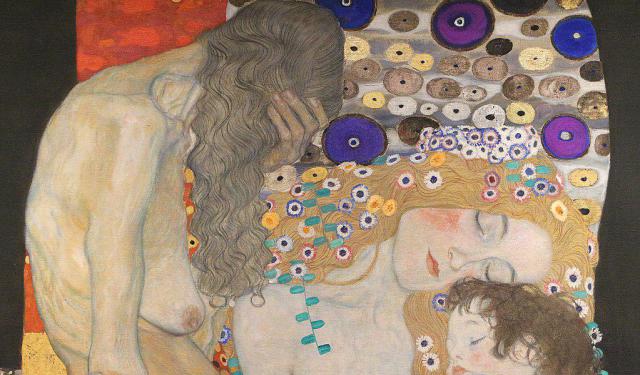
Klimt Paintings Tour
"I have the gift of neither the spoken nor the written word, especially if I have to say something about myself or my work. Whoever wants to know something about me - as an artist, the only notable thing - ought to look carefully at my pictures" – Gustav Klimt.
Klimt's name is indelibly linked to Vienna. The renowned symbolist painter was a prominent figure in the city. As a... view more
Tour Duration: 2 Hour(s)
Travel Distance: 3.7 Km or 2.3 Miles
Klimt's name is indelibly linked to Vienna. The renowned symbolist painter was a prominent figure in the city. As a... view more
Tour Duration: 2 Hour(s)
Travel Distance: 3.7 Km or 2.3 Miles
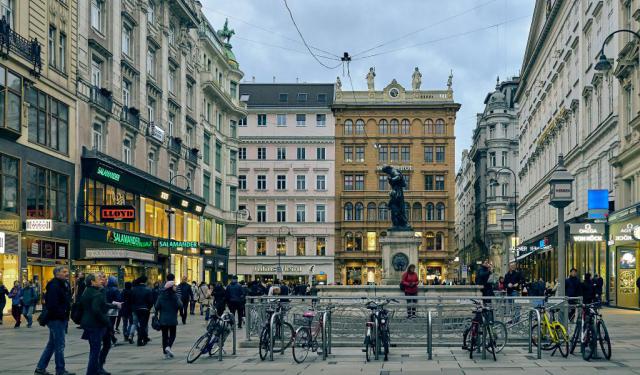
Vienna Old Town Walking Tour
Vienna’s Old Town-the historic core of Austria’s capital and a UNESCO World Heritage Site-is where cobblestones gossip, rooftops sparkle, and emperors still seem to whisper from the walls. Indeed, this is the kind of place where every alley seems to have a PhD in European history.
Once wrapped in medieval walls-before they rolled out the grand Ringstrasse boulevard in the 19th century-this... view more
Tour Duration: 2 Hour(s)
Travel Distance: 2.9 Km or 1.8 Miles
Once wrapped in medieval walls-before they rolled out the grand Ringstrasse boulevard in the 19th century-this... view more
Tour Duration: 2 Hour(s)
Travel Distance: 2.9 Km or 1.8 Miles
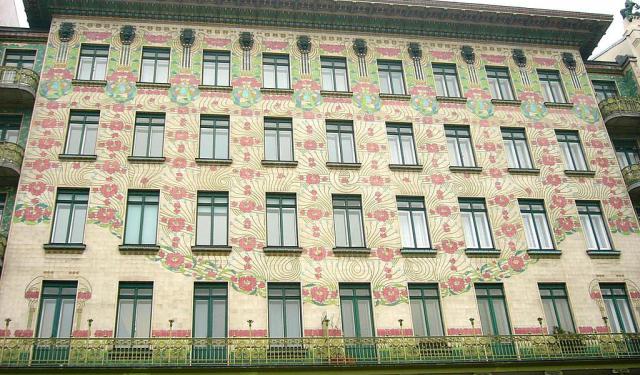
Vienna's Art Nouveau Architecture Tour II
If there are cities that flirt, Vienna is definitely the one. Here, even the buildings know how to do it.
Around the turn of the 20th century, the Austrian capital caught the Art Nouveau fever and decided that straight lines, drab walls, and historical imitation simply wouldn’t do anymore. Instead, it took to ornamental swirls, flowing curves, floral flourishes, and enough decorative detail... view more
Tour Duration: 1 Hour(s)
Travel Distance: 2.0 Km or 1.2 Miles
Around the turn of the 20th century, the Austrian capital caught the Art Nouveau fever and decided that straight lines, drab walls, and historical imitation simply wouldn’t do anymore. Instead, it took to ornamental swirls, flowing curves, floral flourishes, and enough decorative detail... view more
Tour Duration: 1 Hour(s)
Travel Distance: 2.0 Km or 1.2 Miles
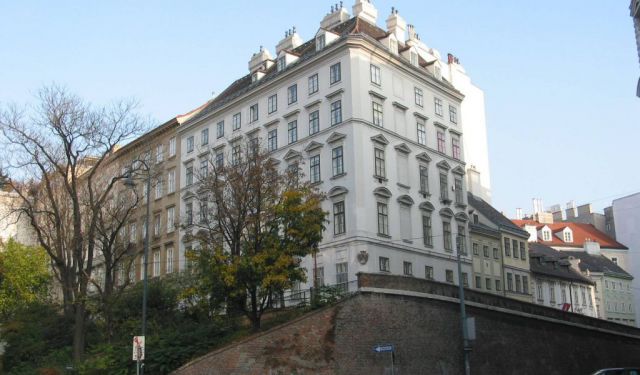
Famous Homes of Vienna
Throughout centuries, the Austrian capital has been home to numerous famous individuals, from creative people of arts to thinkers, scientists, and politicians. Vienna's illustrious history is closely intertwined with the abodes of its celebrated residents, where artistic virtuosos and luminaries of their time found solace and inspiration.
The often modest apartments of Vienna's famous... view more
Tour Duration: 2 Hour(s)
Travel Distance: 3.9 Km or 2.4 Miles
The often modest apartments of Vienna's famous... view more
Tour Duration: 2 Hour(s)
Travel Distance: 3.9 Km or 2.4 Miles
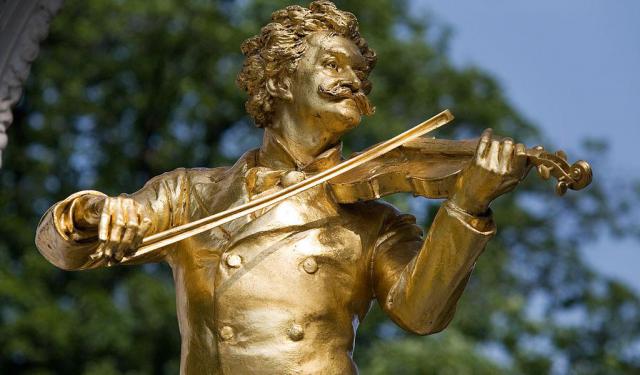
Johann Strauss Walking Tour
Throughout the entire 19th century, Vienna was a hub of cultural and musical activity, particularly in the realm of classical music, to which Johann Strauss and his father, Johann Strauss Sr., contributed greatly.
Strauss, the son had a personal connection with Vienna deeply rooted in its cultural fabric. Not only was he born here and spent most of his life, but also he achieved tremendous... view more
Tour Duration: 2 Hour(s)
Travel Distance: 4.1 Km or 2.5 Miles
Strauss, the son had a personal connection with Vienna deeply rooted in its cultural fabric. Not only was he born here and spent most of his life, but also he achieved tremendous... view more
Tour Duration: 2 Hour(s)
Travel Distance: 4.1 Km or 2.5 Miles
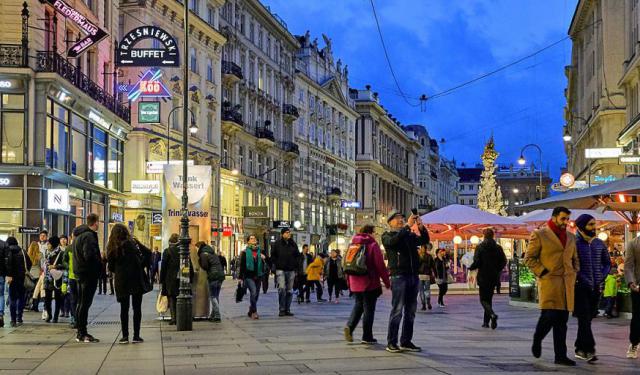
Vienna Introduction Walking Tour
A city of green parks, opulent architecture, elegant shopping, crowded theaters, and boulevards for leisurely sauntering - Vienna, the capital of Austria, embodies a blend of regal tradition and contemporary vibrancy. The origin of the city's name is rooted in Roman times, stemming from the Celtic word Vedunia, meaning “forest stream”, which later evolved into Vindobona, a Roman... view more
Tour Duration: 3 Hour(s)
Travel Distance: 4.6 Km or 2.9 Miles
Tour Duration: 3 Hour(s)
Travel Distance: 4.6 Km or 2.9 Miles
Useful Travel Guides for Planning Your Trip
Top 15 Austrian Things to Buy in Vienna
Vienna stool, Viennese schnitzel, Viennese waltz, Vienna sausage, Viennese apple strudel... There's so much Vienna to it, that you might think you've heard it all. Luckily, chances are that you haven't and there's much more in store left to be discovered about this fascinating...
7 Ultimately Austrian Foods to Taste in Vienna
Once the center of the vast Hapsburg Empire, stretched from France in the West to Russia in the East, Austria has embraced many ethnic influences in its cuisine over the course of centuries. Many of the country's distinctive dishes reflect its multinational heritage. Coffee culture, for...
The Most Popular Cities
/ view all