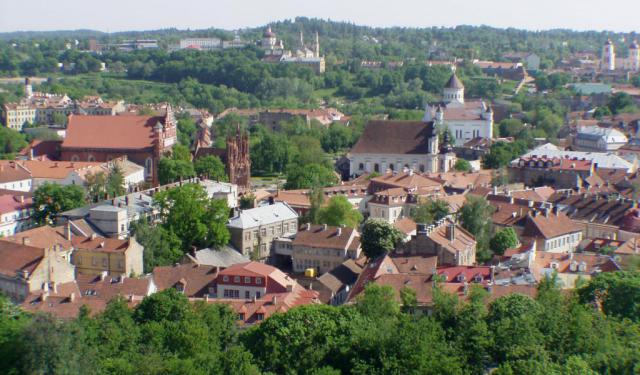


Audio Guide: Vilnius Old Town Walking Tour (Self Guided), Vilnius
Legend has it that Grand Duke Gediminas dreamed of an iron wolf howling on a hill, inspiring him to found a city that would grow into today’s Vilnius. Centuries later, in 1812, when Napoleon passed through Vilnius during his Russian campaign, he reportedly described the city as “a pearl of the north, full of charm and surprises.”
Vilnius, the capital of Lithuania, is one of Eastern Europe’s oldest and most picturesque cities. Its name comes from the nearby Vilnia River, believed to derive from the Lithuanian word vilnis, meaning “wave” or “ripple,” reflecting the river’s flowing character and the city’s dynamic spirit.
The city’s origins trace back to the early 14th century, when Grand Duke Gediminas established his residence at the confluence of the Neris and Vilnia rivers. In 1323, he famously invited European merchants and craftsmen to settle in Vilnius, promising protection and religious freedom. This marked the beginning of the city’s rise as a thriving, multicultural hub at the crossroads of trade between Western and Eastern Europe.
By the 15th century, Vilnius had become the political and cultural heart of the Grand Duchy of Lithuania. Its skyline grew rich with Gothic churches, Renaissance palaces, and later Baroque masterpieces. The founding of Vilnius University in 1579-the oldest in Eastern Europe-further established the city as a center of learning and intellectual life.
The late 18th and 19th centuries brought major changes. After the partitions of the Polish–Lithuanian Commonwealth, Vilnius fell under Russian rule, which suppressed its Lithuanian identity. Despite these challenges, the city remained a cultural beacon. In the 20th century, it endured occupations by Poland, Nazi Germany, and the Soviet Union, before finally reclaiming its status as the capital of an independent Lithuania in 1990.
Today, Vilnius is celebrated for its beautifully preserved Old Town, a UNESCO World Heritage Site. Walking through its cobblestone streets, visitors encounter colorful Baroque façades, hidden courtyards, and lively squares. Highlights include the majestic Vilnius Cathedral and its bell tower, the ornate St. Anne’s Church, and the bustling Pilies Street lined with cafés, galleries, and boutiques. Medieval gates, quaint alleyways, and vibrant street performers create an immersive experience where history and everyday life intertwine.
As you wander through the streets of Vilnius Old Town, it’s easy to imagine Gediminas’ iron wolf howling on that hill and to feel the energy Napoleon once admired. The city continues to surprise and captivate, proving that this “pearl of the north” still lives up to its legendary beginnings.
Vilnius, the capital of Lithuania, is one of Eastern Europe’s oldest and most picturesque cities. Its name comes from the nearby Vilnia River, believed to derive from the Lithuanian word vilnis, meaning “wave” or “ripple,” reflecting the river’s flowing character and the city’s dynamic spirit.
The city’s origins trace back to the early 14th century, when Grand Duke Gediminas established his residence at the confluence of the Neris and Vilnia rivers. In 1323, he famously invited European merchants and craftsmen to settle in Vilnius, promising protection and religious freedom. This marked the beginning of the city’s rise as a thriving, multicultural hub at the crossroads of trade between Western and Eastern Europe.
By the 15th century, Vilnius had become the political and cultural heart of the Grand Duchy of Lithuania. Its skyline grew rich with Gothic churches, Renaissance palaces, and later Baroque masterpieces. The founding of Vilnius University in 1579-the oldest in Eastern Europe-further established the city as a center of learning and intellectual life.
The late 18th and 19th centuries brought major changes. After the partitions of the Polish–Lithuanian Commonwealth, Vilnius fell under Russian rule, which suppressed its Lithuanian identity. Despite these challenges, the city remained a cultural beacon. In the 20th century, it endured occupations by Poland, Nazi Germany, and the Soviet Union, before finally reclaiming its status as the capital of an independent Lithuania in 1990.
Today, Vilnius is celebrated for its beautifully preserved Old Town, a UNESCO World Heritage Site. Walking through its cobblestone streets, visitors encounter colorful Baroque façades, hidden courtyards, and lively squares. Highlights include the majestic Vilnius Cathedral and its bell tower, the ornate St. Anne’s Church, and the bustling Pilies Street lined with cafés, galleries, and boutiques. Medieval gates, quaint alleyways, and vibrant street performers create an immersive experience where history and everyday life intertwine.
As you wander through the streets of Vilnius Old Town, it’s easy to imagine Gediminas’ iron wolf howling on that hill and to feel the energy Napoleon once admired. The city continues to surprise and captivate, proving that this “pearl of the north” still lives up to its legendary beginnings.
How it works: Download the app "GPSmyCity: Walks in 1K+ Cities" from Apple App Store or Google Play Store to your mobile phone or tablet. The app turns your mobile device into a personal tour guide and its built-in GPS navigation functions guide you from one tour stop to next. The app works offline, so no data plan is needed when traveling abroad.
Download The GPSmyCity App



Vilnius Old Town Walking Tour Map
Guide Name: Vilnius Old Town Walking Tour
Guide Location: Lithuania » Vilnius (See other walking tours in Vilnius)
Guide Type: Self-guided Walking Tour (Sightseeing)
Tour Duration: 2 Hour(s)
Travel Distance: 4.5 Km or 2.8 Miles
Guide Location: Lithuania » Vilnius (See other walking tours in Vilnius)
Guide Type: Self-guided Walking Tour (Sightseeing)
Tour Duration: 2 Hour(s)
Travel Distance: 4.5 Km or 2.8 Miles
Sights Featured in This Walk
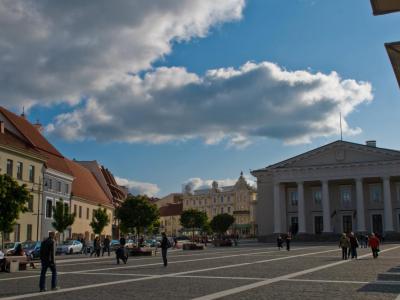
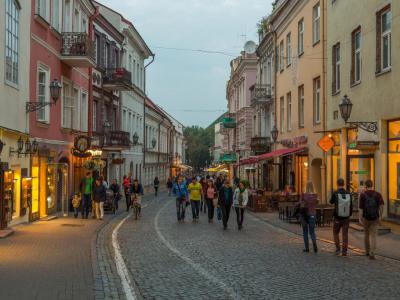

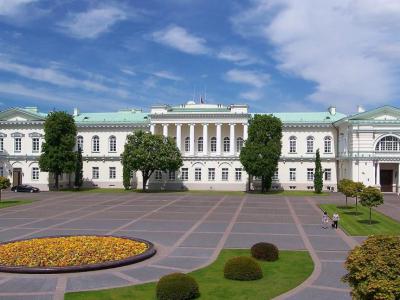
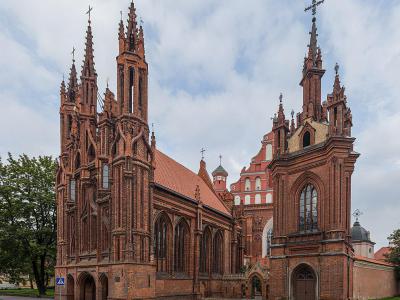
5) St. Anne's Church (must see)

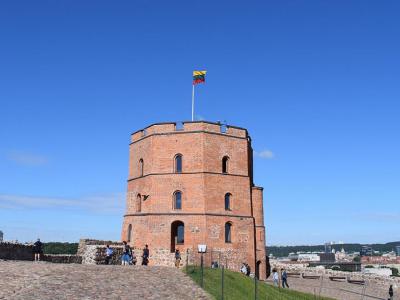
7) Gediminas Tower (must see)

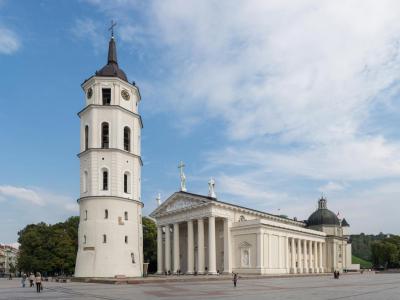
9) Vilnius Cathedral (must see)
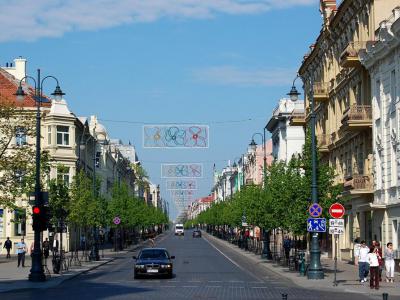
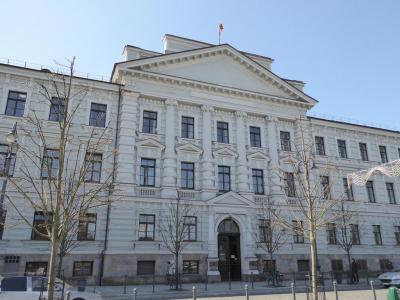
11) KGB Museum (must see)
Walking Tours in Vilnius, Lithuania

Create Your Own Walk in Vilnius
Creating your own self-guided walk in Vilnius is easy and fun. Choose the city attractions that you want to see and a walk route map will be created just for you. You can even set your hotel as the start point of the walk.
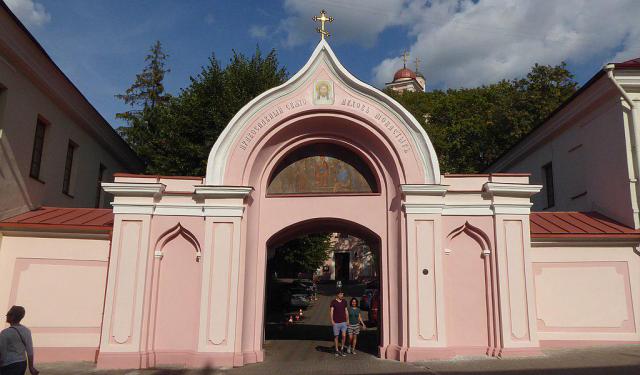
Historical Churches Tour
As the seat of the Roman Catholic Archdiocese and the Russian Orthodox Diocese of Lithuania, Vilnius boasts a wealth of gorgeous churches featuring diverse architectural styles – Gothic, Baroque, to mention but a few. Many of the local churches are historical, having witnessed centuries of events and become iconic landmarks of the Lithuanian capital.
One of the most famous temples in Vilnius... view more
Tour Duration: 1 Hour(s)
Travel Distance: 1.4 Km or 0.9 Miles
One of the most famous temples in Vilnius... view more
Tour Duration: 1 Hour(s)
Travel Distance: 1.4 Km or 0.9 Miles
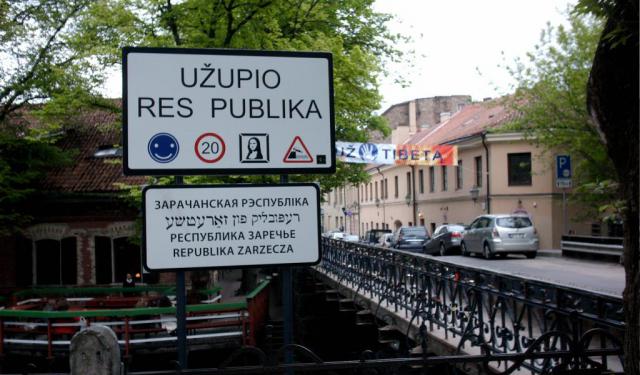
Užupis District Walking Tour
A tiny isolated area and a former suburb, which now forms part of the Old Town of Vilnius, the Uzupis district is often compared, for its bohemian and laissez-faire atmosphere, to Montmartre of Paris and Freetown Christiania of Copenhagen. Similarly to the latter, in 1997, the district declared itself an independent republic; the tongue-in-cheek constitution of the self-proclaimed “republic”,... view more
Tour Duration: 1 Hour(s)
Travel Distance: 1.2 Km or 0.7 Miles
Tour Duration: 1 Hour(s)
Travel Distance: 1.2 Km or 0.7 Miles
The Most Popular Cities
/ view all