


Shanghai Introduction Walking Tour (Self Guided), Shanghai
Perhaps more than any other Chinese city, Shanghai deserves to be called the “face of modern China.” Despite modern look, the city emerged on a map as far back as 751 AD. Shanghai County was established under the Yuan Dynasty in the 13th century, although the city character, as we know it today, began to take shape in the aftermath of the first Opium War in 1842. The post-war treaty opened Shanghai to international trade, bringing the influx of cosmopolitan adventurers from around the world searching for easy fortune. And they sure found it in Shanghai, prompting the city's rapid development to the glamorous shine still visible today in the opulent facades along the famous Bund and the downtown area.
That flow of migrants entailed a construction boom, leaving mark on Shanghai's architectural scape. The eclectic, vibrant mix of colonial, Art Deco, and postmodern influences has made Shanghai an architectural wonder equally appreciated by both idle wanderers and cultured professionals.
Over the years, Shanghai has evoked many associations and labels, such as “Paris of the East”, “Paradise of Adventurers”, “Queen of Eastern Settlements”, “New York of the Far East”, “City of Palaces”, and “Yellow Babylon of the Far East”, to mention but a few. Each nickname has some truth to it, reflecting the city's outstanding trading location at the mouth of the Yangtze River.
Centuries on, trade remains as important to Shanghai as ever, particularly now that the city undertakes one of the most daring development programs the world has ever known. The economic rise of China since the mid-1990s, echoing the construction boom of the 1930s, has refreshed the city skyline with thousands of brand-new high-risers and some of the world’s tallest skyscrapers, such as the Shanghai Tower, the World Financial Center, and the Jinmao Tower. Shanghai's fondness of high-rising projects doesn't stop here and has hundreds more in the planning.
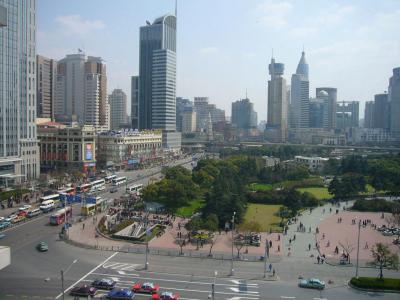
This self-guided introductory walking tour of Shanghai takes you to some of the glitziest as well as traditional spots in the city, starting with The People's Square, passing by the famous Bund promenade, the lovely traditional Yuyuan Garden, and culminating with the timeless Shanghai Confucian Temple.
That flow of migrants entailed a construction boom, leaving mark on Shanghai's architectural scape. The eclectic, vibrant mix of colonial, Art Deco, and postmodern influences has made Shanghai an architectural wonder equally appreciated by both idle wanderers and cultured professionals.
Over the years, Shanghai has evoked many associations and labels, such as “Paris of the East”, “Paradise of Adventurers”, “Queen of Eastern Settlements”, “New York of the Far East”, “City of Palaces”, and “Yellow Babylon of the Far East”, to mention but a few. Each nickname has some truth to it, reflecting the city's outstanding trading location at the mouth of the Yangtze River.
Centuries on, trade remains as important to Shanghai as ever, particularly now that the city undertakes one of the most daring development programs the world has ever known. The economic rise of China since the mid-1990s, echoing the construction boom of the 1930s, has refreshed the city skyline with thousands of brand-new high-risers and some of the world’s tallest skyscrapers, such as the Shanghai Tower, the World Financial Center, and the Jinmao Tower. Shanghai's fondness of high-rising projects doesn't stop here and has hundreds more in the planning.
This self-guided introductory walking tour of Shanghai takes you to some of the glitziest as well as traditional spots in the city, starting with The People's Square, passing by the famous Bund promenade, the lovely traditional Yuyuan Garden, and culminating with the timeless Shanghai Confucian Temple.
How it works: Download the app "GPSmyCity: Walks in 1K+ Cities" from Apple App Store or Google Play Store to your mobile phone or tablet. The app turns your mobile device into a personal tour guide and its built-in GPS navigation functions guide you from one tour stop to next. The app works offline, so no data plan is needed when traveling abroad.
Download The GPSmyCity App



Shanghai Introduction Walking Tour Map
Guide Name: Shanghai Introduction Walking Tour
Guide Location: China » Shanghai (See other walking tours in Shanghai)
Guide Type: Self-guided Walking Tour (Sightseeing)
Tour Duration: 3 Hour(s)
Travel Distance: 6.2 Km or 3.9 Miles
Guide Location: China » Shanghai (See other walking tours in Shanghai)
Guide Type: Self-guided Walking Tour (Sightseeing)
Tour Duration: 3 Hour(s)
Travel Distance: 6.2 Km or 3.9 Miles
Sights Featured in This Walk
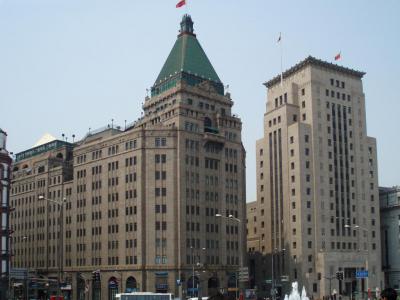
3) Peace Hotel (must see)
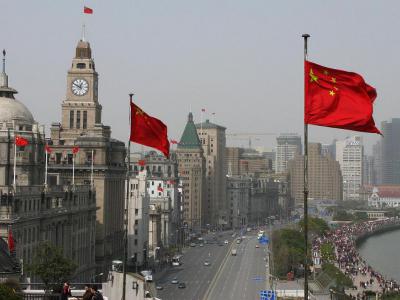
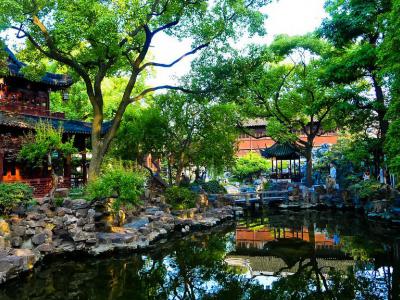
5) Yuyuan Garden (must see)
Walking Tours in Shanghai, China

Create Your Own Walk in Shanghai
Creating your own self-guided walk in Shanghai is easy and fun. Choose the city attractions that you want to see and a walk route map will be created just for you. You can even set your hotel as the start point of the walk.

Shanghai Old Town Walking Tour
The Old Town of Shanghai, historically the heart of the city, is a part of Shanghai's urban core. Shanghai's importance as a trade hub led to its elevation to county status in 1292. In 1554, during the Ming Dynasty, the area was surrounded by protective walls to safeguard against Japanese pirate raids and remained so until 1912, when the walls were dismantled.
During the colonial era,... view more
Tour Duration: 2 Hour(s)
Travel Distance: 4.0 Km or 2.5 Miles
During the colonial era,... view more
Tour Duration: 2 Hour(s)
Travel Distance: 4.0 Km or 2.5 Miles

Souvenirs Shopping Walk
Leaving Shanghai without calling local shops and procuring something truly original to bring home as a souvenir would be a pity. Indeed, souvenir shopping in Shanghai is an exciting experience.
Nanjing Road, commonly known as Nanjing Lu – Asia's longest and perhaps most famous thoroughfare – is a popular destination in Shanghai. Here, you can find a plethora of shops and boutiques... view more
Tour Duration: 2 Hour(s)
Travel Distance: 3.7 Km or 2.3 Miles
Nanjing Road, commonly known as Nanjing Lu – Asia's longest and perhaps most famous thoroughfare – is a popular destination in Shanghai. Here, you can find a plethora of shops and boutiques... view more
Tour Duration: 2 Hour(s)
Travel Distance: 3.7 Km or 2.3 Miles

The Bund Sightseeing Tour
The Bund is a waterfront area and a protected historical district in central Shanghai. The term "bund" was borrowed into English from Hindi and originally referred to a dyke or embankment. The Chinese name for the Bund is unrelated in origin: it literally means "outer bank", and distinguishes this part of the riverfront from the "inner bank" adjacent to the Old Town... view more
Tour Duration: 1 Hour(s)
Travel Distance: 1.1 Km or 0.7 Miles
Tour Duration: 1 Hour(s)
Travel Distance: 1.1 Km or 0.7 Miles
Useful Travel Guides for Planning Your Trip

15 Uniquely Chinese Things to Buy in Shanghai
Prepare a Shanghai surprise for your loved ones back home! Bring them a piece of exciting China from one of the country's most iconic destinations. Luckily, the choice of things fit to do the job is enormous. All you need is a knowledgeable advice on where to go to get a fair price and decent...
The Most Popular Cities
/ view all