


Shanghai Old Town Walking Tour (Self Guided), Shanghai
The Old Town of Shanghai, historically the heart of the city, is a part of Shanghai's urban core. Shanghai's importance as a trade hub led to its elevation to county status in 1292. In 1554, during the Ming Dynasty, the area was surrounded by protective walls to safeguard against Japanese pirate raids and remained so until 1912, when the walls were dismantled.
During the colonial era, with the advent of foreign concessions that developed to the north and west in Shanghai, the Old Town remained under Chinese control. It served as a densely populated district for Chinese migrants and became known as the "Chinese City."
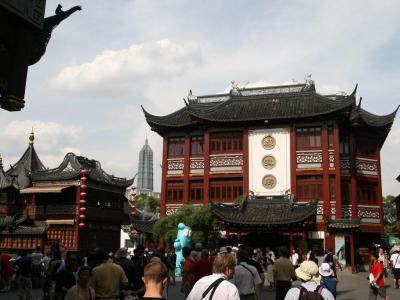
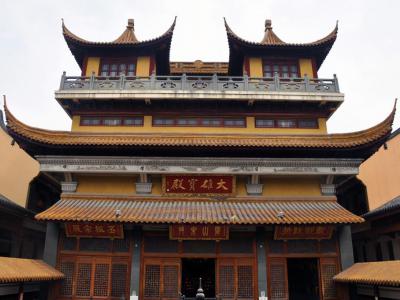
Today, the Old Town retains some historical features. One of its must-visit places is the Shanghai Town God's Temple, which dates back to the 15th century. It's a Taoist temple where locals used to worship the town's protective deities. Visitors can explore the intricate architecture and soak in the spiritual atmosphere.
For those interested in antiques and unique souvenirs, the Antiques Market of Shanghai Old Town is a treasure trove. It's a bustling marketplace where you can find ancient Chinese artifacts, traditional handicrafts, and one-of-a-kind collectibles.
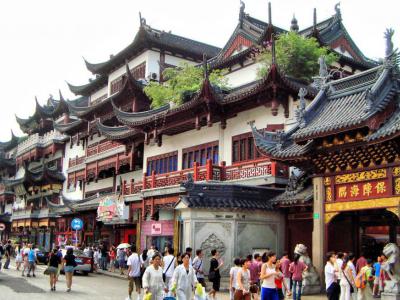
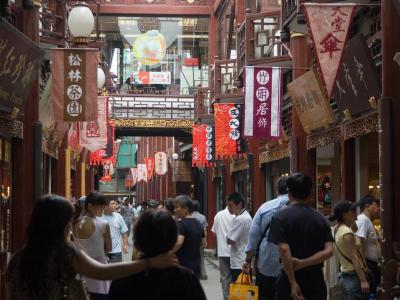
Yuyuan Bazaar is another vibrant spot in the area, known for its lively atmosphere and street food stalls. Here, you can savor delicious local snacks and shop for traditional Chinese goods.
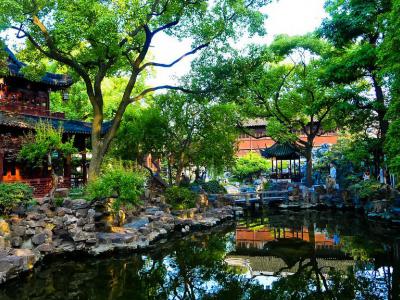
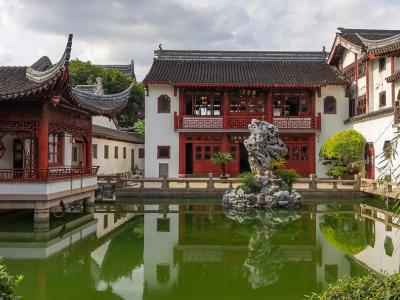
Adjacent to the bazaar is the Yuyuan Garden, a classical Chinese garden that dates back to the Ming Dynasty. Its exquisite design includes pavilions, bridges, and beautiful flora, making it a serene escape from the city's hustle and bustle.
Shanghai Old Town is also home to the Shanghai Confucian Temple, which pays homage to the revered Chinese philosopher Confucius. This temple is a place of contemplation and a glimpse into Confucian traditions.
On this self-guided walk, you will have a chance to explore the Old Town's transformation, from its Ming Dynasty roots to its role in early 20th-century Shanghai, all while witnessing the blend of ancient and modern architecture that defines this historic neighborhood. Those interested in spirituality, shopping, or history, will find it all here in equal measure. For a deeper appreciation of China's heritage, we encourage you to take this journey.
During the colonial era, with the advent of foreign concessions that developed to the north and west in Shanghai, the Old Town remained under Chinese control. It served as a densely populated district for Chinese migrants and became known as the "Chinese City."
Today, the Old Town retains some historical features. One of its must-visit places is the Shanghai Town God's Temple, which dates back to the 15th century. It's a Taoist temple where locals used to worship the town's protective deities. Visitors can explore the intricate architecture and soak in the spiritual atmosphere.
For those interested in antiques and unique souvenirs, the Antiques Market of Shanghai Old Town is a treasure trove. It's a bustling marketplace where you can find ancient Chinese artifacts, traditional handicrafts, and one-of-a-kind collectibles.
Yuyuan Bazaar is another vibrant spot in the area, known for its lively atmosphere and street food stalls. Here, you can savor delicious local snacks and shop for traditional Chinese goods.
Adjacent to the bazaar is the Yuyuan Garden, a classical Chinese garden that dates back to the Ming Dynasty. Its exquisite design includes pavilions, bridges, and beautiful flora, making it a serene escape from the city's hustle and bustle.
Shanghai Old Town is also home to the Shanghai Confucian Temple, which pays homage to the revered Chinese philosopher Confucius. This temple is a place of contemplation and a glimpse into Confucian traditions.
On this self-guided walk, you will have a chance to explore the Old Town's transformation, from its Ming Dynasty roots to its role in early 20th-century Shanghai, all while witnessing the blend of ancient and modern architecture that defines this historic neighborhood. Those interested in spirituality, shopping, or history, will find it all here in equal measure. For a deeper appreciation of China's heritage, we encourage you to take this journey.
How it works: Download the app "GPSmyCity: Walks in 1K+ Cities" from Apple App Store or Google Play Store to your mobile phone or tablet. The app turns your mobile device into a personal tour guide and its built-in GPS navigation functions guide you from one tour stop to next. The app works offline, so no data plan is needed when traveling abroad.
Download The GPSmyCity App



Shanghai Old Town Walking Tour Map
Guide Name: Shanghai Old Town Walking Tour
Guide Location: China » Shanghai (See other walking tours in Shanghai)
Guide Type: Self-guided Walking Tour (Sightseeing)
Tour Duration: 2 Hour(s)
Travel Distance: 4.0 Km or 2.5 Miles
Guide Location: China » Shanghai (See other walking tours in Shanghai)
Guide Type: Self-guided Walking Tour (Sightseeing)
Tour Duration: 2 Hour(s)
Travel Distance: 4.0 Km or 2.5 Miles
Sights Featured in This Walk
4) Yuyuan Garden (must see)


Walking Tours in Shanghai, China

Create Your Own Walk in Shanghai
Creating your own self-guided walk in Shanghai is easy and fun. Choose the city attractions that you want to see and a walk route map will be created just for you. You can even set your hotel as the start point of the walk.

Souvenirs Shopping Walk
Leaving Shanghai without calling local shops and procuring something truly original to bring home as a souvenir would be a pity. Indeed, souvenir shopping in Shanghai is an exciting experience.
Nanjing Road, commonly known as Nanjing Lu – Asia's longest and perhaps most famous thoroughfare – is a popular destination in Shanghai. Here, you can find a plethora of shops and boutiques... view more
Tour Duration: 2 Hour(s)
Travel Distance: 3.7 Km or 2.3 Miles
Nanjing Road, commonly known as Nanjing Lu – Asia's longest and perhaps most famous thoroughfare – is a popular destination in Shanghai. Here, you can find a plethora of shops and boutiques... view more
Tour Duration: 2 Hour(s)
Travel Distance: 3.7 Km or 2.3 Miles

Shanghai Introduction Walking Tour
Perhaps more than any other Chinese city, Shanghai deserves to be called the “face of modern China.” Despite modern look, the city emerged on a map as far back as 751 AD. Shanghai County was established under the Yuan Dynasty in the 13th century, although the city character, as we know it today, began to take shape in the aftermath of the first Opium War in 1842. The post-war treaty opened... view more
Tour Duration: 3 Hour(s)
Travel Distance: 6.2 Km or 3.9 Miles
Tour Duration: 3 Hour(s)
Travel Distance: 6.2 Km or 3.9 Miles

The Bund Sightseeing Tour
The Bund is a waterfront area and a protected historical district in central Shanghai. The term "bund" was borrowed into English from Hindi and originally referred to a dyke or embankment. The Chinese name for the Bund is unrelated in origin: it literally means "outer bank", and distinguishes this part of the riverfront from the "inner bank" adjacent to the Old Town... view more
Tour Duration: 1 Hour(s)
Travel Distance: 1.1 Km or 0.7 Miles
Tour Duration: 1 Hour(s)
Travel Distance: 1.1 Km or 0.7 Miles
Useful Travel Guides for Planning Your Trip

15 Uniquely Chinese Things to Buy in Shanghai
Prepare a Shanghai surprise for your loved ones back home! Bring them a piece of exciting China from one of the country's most iconic destinations. Luckily, the choice of things fit to do the job is enormous. All you need is a knowledgeable advice on where to go to get a fair price and decent...
The Most Popular Cities
/ view all