


Newtown Street Murals Walking Tour (Self Guided), Sydney
Whenever you think of street art in Sydney, one suburb immediately springs to mind and that is Newtown. Largely regarded as Sydney’s coolest neighborhood, this is a ground zero of the city's mural art scene.
Ever since the early 1990s, with the appearance of the famous “I Have a Dream” Mural on King Street, a powerful depiction of Martin Luther King Junior's iconic speech, this area has been attracting artists with a message, adding a colorful coat of paint to its walls.
Nearby, the "Africa" Mural pays homage to the rich cultural heritage of the continent, with its vibrant palette celebrating African diversity.
The "Live Outside" Mural encourages viewers to embrace the outdoors and reconnect with nature amid the bustling city. It's a tribute to the importance of our environment.
On the other hand, the "Hide and Seek" Mural adds an element of whimsy to the street, inviting passersby to engage in a playful game of imagination.
The "Wyrd Sisters" Mural by Ox King showcases the talent of local artists with their unique styles and narratives.
In the same vein, "The Emperor’s Daughter" Mural narrates a captivating story through its visuals, inviting viewers to interpret its meaning and engage in a dialogue with the artwork.
Finally, "The Housing Bubble" Mural tackles contemporary issues, raising awareness about the housing crisis and its impact on the community.
If you want to get away from the steel skyscrapers and explore a quaint and funky suburb with some of Sydney’s most prominent murals, take a stroll through Newtown on this self-guided tour and admire its captivating wall paintings!
Ever since the early 1990s, with the appearance of the famous “I Have a Dream” Mural on King Street, a powerful depiction of Martin Luther King Junior's iconic speech, this area has been attracting artists with a message, adding a colorful coat of paint to its walls.
Nearby, the "Africa" Mural pays homage to the rich cultural heritage of the continent, with its vibrant palette celebrating African diversity.
The "Live Outside" Mural encourages viewers to embrace the outdoors and reconnect with nature amid the bustling city. It's a tribute to the importance of our environment.
On the other hand, the "Hide and Seek" Mural adds an element of whimsy to the street, inviting passersby to engage in a playful game of imagination.
The "Wyrd Sisters" Mural by Ox King showcases the talent of local artists with their unique styles and narratives.
In the same vein, "The Emperor’s Daughter" Mural narrates a captivating story through its visuals, inviting viewers to interpret its meaning and engage in a dialogue with the artwork.
Finally, "The Housing Bubble" Mural tackles contemporary issues, raising awareness about the housing crisis and its impact on the community.
If you want to get away from the steel skyscrapers and explore a quaint and funky suburb with some of Sydney’s most prominent murals, take a stroll through Newtown on this self-guided tour and admire its captivating wall paintings!
How it works: Download the app "GPSmyCity: Walks in 1K+ Cities" from Apple App Store or Google Play Store to your mobile phone or tablet. The app turns your mobile device into a personal tour guide and its built-in GPS navigation functions guide you from one tour stop to next. The app works offline, so no data plan is needed when traveling abroad.
Download The GPSmyCity App



Newtown Street Murals Walking Tour Map
Guide Name: Newtown Street Murals Walking Tour
Guide Location: Australia » Sydney (See other walking tours in Sydney)
Guide Type: Self-guided Walking Tour (Sightseeing)
Tour Duration: 1 Hour(s)
Travel Distance: 1.3 Km or 0.8 Miles
Guide Location: Australia » Sydney (See other walking tours in Sydney)
Guide Type: Self-guided Walking Tour (Sightseeing)
Tour Duration: 1 Hour(s)
Travel Distance: 1.3 Km or 0.8 Miles
Sights Featured in This Walk


Walking Tours in Sydney, Australia

Create Your Own Walk in Sydney
Creating your own self-guided walk in Sydney is easy and fun. Choose the city attractions that you want to see and a walk route map will be created just for you. You can even set your hotel as the start point of the walk.
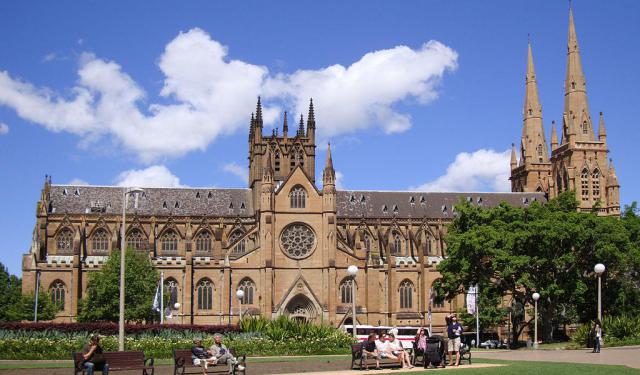
Sydney's Historical Churches
Over the years, Sydney's historical churches have aroused a sense of admiration in many beholders. Some of these buildings have even become iconic symbols of Sydney, well worth going a good way to see as vivid examples of both historical and architectural value.
The impressive Early English-style of architecture seen in Saint Mary's Cathedral is said to have inspired the American... view more
Tour Duration: 1 Hour(s)
Travel Distance: 3.2 Km or 2 Miles
The impressive Early English-style of architecture seen in Saint Mary's Cathedral is said to have inspired the American... view more
Tour Duration: 1 Hour(s)
Travel Distance: 3.2 Km or 2 Miles
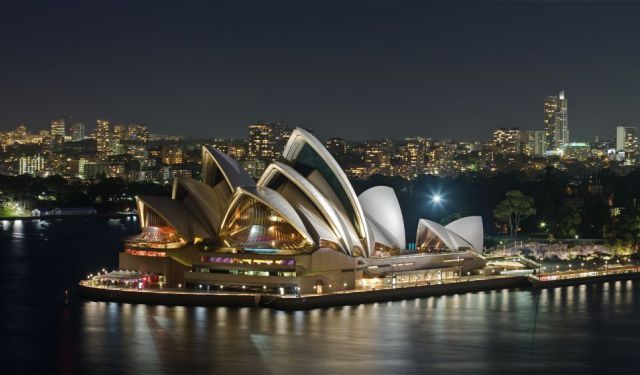
Sydney Introduction Walking Tour
Sydney has a way of introducing itself before you even say hello. With its busy harbour, layered history, and cultural mash-up shaped over millennia, this city doesn’t wait for an invitation. Long before its skyline took shape, the region was home to the Aboriginal peoples of the Eora Nation, including the one called Gadigal, whose deep connection to land and water shaped everything-from fishing... view more
Tour Duration: 2 Hour(s)
Travel Distance: 3.5 Km or 2.2 Miles
Tour Duration: 2 Hour(s)
Travel Distance: 3.5 Km or 2.2 Miles
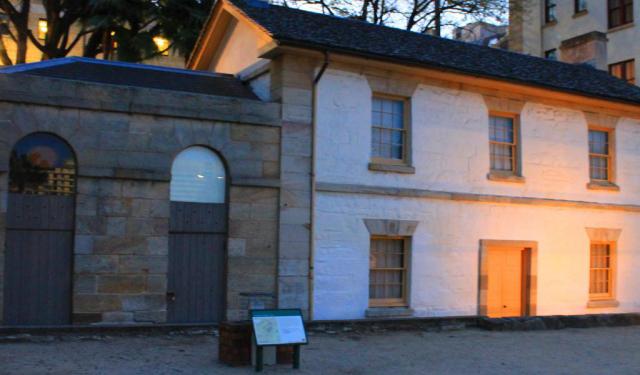
The Rocks Walking Tour
The Rocks is Sydney’s oldest European-settled neighbourhood and the place where the city’s colonial history kicked off-and it did so loudly, in boots and chains... In January 1788, the First Fleet came ashore at nearby Sydney Cove, setting up a British penal colony on land that had long belonged to the Aboriginal Gadigal people of the Eora Nation. Almost immediately, rough shelters,... view more
Tour Duration: 1 Hour(s)
Travel Distance: 1.2 Km or 0.7 Miles
Tour Duration: 1 Hour(s)
Travel Distance: 1.2 Km or 0.7 Miles
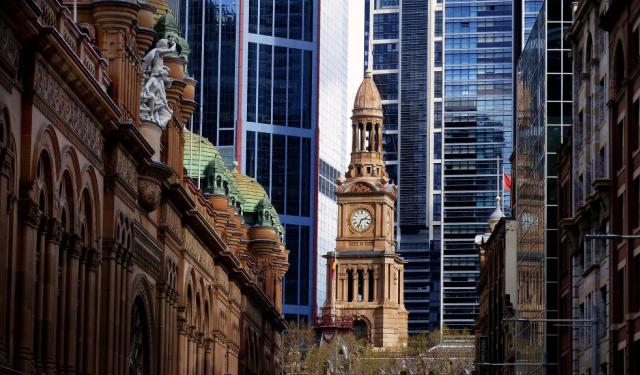
Historic Buildings Walking Tour
One of the Australia’s largest cities, Sydney is also the country's oldest metropolis. It has no shortage of impressive historical buildings, some dating back as far as the early 19th century. Many of the local landmarks, such as Sydney Town Hall, Queen Victoria Building (QVB), Hyde Park Barracks and others, are wonders in their own right and fit to delight any history buff.
One can... view more
Tour Duration: 2 Hour(s)
Travel Distance: 3.1 Km or 1.9 Miles
One can... view more
Tour Duration: 2 Hour(s)
Travel Distance: 3.1 Km or 1.9 Miles
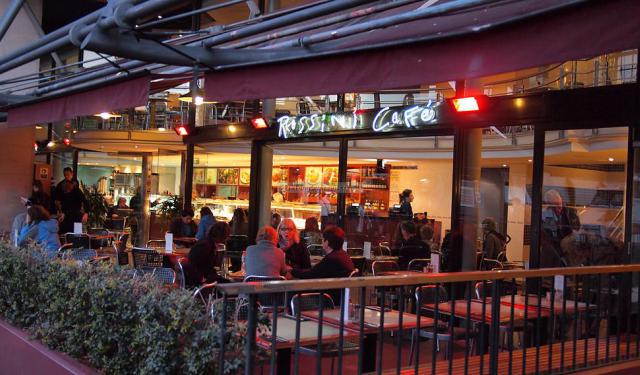
Food Tour in Sydney
Sydney eats the way it lives: facing the water, open to the world, and shaped by whoever happens to arrive next. As a port city and long-time migrant gateway, its food culture grew from exchange rather than tradition and today is defined by openness and variety. Here, you'll find a relaxed but confident mix of everyday multicultural eating and destination dining.
Indeed, Sydney's... view more
Tour Duration: 1 Hour(s)
Travel Distance: 2.2 Km or 1.4 Miles
Indeed, Sydney's... view more
Tour Duration: 1 Hour(s)
Travel Distance: 2.2 Km or 1.4 Miles
Useful Travel Guides for Planning Your Trip

Top 15 Aussie Souvenirs to Bring Home from Sydney
"You haven't been anywhere if you haven't been to Australia," they say, and you'd definitely want something tangible in hand to remind you of the g'days spent Down Under. In Sydney, you will find tonnes of distinctly Oz products that would serve this purpose...
The Most Popular Cities
/ view all