

Old Town Churches Walking Tour (Self Guided), Vienna
Sitting at "the crossroads of Christian traditions", Vienna is home to various Christian denominations: Catholic, Protestant, Eastern Orthodox, and others. The majority of local Christians are Catholics, which explains the strong influence of Roman Catholicism in the local architecture.
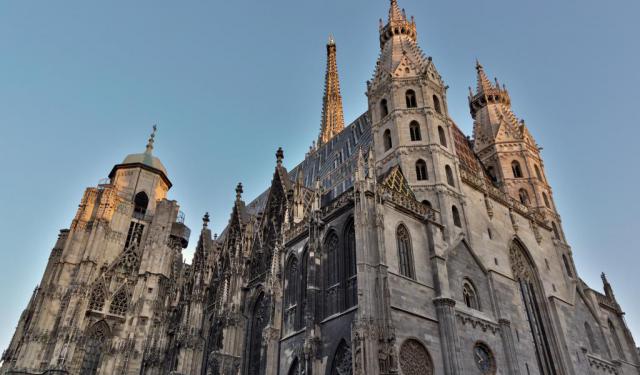
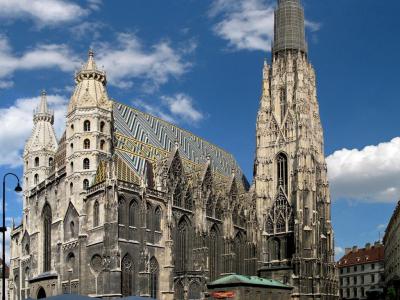
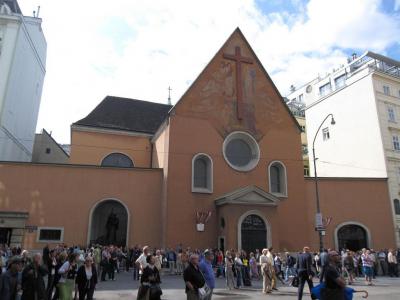
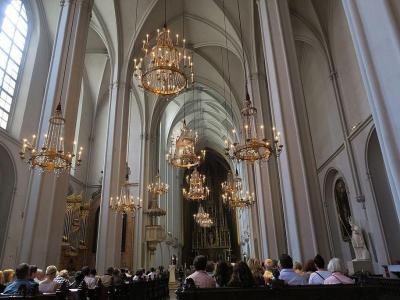
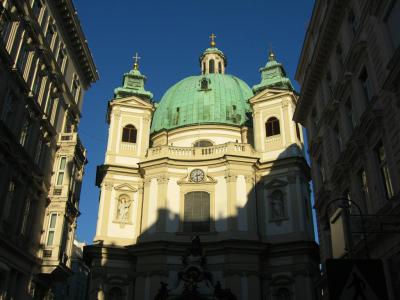
Indeed, the city is dotted with numerous Catholic churches and monasteries, many of which are true architectural marvels. The majestic Stephansdom (St Stephen's Cathedral), a Gothic masterpiece with its distinctive diamond-patterned roof tiles, is by far the main "jewel of Vienna's skyline". Located nearby is another masterpiece – of Baroque style – the charming Peterskirche (St Peter's Church), whose ornate interiors are said to be able to "transport you to another era".
Protestant denominations, including Lutheranism, presented in the form of the Lutherische Stadtkirche Wien (Lutheran City Church), also have a significant presence in Vienna.
These and other sanctuaries of art and spirituality, "where beauty meets devotion," never fail to impress visitors with their historic appeal and magnificent looks. A visit to Vienna is incomplete without marveling at the grandeur of local churches. To capture the spirit of the city's Christian tradition and, perhaps, experience the awe and reverence associated with its temples, you may wish to take this self-guided voyage.
Download The GPSmyCity App



Old Town Churches Walking Tour Map
Map Instructions: (1) Click the "Nearby Sights" button  to view the nearby attractions; (2) click a map pin to see sight information.
Guide Location: Austria » Vienna (See other walking tours in Vienna)
Guide Type: Self-guided Walking Tour (Sightseeing)
Tour Duration: 2 Hour(s)
Travel Distance: 3.9 Km or 2.4 Miles
Sights Featured in This Walk


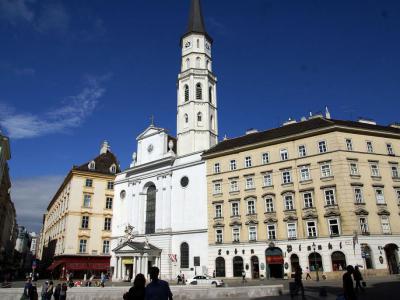


WalkBuilder (customize this walk or build your own)Use the WalkBuilder tool below to customize this walk to suit your interests. Instructions: click at the upper right corner in the map above to view other sights in the city. To learn more about a sight, click a map pin. Click the "+" or "–" to add or remove a sight from the walk. To reorder the selected sights, simply drag and move them up or down the list in the left column.
|
||||||||
|
||||||||
Frequently Asked Questions1. How do I access my walking tour in Vienna? Save your walking tour on the website. Then download the GPSmyCity app from the Apple App Store or Google Play Store and sign in to your GPSmyCity account. Next, download "Vienna Map and Walking Tours" within the app. Your walk will appear on the Walks screen.
2. How do I view other attractions in Vienna?
3. How do I re-arrange the sight order?
4. Can I add my hotel to a walking tour?
5. Can I add my own sights to a walking tour?
6. How many sights can be included in a walking tour?
|
||||||||
Walking Tours in Vienna, Austria

Create Your Own Walk in Vienna
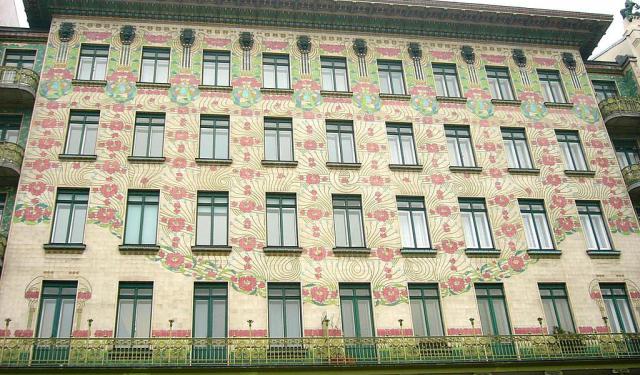
Vienna's Art Nouveau Architecture Tour II
Around the turn of the 20th century, the Austrian capital caught the Art Nouveau fever and decided that straight lines, drab walls, and historical imitation simply wouldn’t do anymore. Instead, it took to ornamental swirls, flowing curves, floral flourishes, and enough decorative detail... view more
Tour Duration: 1 Hour(s)
Travel Distance: 2.0 Km or 1.2 Miles
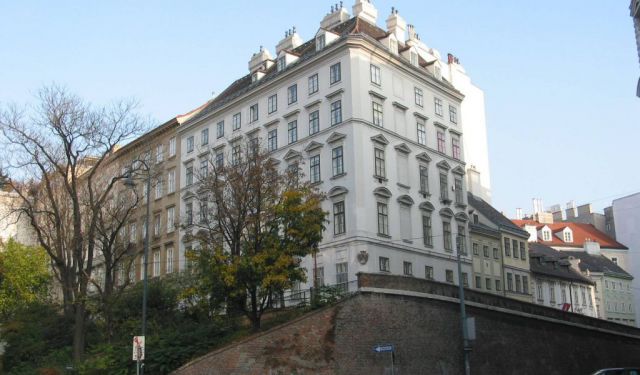
Famous Homes of Vienna
The often modest apartments of Vienna's famous... view more
Tour Duration: 2 Hour(s)
Travel Distance: 3.9 Km or 2.4 Miles
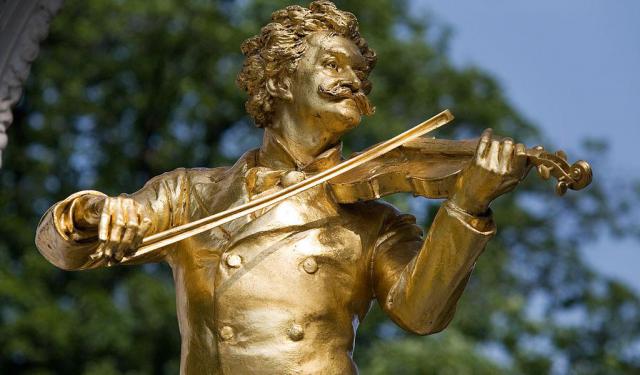
Johann Strauss Walking Tour
Strauss, the son had a personal connection with Vienna deeply rooted in its cultural fabric. Not only was he born here and spent most of his life, but also he achieved tremendous... view more
Tour Duration: 2 Hour(s)
Travel Distance: 4.1 Km or 2.5 Miles
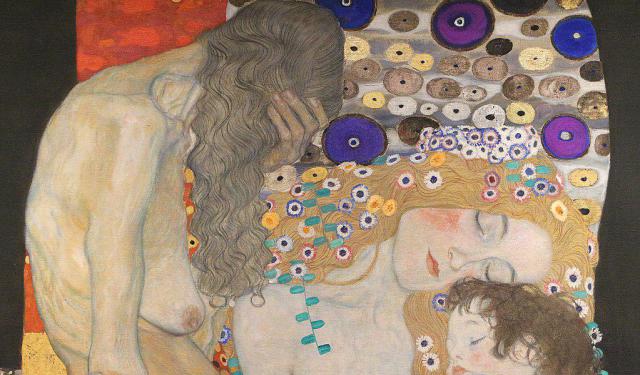
Klimt Paintings Tour
Klimt's name is indelibly linked to Vienna. The renowned symbolist painter was a prominent figure in the city. As a... view more
Tour Duration: 2 Hour(s)
Travel Distance: 3.7 Km or 2.3 Miles
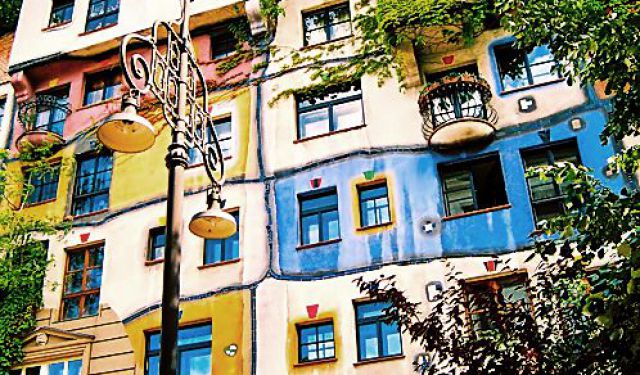
Vienna's Art Nouveau Architecture Tour I
Tour Duration: 2 Hour(s)
Travel Distance: 3.4 Km or 2.1 Miles
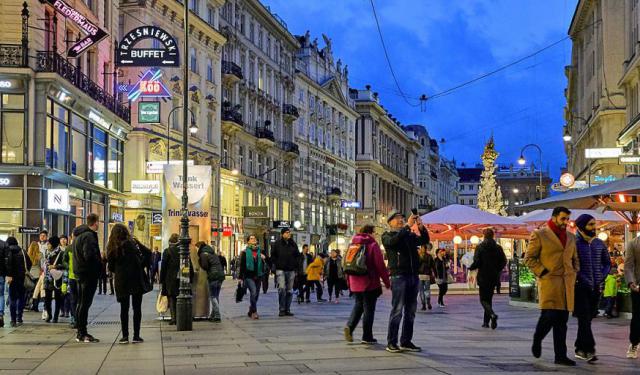
Vienna Introduction Walking Tour
Tour Duration: 3 Hour(s)
Travel Distance: 4.6 Km or 2.9 Miles
Useful Travel Guides for Planning Your Trip
Top 15 Austrian Things to Buy in Vienna
7 Ultimately Austrian Foods to Taste in Vienna