

Brighton Seafront Walking Tour (Self Guided), Brighton
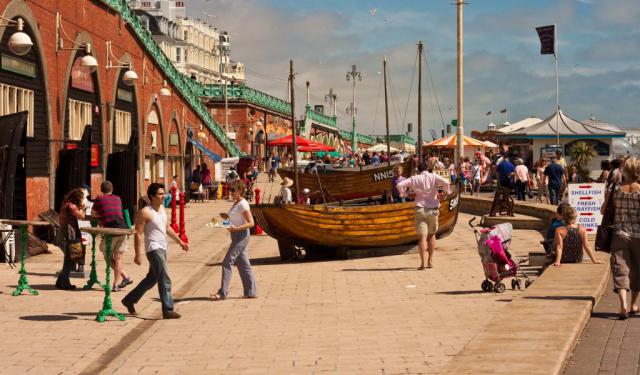
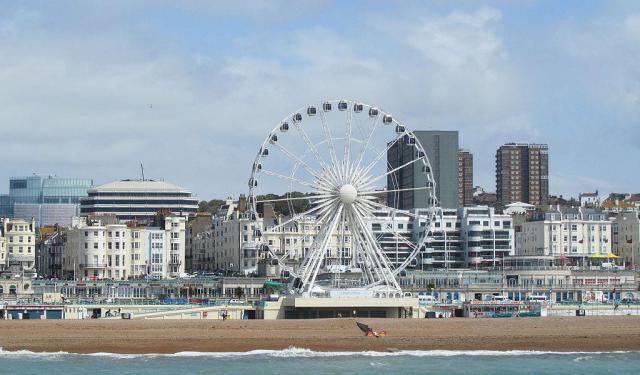
No trip to Brighton is complete without a stroll along the seaside. Here you will know right away that you’re in an English seaside resort, catching the scent of fish and chips and watching deckchairs fluttering in the breeze. Stretching along the pebbly coastline for nearly 5 miles, Brighton's promenade has that Victorian glamour with a dash of youthful energy and style, buzzing with life even after dark all year round.
Local attractions range from large-scale wonders to the offbeat and downright quirky. The foremost of them, undoubtedly, is the Brighton Palace Pier – a 1,722-ft long Victorian pier with a range of hot food and drink concessions, fairground attractions, two arcades, plus the huge indoor soft play area - ‘Palace Play’ - visiting which makes it a day to remember!
One of the many rides available on the Pier is Carousel, which is arguably the most iconic with its classic ponies, colorful decor and brilliant lights; suitable for all ages.
Practically next door is Sea Life Brighton, the Victorian aquarium, established since 1872, where you can learn about the creatures of the deep and watch a shark swimming over your head in the underwater tunnel.
In addition to these you will find a cornucopia of other cultural delights, such as Volk’s Electric Railway – is the oldest operating electric railway in the world; and Brighton Fishing Museum – an independent museum dedicated to the fishing industry of Brighton, located in an area known as the Fishing Quarter.
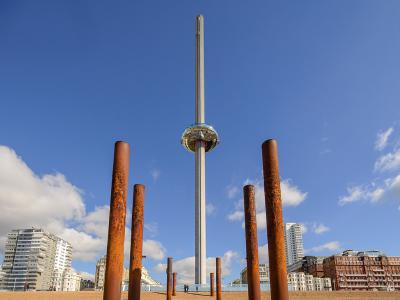
The newest attraction in the city is British Airways i360, a feat of modern engineering gliding visitors 450 feet into the air, offering spectacular panoramic views of the city, the sea and the countryside.
To learn more about Brighton's seafront attractions, take this self-guided walking tour.
Local attractions range from large-scale wonders to the offbeat and downright quirky. The foremost of them, undoubtedly, is the Brighton Palace Pier – a 1,722-ft long Victorian pier with a range of hot food and drink concessions, fairground attractions, two arcades, plus the huge indoor soft play area - ‘Palace Play’ - visiting which makes it a day to remember!
One of the many rides available on the Pier is Carousel, which is arguably the most iconic with its classic ponies, colorful decor and brilliant lights; suitable for all ages.
Practically next door is Sea Life Brighton, the Victorian aquarium, established since 1872, where you can learn about the creatures of the deep and watch a shark swimming over your head in the underwater tunnel.
In addition to these you will find a cornucopia of other cultural delights, such as Volk’s Electric Railway – is the oldest operating electric railway in the world; and Brighton Fishing Museum – an independent museum dedicated to the fishing industry of Brighton, located in an area known as the Fishing Quarter.
The newest attraction in the city is British Airways i360, a feat of modern engineering gliding visitors 450 feet into the air, offering spectacular panoramic views of the city, the sea and the countryside.
To learn more about Brighton's seafront attractions, take this self-guided walking tour.
How it works: Download the app "GPSmyCity: Walks in 1K+ Cities" from Apple App Store or Google Play Store to your mobile phone or tablet. The app turns your mobile device into a personal tour guide. For US$14.99 per year (with a 3-day free trial), you get access to walking tours in 630+ cities worldwide for an entire year. In comparison, a guided tour often costs dozens of dollars per person for a single tour. The app works offline, so no data plan is needed when traveling abroad.
Download The GPSmyCity App



Brighton Seafront Walking Tour Map
Guide Name: Brighton Seafront Walking Tour
Guide Location: England » Brighton (See other walking tours in Brighton)
Guide Type: Self-guided Walking Tour (Sightseeing)
Tour Duration: 2 Hour(s)
Travel Distance: 2.0 Km or 1.2 Miles
Guide Location: England » Brighton (See other walking tours in Brighton)
Guide Type: Self-guided Walking Tour (Sightseeing)
Tour Duration: 2 Hour(s)
Travel Distance: 2.0 Km or 1.2 Miles
Sights Featured in This Walk


4) Brighton Beach (must see)


10) British Airways i360 (must see)
Walking Tours in Brighton, England

Create Your Own Walk in Brighton
Creating your own self-guided walk in Brighton is easy and fun. Choose the city attractions that you want to see and a walk route map will be created just for you. You can even set your hotel as the start point of the walk.
Brighton Introduction Walking Tour
The town of Bristelmestune is first mentioned in William the Conqueror's Domesday Book of 1085. In 1810 it officially became Brighton. The area of Brighton has known settlements since the Bronze Age. It experienced Celts, Saxons, Romans. But the train stopped with the arrival of the Normans in 1066.
When Conquering William took the helm, Bristelmestune was a fishing village of 400 souls.... view more
Tour Duration: 1 Hour(s)
Travel Distance: 2.2 Km or 1.4 Miles
When Conquering William took the helm, Bristelmestune was a fishing village of 400 souls.... view more
Tour Duration: 1 Hour(s)
Travel Distance: 2.2 Km or 1.4 Miles
The Most Popular Cities
/ view all