Custom Walk in Yokohama, Japan by mrkitts68_78eef5 created on 2026-05-22
Guide Location: Japan » Yokohama
Guide Type: Custom Walk
# of Sights: 7
Tour Duration: 2 Hour(s)
Travel Distance: 4.7 Km or 2.9 Miles
Share Key: VXQKF
Guide Type: Custom Walk
# of Sights: 7
Tour Duration: 2 Hour(s)
Travel Distance: 4.7 Km or 2.9 Miles
Share Key: VXQKF
How It Works
Please retrieve this walk in the GPSmyCity app. Once done, the app will guide you from one tour stop to the next as if you had a personal tour guide. If you created the walk on this website or come to the page via a link, please follow the instructions below to retrieve the walk in the app.
Retrieve This Walk in App
Step 1. Download the app "GPSmyCity: Walks in 1K+ Cities" on Apple App Store or Google Play Store.



Step 2. In the GPSmyCity app, download(or launch) the guide "Yokohama Map and Walking Tours".
Step 3. Tap the menu button located at upper right corner of the "Walks" screen and select "Retrieve custom walk". Enter the share key: VXQKF
1) Osanbashi Pier
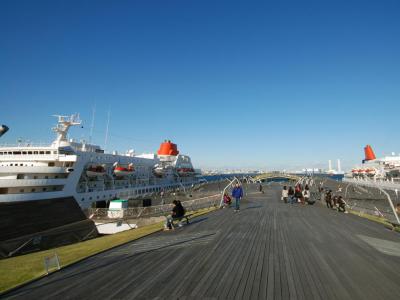
The Osanbashi Pier is the primary dock for international passengers at the Port of Yokohama. Constructed in 1896, it is the oldest existing pier in the city. It was designed by Henry Spencer Palmer, a British military engineer, and funded by the Government of Japan.
The port opened in 1859 after signing the Treaty of Amity and Commerce. The first ports were small, stone wharves. They were too shallow for ocean vessels to dock, which required the use of barges for people and goods. Osanbashi Pier was designed to allow a more efficient method of reaching the shore.
The Pier's most recent reconstruction, completed in 2002, crafted a new passenger terminal with new areas as customs, an immigration lobby, a ticketing booth, and numerous shops and cafes.
Those who visit Osanbashi Pier will find that it is one of the best spots in the city to see the Yokohama Three Towers. The rooftop observation deck has planted grass areas that can be enjoyed by the public as they take in the sights of the city.
The port opened in 1859 after signing the Treaty of Amity and Commerce. The first ports were small, stone wharves. They were too shallow for ocean vessels to dock, which required the use of barges for people and goods. Osanbashi Pier was designed to allow a more efficient method of reaching the shore.
The Pier's most recent reconstruction, completed in 2002, crafted a new passenger terminal with new areas as customs, an immigration lobby, a ticketing booth, and numerous shops and cafes.
Those who visit Osanbashi Pier will find that it is one of the best spots in the city to see the Yokohama Three Towers. The rooftop observation deck has planted grass areas that can be enjoyed by the public as they take in the sights of the city.
2) Yokohama Customs Museum
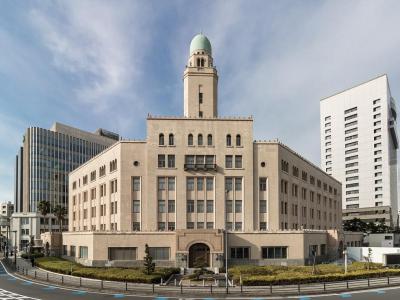
The Yokohama Customs Museum provides a unique insight into the customs history of the country, spanning from the opening of Yokohama port in the 1870s to the present day. Situated on the ground floor of the historic Yokohama Customs Building, which is part of the famous Yokohama Three Towers, the museum offers a glimpse into the past. The building, affectionately called "Queen's Tower" or "the Queen," was built in 1934 and is known for its distinctive mosque-like tower and circular architectural lines, standing out among the angular designs of neighboring structures. Illuminated at night, it becomes a prominent landmark in Yokohama's skyline.
The museum delves into the challenges faced by customs officials during the early years of the port, showcasing contraband items like fake brand-name handbags and watches, along with descriptions of the clever methods used by individuals to evade customs. These exhibits not only highlight the difficulties encountered by customs authorities but also demonstrate the evolution of regulatory practices in Japan. Visitors can explore various objects and displays narrating the story of customs enforcement and corruption, offering insights into Yokohama's intriguing history.
The Yokohama Customs Museum is highly regarded as one of the top free attractions in Kannai, offering self-guided or guided tours for a deeper understanding of the exhibits. Through its captivating collection, the museum commemorates Japan's complex customs history and Yokohama's enduring significance as a vital port city.
The museum delves into the challenges faced by customs officials during the early years of the port, showcasing contraband items like fake brand-name handbags and watches, along with descriptions of the clever methods used by individuals to evade customs. These exhibits not only highlight the difficulties encountered by customs authorities but also demonstrate the evolution of regulatory practices in Japan. Visitors can explore various objects and displays narrating the story of customs enforcement and corruption, offering insights into Yokohama's intriguing history.
The Yokohama Customs Museum is highly regarded as one of the top free attractions in Kannai, offering self-guided or guided tours for a deeper understanding of the exhibits. Through its captivating collection, the museum commemorates Japan's complex customs history and Yokohama's enduring significance as a vital port city.
3) Kishamichi Promenade (must see)
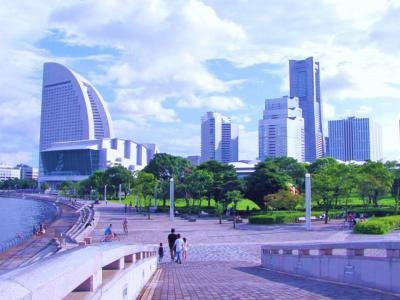
The Kishamichi Promenade is a scenic boardwalk with three bridges and unlimited views of the city's architecture. The Promenade runs from Nippon Maru Memorial Park, across the rail tracks, and connects to Unga Park. The place was created by repurposing the area once used by the Japan National Railways.
The Promenade is wood-planked and lined with cherry trees on both sides. The boardwalk is well illuminated and perfect for daytime strolls or walks at night. There are also plenty of benches for those who want to rest and enjoy the scenery.
One of the most spectacular sights from the Promenade is the Cosmo Clock 21 Ferris Wheel located at Cosmo World. This Ferris wheel was once the world's tallest structure, and it remains an iconic landmark in Yokohama. It is beautiful at nighttime when the lights shine with vibrant colors.
Before being used as a public park, the man-made island was a warehouse and shipping area.
The Promenade is wood-planked and lined with cherry trees on both sides. The boardwalk is well illuminated and perfect for daytime strolls or walks at night. There are also plenty of benches for those who want to rest and enjoy the scenery.
One of the most spectacular sights from the Promenade is the Cosmo Clock 21 Ferris Wheel located at Cosmo World. This Ferris wheel was once the world's tallest structure, and it remains an iconic landmark in Yokohama. It is beautiful at nighttime when the lights shine with vibrant colors.
Before being used as a public park, the man-made island was a warehouse and shipping area.
4) Landmark Tower and Sky Garden Observatory (must see)
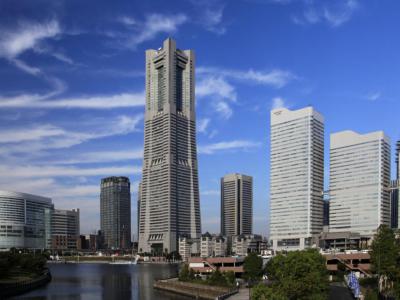
The Yokohama Landmark Tower is a well-known landmark in the Yokohama skyline, noted for being the third tallest building and the fifth tallest structure in Japan. It stands at a height of 296.3 meters (972 feet) and dominates the Minato Mirai 21 district, conveniently located near the Yokohama Museum of Art. Until 2014, it held the title of Japan's tallest building until it was surpassed by Abeno Harukas, showcasing its iconic status.
This skyscraper serves multiple functions, housing a luxurious five-star hotel spanning floors 49 to 70, offering 603 rooms for discerning guests. The lower floors feature various shops, restaurants, clinics, and offices, ensuring a diverse range of amenities for visitors and tenants. The building's stability is maintained by two tuned mass dampers on the 71st floor, crucial for mitigating seismic activity and wind-induced sway.
A major attraction of the Yokohama Landmark Tower is the Sky Garden Observatory on the 69th floor, providing a stunning 360-degree panoramic view of Yokohama city and, on clear days, Mount Fuji. Viewing the city from this height offers unparalleled visuals, captivating visitors regardless of the time of day. The observatory is photographer-friendly, allowing the use of lens hoods and tripods. However, the windows for viewing Mount Fuji are not ideally positioned, making sunset a popular time for glimpsing the iconic peak.
The tower also boasts the world's fastest elevators, which reach the 69th floor in just 40 seconds, minimizing wait times and enhancing the visitor experience. The design and construction of the Yokohama Landmark Tower were a collaboration between Mitsubishi Jisho Sekkei and KlingStubbins, reflecting both innovative engineering and aesthetic design.
This skyscraper serves multiple functions, housing a luxurious five-star hotel spanning floors 49 to 70, offering 603 rooms for discerning guests. The lower floors feature various shops, restaurants, clinics, and offices, ensuring a diverse range of amenities for visitors and tenants. The building's stability is maintained by two tuned mass dampers on the 71st floor, crucial for mitigating seismic activity and wind-induced sway.
A major attraction of the Yokohama Landmark Tower is the Sky Garden Observatory on the 69th floor, providing a stunning 360-degree panoramic view of Yokohama city and, on clear days, Mount Fuji. Viewing the city from this height offers unparalleled visuals, captivating visitors regardless of the time of day. The observatory is photographer-friendly, allowing the use of lens hoods and tripods. However, the windows for viewing Mount Fuji are not ideally positioned, making sunset a popular time for glimpsing the iconic peak.
The tower also boasts the world's fastest elevators, which reach the 69th floor in just 40 seconds, minimizing wait times and enhancing the visitor experience. The design and construction of the Yokohama Landmark Tower were a collaboration between Mitsubishi Jisho Sekkei and KlingStubbins, reflecting both innovative engineering and aesthetic design.
5) Yokohama Museum of Art
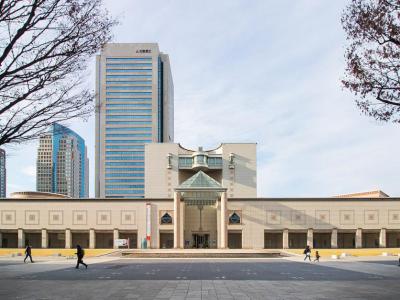
The Yokohama Museum of Art, established on November 3, 1989, is a significant cultural hub in Yokohama. Designed by the renowned architect Tange Kenzo, the museum's architecture is distinctive, featuring a symmetrical stone exterior, an impressive 180-meter long corridor lined with columns, and notable eight-story semi-cylindrical pillars. These architectural elements not only contribute to the museum's visual appeal but also reflect its guiding principle of "See, Create, and Learn." The layout strategically situates the Workshop Studios and the Art Library at opposite ends, promoting this philosophy.
As one of Japan's largest art institutions, the Yokohama Museum of Art houses a diverse collection focusing on modern and contemporary art from the late 19th century onwards. The museum boasts an extensive selection of works by internationally acclaimed artists such as Dali, Magritte, Milo, Picasso, and Cezanne, many of whom have strong ties to Yokohama dating back to the end of the Edo and Meiji periods. Additionally, the museum pays homage to Yokohama's historical role in introducing photography to Japan through its extensive photograph collection.
Education and community involvement are integral to the museum's mission, evident in its Workshop Studios offering diverse workshops for both children and adults. The Art Library, housing over 240,000 art-related books, supports research and education endeavors. Furthermore, the Art Information and Media Center provides additional resources, including books, videos, and other art-related materials.
To enhance visitors' experience, the museum offers amenities such as a café and restaurant on-site. With its extensive collections, educational initiatives, and distinctive architecture, the Yokohama Museum of Art serves as a cultural landmark, inviting visitors to explore Yokohama's rich artistic heritage and contemporary creativity.
As one of Japan's largest art institutions, the Yokohama Museum of Art houses a diverse collection focusing on modern and contemporary art from the late 19th century onwards. The museum boasts an extensive selection of works by internationally acclaimed artists such as Dali, Magritte, Milo, Picasso, and Cezanne, many of whom have strong ties to Yokohama dating back to the end of the Edo and Meiji periods. Additionally, the museum pays homage to Yokohama's historical role in introducing photography to Japan through its extensive photograph collection.
Education and community involvement are integral to the museum's mission, evident in its Workshop Studios offering diverse workshops for both children and adults. The Art Library, housing over 240,000 art-related books, supports research and education endeavors. Furthermore, the Art Information and Media Center provides additional resources, including books, videos, and other art-related materials.
To enhance visitors' experience, the museum offers amenities such as a café and restaurant on-site. With its extensive collections, educational initiatives, and distinctive architecture, the Yokohama Museum of Art serves as a cultural landmark, inviting visitors to explore Yokohama's rich artistic heritage and contemporary creativity.
6) CupNoodles Museum Yokohama (must see)
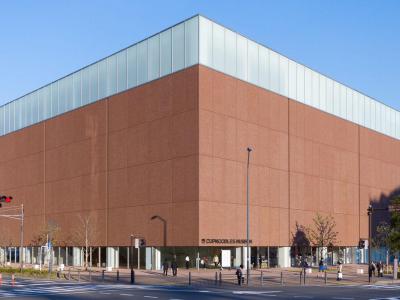
The Cup Noodles Museum is a fun and interactive museum in Yokohama. It is a four-story museum that provides exhibits and attractions dedicated to instant noodles and its creator and founder, Momofuku Ando. The visitors will learn about the history of instant noodles and Momofuku Ando's story.
The CupNoodles Museum has many different areas that visitors can experience and fully immerse themselves in the world of instant ramen. The Chicken Ramen Factory lets patrons make their own noodles, and the CupNoodles Factory allows them to design a cup, choose their broth and pick four toppings from a selection to create a unique cup of noodles they can then enjoy.
The Instant Noodles History Cube and the Momofuku Ando Story are historical exhibits in the museum. The Noodles Bazaar displays a different kind of noodles. Visitors can even try them to experience the tastes and textures of the noodles from around the world.
The museum also includes CupNoodles Park. The interactive exhibit is specifically geared toward children from ages three to 12. They can pretend to be a noodle as they go through the life-size manufacturing process. They will enter a noodle net (climbing net), a seasoning pool (ball pit), a virtual fryer, and a slide. They can even enter a life-size noodle cup.
The CupNoodles Museum has many different areas that visitors can experience and fully immerse themselves in the world of instant ramen. The Chicken Ramen Factory lets patrons make their own noodles, and the CupNoodles Factory allows them to design a cup, choose their broth and pick four toppings from a selection to create a unique cup of noodles they can then enjoy.
The Instant Noodles History Cube and the Momofuku Ando Story are historical exhibits in the museum. The Noodles Bazaar displays a different kind of noodles. Visitors can even try them to experience the tastes and textures of the noodles from around the world.
The museum also includes CupNoodles Park. The interactive exhibit is specifically geared toward children from ages three to 12. They can pretend to be a noodle as they go through the life-size manufacturing process. They will enter a noodle net (climbing net), a seasoning pool (ball pit), a virtual fryer, and a slide. They can even enter a life-size noodle cup.
7) Red Brick Warehouse
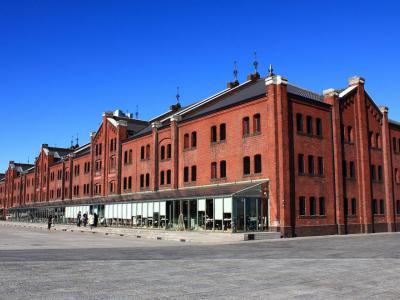
The Red Brick Warehouse is a shopping mall, banquet hall, and event venue. Officially called the Newport Pier Bonded Warehouse, the historical edifice, designed as a custom building for incoming freight at the Port of Yokohama, became one of the most recognizable landmarks in Yokohama.
The Yokohama Red Brick Warehouse was planned as a part of the construction of harbor facilities in the late 19th century. Both buildings of the Warehouse were finished in 1913. The Red Brick Warehouse was designed by the Japanese architect Yorinaka Tsumaki, famous for his style mixing elements of classic Western European with Japanese architecture.
The Great Kanto Earthquake of 1923 damaged both buildings. Reconstruction efforts were completed in 1930. However, the occupying forces of the United States seized the buildings after World War II. Though the Warehouse was returned to Japan in the 1950s, the edifice gradually fell into disrepair and was abandoned in 1989.
Japanese architectural firm Takenaka Corporation took over the restoration and restructuring of the buildings in the 1990s. They officially opened as Yokohama Red Brick Warehouse in 2002. Building one is a three-story event venue that hosts art exhibitions, film festivals, music competitions, and plays. Building two is a three-story shopping mall with restaurants and an open balcony.
The Yokohama Red Brick Warehouse was planned as a part of the construction of harbor facilities in the late 19th century. Both buildings of the Warehouse were finished in 1913. The Red Brick Warehouse was designed by the Japanese architect Yorinaka Tsumaki, famous for his style mixing elements of classic Western European with Japanese architecture.
The Great Kanto Earthquake of 1923 damaged both buildings. Reconstruction efforts were completed in 1930. However, the occupying forces of the United States seized the buildings after World War II. Though the Warehouse was returned to Japan in the 1950s, the edifice gradually fell into disrepair and was abandoned in 1989.
Japanese architectural firm Takenaka Corporation took over the restoration and restructuring of the buildings in the 1990s. They officially opened as Yokohama Red Brick Warehouse in 2002. Building one is a three-story event venue that hosts art exhibitions, film festivals, music competitions, and plays. Building two is a three-story shopping mall with restaurants and an open balcony.
