Custom Walk in Monte-Carlo, Monaco by irenechiesa2_d696c created on 2026-05-23
Guide Location: Monaco » Monte-Carlo
Guide Type: Custom Walk
# of Sights: 10
Tour Duration: 3 Hour(s)
Travel Distance: 5.8 Km or 3.6 Miles
Share Key: RBYSL
Guide Type: Custom Walk
# of Sights: 10
Tour Duration: 3 Hour(s)
Travel Distance: 5.8 Km or 3.6 Miles
Share Key: RBYSL
How It Works
Please retrieve this walk in the GPSmyCity app. Once done, the app will guide you from one tour stop to the next as if you had a personal tour guide. If you created the walk on this website or come to the page via a link, please follow the instructions below to retrieve the walk in the app.
Retrieve This Walk in App
Step 1. Download the app "GPSmyCity: Walks in 1K+ Cities" on Apple App Store or Google Play Store.



Step 2. In the GPSmyCity app, download(or launch) the guide "Monte-Carlo Map and Walking Tours".
Step 3. Tap the menu button located at upper right corner of the "Walks" screen and select "Retrieve custom walk". Enter the share key: RBYSL
1) Avenue des Beaux-Arts
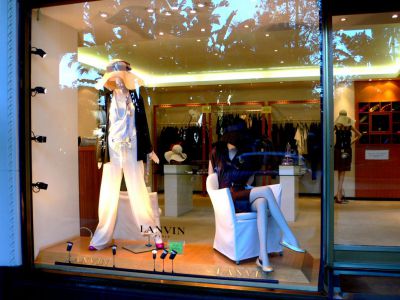
Nestled alongside the picturesque Mediterranean shoreline, you'll find the Avenue des Beaux-Arts in Monte-Carlo. This street embodies the wealth and sophistication that this small principality is famous for. It's not just any ordinary street; it's a living showcase of grace, culture, and extravagance. Palm trees, prestigious boutiques, and art galleries line the Avenue des Beaux-Arts, inviting visitors into a world of timeless beauty and wealth.
This avenue is renowned as one of the most exclusive and expensive shopping destinations worldwide. It hosts renowned French and Italian fashion retailers like Yves Saint Laurent, Bvlgari, and Fred Boutique jewelers.
Whether you're an aficionado of art and fashion, someone who appreciates exquisite dining, or a traveler seeking a taste of Monaco's refined charm, this captivating avenue provides a quintessential glimpse into the unique appeal of Monte-Carlo. Come with us on a journey through this charming boulevard, where each step unveils a tale of artistic expression and refined living.
This avenue is renowned as one of the most exclusive and expensive shopping destinations worldwide. It hosts renowned French and Italian fashion retailers like Yves Saint Laurent, Bvlgari, and Fred Boutique jewelers.
Whether you're an aficionado of art and fashion, someone who appreciates exquisite dining, or a traveler seeking a taste of Monaco's refined charm, this captivating avenue provides a quintessential glimpse into the unique appeal of Monte-Carlo. Come with us on a journey through this charming boulevard, where each step unveils a tale of artistic expression and refined living.
2) Boulevard des Moulins (Moulins Boulevard)
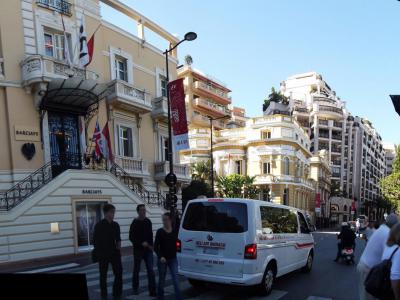
Located in the heart of beautiful Monaco, Boulevard des Moulins, commonly known as Moulins Boulevard, is a symbol of elegance and luxury. This famous street runs through the lively Monte-Carlo district, known for its timeless charm and contemporary sophistication. The boulevard is lined with high-end shops, upscale restaurants, and meticulously maintained gardens, inviting both residents and tourists to experience the essence of Monaco's allure. With its exclusive boutiques, charming cafes, and a distinct Mediterranean glamour, this boulevard embodies Monaco's cosmopolitan spirit, making it a must-visit for those interested in the principality's refined lifestyle.
Similar to Avenue des Beaux-Arts, Boulevard des Moulins boasts luxurious fashion boutiques and glamorous stores that are sure to catch your eye, often featuring the latest creations from top designers. Additionally, the boulevard is renowned for its abundance of small art galleries.
Similar to Avenue des Beaux-Arts, Boulevard des Moulins boasts luxurious fashion boutiques and glamorous stores that are sure to catch your eye, often featuring the latest creations from top designers. Additionally, the boulevard is renowned for its abundance of small art galleries.
3) Circuit de Monaco
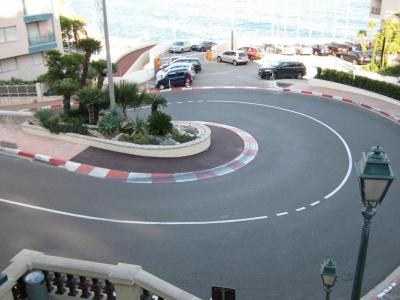
The Circuit de Monaco is a racing track situated on the streets of Monte Carlo and La Condamine, wrapping around the harbor of Monaco. It's commonly known as "Monte Carlo" because it's mostly located within the Monte Carlo neighborhood of Monaco. This circuit is used once a year in May to host the Formula One Monaco Grand Prix. Alongside Formula One, various feeder series like F2, Formula 3000, and currently GP2 also race on this track during the same weekend.
The concept of having a Grand Prix race on the streets of Monaco was conceived by Antony Noghès, the president of the Monegasque car club and a close friend of the ruling Grimaldi family. The very first race took place in 1929 and was won by William Grover-Williams driving a Bugatti. Constructing the circuit takes approximately six weeks, while dismantling it after the race takes another three weeks.
This race track is known for its challenging characteristics, including significant changes in elevation, tight corners, and narrow sections. It's often regarded as one of the most demanding tracks in Formula One racing. Despite several alterations over the years, it remains the ultimate test of a Formula One driver's skills. The circuit features both the slowest corner in Formula One, the Fairmont Hairpin, which is navigated at just 48 kilometers per hour (30 miles per hour), and one of the fastest sections, the flat-out kink in the tunnel, located three turns past the hairpin, taken at a staggering 260 kilometers per hour (160 miles per hour).
The concept of having a Grand Prix race on the streets of Monaco was conceived by Antony Noghès, the president of the Monegasque car club and a close friend of the ruling Grimaldi family. The very first race took place in 1929 and was won by William Grover-Williams driving a Bugatti. Constructing the circuit takes approximately six weeks, while dismantling it after the race takes another three weeks.
This race track is known for its challenging characteristics, including significant changes in elevation, tight corners, and narrow sections. It's often regarded as one of the most demanding tracks in Formula One racing. Despite several alterations over the years, it remains the ultimate test of a Formula One driver's skills. The circuit features both the slowest corner in Formula One, the Fairmont Hairpin, which is navigated at just 48 kilometers per hour (30 miles per hour), and one of the fastest sections, the flat-out kink in the tunnel, located three turns past the hairpin, taken at a staggering 260 kilometers per hour (160 miles per hour).
4) Monaco Cathedral (must see)
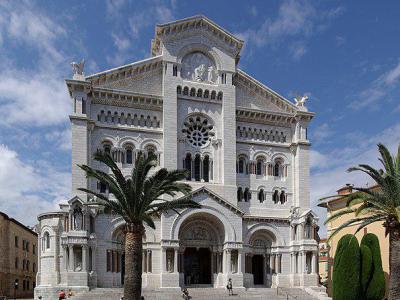
Monaco Cathedral - also known as Saint Nicholas Cathedral - is the seat of the Roman Catholic Archdiocese of Monaco and the burial place of many members of the princely Grimaldi family, including Princess Grace and Prince Rainier III. It is one of the most visited landmarks in the Old Town.
The current cathedral was built between 1875 and 1903, then consecrated in 1911, on the site of Monaco’s original parish church dating back to 1252, which was dedicated to Saint Nicholas. Constructed from white limestone from La Turbie, the exterior stands out for its solid Romanesque-Revival design, while the interior includes notable artworks such as a circa-1500 retable near the transept, the Great Altar, and the Episcopal Throne, all carved from white Carrara marble.
Major religious celebrations take place here, including the Feast of Saint Devota on 27 January - the patron saint of Monaco - and the National Day on 19 November. During special services and concerts, visitors may hear the cathedral’s impressive four-keyboard organ, inaugurated in 1976, known for its rich acoustic presence.
From September through June, the Cathedral Choir School performs during Sunday Mass at 10:00 am, continuing a centuries-old choral tradition linked to the princely court. Another annual celebration occurs on 6 December, when children gather for a festive Mass honouring Saint Nicholas.
This cathedral was the setting for some of Monaco’s most significant royal moments - including the wedding ceremony of Prince Rainier III and Grace Kelly in 1956. Visitors often pause near the royal tombs in a spirit of respect. Despite their international fame, Princess Grace and Prince Rainier III chose simple, modest gravestones, reflecting their personal values and a strong bond with the people of Monaco.
The current cathedral was built between 1875 and 1903, then consecrated in 1911, on the site of Monaco’s original parish church dating back to 1252, which was dedicated to Saint Nicholas. Constructed from white limestone from La Turbie, the exterior stands out for its solid Romanesque-Revival design, while the interior includes notable artworks such as a circa-1500 retable near the transept, the Great Altar, and the Episcopal Throne, all carved from white Carrara marble.
Major religious celebrations take place here, including the Feast of Saint Devota on 27 January - the patron saint of Monaco - and the National Day on 19 November. During special services and concerts, visitors may hear the cathedral’s impressive four-keyboard organ, inaugurated in 1976, known for its rich acoustic presence.
From September through June, the Cathedral Choir School performs during Sunday Mass at 10:00 am, continuing a centuries-old choral tradition linked to the princely court. Another annual celebration occurs on 6 December, when children gather for a festive Mass honouring Saint Nicholas.
This cathedral was the setting for some of Monaco’s most significant royal moments - including the wedding ceremony of Prince Rainier III and Grace Kelly in 1956. Visitors often pause near the royal tombs in a spirit of respect. Despite their international fame, Princess Grace and Prince Rainier III chose simple, modest gravestones, reflecting their personal values and a strong bond with the people of Monaco.
5) Place du Casino (Casino Square) (must see)
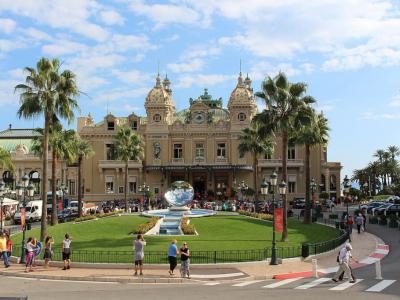
Casino Square is the lively focal point of Monte-Carlo and one of the most photographed plazas in the world. Surrounded by graceful Belle Époque architecture, luxury boutiques, and carefully maintained gardens, it embodies the glamour that lifted Monaco from a small principality to a destination synonymous with prestige and sophistication.
The square takes its name from the legendary Monte Carlo Casino, established in the mid-19th century to attract Europe’s elite and revive Monaco’s fortunes. Its ornate façade, complete with sculptural detail and grand arches, creates an impressive backdrop for visitors arriving to test their luck or simply admire one of the world’s most famous casinos.
Until the early 20th century, Monégasque citizens were forbidden to gamble in the very casino that made their country famous - a rule introduced to ensure that the gaming profits came entirely from wealthy foreign visitors. The tradition remains: locals can work in the casino but are not allowed to play.
Bordering the plaza, the Hotel of Paris and the Paris Café enhance the sense of refined enjoyment. The daily parade of luxury cars, polished terraces, and stylish passersby gives the square a distinct cinematic feel, that many Hollywood films and TV series have showcased this very setting. At its centre, a circular fountain paired with the Sky Mirror sculpture creates a favourite photo spot.
Just beyond the open space, the Boulingrins Gardens offer shaded pathways and greenery. Steps away, the One Monte-Carlo district delivers high-end shopping with exclusive fashion and jewellery boutiques. Even without entering the casino, sitting at a café and watching the lively surroundings can be one of the most enjoyable ways to experience Monte-Carlo’s unique atmosphere.
The square takes its name from the legendary Monte Carlo Casino, established in the mid-19th century to attract Europe’s elite and revive Monaco’s fortunes. Its ornate façade, complete with sculptural detail and grand arches, creates an impressive backdrop for visitors arriving to test their luck or simply admire one of the world’s most famous casinos.
Until the early 20th century, Monégasque citizens were forbidden to gamble in the very casino that made their country famous - a rule introduced to ensure that the gaming profits came entirely from wealthy foreign visitors. The tradition remains: locals can work in the casino but are not allowed to play.
Bordering the plaza, the Hotel of Paris and the Paris Café enhance the sense of refined enjoyment. The daily parade of luxury cars, polished terraces, and stylish passersby gives the square a distinct cinematic feel, that many Hollywood films and TV series have showcased this very setting. At its centre, a circular fountain paired with the Sky Mirror sculpture creates a favourite photo spot.
Just beyond the open space, the Boulingrins Gardens offer shaded pathways and greenery. Steps away, the One Monte-Carlo district delivers high-end shopping with exclusive fashion and jewellery boutiques. Even without entering the casino, sitting at a café and watching the lively surroundings can be one of the most enjoyable ways to experience Monte-Carlo’s unique atmosphere.
6) Cafe de Paris and Casino (must see)
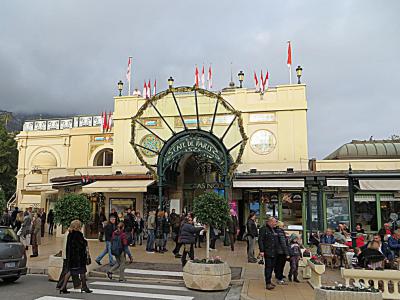
Cafe de Paris and Casino date back to 1868. The most recent renovation in 1988 gave the Cafe a Belle Époque style that mimics many Parisian bistros from the early 1900s. The cafe features two modular terraces with views of the nearby hotel that has impressive antique cars on display.
If you enjoy high-end gambling, Cafe de Paris and Casino is one of the top places to go in Monaco. There are over 140,000 square feet of gaming rooms, giving you plenty of opportunities to enjoy the games that you want. The gaming area's setting has been inspired by the Historic Grand Prix.
When you dine here, you'll be enjoying an exciting brasserie setting. Some of the most popular types of foods include pasta, fresh fish, beef dishes that include steak tartare and veal, and delicious desserts including pastries. There is also a full alcohol menu offering everything from wine to cocktails.
If you enjoy high-end gambling, Cafe de Paris and Casino is one of the top places to go in Monaco. There are over 140,000 square feet of gaming rooms, giving you plenty of opportunities to enjoy the games that you want. The gaming area's setting has been inspired by the Historic Grand Prix.
When you dine here, you'll be enjoying an exciting brasserie setting. Some of the most popular types of foods include pasta, fresh fish, beef dishes that include steak tartare and veal, and delicious desserts including pastries. There is also a full alcohol menu offering everything from wine to cocktails.
7) Casino de Monte-Carlo (must see)
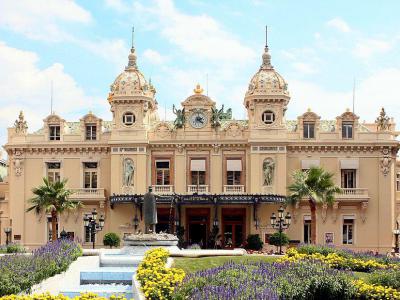
The Monte Carlo Casino is perhaps the world's most famous gambling venue, owned and operated by the Société des bains de mer de Monaco. At some point, in the 1950s, it was controlled by Aristotle Onassis.
The idea to open a gambling business in Monaco came from Princess Caroline in the late 1840s. She saw this as a chance for the Principality to avoid bankruptcy after the loss of tax proceeds from the breakaway towns of Menton and Roquebrune.
In the 1850s, Monaco was not much of a fancy place. It didn't have sufficient road link to the neighboring Nice and the rest of Europe, no suitable accommodation or any other amenities for visitors. The casino changed several managers before it started to gain profit, in 1859.
In 1863 it was taken over by François Blanc who had used his entrepreneurial skills to raise a required capital for a massive development of the area, launched in 1858. Among those who first invested in the project were Bishop of Monaco and the future Pope Leo XIII. The new casino complex, designed in a distinct Beaux Arts style by architect Charles Garnier, author of the Paris Opéra building, was finished in 1863. The area, previously known as Les Spelugues (The Caves), was renamed to Monte Carlo in honor of Prince Charles, the then ruler of Monaco. In 1879, an opera and ballet theatre, known as the Salle Garnier, was added to the complex.
For many years, the Monte Carlo Casino remained the key source of income for Monaco's economy, yet its own citizens have always been banned from gambling. It is for this reason that all visitors to the casino must present their IDs to ensure that no locals get inside.
A lot of fictional, as well as factual, peculiar events have been associated with the Monte Carlo Casino over the years. Among them the James Bond movies, partially set in and filmed on the location, and the Monaco Grand Prix (the Circuit de Monaco) Formula-1 race, passing by the casino building each year.
The idea to open a gambling business in Monaco came from Princess Caroline in the late 1840s. She saw this as a chance for the Principality to avoid bankruptcy after the loss of tax proceeds from the breakaway towns of Menton and Roquebrune.
In the 1850s, Monaco was not much of a fancy place. It didn't have sufficient road link to the neighboring Nice and the rest of Europe, no suitable accommodation or any other amenities for visitors. The casino changed several managers before it started to gain profit, in 1859.
In 1863 it was taken over by François Blanc who had used his entrepreneurial skills to raise a required capital for a massive development of the area, launched in 1858. Among those who first invested in the project were Bishop of Monaco and the future Pope Leo XIII. The new casino complex, designed in a distinct Beaux Arts style by architect Charles Garnier, author of the Paris Opéra building, was finished in 1863. The area, previously known as Les Spelugues (The Caves), was renamed to Monte Carlo in honor of Prince Charles, the then ruler of Monaco. In 1879, an opera and ballet theatre, known as the Salle Garnier, was added to the complex.
For many years, the Monte Carlo Casino remained the key source of income for Monaco's economy, yet its own citizens have always been banned from gambling. It is for this reason that all visitors to the casino must present their IDs to ensure that no locals get inside.
A lot of fictional, as well as factual, peculiar events have been associated with the Monte Carlo Casino over the years. Among them the James Bond movies, partially set in and filmed on the location, and the Monaco Grand Prix (the Circuit de Monaco) Formula-1 race, passing by the casino building each year.
8) Opera de Monte-Carlo (must see)
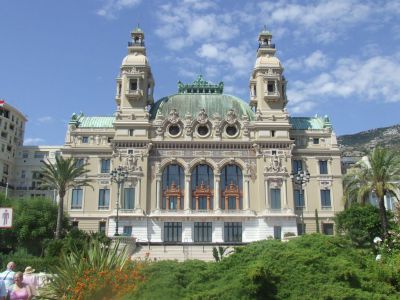
The Opera de Monte-Carlo, also known as the Salle Garnier, is an opera house, which is part of the Monte Carlo Casino located in the Principality of Monaco. It opened in 1879 by then ruling Prince of Monaco, Charles III, who thus sought to diversify the Principality's cultural life. Initially, it served as the Prince's private theatre and its main entrance was reserved for the royal family.
The opera house took eight months to build and was designed by architect Charles Garnier who was also responsible for the construction of the Palais Garnier in Paris. Hence the resemblance between the Salle Garnier and its Paris sibling, being an exact but smaller copy, with only 524 seats, of the latter. Both buildings reflect a Belle Epoque style.
The inauguration of the Salle Garnier took place on 25 January 1879 with a show featuring Sarah Bernhardt, clad in a nymph costume. Since then, the theatre has hosted 45 world premieres, including Hector Berlioz's “La damnation de Faust” in 1893, Saint-Saëns's “Hélène” (1904), Mascagni's “Amica” (1905), and Puccini's “La Rondine” (1917). It also saw the very first performance, in January 1894, by Italian tenor, Francesco Tamagno, of Verdi's Otello, as well as many other 20th century opera greats, such as Nellie Melba and Enrico Caruso (in “La bohème” and “Rigoletto”, 1902), and Feodor Chaliapin in the opening spectacle of “Don Quichotte”, by Jules Massenet, in 1910.
Today, the Opéra presents five to six operas during a season. It was transformed for the third time on 27 July 2013 to host the Love Ball, a fundraising gala event organised by the Naked Heart Foundation.
Why You Should Visit:
The setting alone is worth a visit, and the facade will already impress any visitor here.
The interior is spectacularly ornate with drapes of red velvet, lots of gold leaf, bronzes, friezes and crystals everywhere.
If you're a fan of architecture & design, this is a must – especially if you get to see it in use!
The opera house took eight months to build and was designed by architect Charles Garnier who was also responsible for the construction of the Palais Garnier in Paris. Hence the resemblance between the Salle Garnier and its Paris sibling, being an exact but smaller copy, with only 524 seats, of the latter. Both buildings reflect a Belle Epoque style.
The inauguration of the Salle Garnier took place on 25 January 1879 with a show featuring Sarah Bernhardt, clad in a nymph costume. Since then, the theatre has hosted 45 world premieres, including Hector Berlioz's “La damnation de Faust” in 1893, Saint-Saëns's “Hélène” (1904), Mascagni's “Amica” (1905), and Puccini's “La Rondine” (1917). It also saw the very first performance, in January 1894, by Italian tenor, Francesco Tamagno, of Verdi's Otello, as well as many other 20th century opera greats, such as Nellie Melba and Enrico Caruso (in “La bohème” and “Rigoletto”, 1902), and Feodor Chaliapin in the opening spectacle of “Don Quichotte”, by Jules Massenet, in 1910.
Today, the Opéra presents five to six operas during a season. It was transformed for the third time on 27 July 2013 to host the Love Ball, a fundraising gala event organised by the Naked Heart Foundation.
Why You Should Visit:
The setting alone is worth a visit, and the facade will already impress any visitor here.
The interior is spectacularly ornate with drapes of red velvet, lots of gold leaf, bronzes, friezes and crystals everywhere.
If you're a fan of architecture & design, this is a must – especially if you get to see it in use!
9) St. Charles Church
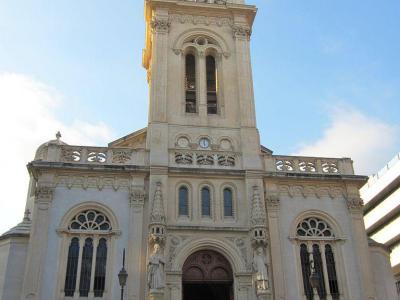
Saint-Charles is a landmark church in Monte Carlo. It was built from 1879 to 1883, under the reign of Prince Charles, and was designed by architect Charles Lenormand in a French, neo-Renaissance style. The church honors Saint Charles Borromeo, who was the patron saint of the Prince.
It stands on the site previously occupied by the chapel of Saint-Laurent, on the land once owned by the affluent Blanc family. Initially a chapel, the Saint-Charles was made a parish church in 1887.
Relatively small in size, the building is distinct for its bell tower, rising to 108 feet above sea level and topped by a cupola. Somewhat simple on the outside, the interior is grand with 19 masterly crafted stained glass windows and 17th century carvings, brought over from the church of Saint-Nicolas in Monaco Town, prior to its being replaced by Monaco Cathedral. Other highlights include 17th century gilded wooden altar, adorned with cabled columns, statues of saints and sculpted images of Christ; and the Virgin Mary altar, highly praised for its artistic value at the Vienna Exhibition.
The church has a strong musical tradition and hosted many choir recordings over the years. It has an organ, produced by M.Merklin, dating back to 1884.
It stands on the site previously occupied by the chapel of Saint-Laurent, on the land once owned by the affluent Blanc family. Initially a chapel, the Saint-Charles was made a parish church in 1887.
Relatively small in size, the building is distinct for its bell tower, rising to 108 feet above sea level and topped by a cupola. Somewhat simple on the outside, the interior is grand with 19 masterly crafted stained glass windows and 17th century carvings, brought over from the church of Saint-Nicolas in Monaco Town, prior to its being replaced by Monaco Cathedral. Other highlights include 17th century gilded wooden altar, adorned with cabled columns, statues of saints and sculpted images of Christ; and the Virgin Mary altar, highly praised for its artistic value at the Vienna Exhibition.
The church has a strong musical tradition and hosted many choir recordings over the years. It has an organ, produced by M.Merklin, dating back to 1884.
10) Avenue de Monte Carlo (Monte Carlo Avenue)
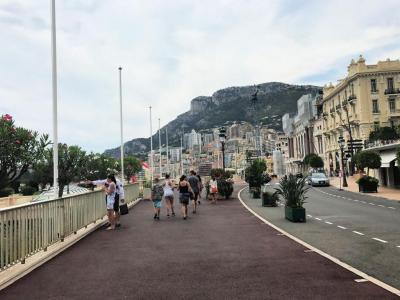
Monte Carlo Avenue is known internationally for luxury shopping, polished façades, and an atmosphere of effortless glamour. The avenue showcases the elegant lifestyle that Monte-Carlo is famous for. Its development in the late 19th and early 20th centuries went hand in hand with the rise of the Monte Carlo Casino, creating a fashionable thoroughfare.
Today, the boulevard continues to represent sophistication, lined with high-end fashion houses, fine jewellery boutiques, and designer showrooms where the latest global trends are unveiled. Visitors can explore world-renowned brands such as Louis Vuitton, Chanel, Cartier, Hermès, and Gucci, along with speciality shops like Lalique.
Beyond its exclusive shopping appeal, Monte Carlo Avenue offers easy access to cultural and leisure highlights. It slopes gently toward the sea, where fresh breezes and harbour views reward those who continue toward the waterfront. Stylish cafés and restaurants line the avenue, tempting visitors to enjoy refined Riviera cuisine, exquisite pastries, or a coffee on a sunlit terrace.
Motorsport fans know this street not only for fashion but also for Formula One excitement. Each May, Monte Carlo Avenue becomes part of the legendary Monaco Circuit, hosting the Monaco Grand Prix. Barriers rise, grandstands appear, and the wide boulevard transforms into a high-speed racetrack.
Today, the boulevard continues to represent sophistication, lined with high-end fashion houses, fine jewellery boutiques, and designer showrooms where the latest global trends are unveiled. Visitors can explore world-renowned brands such as Louis Vuitton, Chanel, Cartier, Hermès, and Gucci, along with speciality shops like Lalique.
Beyond its exclusive shopping appeal, Monte Carlo Avenue offers easy access to cultural and leisure highlights. It slopes gently toward the sea, where fresh breezes and harbour views reward those who continue toward the waterfront. Stylish cafés and restaurants line the avenue, tempting visitors to enjoy refined Riviera cuisine, exquisite pastries, or a coffee on a sunlit terrace.
Motorsport fans know this street not only for fashion but also for Formula One excitement. Each May, Monte Carlo Avenue becomes part of the legendary Monaco Circuit, hosting the Monaco Grand Prix. Barriers rise, grandstands appear, and the wide boulevard transforms into a high-speed racetrack.
