

Trastevere Walking Tour (Self Guided), Rome
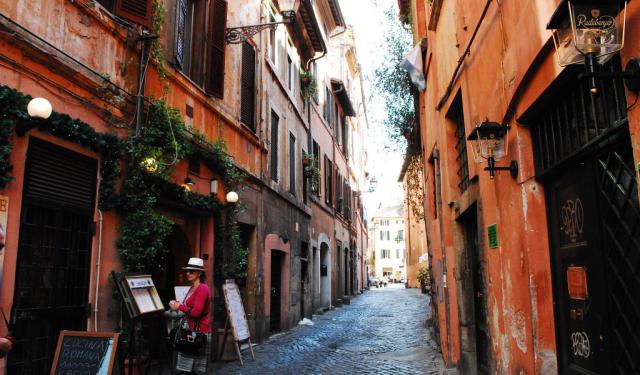
Heading down from the Vatican along the River Tiber, one is bound to find yet another city hidden within the city – Trastevere. This name translates literally to "across the Tiber". Indeed, crossing the picturesque Ponte Sisto (Sisto Bridge) to the west bank, you will find yourself in a charming neighborhood with a distinct character that sets it apart from any other part of Rome.
The unique identity of this enclave derived from the locals who generally greeted creeping commercialization and ongoing attempts at gentrification with a wonderfully Roman disdain. A strong sense of civic pride resides among the Medieval maze of piazzas (squares) and narrow cobbled vicoli (alleyways) here.
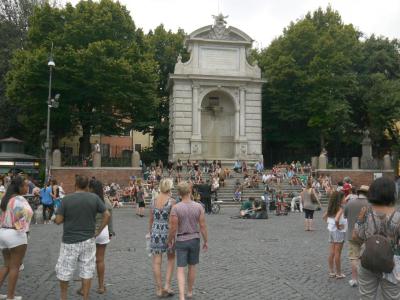
In the heart of the neighborhood lies the beautiful Piazza di Santa Maria dominated by the basilica of the same name, one of the oldest churches in Rome. Joining in the fun, becoming a part of Trastevere’s great bustling backdrop is easy to do, whether you’re simply sitting on the steps of the lively Piazza Trilussa or ordering coffee at the counter of one of the area’s many bars.
Antica Caciara is a renowned delicatessen in Trastevere that specializes in traditional Roman cured meats and cheeses. It's a popular spot for food enthusiasts to sample and purchase high-quality local products, such as prosciutto, salami, and various types of pecorino cheese.
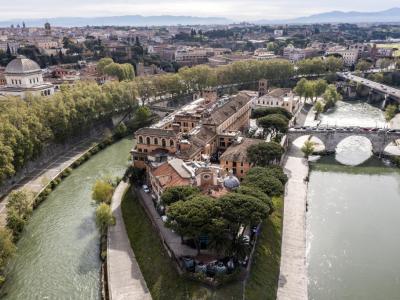
The charming Isola Tiberina (Tiber Island), in the middle of the river, is accessible via the Ponte Fabricio, the oldest Roman bridge still in use – remarkably since 62 BC!!!
Trastevere, the epitome of la dolce vita (good life), offers a glimpse into the soul of Rome. Here, the spirit of Renaissance lingers in the air and the ancient traditions blend seamlessly with contemporary delights, leaving visitors captivated and longing for more.
To indulge your senses in the sensory symphony of Trastevere, we invite you to embark on this self-guided odyssey through an oasis of refined decadence, where the cacophony of laughter, clinking glasses, and the melodic notes of street musicians intertwine to create an atmosphere of pure elegance and joy of living.
The unique identity of this enclave derived from the locals who generally greeted creeping commercialization and ongoing attempts at gentrification with a wonderfully Roman disdain. A strong sense of civic pride resides among the Medieval maze of piazzas (squares) and narrow cobbled vicoli (alleyways) here.
In the heart of the neighborhood lies the beautiful Piazza di Santa Maria dominated by the basilica of the same name, one of the oldest churches in Rome. Joining in the fun, becoming a part of Trastevere’s great bustling backdrop is easy to do, whether you’re simply sitting on the steps of the lively Piazza Trilussa or ordering coffee at the counter of one of the area’s many bars.
Antica Caciara is a renowned delicatessen in Trastevere that specializes in traditional Roman cured meats and cheeses. It's a popular spot for food enthusiasts to sample and purchase high-quality local products, such as prosciutto, salami, and various types of pecorino cheese.
The charming Isola Tiberina (Tiber Island), in the middle of the river, is accessible via the Ponte Fabricio, the oldest Roman bridge still in use – remarkably since 62 BC!!!
Trastevere, the epitome of la dolce vita (good life), offers a glimpse into the soul of Rome. Here, the spirit of Renaissance lingers in the air and the ancient traditions blend seamlessly with contemporary delights, leaving visitors captivated and longing for more.
To indulge your senses in the sensory symphony of Trastevere, we invite you to embark on this self-guided odyssey through an oasis of refined decadence, where the cacophony of laughter, clinking glasses, and the melodic notes of street musicians intertwine to create an atmosphere of pure elegance and joy of living.
How it works: Download the app "GPSmyCity: Walks in 1K+ Cities" from Apple App Store or Google Play Store to your mobile phone or tablet. The app turns your mobile device into a personal tour guide. For US$14.99 per year (with a 3-day free trial), you get access to walking tours in 630+ cities worldwide for an entire year. In comparison, a guided tour often costs dozens of dollars per person for a single tour. The app works offline, so no data plan is needed when traveling abroad.
Download The GPSmyCity App



Trastevere Walking Tour Map
Guide Name: Trastevere Walking Tour
Guide Location: Italy » Rome (See other walking tours in Rome)
Guide Type: Self-guided Walking Tour (Sightseeing)
Tour Duration: 2 Hour(s)
Travel Distance: 3.0 Km or 1.9 Miles
Guide Location: Italy » Rome (See other walking tours in Rome)
Guide Type: Self-guided Walking Tour (Sightseeing)
Tour Duration: 2 Hour(s)
Travel Distance: 3.0 Km or 1.9 Miles
Sights Featured in This Walk




Walking Tours in Rome, Italy

Create Your Own Walk in Rome
Creating your own self-guided walk in Rome is easy and fun. Choose the city attractions that you want to see and a walk route map will be created just for you. You can even set your hotel as the start point of the walk.
Roman Forum and Imperial Forums Walking Tour
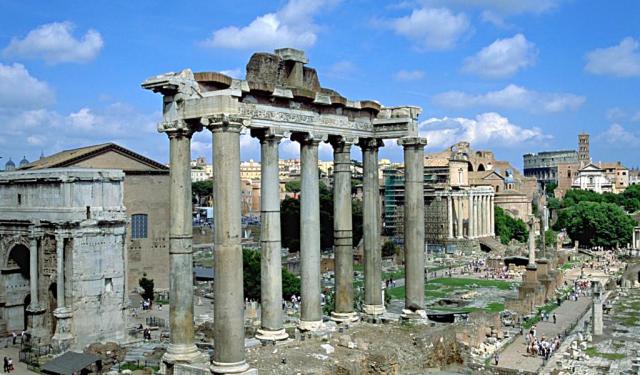
t's a known fact that Rome wasn't built in a day. But since it was built, the city has stood the test of time and become "eternal." A popular proverb says, "all roads lead to Rome," but very few realize that, inside Rome itself, all roads lead to the Forum.
Indeed, the central hub of ancient Rome, the Roman Forum and the Imperial Forums once served as the... view more
Tour Duration: 2 Hour(s)
Travel Distance: 2.0 Km or 1.2 Miles
Indeed, the central hub of ancient Rome, the Roman Forum and the Imperial Forums once served as the... view more
Tour Duration: 2 Hour(s)
Travel Distance: 2.0 Km or 1.2 Miles
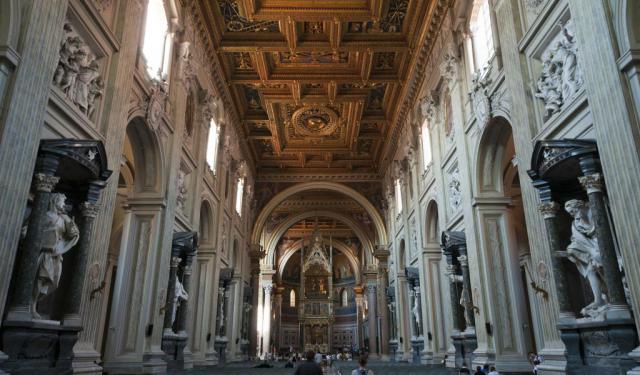
Holy Sites Walking Tour
As the cradle of the Catholic Church, one of the world's largest organizations, Rome has a large number of valuable, sacred places of worship. Crowded with architectural splendors from different periods of time, each of its churches and basilicas represent a significant part of culture and history.
Take this self-guided walking tour to discover Rome's magnificent religious heritage,... view more
Tour Duration: 3 Hour(s)
Travel Distance: 6.9 Km or 4.3 Miles
Take this self-guided walking tour to discover Rome's magnificent religious heritage,... view more
Tour Duration: 3 Hour(s)
Travel Distance: 6.9 Km or 4.3 Miles
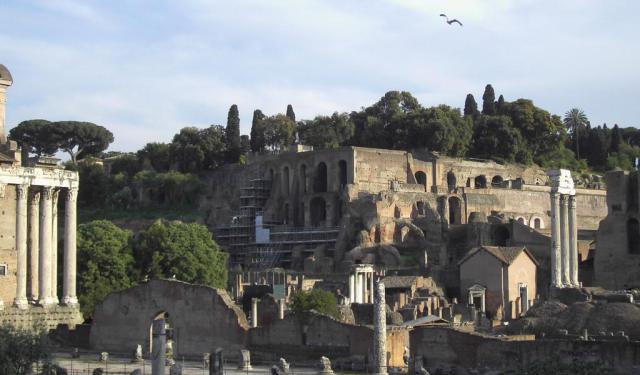
Palatine Hill Walking Tour
Palatine Hill - one of Rome’s legendary Seven Hills - is the most ancient part of the city. According to mythology (and a fair bit of archaeology backing it up), this is where the whole Roman saga began to unfold in the year 753 BC when young Romulus pointed dramatically at the hill and probably thought to himself: “Yes, this is the spot.” And just like that, a city that would eventually... view more
Tour Duration: 2 Hour(s)
Travel Distance: 2.6 Km or 1.6 Miles
Tour Duration: 2 Hour(s)
Travel Distance: 2.6 Km or 1.6 Miles
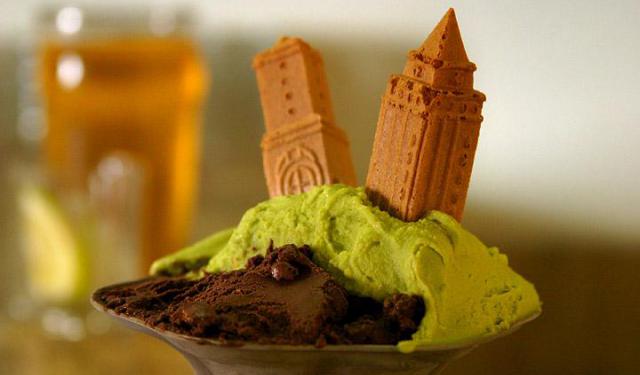
Food Tasting Walking Tour
Whether it’s a long lunch or a stop-off for an ice cream on an evening stroll, eating in Rome is a very social activity. Culinary traditions run deep here, and it may well be one of Italy’s most pleasurable cities in which to eat. Deli shops, prosciutterias, pizzerias, fornos (bakeries) and caffès are also very popular and offer a great alternative to a restaurant meal.
On this... view more
Tour Duration: 2 Hour(s)
Travel Distance: 2.5 Km or 1.6 Miles
On this... view more
Tour Duration: 2 Hour(s)
Travel Distance: 2.5 Km or 1.6 Miles
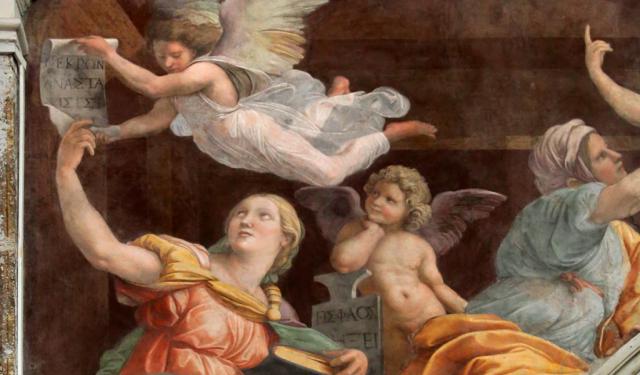
Hidden Art Treasures in Rome
Rome is one of the world's top living museums, replete with some of the most iconic pieces of art on the face of the planet. Famous artists, such as Michelangelo, Caravaggio, Raphael, Bernini, to mention but a few, had lived and worked here and left indelible marks in the city.
Needless to say that the abundance of masterpieces makes Rome crowded with tourists anxious to see them, causing... view more
Tour Duration: 1 Hour(s)
Travel Distance: 2.6 Km or 1.6 Miles
Needless to say that the abundance of masterpieces makes Rome crowded with tourists anxious to see them, causing... view more
Tour Duration: 1 Hour(s)
Travel Distance: 2.6 Km or 1.6 Miles

"Roman Holiday" Movie Walking Tour
Filmed entirely in the heart of Rome, Roman Holiday is one of those timeless films that beckons you to hop on a Vespa and lose yourself in the intoxicating beauty of the Italian capital. Released in 1953, this beloved classic has captured hearts across generations, thanks to its irresistible blend of romance, adventure, and charm-anchored by two of Hollywood’s brightest stars, Audrey Hepburn and... view more
Tour Duration: 4 Hour(s)
Travel Distance: 8.5 Km or 5.3 Miles
Tour Duration: 4 Hour(s)
Travel Distance: 8.5 Km or 5.3 Miles
Useful Travel Guides for Planning Your Trip
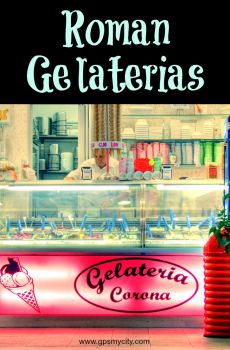
17 Best Gelaterias in Rome Italy
For ice cream lovers and dabblers this guide is a treasure chest of Rome’s best gelato shops. There are gelaterias everywhere. Many visitors to Rome only have a few days to explore the city. You owe it to yourself to make the most of your time and find the gelato locals eat. Often the authentic...
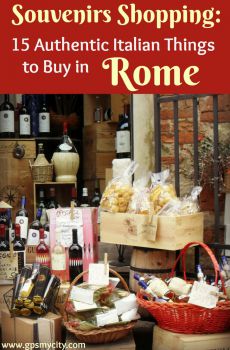
Souvenirs Shopping: 15 Authentic Italian Things To Buy in Rome
Rome is the Eternal City and, as such, the list of gift options available here is countless. Whether it's something edible, drinkable, wearable or pleasing to the eye that you want - you will find it all here in abundance. However, if time or budget is the factor, perhaps you might want to...
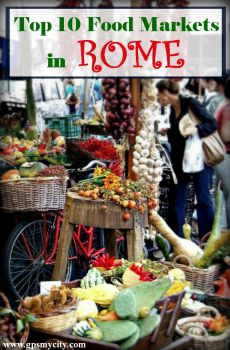
10 Best Food Markets in Rome Italy
Of all the things Italy is most famous for (cars, music, fashion, movies, etc.), food is, undoubtedly, top of the list. Rome may well not be the whole Italy, but no Italy is whole without Rome... And the Romans, much as all their fellow-Italians, like it "fresco", hence the abundance of...
The Most Popular Cities
/ view all