

Audio Guide: Old Town Walking Tour (Self Guided), Munich
Munich’s Old Town, known as the Altstadt, unfolds across the western bank of the River Isar-a captivating blend of medieval charm, architectural brilliance, and deep cultural roots. As the historic heart of the Bavarian capital, it’s more than just a preserved district-it is is listed as a historical monument and is a living museum – “where the past harmonizes with the present in a grand composition.”
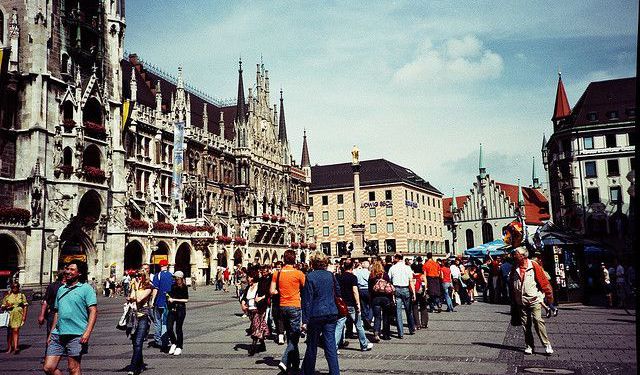
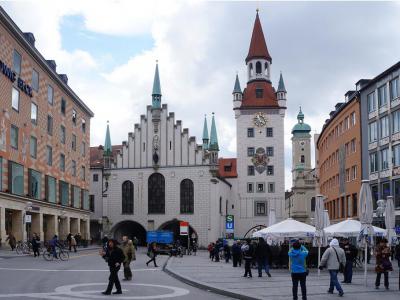
At the center lies Mary’s Square, Munich’s main gathering place since the 12th century. It’s framed by some of the city’s most iconic buildings, none more striking than the New Town Hall. With its towering neo-Gothic façade and the beloved Glockenspiel, it draws daily crowds eager to watch the life-sized figurines dance through scenes from the city’s past.
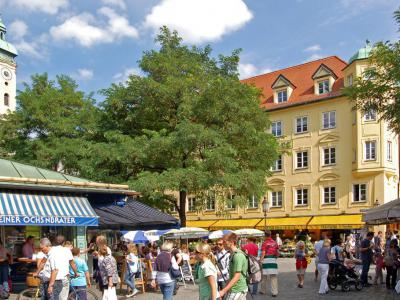
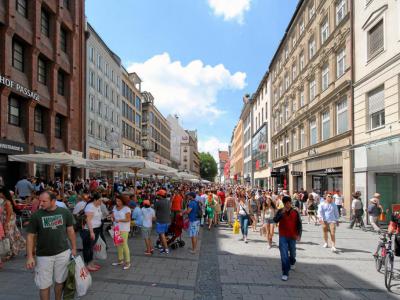
A short stroll to the south brings you to the Farmer’s Market-an open-air feast for the senses. Here, you’ll find everything from fresh fruits and cheeses to traditional Bavarian fare and international treats. Grab a bite, relax in the beer garden, and soak in the local rhythm.
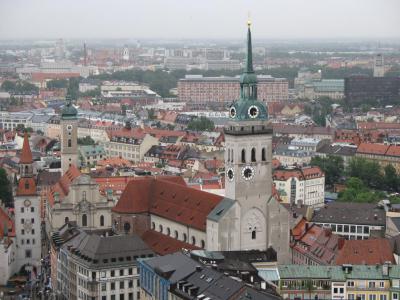
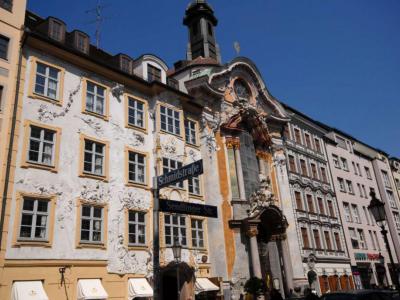
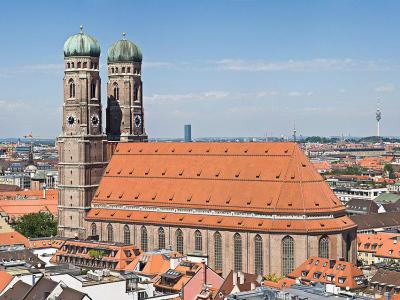
No visit to the Old Town would be complete without a look at the Cathedral of Our Lady, crowned by its unmistakable twin towers. And for those seeking quieter wonders, Saint Peter’s Church or the ornate jewel-box interior of the Baroque-style Asam Church are not to be missed.
Exploring the winding lanes, cozy courtyards, and expansive squares of the Old Town is like stepping into a story that’s still being written. So don’t just read about Munich-step into it. Take your time, look up, listen close, and let this walking tour lead you into the city’s heart.
At the center lies Mary’s Square, Munich’s main gathering place since the 12th century. It’s framed by some of the city’s most iconic buildings, none more striking than the New Town Hall. With its towering neo-Gothic façade and the beloved Glockenspiel, it draws daily crowds eager to watch the life-sized figurines dance through scenes from the city’s past.
A short stroll to the south brings you to the Farmer’s Market-an open-air feast for the senses. Here, you’ll find everything from fresh fruits and cheeses to traditional Bavarian fare and international treats. Grab a bite, relax in the beer garden, and soak in the local rhythm.
No visit to the Old Town would be complete without a look at the Cathedral of Our Lady, crowned by its unmistakable twin towers. And for those seeking quieter wonders, Saint Peter’s Church or the ornate jewel-box interior of the Baroque-style Asam Church are not to be missed.
Exploring the winding lanes, cozy courtyards, and expansive squares of the Old Town is like stepping into a story that’s still being written. So don’t just read about Munich-step into it. Take your time, look up, listen close, and let this walking tour lead you into the city’s heart.
How it works: Download the app "GPSmyCity: Walks in 1K+ Cities" from Apple App Store or Google Play Store to your mobile phone or tablet. The app turns your mobile device into a personal tour guide. For US$14.99 per year (with a 3-day free trial), you get access to walking tours in 630+ cities worldwide for an entire year. In comparison, a guided tour often costs dozens of dollars per person for a single tour. The app works offline, so no data plan is needed when traveling abroad.
Download The GPSmyCity App



Old Town Walking Tour Map
Guide Name: Old Town Walking Tour
Guide Location: Germany » Munich (See other walking tours in Munich)
Guide Type: Self-guided Walking Tour (Sightseeing)
Tour Duration: 2 Hour(s)
Travel Distance: 2.7 Km or 1.7 Miles
Guide Location: Germany » Munich (See other walking tours in Munich)
Guide Type: Self-guided Walking Tour (Sightseeing)
Tour Duration: 2 Hour(s)
Travel Distance: 2.7 Km or 1.7 Miles
Sights Featured in This Walk

8) Asamkirche (Asam Church) (must see)
Walking Tours in Munich, Germany

Create Your Own Walk in Munich
Creating your own self-guided walk in Munich is easy and fun. Choose the city attractions that you want to see and a walk route map will be created just for you. You can even set your hotel as the start point of the walk.
Munich Food Tour
There is a long-standing Bavarian saying that goes like this: ‘Bier ist Brot.’ It translates to ‘beer is bread.’ You could not have asked for a better introduction to Munich's food scene.
In its early days as a settlement founded in 1158, Munich developed as a market town, where trade routes brought grains, meat, and salt into a growing local economy. By the late Middle Ages,... view more
Tour Duration: 1 Hour(s)
Travel Distance: 1.3 Km or 0.8 Miles
In its early days as a settlement founded in 1158, Munich developed as a market town, where trade routes brought grains, meat, and salt into a growing local economy. By the late Middle Ages,... view more
Tour Duration: 1 Hour(s)
Travel Distance: 1.3 Km or 0.8 Miles
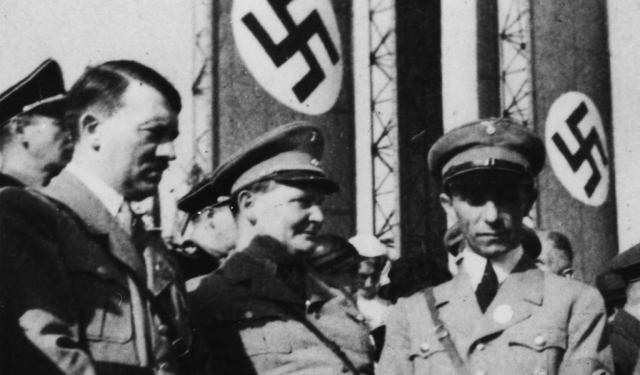
Third Reich Munich Walking Tour
In the early decades of the 20th century, Munich became the birthplace of one of history’s darkest political movements. Long before the world knew what was coming, Bavaria’s capital had already laid the groundwork for the rise of the National Socialist German Workers' Party-better known as the Nazi Party.
From 1933 to 1945, the Third Reich took hold of Germany under Adolf Hitler’s... view more
Tour Duration: 2 Hour(s)
Travel Distance: 3.3 Km or 2.1 Miles
From 1933 to 1945, the Third Reich took hold of Germany under Adolf Hitler’s... view more
Tour Duration: 2 Hour(s)
Travel Distance: 3.3 Km or 2.1 Miles
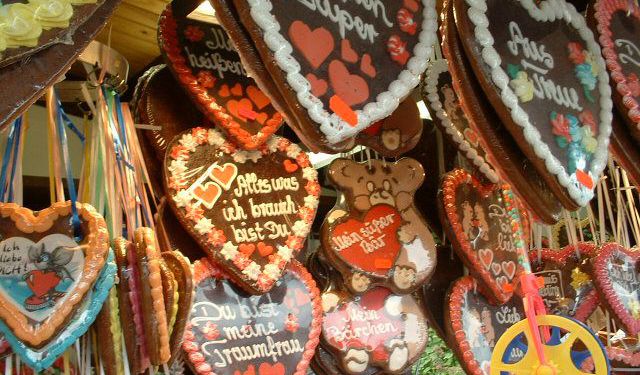
Old Town Souvenir Shops
"Collect moments, not things," wise men say. In reference to travel, this may be interpreted as the prevalence of experiences and memories over material gains. Still, when it comes to travel mementos, albeit material they are, memories and experiences are primarily what these little (or not so little) tokens are all about.
And it would be a pity to leave Munich without bringing home... view more
Tour Duration: 1 Hour(s)
Travel Distance: 1.5 Km or 0.9 Miles
And it would be a pity to leave Munich without bringing home... view more
Tour Duration: 1 Hour(s)
Travel Distance: 1.5 Km or 0.9 Miles
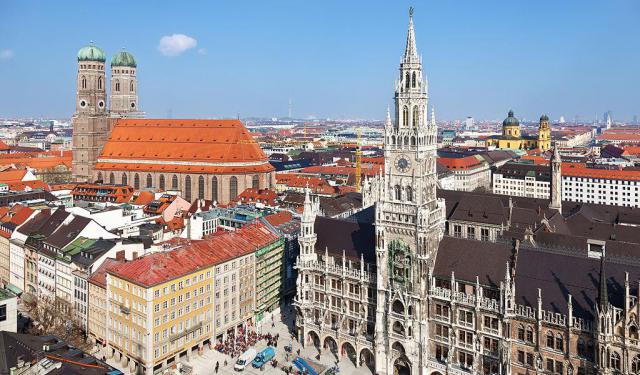
Munich Introduction Walking Tour
Set along the banks of the River Isar, just north of the Bavarian Alps, Munich is a city steeped in history, where centuries-old buildings meet a rich array of cultural landmarks and modern-day energy.
The first recorded mention dates back to 1158. The name is believed to come from the Old and Middle High German word “munichen”, meaning “by the monks.” It refers to the Benedictine monks... view more
Tour Duration: 2 Hour(s)
Travel Distance: 2.5 Km or 1.6 Miles
The first recorded mention dates back to 1158. The name is believed to come from the Old and Middle High German word “munichen”, meaning “by the monks.” It refers to the Benedictine monks... view more
Tour Duration: 2 Hour(s)
Travel Distance: 2.5 Km or 1.6 Miles
Useful Travel Guides for Planning Your Trip
Top 10 Cafes and Restaurants in Munich
While there are many restaurants and cafes in downtown Munich for a visitor to choose from, by far not all of them are truly worth visiting. Here's the solid list of quality cafes and restaurants that will add greatly to your Munich experience. Each restaurant and cafe featured here offers...
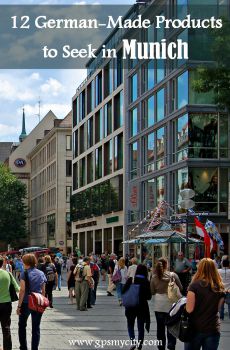
12 German-Made Things to Buy in Munich
The Bavarian capital Munich, much as the whole state of Bavaria, form an inseparable part of the German image, although a very unique part in its difference to the rest of the country, including the language. Bavarian beer occupies an important place in German heritage, from the infamous 1920s Beer...
The Most Popular Cities
/ view all