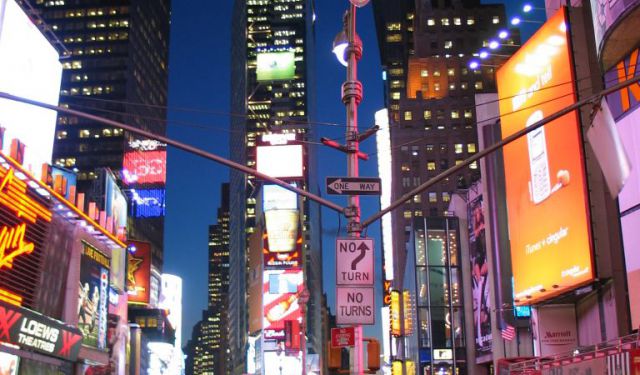


Audio Guide: Midtown Manhattan Walking Tour (Self Guided), New York
If you’ve ever pictured New York City as a canyon of skyscrapers, glowing billboards, and streets that pulse with constant activity, Midtown Manhattan is the version you likely imagined. Hard to believe, but this buzzing district started out as open farmland-proof that even the busiest corners of the world have humble beginnings... Everything changed after the Commissioners’ Plan of 1811 rolled out its tidy street grid, setting the stage for the vertical playground that would follow.
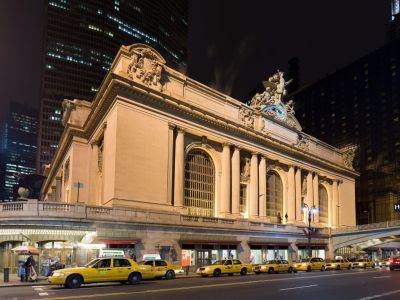
Things truly kicked into motion in the 1870s, when Cornelius Vanderbilt planted Grand Central Depot on 42nd Street and turned the area into a transit powerhouse. As soon as trains went electric, the sleek Grand Central Terminal rose in its place in 1913, and the neighborhood wasted no time transforming into a magnet for offices, shops, and just about any commercial development.
By the early 1900s, Midtown had a new identity. Broadway was blooming with hotels, theaters, and bright marquees, while Times Square earned its name (thanks to The New York Times relocation in 1904) and quickly evolved into the unofficial capital of American entertainment. Subway lines kept funneling crowds in, helping Midtown shift from “up-and-coming” to “center-stage.”
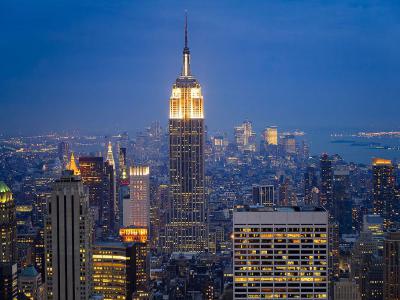
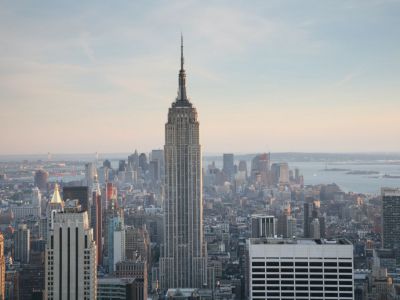
Then came the architectural glory years of the 1920s and ’30s. Midtown sprouted icons like the Chrysler Building and the Empire State Building-towering Art Deco statements that still dominate the skyline. Rockefeller Center soon joined the scene, filling its blocks with offices, studios, and public art, and setting the tone for a district that would shape modern broadcasting and mass culture. After World War II, Midtown continued to grow upward and outward, gaining sleek postwar towers on Park Avenue and global visibility with the arrival of the United Nations Headquarters in 1952.
From the late 20th century onward, the district kept reinventing itself. Times Square brightened up, Grand Central polished its marble, and newcomers like One Vanderbilt added fresh angles to the skyline. Today, Midtown is a layered, ever-moving crossroads where transit, commerce, and culture meet in constant motion.
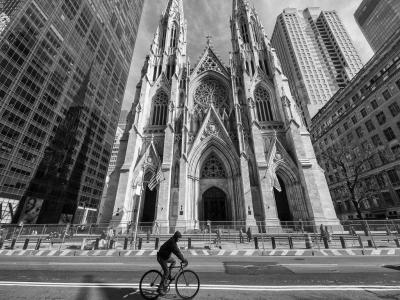
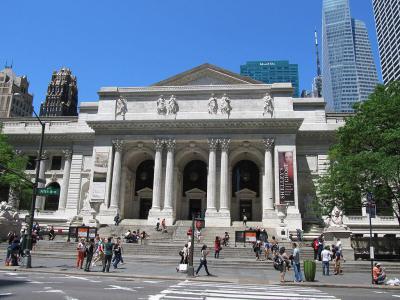
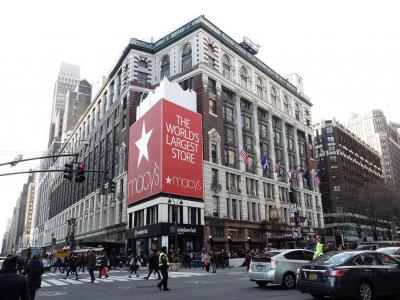
A walk through the area reveals heavy hitters at every turn: think the “Top of the Rock” viewpoint at Rockefeller Center, the towering façade of St Patrick’s Cathedral, the New York Public Library beside Bryant Park, the Museum of Modern Art, and the long-standing hive of Herald Square anchored by Macy’s flagship store. Together, these attractions form the beating, neon-lit heart of Midtown Manhattan-enough for an excellent day out of self-guided exploration on foot!
Things truly kicked into motion in the 1870s, when Cornelius Vanderbilt planted Grand Central Depot on 42nd Street and turned the area into a transit powerhouse. As soon as trains went electric, the sleek Grand Central Terminal rose in its place in 1913, and the neighborhood wasted no time transforming into a magnet for offices, shops, and just about any commercial development.
By the early 1900s, Midtown had a new identity. Broadway was blooming with hotels, theaters, and bright marquees, while Times Square earned its name (thanks to The New York Times relocation in 1904) and quickly evolved into the unofficial capital of American entertainment. Subway lines kept funneling crowds in, helping Midtown shift from “up-and-coming” to “center-stage.”
Then came the architectural glory years of the 1920s and ’30s. Midtown sprouted icons like the Chrysler Building and the Empire State Building-towering Art Deco statements that still dominate the skyline. Rockefeller Center soon joined the scene, filling its blocks with offices, studios, and public art, and setting the tone for a district that would shape modern broadcasting and mass culture. After World War II, Midtown continued to grow upward and outward, gaining sleek postwar towers on Park Avenue and global visibility with the arrival of the United Nations Headquarters in 1952.
From the late 20th century onward, the district kept reinventing itself. Times Square brightened up, Grand Central polished its marble, and newcomers like One Vanderbilt added fresh angles to the skyline. Today, Midtown is a layered, ever-moving crossroads where transit, commerce, and culture meet in constant motion.
A walk through the area reveals heavy hitters at every turn: think the “Top of the Rock” viewpoint at Rockefeller Center, the towering façade of St Patrick’s Cathedral, the New York Public Library beside Bryant Park, the Museum of Modern Art, and the long-standing hive of Herald Square anchored by Macy’s flagship store. Together, these attractions form the beating, neon-lit heart of Midtown Manhattan-enough for an excellent day out of self-guided exploration on foot!
How it works: Download the app "GPSmyCity: Walks in 1K+ Cities" from Apple App Store or Google Play Store to your mobile phone or tablet. The app turns your mobile device into a personal tour guide and its built-in GPS navigation functions guide you from one tour stop to next. The app works offline, so no data plan is needed when traveling abroad.
Download The GPSmyCity App



Midtown Manhattan Walking Tour Map
Guide Name: Midtown Manhattan Walking Tour
Guide Location: USA » New York (See other walking tours in New York)
Guide Type: Self-guided Walking Tour (Sightseeing)
Tour Duration: 2 Hour(s)
Travel Distance: 4.1 Km or 2.5 Miles
Guide Location: USA » New York (See other walking tours in New York)
Guide Type: Self-guided Walking Tour (Sightseeing)
Tour Duration: 2 Hour(s)
Travel Distance: 4.1 Km or 2.5 Miles
Sights Featured in This Walk
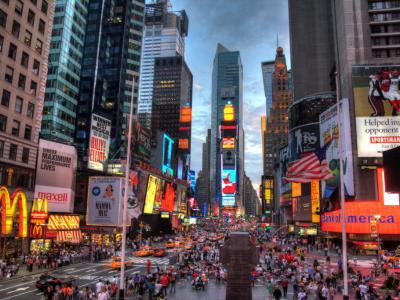
1) Times Square (must see)
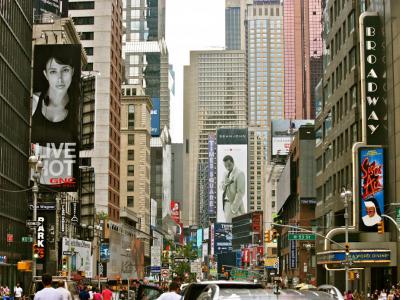
2) Broadway (must see)
Walking Tours in New York, New York

Create Your Own Walk in New York
Creating your own self-guided walk in New York is easy and fun. Choose the city attractions that you want to see and a walk route map will be created just for you. You can even set your hotel as the start point of the walk.
Grand Central Station to Union Square
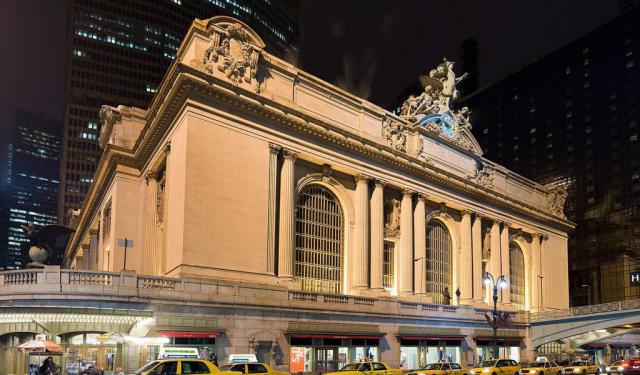
Despite being smaller than almost everything around it, including the humongous MetLife Building that dwarfs it from behind, the Grand Central Terminal is just so gorgeous and palatial-looking that it still manages to be the centerpiece of the whole East Side of Midtown Manhattan. Passing from here to Union Square, our self-guided tour is bound to introduce you to some of New York City’s most... view more
Tour Duration: 2 Hour(s)
Travel Distance: 3.8 Km or 2.4 Miles
Tour Duration: 2 Hour(s)
Travel Distance: 3.8 Km or 2.4 Miles
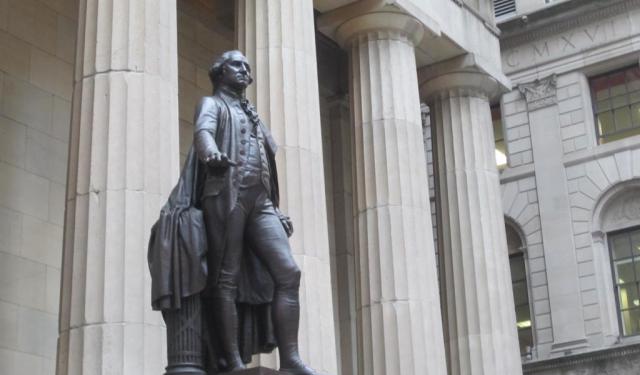
George Washington's New York
New York City hasn’t always been the all-steel, glass, and sky-high ambition metropolis it is today. In the late 18th century, it was a compact, strategic port where the future of a young nation was still uncertain—and where George Washington faced some of his most defining moments. While not really a New York fan himself, Washington held the city in high esteem, calling it “a post of... view more
Tour Duration: 1 Hour(s)
Travel Distance: 1.6 Km or 1 Miles
Tour Duration: 1 Hour(s)
Travel Distance: 1.6 Km or 1 Miles
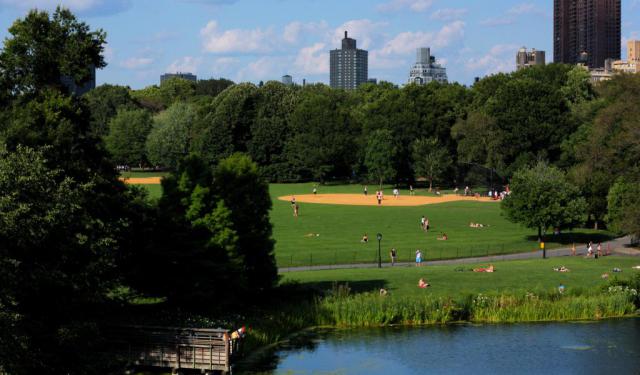
Times Square to Central Park
A leisurely self-guided stroll from Times Square to Central Park will take you to some of NYC’s prominent locations, each worth visiting in their own right.
At 49th Street, Fifth Avenue lives up to its lofty reputation with the Rockefeller Center, one of the world’s biggest business and entertainment complexes, and a triumph of Art Deco architecture. Like the neighboring Times Square, the... view more
Tour Duration: 2 Hour(s)
Travel Distance: 3.2 Km or 2 Miles
At 49th Street, Fifth Avenue lives up to its lofty reputation with the Rockefeller Center, one of the world’s biggest business and entertainment complexes, and a triumph of Art Deco architecture. Like the neighboring Times Square, the... view more
Tour Duration: 2 Hour(s)
Travel Distance: 3.2 Km or 2 Miles
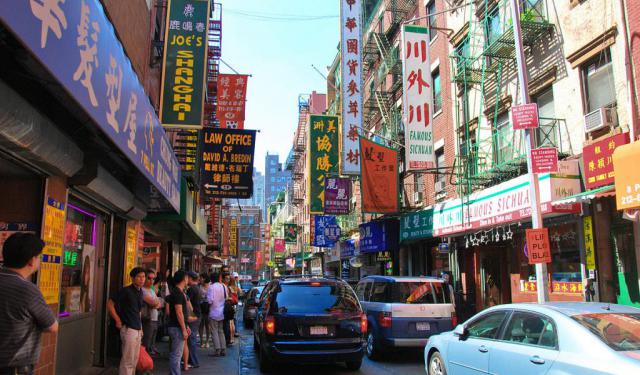
NYC's Chinatown and Little Italy Walking Tour
If New York were a giant cookbook, Chinatown and Little Italy would definitely be the chapters where flavors go wild. These two neighbors on Manhattan’s Lower East Side started as modest immigrant enclaves and somehow ended up becoming two of the city’s most recognizable cultural districts. Their stories mirror the bigger tale of New York itself: arrivals from faraway places, tight-knit... view more
Tour Duration: 1 Hour(s)
Travel Distance: 1.6 Km or 1 Miles
Tour Duration: 1 Hour(s)
Travel Distance: 1.6 Km or 1 Miles
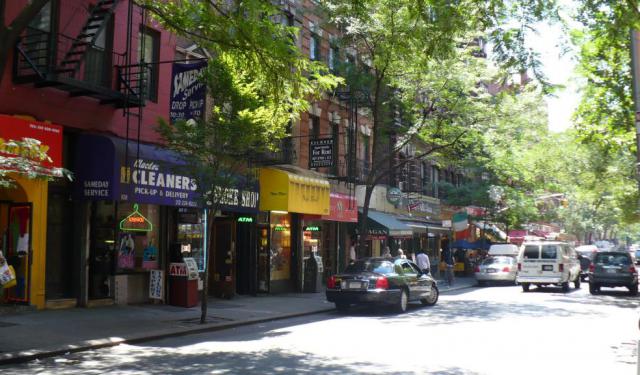
NYC Greenwich Village Walking Tour
Seeing Manhattan as a neatly pressed suit, one can easily imagine Greenwich Village as the shirt stubbornly refusing to stay tucked in. Its tree-lined streets, classic brownstones, and endless supply of cafés, jazz clubs, and Off-Broadway theaters have lured generations of writers, poets, artists, radicals, and runaways looking for a life less ordinary. This reputation was cemented in the... view more
Tour Duration: 1 Hour(s)
Travel Distance: 2.2 Km or 1.4 Miles
Tour Duration: 1 Hour(s)
Travel Distance: 2.2 Km or 1.4 Miles
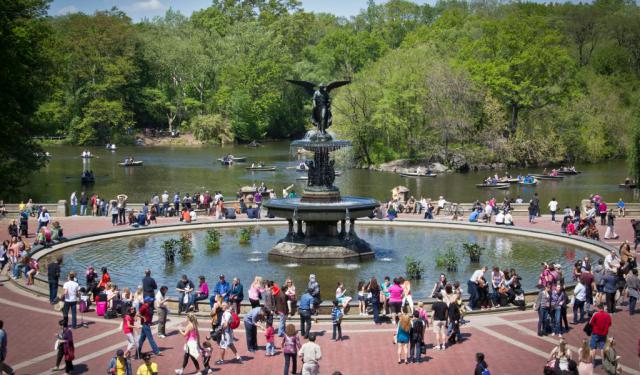
New York's Central Park Walking Tour
Arguably the most famous public park in the world today, Central Park has been called the lungs of New York City – literally “central”, it is where Manhattanites go to get a sense of space and air. Plan for at least half a day to wander along its many pathways, take a rowboat on the water, enjoy the landscaping and the numerous man-made wonders, spend some time at the zoo or bring a pair of... view more
Tour Duration: 3 Hour(s)
Travel Distance: 4.6 Km or 2.9 Miles
Tour Duration: 3 Hour(s)
Travel Distance: 4.6 Km or 2.9 Miles
Useful Travel Guides for Planning Your Trip

NY Villages Best Tea and Coffee
This is a guide to the best tea and coffee shops and houses in the East, West, Washington Square and Greenwich Villages of Manhattan. None of these are chains, so tourists looking to avoid Starbucks can find sanctuary in this app. All of these run the gamut between W and E 14th Streets, and down 1st...

Bar Tour of Lower East Side, New York City
The Lower East Side has been described the most livable neighborhood in NYC. Unique and dynamic, LES has boutique shops, cafes and restaurants alongside great bars and museums.In this historic neighborhood, residents strive to preserve its roots. Here, you can find young professionals who challenge...
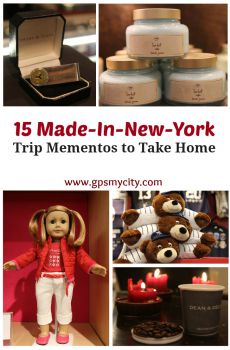
NYC Souvenir Guide: 15 Authentic New York City Products to Take Home
In keeping with the song, one might think that, if they can make it in New York City, they can make it anywhere. Well, not always... Some of the things made in New York City aren't made anywhere else, and you'll definitely want to try or keep at least some of them to prolong your NYC...
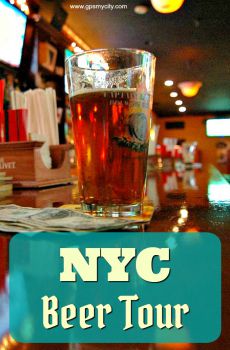
NYC Beer Tour
There are many great places to drink in New York City. Still, discerning connoisseurs are likely to find themselves awash in a sea of mediocre beer without first gaining a proper lay of the beer land. For those whose curiosity and taste buds urge them to venture beyond ubiquitious draft staples like...

7 Best Drinking Places in Upper West Side, NY
With “Bar Tour of the Upper West Side” sample a cross section from NYC’s great gamut of drinking establishments, including a Belgian Brasserie, a wine bar, Irish pubs, and one dive — just for fun! These spots offer something a little extra, like craft beers, inspirational artwork, a chance...
The Most Popular Cities
/ view all