

NYC Top Religious Sites Walking Tour (Self Guided), New York
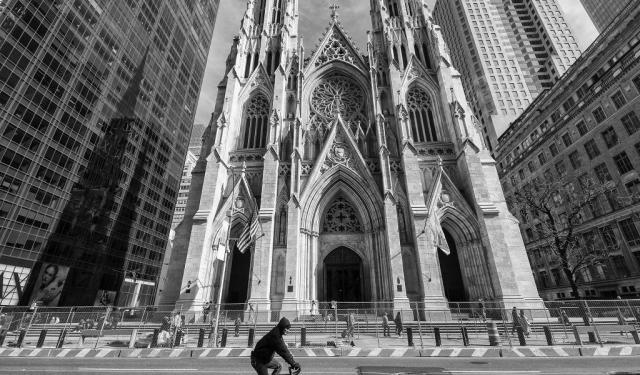
Other than high-risers, New York City is also famous for the variety of beautiful places of worship renowned for their architectural splendor. After 1830, inspired by a love for all things medieval imported from England, the Gothic style developed in the metropolis, as first illustrated by the Grace Church (1846). The best example of this style, however, remains St Patrick’s Cathedral, which covers the whole block between famous 5th and Madison avenues, making it one of the most visible symbols of the Catholic Church in the United States. Immaculate both outside and inside following restorations, the Cathedral’s marble, stained glass and gold fixtures are out of this world.
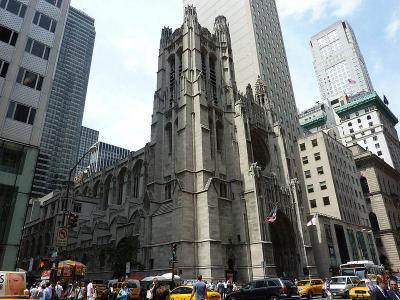
Walking a couple blocks from St. Patrick’s on Fifth Avenue, you’ll find the early 20th century Gothic-style St Thomas Church amongst towering skyscrapers. Though it holds many lovely elements, the stunning ‘reredos’ behind the altar prove to be the focal point, catching the eye as soon as you enter. The wide work of art – perhaps the largest in the world – displays recesses with 60 carved statues (representing Christ, saints and other figures), similar to those in England’s Winchester and Canterbury cathedrals.
Meanwhile, the Central Synagogue, restored after a 1999 fire, is considered NYC’s best example of Moorish-Islamic Revival architecture, and a visit to the elegant Temple Emanu-El provides the unique opportunity to see a Jewish landmark as large and spectacular as any European cathedral. The temple could, in fact, be easily mistaken for a Catholic one due to the stained-glass windows, but aside from depictions of biblical scenes, a close look will reveal the tribal signs of the houses of Israel.
To explore these and other top religious sites of the Big Apple, join us on this self-guided walking tour.
Walking a couple blocks from St. Patrick’s on Fifth Avenue, you’ll find the early 20th century Gothic-style St Thomas Church amongst towering skyscrapers. Though it holds many lovely elements, the stunning ‘reredos’ behind the altar prove to be the focal point, catching the eye as soon as you enter. The wide work of art – perhaps the largest in the world – displays recesses with 60 carved statues (representing Christ, saints and other figures), similar to those in England’s Winchester and Canterbury cathedrals.
Meanwhile, the Central Synagogue, restored after a 1999 fire, is considered NYC’s best example of Moorish-Islamic Revival architecture, and a visit to the elegant Temple Emanu-El provides the unique opportunity to see a Jewish landmark as large and spectacular as any European cathedral. The temple could, in fact, be easily mistaken for a Catholic one due to the stained-glass windows, but aside from depictions of biblical scenes, a close look will reveal the tribal signs of the houses of Israel.
To explore these and other top religious sites of the Big Apple, join us on this self-guided walking tour.
How it works: Download the app "GPSmyCity: Walks in 1K+ Cities" from Apple App Store or Google Play Store to your mobile phone or tablet. The app turns your mobile device into a personal tour guide and its built-in GPS navigation functions guide you from one tour stop to next. The app works offline, so no data plan is needed when traveling abroad.
Download The GPSmyCity App



NYC Top Religious Sites Walking Tour Map
Guide Name: NYC Top Religious Sites Walking Tour
Guide Location: USA » New York (See other walking tours in New York)
Guide Type: Self-guided Walking Tour (Sightseeing)
Tour Duration: 3 Hour(s)
Travel Distance: 7.0 Km or 4.3 Miles
Guide Location: USA » New York (See other walking tours in New York)
Guide Type: Self-guided Walking Tour (Sightseeing)
Tour Duration: 3 Hour(s)
Travel Distance: 7.0 Km or 4.3 Miles
Sights Featured in This Walk


3) Saint Thomas Church
Sight description based on Wikipedia.


Walking Tours in New York, New York

Create Your Own Walk in New York
Creating your own self-guided walk in New York is easy and fun. Choose the city attractions that you want to see and a walk route map will be created just for you. You can even set your hotel as the start point of the walk.
NYC's Chinatown and Little Italy Walking Tour
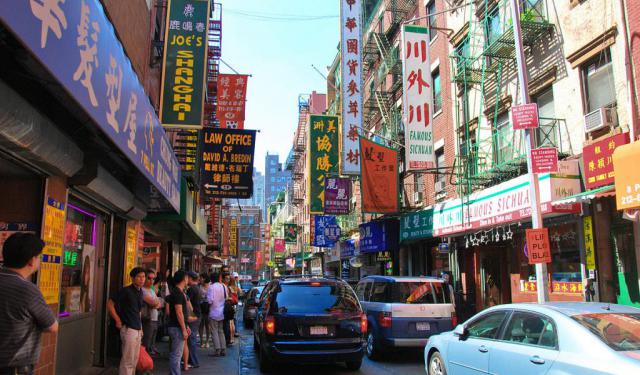
If New York were a giant cookbook, Chinatown and Little Italy would definitely be the chapters where flavors go wild. These two neighbors on Manhattan’s Lower East Side started as modest immigrant enclaves and somehow ended up becoming two of the city’s most recognizable cultural districts. Their stories mirror the bigger tale of New York itself: arrivals from faraway places, tight-knit... view more
Tour Duration: 1 Hour(s)
Travel Distance: 1.6 Km or 1 Miles
Tour Duration: 1 Hour(s)
Travel Distance: 1.6 Km or 1 Miles
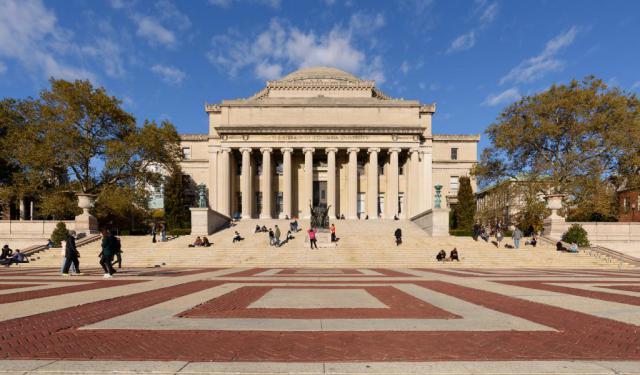
Columbia University Walking Tour
Established in 1754, Columbia University is the oldest institution of higher education in the state of New York and the fifth-oldest in the United States. A member of the prestigious Ivy League, this renowned institution boasts a diverse campus designed along Beaux-Arts planning principles. Columbia's main campus occupies more than six city blocks in Morningside Heights, New York City, and is... view more
Tour Duration: 2 Hour(s)
Travel Distance: 2.3 Km or 1.4 Miles
Tour Duration: 2 Hour(s)
Travel Distance: 2.3 Km or 1.4 Miles
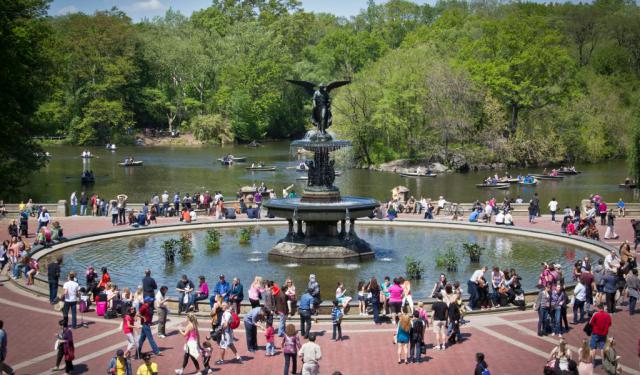
New York's Central Park Walking Tour
Arguably the most famous public park in the world today, Central Park has been called the lungs of New York City – literally “central”, it is where Manhattanites go to get a sense of space and air. Plan for at least half a day to wander along its many pathways, take a rowboat on the water, enjoy the landscaping and the numerous man-made wonders, spend some time at the zoo or bring a pair of... view more
Tour Duration: 3 Hour(s)
Travel Distance: 4.6 Km or 2.9 Miles
Tour Duration: 3 Hour(s)
Travel Distance: 4.6 Km or 2.9 Miles
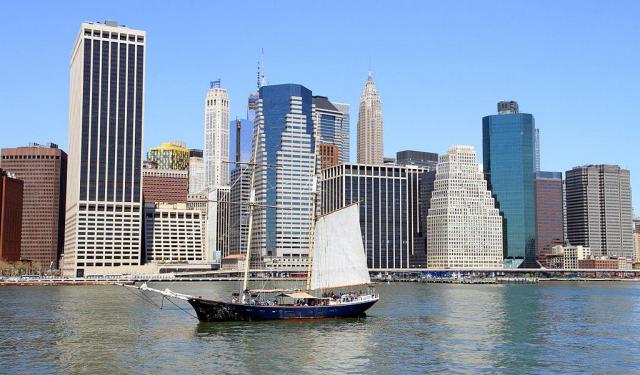
Best of Lower Manhattan Walking Tour
Every part of Manhattan is terrific, but if you are looking for one that showcases the best overview of New York City’s history and architectural styles, it’s Lower Manhattan. This is where it all started, where New Amsterdam was founded, where Canal Street used to be a canal, and where Wall Street used to be a wall marking the end of town. It’s also where the city has seen the most tragedy,... view more
Tour Duration: 2 Hour(s)
Travel Distance: 3.1 Km or 1.9 Miles
Tour Duration: 2 Hour(s)
Travel Distance: 3.1 Km or 1.9 Miles
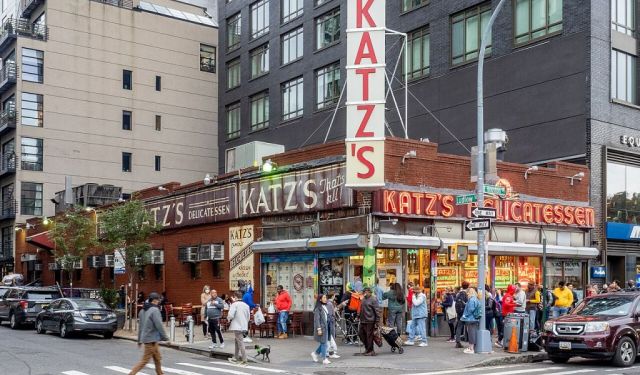
Lower Manhattan Food Tour
Lower Manhattan’s food culture grew from the city’s oldest habits: trade, immigration, street life, and appetite. Long before pizza slices and pastrami sandwiches became New York shorthand, the city was strongly associated with oysters. New York Harbor once held vast oyster beds, and oysters were eaten across class lines, from waterfront stalls to more polished dining rooms. Before New York... view more
Tour Duration: 1 Hour(s)
Travel Distance: 1.7 Km or 1.1 Miles
Tour Duration: 1 Hour(s)
Travel Distance: 1.7 Km or 1.1 Miles
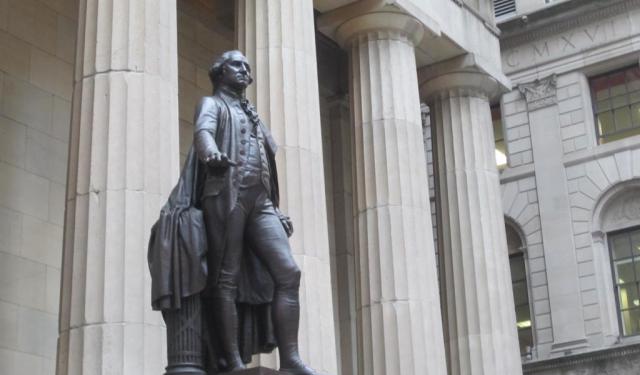
George Washington's New York
New York City hasn’t always been the all-steel, glass, and sky-high ambition metropolis it is today. In the late 18th century, it was a compact, strategic port where the future of a young nation was still uncertain—and where George Washington faced some of his most defining moments. While not really a New York fan himself, Washington held the city in high esteem, calling it “a post of... view more
Tour Duration: 1 Hour(s)
Travel Distance: 1.6 Km or 1 Miles
Tour Duration: 1 Hour(s)
Travel Distance: 1.6 Km or 1 Miles
Useful Travel Guides for Planning Your Trip

Bar Tour of Lower East Side, New York City
The Lower East Side has been described the most livable neighborhood in NYC. Unique and dynamic, LES has boutique shops, cafes and restaurants alongside great bars and museums.In this historic neighborhood, residents strive to preserve its roots. Here, you can find young professionals who challenge...
NYC Beer Tour
There are many great places to drink in New York City. Still, discerning connoisseurs are likely to find themselves awash in a sea of mediocre beer without first gaining a proper lay of the beer land. For those whose curiosity and taste buds urge them to venture beyond ubiquitious draft staples like...

NY Villages Best Tea and Coffee
This is a guide to the best tea and coffee shops and houses in the East, West, Washington Square and Greenwich Villages of Manhattan. None of these are chains, so tourists looking to avoid Starbucks can find sanctuary in this app. All of these run the gamut between W and E 14th Streets, and down 1st...

NYC Souvenir Guide: 15 Authentic New York City Products to Take Home
In keeping with the song, one might think that, if they can make it in New York City, they can make it anywhere. Well, not always... Some of the things made in New York City aren't made anywhere else, and you'll definitely want to try or keep at least some of them to prolong your NYC...

7 Best Drinking Places in Upper West Side, NY
With “Bar Tour of the Upper West Side” sample a cross section from NYC’s great gamut of drinking establishments, including a Belgian Brasserie, a wine bar, Irish pubs, and one dive — just for fun! These spots offer something a little extra, like craft beers, inspirational artwork, a chance...
The Most Popular Cities
/ view all