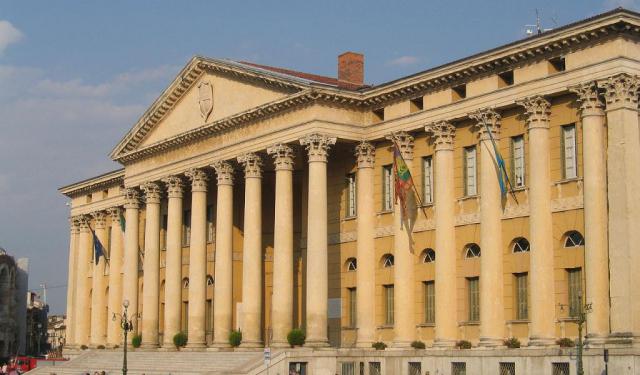


Verona's Palaces (Self Guided), Verona
It's no secret that Italy boasts some of the most remarkable palatial architecture in the world. A good portion of it is found in the incredibly charming city of Verona, the long history of which stretches all the way back to ancient Rome and is reflected in an array of Romanesque and Renaissance gates and bridges, but, most notably, the monumental palaces.
Walking the streets of Verona, one may stumble upon the treasures of the Roman period alongside some well-preserved Medieval and later period palatial edifices, such as:
Palazzo del Podestà – an imposing palace built on top of the Roman ruins; among its illustrious guests, over the centuries, have been the likes of Dante, Giotto and other prominent personalities.
Palazzo della Ragione – a historic palace from the 1190s; home to the city's oldest market yard.
Palazzo Maffei – in place since the 15th century; found beneath are the remains of the ancient Roman Capitoline Hill.
Palazzo Bevilacqua – a majestic palace built in the 1530s; currently serves as the headquarters of the Ippolito Pindemonte state technical institute.
Palazzo dei Diamanti (Diamonds Palace) – an impressive structure of 1495; named for its exterior clad in thousands of white marble, diamond-shaped stones, glittering like diamonds when lit.
If you wish to explore these and other architectural delights of Verona in more detail, and to understand why the city is often referred to as "The Gateway to Italy", take this self-guided walking tour.
Walking the streets of Verona, one may stumble upon the treasures of the Roman period alongside some well-preserved Medieval and later period palatial edifices, such as:
Palazzo del Podestà – an imposing palace built on top of the Roman ruins; among its illustrious guests, over the centuries, have been the likes of Dante, Giotto and other prominent personalities.
Palazzo della Ragione – a historic palace from the 1190s; home to the city's oldest market yard.
Palazzo Maffei – in place since the 15th century; found beneath are the remains of the ancient Roman Capitoline Hill.
Palazzo Bevilacqua – a majestic palace built in the 1530s; currently serves as the headquarters of the Ippolito Pindemonte state technical institute.
Palazzo dei Diamanti (Diamonds Palace) – an impressive structure of 1495; named for its exterior clad in thousands of white marble, diamond-shaped stones, glittering like diamonds when lit.
If you wish to explore these and other architectural delights of Verona in more detail, and to understand why the city is often referred to as "The Gateway to Italy", take this self-guided walking tour.
How it works: Download the app "GPSmyCity: Walks in 1K+ Cities" from Apple App Store or Google Play Store to your mobile phone or tablet. The app turns your mobile device into a personal tour guide and its built-in GPS navigation functions guide you from one tour stop to next. The app works offline, so no data plan is needed when traveling abroad.
Download The GPSmyCity App



Verona's Palaces Map
Guide Name: Verona's Palaces
Guide Location: Italy » Verona (See other walking tours in Verona)
Guide Type: Self-guided Walking Tour (Sightseeing)
Tour Duration: 1 Hour(s)
Travel Distance: 1.6 Km or 1 Miles
Guide Location: Italy » Verona (See other walking tours in Verona)
Guide Type: Self-guided Walking Tour (Sightseeing)
Tour Duration: 1 Hour(s)
Travel Distance: 1.6 Km or 1 Miles
Sights Featured in This Walk


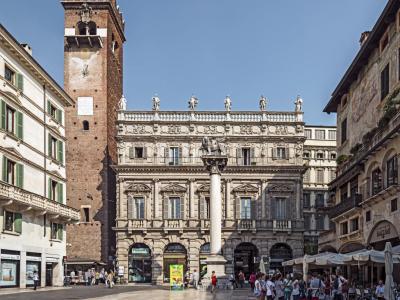


Walking Tours in Verona, Italy

Create Your Own Walk in Verona
Creating your own self-guided walk in Verona is easy and fun. Choose the city attractions that you want to see and a walk route map will be created just for you. You can even set your hotel as the start point of the walk.
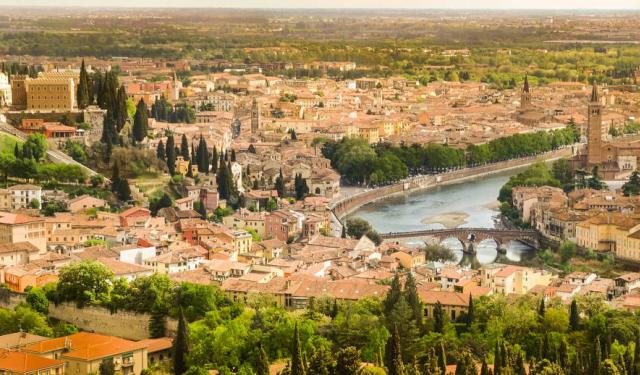
Verona Introduction Walking Tour
As William Shakespeare once wrote, “Two households, both alike in dignity, in fair Verona, where we lay our scene…” - a line that has forever entwined the city’s name with timeless romance and drama.
Verona is one of northern Italy’s most storied cities, shaped by ancient tribes, Roman expansion, medieval rivalries, and later cultural prosperity that earned it UNESCO World Heritage... view more
Tour Duration: 3 Hour(s)
Travel Distance: 4.0 Km or 2.5 Miles
Verona is one of northern Italy’s most storied cities, shaped by ancient tribes, Roman expansion, medieval rivalries, and later cultural prosperity that earned it UNESCO World Heritage... view more
Tour Duration: 3 Hour(s)
Travel Distance: 4.0 Km or 2.5 Miles
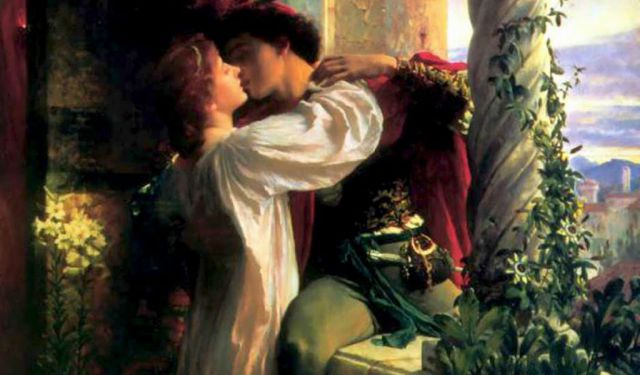
Romeo and Juliet Tour
Few cities in the world capture romance like Verona, the setting that inspired Shakespeare’s Romeo and Juliet. Each year, thousands of visitors stroll the cobbled streets, imagining the star-crossed lovers meeting under moonlight. For romantics, literature enthusiasts, and curious travelers, the Romeo and Juliet Tour offers an unforgettable journey through history, myth, and passion.
Long... view more
Tour Duration: 2 Hour(s)
Travel Distance: 3.9 Km or 2.4 Miles
Long... view more
Tour Duration: 2 Hour(s)
Travel Distance: 3.9 Km or 2.4 Miles
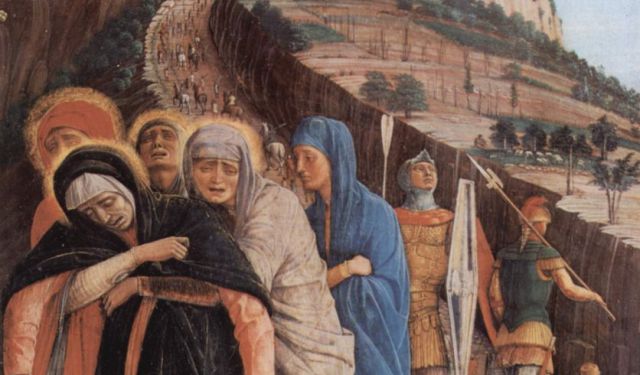
Verona's Museums and Galleries
Art and history have been the pillars supporting the elegant city of Verona for centuries. Among other things here, you will find the abundance of grand museums and galleries holding unique collections of art and cultural treasures suiting all tastes.
Whatever your interest – ancient or modern art, archaeology, frescoes, Roman inscriptions, natural history, antique furniture, or wine – be... view more
Tour Duration: 1 Hour(s)
Travel Distance: 2.3 Km or 1.4 Miles
Whatever your interest – ancient or modern art, archaeology, frescoes, Roman inscriptions, natural history, antique furniture, or wine – be... view more
Tour Duration: 1 Hour(s)
Travel Distance: 2.3 Km or 1.4 Miles
The Most Popular Cities
/ view all