

Audio Guide: Tokyo Imperial Palace Walking Tour (Self Guided), Tokyo
Welcome to Tokyo’s greenest royal secret-The Imperial Palace-a majestic sprawl of tradition, tranquility, and top-tier landscaping. This is where Japan’s Emperor hangs his crown (figuratively speaking), nestled right in the city’s beating heart and surrounded by moats like something straight out of a storybook... or a really classy samurai movie.
Now, before you grab your crown and march in, a heads-up: the actual royal digs are off-limits to the public unless you happen to be in town on December 23rd or January 1st. Otherwise, you'll just have to settle for the rest of the palace grounds-open year-round and absolutely worth it.
Your royal stroll begins at the Ote-mon Gate-a stone-and-timber masterpiece that once told Edo-era visitors, “You’re about to enter something special.” Still does.
Wander north and you’ll find the Ninomaru Garden, an elegant patch of paradise where lawns are clipped with military precision and ponds are the picture of serenity. And yes, there’s a teahouse-Suwa no Chaya-because no Japanese garden worth its koi (the colored varieties of carp) is complete without one.
Further in, the Tokagakudo Music Hall makes an appearance-octagonal, stylish, and ready for its album cover. Right behind it, the Tenshu Stone Tower Base stands strong, a stone pedestal that once held up the grand keep of Edo Castle, which ruled the skyline from the 17th to 19th centuries. It’s gone now, but this base keeps the memory (and the tourists) standing.
Keep going and-bam-you hit the Northern Drawbridge Gate. Dramatic name. Even more dramatic presence.
On the other side is Kitanomaru Park. Think cherry blossoms, peaceful trails, and a surprise splash of science and art, thanks to the Science Museum and the National Museum of Modern Art tucked inside. Not bad for what used to be a samurai stronghold.
If you’re in Tokyo and looking to blend imperial history with inner peace-and maybe snag a few Insta-worthy cherry blossom shots-this self-guided palace wander is your calling. Once reserved for royalty, now open to curious mortals like us. So, go on-pretend you’re aristocracy for the afternoon. No one will tell.
Now, before you grab your crown and march in, a heads-up: the actual royal digs are off-limits to the public unless you happen to be in town on December 23rd or January 1st. Otherwise, you'll just have to settle for the rest of the palace grounds-open year-round and absolutely worth it.
Your royal stroll begins at the Ote-mon Gate-a stone-and-timber masterpiece that once told Edo-era visitors, “You’re about to enter something special.” Still does.
Wander north and you’ll find the Ninomaru Garden, an elegant patch of paradise where lawns are clipped with military precision and ponds are the picture of serenity. And yes, there’s a teahouse-Suwa no Chaya-because no Japanese garden worth its koi (the colored varieties of carp) is complete without one.
Further in, the Tokagakudo Music Hall makes an appearance-octagonal, stylish, and ready for its album cover. Right behind it, the Tenshu Stone Tower Base stands strong, a stone pedestal that once held up the grand keep of Edo Castle, which ruled the skyline from the 17th to 19th centuries. It’s gone now, but this base keeps the memory (and the tourists) standing.
Keep going and-bam-you hit the Northern Drawbridge Gate. Dramatic name. Even more dramatic presence.
On the other side is Kitanomaru Park. Think cherry blossoms, peaceful trails, and a surprise splash of science and art, thanks to the Science Museum and the National Museum of Modern Art tucked inside. Not bad for what used to be a samurai stronghold.
If you’re in Tokyo and looking to blend imperial history with inner peace-and maybe snag a few Insta-worthy cherry blossom shots-this self-guided palace wander is your calling. Once reserved for royalty, now open to curious mortals like us. So, go on-pretend you’re aristocracy for the afternoon. No one will tell.
How it works: Download the app "GPSmyCity: Walks in 1K+ Cities" from Apple App Store or Google Play Store to your mobile phone or tablet. The app turns your mobile device into a personal tour guide and its built-in GPS navigation functions guide you from one tour stop to next. The app works offline, so no data plan is needed when traveling abroad.
Download The GPSmyCity App



Tokyo Imperial Palace Walking Tour Map
Guide Name: Tokyo Imperial Palace Walking Tour
Guide Location: Japan » Tokyo (See other walking tours in Tokyo)
Guide Type: Self-guided Walking Tour (Sightseeing)
# of Attractions: 9
Tour Duration: 2 Hour(s)
Travel Distance: 2.7 Km or 1.7 Miles
Author: DanaOffice
Sight(s) Featured in This Guide:
Guide Location: Japan » Tokyo (See other walking tours in Tokyo)
Guide Type: Self-guided Walking Tour (Sightseeing)
# of Attractions: 9
Tour Duration: 2 Hour(s)
Travel Distance: 2.7 Km or 1.7 Miles
Author: DanaOffice
Sight(s) Featured in This Guide:
- Ote-mon Gate
- Ninomaru Garden
- Suwa no Chaya Teahouse
- Tokagakudo
- Tenshu Stone Tower Base
- Kitahanebashimon Gate (Northern Drawbridge Gate)
- Chidorigafuchi Moat
- Kitanomaru Park
- Tayasu-mon Gate

1) Ote-mon Gate
Ote-mon Gate is Tokyo’s classiest blast from the past, located right on the east side of the Imperial Palace grounds. Once the VIP entrance to Edo Castle, this gate was the red carpet for samurai bigwigs and Tokugawa-era top brass. Think of it as the 1600s version of a velvet rope, but with more swords.
Built like a fortress with chunky stone walls and some seriously no-nonsense wooden doors, Ote-mon wasn’t just for show. It meant business. At its busiest, it had a guard squad of around 120-compare that to the other palace gates, which topped out at about 70 on their best day. In the gate world, Ote-mon was the bouncer with the clipboard and the muscle.
Centuries on, today, this stronghold greets you with a zen-like gravel path, lush greenery, and a gentle breeze that practically whispers, “Instagram me.” Step through, and you’re in the East Gardens of the Imperial Palace-a peaceful haven where the ruins of the main keep still quietly stand. You’ll also find picture-perfect lawns, historical signs, and plenty of places to ponder life (more than any coffee shop on a rainy day).
Keep strolling and you’ll bump into some fancy neighbors: the Museum of the Imperial Collections, the State Banquet Hall, the Three Palace Sanctuaries-and yes, the Imperial Palace itself. It’s like wandering into a calm pocket of history, just steps away from Tokyo’s towering chaos.
And the cherry on top-It’s free. Open most days and easily reachable on foot from Uchibori-dori.
Tip:
Come early for that golden morning light and fewer fellow explorers.
Built like a fortress with chunky stone walls and some seriously no-nonsense wooden doors, Ote-mon wasn’t just for show. It meant business. At its busiest, it had a guard squad of around 120-compare that to the other palace gates, which topped out at about 70 on their best day. In the gate world, Ote-mon was the bouncer with the clipboard and the muscle.
Centuries on, today, this stronghold greets you with a zen-like gravel path, lush greenery, and a gentle breeze that practically whispers, “Instagram me.” Step through, and you’re in the East Gardens of the Imperial Palace-a peaceful haven where the ruins of the main keep still quietly stand. You’ll also find picture-perfect lawns, historical signs, and plenty of places to ponder life (more than any coffee shop on a rainy day).
Keep strolling and you’ll bump into some fancy neighbors: the Museum of the Imperial Collections, the State Banquet Hall, the Three Palace Sanctuaries-and yes, the Imperial Palace itself. It’s like wandering into a calm pocket of history, just steps away from Tokyo’s towering chaos.
And the cherry on top-It’s free. Open most days and easily reachable on foot from Uchibori-dori.
Tip:
Come early for that golden morning light and fewer fellow explorers.
2) Ninomaru Garden
Ninomaru Garden is probably Tokyo’s best-kept secret hiding in plain sight-right inside the East Gardens of the Imperial Palace. It’s free to enter (unless it's Monday, Friday, or New Year's, when even gardens deserve a day off), and it's the perfect escape hatch from the city’s non-stop hustle.
Now, a bit of backstory: This slice of serenity dates all the way back to 1632, courtesy of Kobori Enshū: legendary landscape designer, tea master, and certified aesthetic overachiever. Back then, this area wasn’t just a casual stroll spot-it was part of Edo Castle’s second line of defense. The original garden was lost to fire in the 1800s, but like all good things in Japan, it got a thoughtful reboot in 1968-thanks to an 18th-century design by former shogun Tokugawa Ieshige.
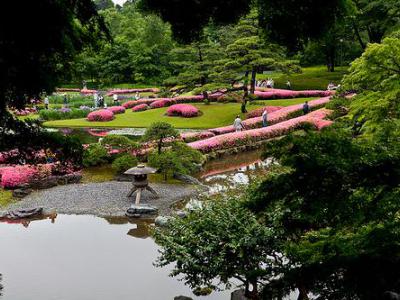
Today, Ninomaru Garden is a refined and tranquil space known for its classical Japanese aesthetics. Stone paths glide past mirror-still ponds, koi fish with attitude, and seasonal flowers that really understand color theory. Spring gives you cherry and plum blossoms. Summer-all lush greens. Autumn-foliage fireworks. And winter-minimalist moodiness in branch form.
Look out for Suwa-no-Chaya, a teahouse built in 1912 and relocated here later. Although no tea is served here anymore, it still carries “traditional vibes.” And those feeling slightly heroic can climb up the Tenshudai-the stone base of Edo Castle’s former main keep-for sweeping views and minor cardio.
Oh, and tree nerds can rejoice too, for there’s a miniature forest here representing all 47 prefectures of Japan. That’s right-260 trees, 30 species, one very ambitious arboretum. Toss in iris fields, sunflowers, azaleas… It’s like walking through a live-action botanical scroll.
Best of all, unlike the city's famous parks, this one's not packed. It’s a breath of calm, a history-tinged retreat, and a love letter to traditional Japanese beauty-all without the selfie stick stampede. So go ahead, wander slowly, snap a few quiet photos, or just stand still and pretend you’ve achieved inner peace. Ninomaru Garden will keep your secret...
Now, a bit of backstory: This slice of serenity dates all the way back to 1632, courtesy of Kobori Enshū: legendary landscape designer, tea master, and certified aesthetic overachiever. Back then, this area wasn’t just a casual stroll spot-it was part of Edo Castle’s second line of defense. The original garden was lost to fire in the 1800s, but like all good things in Japan, it got a thoughtful reboot in 1968-thanks to an 18th-century design by former shogun Tokugawa Ieshige.
Today, Ninomaru Garden is a refined and tranquil space known for its classical Japanese aesthetics. Stone paths glide past mirror-still ponds, koi fish with attitude, and seasonal flowers that really understand color theory. Spring gives you cherry and plum blossoms. Summer-all lush greens. Autumn-foliage fireworks. And winter-minimalist moodiness in branch form.
Look out for Suwa-no-Chaya, a teahouse built in 1912 and relocated here later. Although no tea is served here anymore, it still carries “traditional vibes.” And those feeling slightly heroic can climb up the Tenshudai-the stone base of Edo Castle’s former main keep-for sweeping views and minor cardio.
Oh, and tree nerds can rejoice too, for there’s a miniature forest here representing all 47 prefectures of Japan. That’s right-260 trees, 30 species, one very ambitious arboretum. Toss in iris fields, sunflowers, azaleas… It’s like walking through a live-action botanical scroll.
Best of all, unlike the city's famous parks, this one's not packed. It’s a breath of calm, a history-tinged retreat, and a love letter to traditional Japanese beauty-all without the selfie stick stampede. So go ahead, wander slowly, snap a few quiet photos, or just stand still and pretend you’ve achieved inner peace. Ninomaru Garden will keep your secret...

3) Suwa no Chaya Teahouse
The Suwa no Chaya is by far not an average pit stop for matcha. This elegant Japanese teahouse has stories steeped in history, much like the tea it once served. Its name? A nod to the neighboring shrine devoted to the Shinto deity Suwa - because even deities appreciate good branding.
Back in the Edo period, this charming little pavilion was first placed in the Fukiage Garden, which is the west side of what is now the Imperial Palace. Prime real estate, as you'd expect.
Sadly, fire had other plans (as it often did in history), and the original structure was lost. But, thankfully, Tokugawa Ienari, the 11th shogun and part-time architectural revivalist, oversaw its comeback between 1787 and 1837. The place got another makeover in 1901 and, just to keep things fresh, Emperor Meiji ordered its final version in 1912. Because it never hurts to give a teahouse a bit of glow-up...
Further into the century, precisely in 1968, the teahouse was gracefully moved to Ninomaru Garden to add a touch of timeless elegance to the newly opened East Gardens.
Oh, and that peaceful grove nearby was planted between 1982 and 1985 at the request of Emperor Showa (aka Hirohito), who wanted to protect what little nature was left. A poetic move - and a much-needed breather from Tokyo’s hustle.
Today, Suwa no Chaya may no longer serve tea, but it’s still brewing admiration - a proud, silent witness to the charm of Meiji-era architecture and proof that some things really do age like fine sencha (infused green tea).
Back in the Edo period, this charming little pavilion was first placed in the Fukiage Garden, which is the west side of what is now the Imperial Palace. Prime real estate, as you'd expect.
Sadly, fire had other plans (as it often did in history), and the original structure was lost. But, thankfully, Tokugawa Ienari, the 11th shogun and part-time architectural revivalist, oversaw its comeback between 1787 and 1837. The place got another makeover in 1901 and, just to keep things fresh, Emperor Meiji ordered its final version in 1912. Because it never hurts to give a teahouse a bit of glow-up...
Further into the century, precisely in 1968, the teahouse was gracefully moved to Ninomaru Garden to add a touch of timeless elegance to the newly opened East Gardens.
Oh, and that peaceful grove nearby was planted between 1982 and 1985 at the request of Emperor Showa (aka Hirohito), who wanted to protect what little nature was left. A poetic move - and a much-needed breather from Tokyo’s hustle.
Today, Suwa no Chaya may no longer serve tea, but it’s still brewing admiration - a proud, silent witness to the charm of Meiji-era architecture and proof that some things really do age like fine sencha (infused green tea).

4) Tokagakudo
Tucked away like a well-kept secret in the serene East Garden of Tokyo’s Imperial Palace is Tokagakudo Music Hall-a hidden gem that doesn't scream for attention but politely “clears its throat” with impeccable taste.
Built in 1966 to celebrate the 60th birthday of Empress Kojun-grandmother to the current Emperor and a classical music superfan before it was cool-this architectural wonder is as much a love letter to the arts as it is to modern Japanese design.
“Tokagakudo” translates to “Peach Blossom,” and this building absolutely understood the assignment. Shaped like an octagon (for harmony, naturally), and capped with a petal-shaped roof, it's basically the architectural equivalent of a perfectly composed haiku.
The exterior is casually draped in vibrant mosaics made of Arita and Shigaraki pottery. Look closer, and you’ll spot birds mid-flight, stars doing their celestial thing, and symbols of noh and gagaku, Japan’s traditional performing arts, keeping things timeless with flair. The place has staged performances for elite ears over the decades, sometimes under the refined gaze of the Imperial family themselves.
Nestled next to the peaceful Ninomaru Garden and near the storied ruins of Edo Castle, this music hall pulls off the rare trick of being both contemporary and steeped in history. Bold yet poetic. Refined yet photogenic. It’s the kind of spot that turns a casual palace stroll into an accidental deep dive into Japanese culture and design.
Now, the sad truth: you can’t go inside. But don't let that upset you too much-Tokagakudo is like the ultimate introvert. Gorgeous, intriguing, and quietly commanding attention from without. So whether you’re in love with geometry or just like to point at pretty things on a walk, Tokagakudo hits all the right notes-even if they’re only on the outside.
Built in 1966 to celebrate the 60th birthday of Empress Kojun-grandmother to the current Emperor and a classical music superfan before it was cool-this architectural wonder is as much a love letter to the arts as it is to modern Japanese design.
“Tokagakudo” translates to “Peach Blossom,” and this building absolutely understood the assignment. Shaped like an octagon (for harmony, naturally), and capped with a petal-shaped roof, it's basically the architectural equivalent of a perfectly composed haiku.
The exterior is casually draped in vibrant mosaics made of Arita and Shigaraki pottery. Look closer, and you’ll spot birds mid-flight, stars doing their celestial thing, and symbols of noh and gagaku, Japan’s traditional performing arts, keeping things timeless with flair. The place has staged performances for elite ears over the decades, sometimes under the refined gaze of the Imperial family themselves.
Nestled next to the peaceful Ninomaru Garden and near the storied ruins of Edo Castle, this music hall pulls off the rare trick of being both contemporary and steeped in history. Bold yet poetic. Refined yet photogenic. It’s the kind of spot that turns a casual palace stroll into an accidental deep dive into Japanese culture and design.
Now, the sad truth: you can’t go inside. But don't let that upset you too much-Tokagakudo is like the ultimate introvert. Gorgeous, intriguing, and quietly commanding attention from without. So whether you’re in love with geometry or just like to point at pretty things on a walk, Tokagakudo hits all the right notes-even if they’re only on the outside.

5) Tenshu Stone Tower Base
Now, here's the ghost of a giant-well, the stone base of one... This is all that’s left of the Tenshu tower, a once-mighty centerpiece of Edo Castle in Tokyo. Think of it as the Shogunate’s version of a skyscraper… if skyscrapers wore samurai armor.
Originally commissioned by the second Tokugawa shogun, Hidetada, back in 1607, this stone giant was upgraded in 1622-because castles do need renovations from time to time-and was finally topped off in 1638 by his successor, Tokugawa Iemitsu. The finished tower stood a staggering 58 meters tall, with five floors reaching for the sky and one tucked beneath the earth-presumably for secret samurai meetings or really intense tea ceremonies.
It wasn't just big; it was a flex-a massive symbol of Tokugawa power. But in 1657, along came the Meireki fire, which didn’t quite tolerate tall things and burned down 70% of Edo, including the Tenshu tower. Following that, it was never rebuilt.
Today, all that remains is the stone foundation-stoic, robust, and reminding of the grandeur there once was. The survivor of time and flame, it’s an attraction in its own right. The rest of Edo Castle now serves as the imperial residence, but this chunk of history is open to the public. You can climb to the top, take in the view, and try to imagine what used to be here: a towering titan of stone, pride of the Tokugawa shoguns, and now... just one of the world's most majestic ruins.
Originally commissioned by the second Tokugawa shogun, Hidetada, back in 1607, this stone giant was upgraded in 1622-because castles do need renovations from time to time-and was finally topped off in 1638 by his successor, Tokugawa Iemitsu. The finished tower stood a staggering 58 meters tall, with five floors reaching for the sky and one tucked beneath the earth-presumably for secret samurai meetings or really intense tea ceremonies.
It wasn't just big; it was a flex-a massive symbol of Tokugawa power. But in 1657, along came the Meireki fire, which didn’t quite tolerate tall things and burned down 70% of Edo, including the Tenshu tower. Following that, it was never rebuilt.
Today, all that remains is the stone foundation-stoic, robust, and reminding of the grandeur there once was. The survivor of time and flame, it’s an attraction in its own right. The rest of Edo Castle now serves as the imperial residence, but this chunk of history is open to the public. You can climb to the top, take in the view, and try to imagine what used to be here: a towering titan of stone, pride of the Tokugawa shoguns, and now... just one of the world's most majestic ruins.

6) Kitahanebashimon Gate (Northern Drawbridge Gate)
Sitting on the northern edge of Tokyo’s Imperial Palace grounds, the Northern Drawbridge Gate is the kind of place that politely nods to its visitors and lets history do the talking.
The name clearly indicates that once upon a time, it did have a drawbridge. Back in the Edo period, this was no quiet corner but a working gate linking today’s Kitanomaru Park with the fortress core of Edo Castle. The drawbridge may have gone centuries ago, but the stone base and iron bits still linger like loyal ghosts of samurais past.
Now, architecturally speaking, this gate is rocking a Masugata style-a fortress’s idea of a stylish foyer. Square-shaped with a two-story gateway, it’s got a no-nonsense outer layer with a single canopy and a fancier inner section sporting three canopies (two of which are just there for flair, like decorative pillows that no one’s allowed to touch). Back in the day, guards would hang out on the second floor, keeping an eye out for mischief.
Presently, while most tourists flock to the more famous gates, the Northern Drawbridge Gate keeps it cool and quiet. Mossy stones, barely a crowd, and an ambiance that whispers, "Hey, slow down." It’s a haven for daydreamers, photographers, and anyone who appreciates a scenic stroll without being elbowed by a selfie stick.
Step through, and you’re in Kitanomaru Park. Think cherry blossoms, shady paths, and cultural gems like the Science Museum, the National Museum of Modern Art, the Crafts Gallery, and the National Archives. And if you’re into martial arts, the legendary Nippon Budokan is right there, too.
Those in favor of history with a side of peace and sightseeing with fewer crowds will find the Northern Drawbridge Gate their kind of detour. Quietly iconic, elegantly aged, and just the right amount of mysterious...
The name clearly indicates that once upon a time, it did have a drawbridge. Back in the Edo period, this was no quiet corner but a working gate linking today’s Kitanomaru Park with the fortress core of Edo Castle. The drawbridge may have gone centuries ago, but the stone base and iron bits still linger like loyal ghosts of samurais past.
Now, architecturally speaking, this gate is rocking a Masugata style-a fortress’s idea of a stylish foyer. Square-shaped with a two-story gateway, it’s got a no-nonsense outer layer with a single canopy and a fancier inner section sporting three canopies (two of which are just there for flair, like decorative pillows that no one’s allowed to touch). Back in the day, guards would hang out on the second floor, keeping an eye out for mischief.
Presently, while most tourists flock to the more famous gates, the Northern Drawbridge Gate keeps it cool and quiet. Mossy stones, barely a crowd, and an ambiance that whispers, "Hey, slow down." It’s a haven for daydreamers, photographers, and anyone who appreciates a scenic stroll without being elbowed by a selfie stick.
Step through, and you’re in Kitanomaru Park. Think cherry blossoms, shady paths, and cultural gems like the Science Museum, the National Museum of Modern Art, the Crafts Gallery, and the National Archives. And if you’re into martial arts, the legendary Nippon Budokan is right there, too.
Those in favor of history with a side of peace and sightseeing with fewer crowds will find the Northern Drawbridge Gate their kind of detour. Quietly iconic, elegantly aged, and just the right amount of mysterious...

7) Chidorigafuchi Moat
Once a protective barrier for samurai strongholds, today the Chidorigafuchi Moat is more of a date spot for people who like long walks and even longer photo sessions. Surrounding the Tokyo Imperial Palace, this former part of the old defenses is one of the city’s most scenic and peaceful destinations-especially in spring.
Indeed, from late March to early April, some 260 cherry trees lining the moat create a blizzard of pink, with petals drifting across the water like delicate origami boats. And by nightfall, the lanterns turn it all into a rom-com movie set. The best time to bring your camera-or a significant other. Or both.
If you're feeling adventurous, rent a rowboat and glide through this floral fairy tale. Prefer to stay dry? The Chidorigafuchi Green Way offers a pedestrian path with uninterrupted views-perfect for peaceful pondering or pretending you're in a slow-motion montage.
Unlike the chaos of Ueno or Shinjuku during hanami season, Chidorigafuchi keeps it chill. There’s room to breathe, think, and yes-take that perfect Instagram shot without someone’s umbrella poking you in the ribs.
The surrounding area includes Chidorigafuchi Park, which isn’t quite a park in the traditional sense but still makes for a lovely escape from Tokyo’s high-speed hustle.
Just a short walk away, the Chidorigafuchi National Cemetery brings a moment of pause. It's the final resting place for unknown Japanese soldiers from World War II-a somber yet meaningful contrast to the blooming beauty just steps away.
Of course, spring steals the show, but don’t write off the rest of the year. The moat stays photogenic year-round, with peaceful trails and quiet corners waiting to be discovered. The best part is that walking is free. Boating? Optional but highly recommended if you're into immersive scenery and have at least mildly questionable rowing skills.
Catch a spring sunset here, and you’ll see Tokyo in soft-focus-blossoms glowing, water shimmering, and the sky putting on its own light show. It’s the kind of moment that makes you whisper, “Is this real life?” In essence, Chidorigafuchi Moat is where history chills out, cherry blossoms reign, and Tokyo slows down-just long enough for you to fall in love with it...
Indeed, from late March to early April, some 260 cherry trees lining the moat create a blizzard of pink, with petals drifting across the water like delicate origami boats. And by nightfall, the lanterns turn it all into a rom-com movie set. The best time to bring your camera-or a significant other. Or both.
If you're feeling adventurous, rent a rowboat and glide through this floral fairy tale. Prefer to stay dry? The Chidorigafuchi Green Way offers a pedestrian path with uninterrupted views-perfect for peaceful pondering or pretending you're in a slow-motion montage.
Unlike the chaos of Ueno or Shinjuku during hanami season, Chidorigafuchi keeps it chill. There’s room to breathe, think, and yes-take that perfect Instagram shot without someone’s umbrella poking you in the ribs.
The surrounding area includes Chidorigafuchi Park, which isn’t quite a park in the traditional sense but still makes for a lovely escape from Tokyo’s high-speed hustle.
Just a short walk away, the Chidorigafuchi National Cemetery brings a moment of pause. It's the final resting place for unknown Japanese soldiers from World War II-a somber yet meaningful contrast to the blooming beauty just steps away.
Of course, spring steals the show, but don’t write off the rest of the year. The moat stays photogenic year-round, with peaceful trails and quiet corners waiting to be discovered. The best part is that walking is free. Boating? Optional but highly recommended if you're into immersive scenery and have at least mildly questionable rowing skills.
Catch a spring sunset here, and you’ll see Tokyo in soft-focus-blossoms glowing, water shimmering, and the sky putting on its own light show. It’s the kind of moment that makes you whisper, “Is this real life?” In essence, Chidorigafuchi Moat is where history chills out, cherry blossoms reign, and Tokyo slows down-just long enough for you to fall in love with it...
8) Kitanomaru Park
Just a stone’s throw north of Tokyo’s Imperial Palace lies a peaceful and scenic patch of green-Kitanomaru Park. Back in the day, this was the inner sanctum of Edo Castle, a fortified and fiercely guarded zone with armored samurais, secret passages, and a few stern-looking nobles-definitely not a picnic spot. Later, it became home to royal family members and local governors.
Although transformed into a public park in 1969, the samurai vibes still linger here. Two original castle gates-Shimizu and Tayasu-remain standing. The latter gate, dating back to 1685, is a true masterclass in Edo-era "keep out" design, with defensive layers and narrow courtyards set to slow down invaders. Walking through it feels like time-traveling-minus the awkward armor and no admission ticket required.
What’s more, this park isn’t just a museum with trees. It’s also home to the legendary Nippon Budokan, where martial arts meet rock concerts. Yes, that’s the same Budokan where the Beatles played. You’ll also find the Science Museum-perfect if you like your nature with a side of interactive fun-and the National Museum of Modern Art, where Japan’s creative genius is on full display. Once there, head to the top floor for one of Tokyo’s best views. Seriously, no one talks about it, but they should.
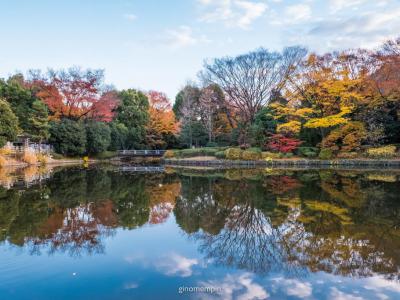
And if you’re not in a museum mood-No problem. Kitanomaru has trails for strolling, benches for loafing, and cherry blossoms that’ll make your Instagram blush. It’s a calm, crowd-free oasis in a city that never takes a nap. In short, if you're hunting cherry blossoms, geeking out on science, or just looking for a breather after sightseeing, this green escape quietly delivers all these goods-no ninja training required.
Although transformed into a public park in 1969, the samurai vibes still linger here. Two original castle gates-Shimizu and Tayasu-remain standing. The latter gate, dating back to 1685, is a true masterclass in Edo-era "keep out" design, with defensive layers and narrow courtyards set to slow down invaders. Walking through it feels like time-traveling-minus the awkward armor and no admission ticket required.
What’s more, this park isn’t just a museum with trees. It’s also home to the legendary Nippon Budokan, where martial arts meet rock concerts. Yes, that’s the same Budokan where the Beatles played. You’ll also find the Science Museum-perfect if you like your nature with a side of interactive fun-and the National Museum of Modern Art, where Japan’s creative genius is on full display. Once there, head to the top floor for one of Tokyo’s best views. Seriously, no one talks about it, but they should.
And if you’re not in a museum mood-No problem. Kitanomaru has trails for strolling, benches for loafing, and cherry blossoms that’ll make your Instagram blush. It’s a calm, crowd-free oasis in a city that never takes a nap. In short, if you're hunting cherry blossoms, geeking out on science, or just looking for a breather after sightseeing, this green escape quietly delivers all these goods-no ninja training required.

9) Tayasu-mon Gate
If walls could talk, Tayasu-mon Gate would probably sigh and say, "Ah yes, the Edo days-back when gates were sturdy, samurais were moody, and courtyards doubled as intruder traps."
This beauty is a bona fide relic of the Edo period, standing tall and slightly smug as the oldest surviving gate of the old Edo Castle complex. Once upon a shogunate, it guarded the entrance to what’s now Kitanomaru Park-a leafy patch that used to be the royal family’s backyard.
But before the castle, before the gate, there was… farmland. The area was known as Tayasudai-rural, quiet, and apparently shrine-worthy. The gate itself gets its name from a local shrine. And its Masugata-style design is the 17th-century version of “security system installed”-two gates, right angles, a cozy little courtyard in between-perfect for making intruders pause, ponder, and get promptly skewered. Efficient and dramatic.
Now, history's a little fuzzy on the gate’s exact birth year, but it’s definitely been around since at least 1607, with a makeover in 1636. This makes Tayasu-mon not just old but ancient by Tokyo standards. So ancient, in fact, that it earned the title of Important Cultural Property in 1961.
Up close, the gate’s got everything you want in a historical structure: thick stone walls, massive wooden beams, and the overall vibe of a samurai film set waiting for its cue.
Beyond the gate? Kitanomaru Park-calm, green, and blissfully quiet. And if you swing by in spring, the nearby Chidorigafuchi Moat turns into a full-blown cherry blossom catwalk. Picture petals, people, and probably more selfies than strictly necessary.
For those who like their cultural snacks in variety packs, the gate is just a short walk from the Science Museum and the National Museum of Modern Art. Because nothing says “Tokyo” like feudal architecture, futuristic gadgets, and bold brushstrokes-all in one afternoon.
This beauty is a bona fide relic of the Edo period, standing tall and slightly smug as the oldest surviving gate of the old Edo Castle complex. Once upon a shogunate, it guarded the entrance to what’s now Kitanomaru Park-a leafy patch that used to be the royal family’s backyard.
But before the castle, before the gate, there was… farmland. The area was known as Tayasudai-rural, quiet, and apparently shrine-worthy. The gate itself gets its name from a local shrine. And its Masugata-style design is the 17th-century version of “security system installed”-two gates, right angles, a cozy little courtyard in between-perfect for making intruders pause, ponder, and get promptly skewered. Efficient and dramatic.
Now, history's a little fuzzy on the gate’s exact birth year, but it’s definitely been around since at least 1607, with a makeover in 1636. This makes Tayasu-mon not just old but ancient by Tokyo standards. So ancient, in fact, that it earned the title of Important Cultural Property in 1961.
Up close, the gate’s got everything you want in a historical structure: thick stone walls, massive wooden beams, and the overall vibe of a samurai film set waiting for its cue.
Beyond the gate? Kitanomaru Park-calm, green, and blissfully quiet. And if you swing by in spring, the nearby Chidorigafuchi Moat turns into a full-blown cherry blossom catwalk. Picture petals, people, and probably more selfies than strictly necessary.
For those who like their cultural snacks in variety packs, the gate is just a short walk from the Science Museum and the National Museum of Modern Art. Because nothing says “Tokyo” like feudal architecture, futuristic gadgets, and bold brushstrokes-all in one afternoon.
Walking Tours in Tokyo, Japan

Create Your Own Walk in Tokyo
Creating your own self-guided walk in Tokyo is easy and fun. Choose the city attractions that you want to see and a walk route map will be created just for you. You can even set your hotel as the start point of the walk.
Shibuya Walking Tour
Ah, Shibuya... If Tokyo were a giant party, this district would be the dance floor. A neon-lit playground where fashion-forward teens, pop culture fiends, and wide-eyed tourists collide in a kaleidoscope of color, style, and pure urban energy.
But before it became Japan’s trendsetting capital, Shibuya had a different kind of ruling class-the Shibuya clan. Back in the 1160s, they ran this... view more
Tour Duration: 2 Hour(s)
Travel Distance: 3.9 Km or 2.4 Miles
But before it became Japan’s trendsetting capital, Shibuya had a different kind of ruling class-the Shibuya clan. Back in the 1160s, they ran this... view more
Tour Duration: 2 Hour(s)
Travel Distance: 3.9 Km or 2.4 Miles
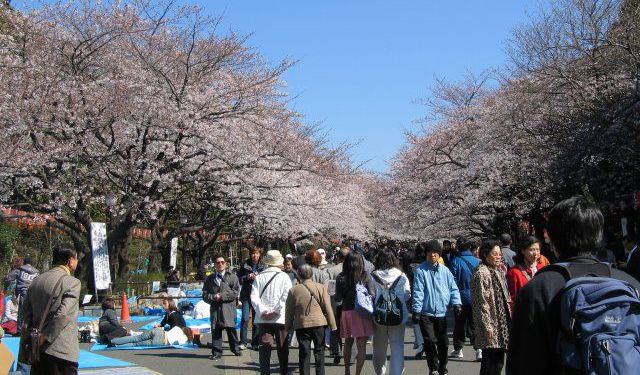
Ueno Park Walking Tour
Ueno Park is Tokyo’s ultimate mashup of history, nature, and culture! It started as part of the powerful Kanei-ji Temple during the Edo period, which lasted from 1603 to 1868. Back then, samurais roamed and shoguns ruled the country. In the 1870s, as Japan embraced modernization, the area was gentrified, turning into a public park. Today, it's a major attraction for travelers craving both a... view more
Tour Duration: 2 Hour(s)
Travel Distance: 3.9 Km or 2.4 Miles
Tour Duration: 2 Hour(s)
Travel Distance: 3.9 Km or 2.4 Miles
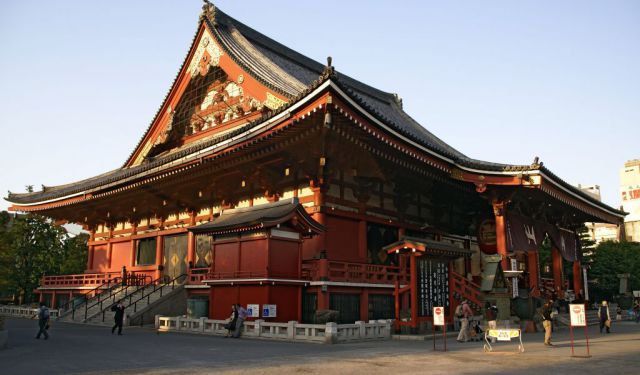
Asakusa District Walking Tour
Asakusa - Tokyo’s delightful time machine with a modern metro stop. This is one of the rare areas in the city where you will find narrow alleys, traditional shops, temple markets, and geisha whispers still echoing off the rooftops. Think of it as Old Tokyo in HD.
Back in the Edo period (between 1603 and 1868), Asakusa got its groove thanks to some very rich guys - the rice storehouse keepers... view more
Tour Duration: 1 Hour(s)
Travel Distance: 1.1 Km or 0.7 Miles
Back in the Edo period (between 1603 and 1868), Asakusa got its groove thanks to some very rich guys - the rice storehouse keepers... view more
Tour Duration: 1 Hour(s)
Travel Distance: 1.1 Km or 0.7 Miles
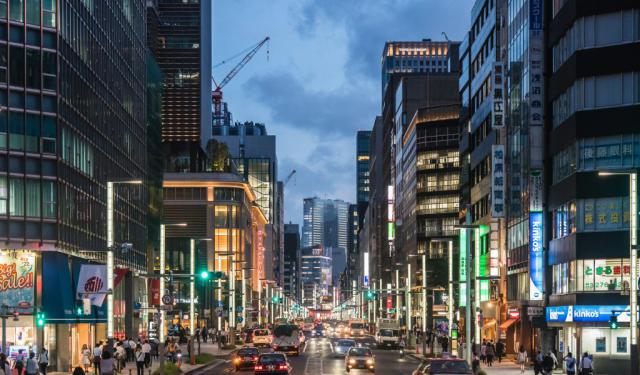
Ginza Shopping Tour
Often compared with New York's Fifth Avenue, Ginza is the most luxurious shopping district in Tokyo. Its two main avenues running through the area, Chuo-dori Street and Harumi-dori Street, are lined with high-end boutiques, enormous department stores, and flagship stores of renowned international brands carrying a wealth of merchandise, from fashion and jewelry to electronics and cosmetics.
... view more
Tour Duration: 1 Hour(s)
Travel Distance: 1.6 Km or 1 Miles
... view more
Tour Duration: 1 Hour(s)
Travel Distance: 1.6 Km or 1 Miles
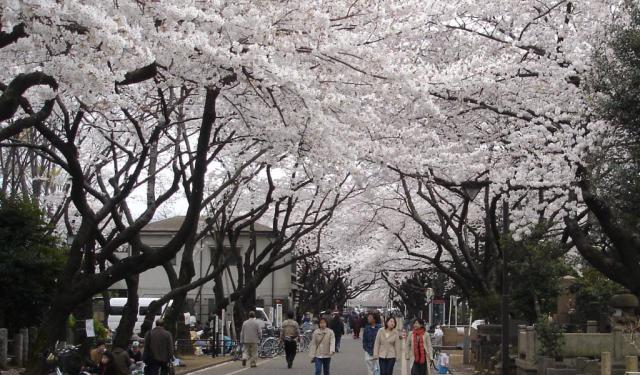
Yanaka Walking Tour
A bit away from Downtown Tokyo, Yanaka is a hidden spot with a lot to offer. This neighborhood is known for its narrow alleys, traditional wooden houses, izakaya pubs, and old-style shops. Having largely escaped the damage of World War II, Yanaka exudes the last-century charm of Tokyo's old town ambiance.
With a high concentration of ancient places of worship in the district, the air here... view more
Tour Duration: 1 Hour(s)
Travel Distance: 1.6 Km or 1 Miles
With a high concentration of ancient places of worship in the district, the air here... view more
Tour Duration: 1 Hour(s)
Travel Distance: 1.6 Km or 1 Miles
Shinjuku Walking Tour
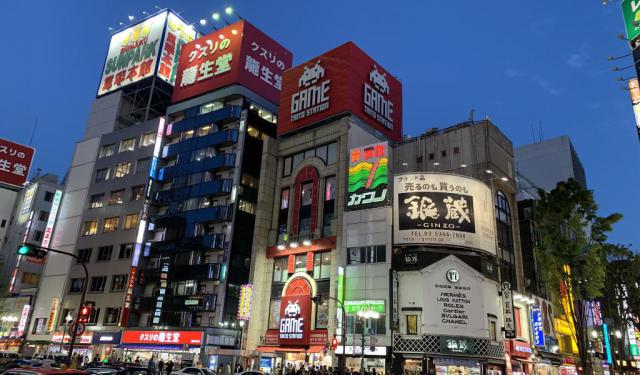
Known as the best entertainment district in Tokyo, Shinjuku abounds in venues where visitors can play, eat, and shop to their hearts' content all day long. Besides the endless list of fun, shopping, and dining options available, the district also offers some truly amazing sightseeing opportunities which are often underrated.
One of its iconic landmarks is the two towers of the... view more
Tour Duration: 1 Hour(s)
Travel Distance: 2.1 Km or 1.3 Miles
One of its iconic landmarks is the two towers of the... view more
Tour Duration: 1 Hour(s)
Travel Distance: 2.1 Km or 1.3 Miles
Useful Travel Guides for Planning Your Trip

Authentic Japanese Dining in Tokyo
Tokyo is home to literally a million eating places, so finding a truly authentic Japanese style restaurant with an English language menu can be rather tricky. We have compiled a list of easy to find Japanese style restaurants covering a range of culinary specialties to make your taste-buds tingle...

Eclectic Bars of Tokyo
Time to tap glasses and share laughs in Tokyo, a city of wondrous variety! In this app is an insider's guide to attractive drinking bars, and places nearby that are worthy experiences (theatres, shrines, shopping districts, etc).
Each bar has been carefully chosen throughout this endless...

Tokyo Souvenirs: 18 Authentic Japanese Products to Buy in Tokyo
The list of the delights of Tokyo is long and being exposed to just some of them, at some point, can make one addicted (just as the Charles Winchester III character from the M.A.S.H. series). Still, you can always "prolong" the experience and enjoy the effects of it more, if bring home...
12 Must-Try Traditional Japanese Foods in Tokyo
Cuisine is an integral part of any local culture, and no trip to Tokyo is complete without tasting the authentic, Tokyo-made Japanese food. This directory offers information about the traditional dishes and drinks available in Tokyo to help visitors better understand the local food culture and make...
The Most Popular Cities
/ view all