

Audio Guide: Ueno Park Walking Tour (Self Guided), Tokyo
Ueno Park is Tokyo’s ultimate mashup of history, nature, and culture! It started as part of the powerful Kanei-ji Temple during the Edo period, which lasted from 1603 to 1868. Back then, samurais roamed and shoguns ruled the country. In the 1870s, as Japan embraced modernization, the area was gentrified, turning into a public park. Today, it's a major attraction for travelers craving both a taste of old Japan and a slice of the modern city.
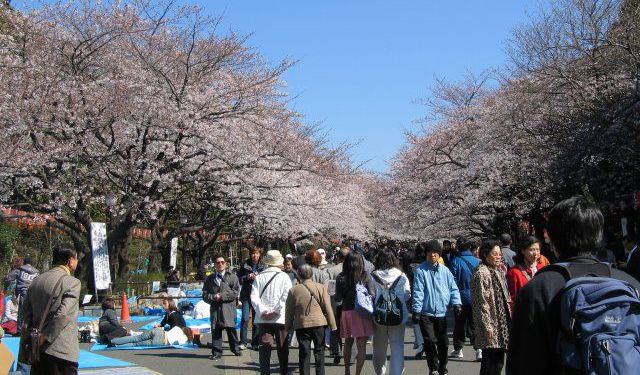
Primarily, this sprawling green escape is famous for its over 1,000 cherry trees. When cherry blossom season hits-usually between late March and early April-the place transforms into a pink-and-white wonderland, luring picnickers, photographers, and anyone who enjoys nature’s most Instagrammable moment.
But the park isn’t just about pretty petals! History buffs, get ready-there’s the Saigo Takamori Statue, a tribute to the legendary samurai known as the “real Last Samurai” (take that, Hollywood). Then, there’s the Kiyomizu Kannon Temple, where tranquility and beautiful architecture go hand in hand.
For art lovers, Ueno Park is an absolute jackpot. The Tokyo National Museum-home to samurai armor and ancient scrolls-has enough cultural artifacts to make any history nerd swoon. Then, the National Museum of Western Art-a UNESCO-listed gem packed with European greats like Monet, Van Gogh, and Rodin. And if that’s not enough, there are also the Ueno Royal Museum and the Tokyo Metropolitan Art Museum-because you can never have too much art.
Science geeks, fear not-the National Science Museum of Japan is here for you! Interactive exhibits, natural history displays, and a chance to geek out over the wonders of the universe await.
Meanwhile, animal lovers, brace yourselves-Ueno Zoo is Japan’s oldest, housing over 3,000 creatures!
Need more history? Check out the Kanei-ji Temple Pagoda, the golden-laden Ueno Toshogu Shrine, or the Ueno Daibutsu, a serene Buddha statue. Want a scenic escape? No problem. Shinobazu Pond, with its summer lotus blooms and charming rowboats, is the perfect spot. And on an island in the middle, the Bentendo Temple pays tribute to Benzaiten, the goddess of wisdom and fortune-because we could all use a little extra luck.
Also, for a blast from Tokyo’s past, the Shitamachi Museum gives you a peek into old-school city life. And the best part-entry to Ueno Park is absolutely free!
So, whether you’re chasing cherry blossoms, admiring art, or enjoying the sight of animals, Ueno Park has something for everyone. So what are you waiting for? Adventure is calling!
Primarily, this sprawling green escape is famous for its over 1,000 cherry trees. When cherry blossom season hits-usually between late March and early April-the place transforms into a pink-and-white wonderland, luring picnickers, photographers, and anyone who enjoys nature’s most Instagrammable moment.
But the park isn’t just about pretty petals! History buffs, get ready-there’s the Saigo Takamori Statue, a tribute to the legendary samurai known as the “real Last Samurai” (take that, Hollywood). Then, there’s the Kiyomizu Kannon Temple, where tranquility and beautiful architecture go hand in hand.
For art lovers, Ueno Park is an absolute jackpot. The Tokyo National Museum-home to samurai armor and ancient scrolls-has enough cultural artifacts to make any history nerd swoon. Then, the National Museum of Western Art-a UNESCO-listed gem packed with European greats like Monet, Van Gogh, and Rodin. And if that’s not enough, there are also the Ueno Royal Museum and the Tokyo Metropolitan Art Museum-because you can never have too much art.
Science geeks, fear not-the National Science Museum of Japan is here for you! Interactive exhibits, natural history displays, and a chance to geek out over the wonders of the universe await.
Meanwhile, animal lovers, brace yourselves-Ueno Zoo is Japan’s oldest, housing over 3,000 creatures!
Need more history? Check out the Kanei-ji Temple Pagoda, the golden-laden Ueno Toshogu Shrine, or the Ueno Daibutsu, a serene Buddha statue. Want a scenic escape? No problem. Shinobazu Pond, with its summer lotus blooms and charming rowboats, is the perfect spot. And on an island in the middle, the Bentendo Temple pays tribute to Benzaiten, the goddess of wisdom and fortune-because we could all use a little extra luck.
Also, for a blast from Tokyo’s past, the Shitamachi Museum gives you a peek into old-school city life. And the best part-entry to Ueno Park is absolutely free!
So, whether you’re chasing cherry blossoms, admiring art, or enjoying the sight of animals, Ueno Park has something for everyone. So what are you waiting for? Adventure is calling!
How it works: Download the app "GPSmyCity: Walks in 1K+ Cities" from Apple App Store or Google Play Store to your mobile phone or tablet. The app turns your mobile device into a personal tour guide and its built-in GPS navigation functions guide you from one tour stop to next. The app works offline, so no data plan is needed when traveling abroad.
Download The GPSmyCity App



Ueno Park Walking Tour Map
Guide Name: Ueno Park Walking Tour
Guide Location: Japan » Tokyo (See other walking tours in Tokyo)
Guide Type: Self-guided Walking Tour (Sightseeing)
# of Attractions: 14
Tour Duration: 2 Hour(s)
Travel Distance: 3.9 Km or 2.4 Miles
Author: DanaOffice
Sight(s) Featured in This Guide:
Guide Location: Japan » Tokyo (See other walking tours in Tokyo)
Guide Type: Self-guided Walking Tour (Sightseeing)
# of Attractions: 14
Tour Duration: 2 Hour(s)
Travel Distance: 3.9 Km or 2.4 Miles
Author: DanaOffice
Sight(s) Featured in This Guide:
- Saigo Takamori Statue
- Kiyomizu Kannon Temple
- Ueno Royal Museum
- The National Museum of Western Art
- National Science Museum of Japan
- Tokyo National Museum
- Tokyo Metropolitan Art Museum
- Ueno Zoo
- Kanei ji Temple Pagoda
- Tosho-gu Shrine
- Ueno Daibutsu
- Shinobazu-no-ike Bentendo Temple
- Shinobazu Pond
- Shitamachi Museum

1) Saigo Takamori Statue
Standing tall in Ueno Park, the Saigo Takamori Statue is Tokyo’s very own bronze tribute to Japan’s last great samurai. But don’t let the casual hunting outfit fool you-this man wasn’t just out for a scenic stroll with the trusty dog by his side.
Hailing from Kagoshima Prefecture, Saigo Takamori was a powerhouse of a leader, playing a major role in overthrowing the Tokugawa Shogunate in 1864. This paved the way for the Meiji Restoration-aka Japan’s grand entrance into the modern world. But here’s where things get messy. Once the new government decided to sideline the samurai class, Saigo, being the steadfast warrior that he was, wasn’t having any of it.
So, what did he do? He led a full-blown rebellion-because why go quietly when you can take a stand? Alongside a loyal band of samurai, he squared off against the government’s well-equipped forces in one last, valiant fight. Spoiler alert: It didn’t go well for the samurai. Facing inevitable defeat, Saigo upheld tradition, performing seppuku-the ritual suicide of a warrior, thus sealing his legacy in history.
But here’s the twist-despite leading a rebellion against the very government that later built a monument in his honor, Saigo remained a folk hero. The people admired his unwavering principles, and by 1898, the government gave him a posthumous pardon, immortalizing him in bronze right here in Ueno Park, where he once fought his final battle.
In 2003, Hollywood came knocking. The Last Samurai movie, starring Tom Cruise, took inspiration from Saigo’s story, sending his legend global.
Today, Saigo’s statue is more than just a landmark-it’s a symbol of resilience, loyalty, and that classic samurai spirit. Whether you see him as a revolutionary, a rebel, or simply the guy with the best dog-walking stance in the capital, one thing is for sure-his legacy is as unshakable as the bronze he’s cast in.
Hailing from Kagoshima Prefecture, Saigo Takamori was a powerhouse of a leader, playing a major role in overthrowing the Tokugawa Shogunate in 1864. This paved the way for the Meiji Restoration-aka Japan’s grand entrance into the modern world. But here’s where things get messy. Once the new government decided to sideline the samurai class, Saigo, being the steadfast warrior that he was, wasn’t having any of it.
So, what did he do? He led a full-blown rebellion-because why go quietly when you can take a stand? Alongside a loyal band of samurai, he squared off against the government’s well-equipped forces in one last, valiant fight. Spoiler alert: It didn’t go well for the samurai. Facing inevitable defeat, Saigo upheld tradition, performing seppuku-the ritual suicide of a warrior, thus sealing his legacy in history.
But here’s the twist-despite leading a rebellion against the very government that later built a monument in his honor, Saigo remained a folk hero. The people admired his unwavering principles, and by 1898, the government gave him a posthumous pardon, immortalizing him in bronze right here in Ueno Park, where he once fought his final battle.
In 2003, Hollywood came knocking. The Last Samurai movie, starring Tom Cruise, took inspiration from Saigo’s story, sending his legend global.
Today, Saigo’s statue is more than just a landmark-it’s a symbol of resilience, loyalty, and that classic samurai spirit. Whether you see him as a revolutionary, a rebel, or simply the guy with the best dog-walking stance in the capital, one thing is for sure-his legacy is as unshakable as the bronze he’s cast in.

2) Kiyomizu Kannon Temple
Kiyomizu Kannon Temple is truly Tokyo’s time-traveling treasure! Built in 1632 by orders of Tokugawa Iemitsu, the third shogun of the Tokugawa dynasty, this temple has seen it all-from the golden days of the Edo period to the chaos of the Battle of Ueno in 1868. While most of the Kanei-ji Temple complex didn’t survive that historic showdown, this little gem made it through, standing strong as a spiritual sanctuary in the heart of Ueno Park.
Modeled after Kyoto’s famous Kiyomizudera, but in a more compact, Tokyo-friendly version, this temple belongs to the Tendai sect of Buddhism and is dedicated to Senju Kannon, the Thousand-Armed Bodhisattva of Compassion-because let’s face it, who wouldn’t want an extra thousand hands to get things done?
But what really puts this temple on the map is its role as a spiritual haven for fertility and childbirth. Inside, you’ll find Kosodate, the Child-Giving Kannon, an absolute must-visit for those hoping for a bundle of joy. Visitors come to pray for pregnancy, safe childbirth, or simply to pick up one of the temple’s protective charms-because when it comes to baby luck, every little bit helps!
Also, the scenic views are an attraction in their own right. The Kannondo Hall, an architectural nod to Kyoto’s grand model, features a stunning wooden stage that juts out over Ueno Park. In spring, it offers front-row seats to a cherry blossom spectacle, and in autumn, it’s the perfect perch to admire the fiery foliage. And don’t forget to check out the "pine tree of a moon"-a quirky, naturally circular pine that adds a touch of zen to the scene.
Conveniently located within the park, this temple is an easy detour between animal-watching at Ueno Zoo or artifact-hunting at the Tokyo National Museum. Sure, it may not be as grand as its Kyoto counterpart, but it offers history, tranquility, and picture-perfect views-all without the crowds.
The best time to visit? March to April, when the sakura are in full bloom, or October to November, when the leaves turn those Instagram-worthy shades of crimson and gold. But whatever the season, Kiyomizu Kannon Temple is a peaceful escape in the middle of Tokyo’s hustle-a perfect spot to breathe, reflect, and maybe even make a wish or two.
Modeled after Kyoto’s famous Kiyomizudera, but in a more compact, Tokyo-friendly version, this temple belongs to the Tendai sect of Buddhism and is dedicated to Senju Kannon, the Thousand-Armed Bodhisattva of Compassion-because let’s face it, who wouldn’t want an extra thousand hands to get things done?
But what really puts this temple on the map is its role as a spiritual haven for fertility and childbirth. Inside, you’ll find Kosodate, the Child-Giving Kannon, an absolute must-visit for those hoping for a bundle of joy. Visitors come to pray for pregnancy, safe childbirth, or simply to pick up one of the temple’s protective charms-because when it comes to baby luck, every little bit helps!
Also, the scenic views are an attraction in their own right. The Kannondo Hall, an architectural nod to Kyoto’s grand model, features a stunning wooden stage that juts out over Ueno Park. In spring, it offers front-row seats to a cherry blossom spectacle, and in autumn, it’s the perfect perch to admire the fiery foliage. And don’t forget to check out the "pine tree of a moon"-a quirky, naturally circular pine that adds a touch of zen to the scene.
Conveniently located within the park, this temple is an easy detour between animal-watching at Ueno Zoo or artifact-hunting at the Tokyo National Museum. Sure, it may not be as grand as its Kyoto counterpart, but it offers history, tranquility, and picture-perfect views-all without the crowds.
The best time to visit? March to April, when the sakura are in full bloom, or October to November, when the leaves turn those Instagram-worthy shades of crimson and gold. But whatever the season, Kiyomizu Kannon Temple is a peaceful escape in the middle of Tokyo’s hustle-a perfect spot to breathe, reflect, and maybe even make a wish or two.

3) Ueno Royal Museum
The Ueno Royal Museum is all about art, history, and a dash of imperial flair under one roof. Once known as the Japan Art Association Museum, this cultural hub started out as the first Japanese art association’s treasure trove, collecting works from across the country and beyond. Today, it’s an ever-evolving stage for exhibitions that span from historic masterpieces to cutting-edge contemporary art.
Back in 1972, the museum first opened its doors to the public. Rewinding even further: the Japan Art Association itself dates back to 1879, founded with one goal in mind-to champion art and artists across Japan. Fast forward again, and you’ll find this esteemed organization still at the helm, presided over by none other than Prince Hitachinomiya, the younger brother of Emperor Akihito. Over the years, the museum has undergone quite the glow-up, with a major renovation in 1992 and a brand-new gallery debuting in 2006. Today, its various exhibition halls-ranging from intimate spaces to grand display areas-regularly host shows that keep art lovers coming back for more.
But the Ueno Royal Museum isn’t just about looking at art-it’s about making it, too. It has its very own art school, a haven for budding creatives eager to refine their craft. With workshops, lectures from top-tier artists, and courses on everything from color theory to technique, the school is a breeding ground for the next generation of talent. In 1989, they took things up a notch by launching the Meeting of Friends, a dedicated space where artists can connect, collaborate, and learn from the best. Think field sketch meetups, seminars, and engaging discussions that keep the artistic spirit alive.
And if you love a little competition, each year, the museum brings together artists from all over Japan to showcase their skills in a nationwide contest. Add to that a lineup of annual art fairs, and you’ve got yourself an institution that’s always buzzing with creative energy.
So whether you’re here to admire, learn, or maybe even leave with a bit of inspiration-one thing’s for sure: at the Ueno Royal Museum, art isn’t just displayed. It’s alive.
Back in 1972, the museum first opened its doors to the public. Rewinding even further: the Japan Art Association itself dates back to 1879, founded with one goal in mind-to champion art and artists across Japan. Fast forward again, and you’ll find this esteemed organization still at the helm, presided over by none other than Prince Hitachinomiya, the younger brother of Emperor Akihito. Over the years, the museum has undergone quite the glow-up, with a major renovation in 1992 and a brand-new gallery debuting in 2006. Today, its various exhibition halls-ranging from intimate spaces to grand display areas-regularly host shows that keep art lovers coming back for more.
But the Ueno Royal Museum isn’t just about looking at art-it’s about making it, too. It has its very own art school, a haven for budding creatives eager to refine their craft. With workshops, lectures from top-tier artists, and courses on everything from color theory to technique, the school is a breeding ground for the next generation of talent. In 1989, they took things up a notch by launching the Meeting of Friends, a dedicated space where artists can connect, collaborate, and learn from the best. Think field sketch meetups, seminars, and engaging discussions that keep the artistic spirit alive.
And if you love a little competition, each year, the museum brings together artists from all over Japan to showcase their skills in a nationwide contest. Add to that a lineup of annual art fairs, and you’ve got yourself an institution that’s always buzzing with creative energy.
So whether you’re here to admire, learn, or maybe even leave with a bit of inspiration-one thing’s for sure: at the Ueno Royal Museum, art isn’t just displayed. It’s alive.

4) The National Museum of Western Art
The National Museum of Western Art is the only place in Japan where European masterpieces reign supreme. Why? Because one man had a vision-a very expensive and very artistic vision.
That man was Matsukata Kojiro, a shipping magnate with a taste for fine art and even finer friendships. Not content with just hoarding paintings, he rubbed elbows with the likes of Claude Monet and set out to share his love for Western art with Japan. His dream? A museum dedicated entirely to European masters. The result? This very institution, designed by none other than Le Corbusier, the French architect who knew a thing or two about modernist charm. And so, in 1959, the doors swung open, revealing the treasures of the Matsukata Collection to the Japanese public.
Today, this museum isn’t just a modest little gallery-it’s a treasure trove of 4,500 works, spanning the 14th to the 20th century. The main hall is a crash course in Renaissance and Baroque grandeur, featuring Veronese and Rubens, whose religious imagery is as dramatic as a historical soap opera. Venture into the new wing, and suddenly you’re surrounded by the geniuses of modern art-Monet, Renoir, Van Gogh, and Picasso. As if that weren’t enough, the museum’s drawing collection boasts sketches by Boucher, Moreau, Rodin, and Cézanne, while the print collection spans five centuries of artistic brilliance.
So whether you’re here for the old masters, the Impressionists, or just to impress a date with your cultured side, the National Museum of Western Art serves the purpose all the same. So, step in, soak it up, and remember-Kojiro Matsukata dreamed big so you could admire bigger!
That man was Matsukata Kojiro, a shipping magnate with a taste for fine art and even finer friendships. Not content with just hoarding paintings, he rubbed elbows with the likes of Claude Monet and set out to share his love for Western art with Japan. His dream? A museum dedicated entirely to European masters. The result? This very institution, designed by none other than Le Corbusier, the French architect who knew a thing or two about modernist charm. And so, in 1959, the doors swung open, revealing the treasures of the Matsukata Collection to the Japanese public.
Today, this museum isn’t just a modest little gallery-it’s a treasure trove of 4,500 works, spanning the 14th to the 20th century. The main hall is a crash course in Renaissance and Baroque grandeur, featuring Veronese and Rubens, whose religious imagery is as dramatic as a historical soap opera. Venture into the new wing, and suddenly you’re surrounded by the geniuses of modern art-Monet, Renoir, Van Gogh, and Picasso. As if that weren’t enough, the museum’s drawing collection boasts sketches by Boucher, Moreau, Rodin, and Cézanne, while the print collection spans five centuries of artistic brilliance.
So whether you’re here for the old masters, the Impressionists, or just to impress a date with your cultured side, the National Museum of Western Art serves the purpose all the same. So, step in, soak it up, and remember-Kojiro Matsukata dreamed big so you could admire bigger!

5) National Science Museum of Japan
The National Science Museum of Tokyo-Japan’s one and only science museum under national command! Not just a place to gawk at fossils and cool gadgets, this powerhouse of knowledge doubles as a research institution, unraveling the mysteries of natural history and the evolution of science and technology.
Originally founded in 1871, this brainy wonderland started off as the Ministry of Education Museum. It then played “musical chairs” with its name-first the Tokyo Museum, then the Tokyo Science Museum, before finally settling on its current, rather grandiose title: The National Museum of Nature and Science (since 2007, if you’re keeping track).
Tucked away in the northeastern corner of Ueno Park, this museum has had a major revamp in recent years, emerging with a spectacular collection of exhibits. Once inside, you are greeted by a steam locomotive and a life-sized blue whale model-because it's always fun to start things off with a bang!
The museum spans two buildings. The newer wing is reserved for the big guys, such as dinosaur skeletons and deep-sea creatures straight out of a sci-fi flick. Meanwhile, the older building takes you on a journey through Japan’s native wildlife and evolutionary history-because nature has been busy here for millions of years.
For those who love hands-on science, there’s plenty to keep your brain buzzing. Ever wondered how your sense of balance works? A room with tilted floors and mind-bending mirrors will challenge your spatial perception (or just make you feel like you’re in a funhouse). Upstairs, the third floor mimics a woodland environment, filled with stuffed animals ready for exploration. Kids will love it. Parents will probably love it, too, because it keeps the kids busy.
So, whether you’re here to marvel at dinosaurs, test your perception, or impress your friends with random science facts, the National Museum of Nature and Science is a go-to venue. It’s education with a side of wonder, and let’s be honest-who doesn’t love a museum with a giant blue whale?
Originally founded in 1871, this brainy wonderland started off as the Ministry of Education Museum. It then played “musical chairs” with its name-first the Tokyo Museum, then the Tokyo Science Museum, before finally settling on its current, rather grandiose title: The National Museum of Nature and Science (since 2007, if you’re keeping track).
Tucked away in the northeastern corner of Ueno Park, this museum has had a major revamp in recent years, emerging with a spectacular collection of exhibits. Once inside, you are greeted by a steam locomotive and a life-sized blue whale model-because it's always fun to start things off with a bang!
The museum spans two buildings. The newer wing is reserved for the big guys, such as dinosaur skeletons and deep-sea creatures straight out of a sci-fi flick. Meanwhile, the older building takes you on a journey through Japan’s native wildlife and evolutionary history-because nature has been busy here for millions of years.
For those who love hands-on science, there’s plenty to keep your brain buzzing. Ever wondered how your sense of balance works? A room with tilted floors and mind-bending mirrors will challenge your spatial perception (or just make you feel like you’re in a funhouse). Upstairs, the third floor mimics a woodland environment, filled with stuffed animals ready for exploration. Kids will love it. Parents will probably love it, too, because it keeps the kids busy.
So, whether you’re here to marvel at dinosaurs, test your perception, or impress your friends with random science facts, the National Museum of Nature and Science is a go-to venue. It’s education with a side of wonder, and let’s be honest-who doesn’t love a museum with a giant blue whale?

6) Tokyo National Museum (must see)
The Tokyo National Museum-Japan’s oldest and largest vault of history, art, and culture-is way more than just a dusty archive for scholars in tweed jackets. This place is a time-travel machine packed with samurai armor, ancient scrolls, and delicate ceramics that survived centuries of human clumsiness.
But how did it all start? Flashback to 1872, when the museum was just a 20-day pop-up exhibit inside a former Confucian temple. The collection-curated by the Ministry of Education-was such a hit that they decided to keep the party going. After a couple of relocations, the museum found its forever home in Ueno Park, where it now stands as a treasure chest of Japanese heritage.
Today, the Tokyo National Museum is five buildings strong. Its main event, the Honkan, features Japan’s history in 24 rooms of artifacts from 10,000 BC to the 19th century. The Toyokan is a trip through Asia, divided into 10 rooms and seven regions-because Japan doesn’t hog all the historical limelight. The Hyokeikan – built in 1909, this beauty is all about temporary exhibits and events. The Heiseikan represents a deep dive into Japanese archaeology, from prehistoric relics to impressive imperial collections. And finally, the Horyu-ji Homotsukan, home to priceless treasures donated by the Horyu-ji Temple.
And if you like superlatives, get this: the museum holds 87 National Treasures and 610 Important Cultural Properties-basically, a historian’s dream come true.
So, whether you're an art nerd, a history buff, or just looking for a solid indoor activity in the Japanese capital, the Tokyo National Museum is a must-see-comprehensive, affordable, and wonderfully curated with clear English explanations (plus an audio guide, if you prefer a guided adventure). So, go forth and explore!
Tips:
Bring a 100 yen coin for the lockers-you’ll get it back, promise!
Snap all the photos you want, except where you see those “no photos” signs-respect the artifacts and people.
And let’s not forget the gift shop, where you can pick up gorgeous, artsy souvenirs to flex your cultural sophistication.
But how did it all start? Flashback to 1872, when the museum was just a 20-day pop-up exhibit inside a former Confucian temple. The collection-curated by the Ministry of Education-was such a hit that they decided to keep the party going. After a couple of relocations, the museum found its forever home in Ueno Park, where it now stands as a treasure chest of Japanese heritage.
Today, the Tokyo National Museum is five buildings strong. Its main event, the Honkan, features Japan’s history in 24 rooms of artifacts from 10,000 BC to the 19th century. The Toyokan is a trip through Asia, divided into 10 rooms and seven regions-because Japan doesn’t hog all the historical limelight. The Hyokeikan – built in 1909, this beauty is all about temporary exhibits and events. The Heiseikan represents a deep dive into Japanese archaeology, from prehistoric relics to impressive imperial collections. And finally, the Horyu-ji Homotsukan, home to priceless treasures donated by the Horyu-ji Temple.
And if you like superlatives, get this: the museum holds 87 National Treasures and 610 Important Cultural Properties-basically, a historian’s dream come true.
So, whether you're an art nerd, a history buff, or just looking for a solid indoor activity in the Japanese capital, the Tokyo National Museum is a must-see-comprehensive, affordable, and wonderfully curated with clear English explanations (plus an audio guide, if you prefer a guided adventure). So, go forth and explore!
Tips:
Bring a 100 yen coin for the lockers-you’ll get it back, promise!
Snap all the photos you want, except where you see those “no photos” signs-respect the artifacts and people.
And let’s not forget the gift shop, where you can pick up gorgeous, artsy souvenirs to flex your cultural sophistication.

7) Tokyo Metropolitan Art Museum
Think art, history, and a touch of name-changing drama? Here's the Tokyo Metropolitan Art Museum for you!
Back in 1926, this cultural gem first opened its doors as the Tokyo Prefectural Art Museum. But in 1943, Tokyo decided to level up and become a metropolitan prefecture-so, naturally, the museum followed suit with a brand-new name. Because, admit it, "metropolitan" sounds a bit fancier...
Comes 1975, and in walks modernist architect Kunio Maekawa with a bold vision. He designed the museum’s current home-a sleek, avant-garde masterpiece that somehow manages to blend perfectly with Ueno Park’s lush greenery. A building that says, “Yes, I am modern. But also, I appreciate a good cherry blossom.”
Back in the day, critics used to grumble that this museum lacked a permanent collection. But the 1970s rolled around, and the museum started gathering an eclectic mix of art, from twentieth-century sculptures to exquisite Japanese calligraphy. Take that, critics!
But what really puts this place on the map? The exhibitions. We’re talking heavy hitters like Tarō Okamoto, Isamu Noguchi, Edvard Munch, and Tsuguharu Foujita. Plus, world-class collaborations with art powerhouses such as The Louvre, The Metropolitan Museum of Art, and Boston’s Museum of Fine Arts. Basically, if an exhibition is making waves, there’s a good chance it’s happening here.
Oh, and they also host around 280 exhibitions a year-that’s nearly one for every day. So, if you ever find yourself in Tokyo with an art craving, the odds are, there’s something spectacular waiting for you inside.
From blockbuster retrospectives to the Ueno Artist Project, which spotlights emerging Japanese talent, the Tokyo Metropolitan Art Museum is where creativity meets constant reinvention. So, if you haven’t been yet… what are you waiting for?
Back in 1926, this cultural gem first opened its doors as the Tokyo Prefectural Art Museum. But in 1943, Tokyo decided to level up and become a metropolitan prefecture-so, naturally, the museum followed suit with a brand-new name. Because, admit it, "metropolitan" sounds a bit fancier...
Comes 1975, and in walks modernist architect Kunio Maekawa with a bold vision. He designed the museum’s current home-a sleek, avant-garde masterpiece that somehow manages to blend perfectly with Ueno Park’s lush greenery. A building that says, “Yes, I am modern. But also, I appreciate a good cherry blossom.”
Back in the day, critics used to grumble that this museum lacked a permanent collection. But the 1970s rolled around, and the museum started gathering an eclectic mix of art, from twentieth-century sculptures to exquisite Japanese calligraphy. Take that, critics!
But what really puts this place on the map? The exhibitions. We’re talking heavy hitters like Tarō Okamoto, Isamu Noguchi, Edvard Munch, and Tsuguharu Foujita. Plus, world-class collaborations with art powerhouses such as The Louvre, The Metropolitan Museum of Art, and Boston’s Museum of Fine Arts. Basically, if an exhibition is making waves, there’s a good chance it’s happening here.
Oh, and they also host around 280 exhibitions a year-that’s nearly one for every day. So, if you ever find yourself in Tokyo with an art craving, the odds are, there’s something spectacular waiting for you inside.
From blockbuster retrospectives to the Ueno Artist Project, which spotlights emerging Japanese talent, the Tokyo Metropolitan Art Museum is where creativity meets constant reinvention. So, if you haven’t been yet… what are you waiting for?

8) Ueno Zoo
The Ueno Zoo-Japan’s oldest zoological park-has been the wildest hangout spot in Tokyo since 1882. Spanning a sprawling 35+ acres, this animal kingdom is home to over 2,600 furry, scaly, and feathered residents. Back in the day, its inhabitants were tucked away in traditional cages, but times have changed-now, they lounge in habitats that mimic their natural environments (because animals also like a room with a view).
For decades, the zoo played host to some of Japan’s most famous guests-giant pandas from China! From 1972 to 2008, these black-and-white celebrities attracted crowds from far and wide. While the pandas may no longer be around, there’s no shortage of fascinating creatures. Ever seen a long-fingered "aye-aye" lemur? How about a two-toed sloth on its own very slow adventure? Or the majestic Sumatran tiger, reigning over the Tiger Forest? Speaking of forests, the Gorilla Woods is another must-see, where these powerful primates put on a show-whenever they feel like it...
For those who enjoy the nightlife, the Mammal House is the place to be, featuring a collection of nocturnal creatures that thrive in the dark. Meanwhile, the Vivarium offers a front-row seat to the world of reptiles and amphibians-because some people prefer their animals cold-blooded.
The zoo isn't just about exotic species; it's also got a soft side. Shinobazu Pond provides a safe haven for the endangered Japanese cormorant, while the petting area lets kids (and kids at heart) get up close with friendly farm animals. Goats, anyone?
And for history buffs, the zoo has a little something extra-two architectural treasures hiding in plain sight. First up, the five-story Kanei-ji Pagoda, the last surviving piece of a once-grand temple complex. Then there’s the elegant Stone Tea Ceremony House, a throwback to the days when the Tokugawa Shogunate’s elite gathered for refined tea and, no doubt, high-society gossip.
So, whether it's wildlife, history, or just a sloth taking its sweet time that sparks your interest, the Ueno Zoo can be equally entertaining. Step inside and get ready for a wilder side of Tokyo!
For decades, the zoo played host to some of Japan’s most famous guests-giant pandas from China! From 1972 to 2008, these black-and-white celebrities attracted crowds from far and wide. While the pandas may no longer be around, there’s no shortage of fascinating creatures. Ever seen a long-fingered "aye-aye" lemur? How about a two-toed sloth on its own very slow adventure? Or the majestic Sumatran tiger, reigning over the Tiger Forest? Speaking of forests, the Gorilla Woods is another must-see, where these powerful primates put on a show-whenever they feel like it...
For those who enjoy the nightlife, the Mammal House is the place to be, featuring a collection of nocturnal creatures that thrive in the dark. Meanwhile, the Vivarium offers a front-row seat to the world of reptiles and amphibians-because some people prefer their animals cold-blooded.
The zoo isn't just about exotic species; it's also got a soft side. Shinobazu Pond provides a safe haven for the endangered Japanese cormorant, while the petting area lets kids (and kids at heart) get up close with friendly farm animals. Goats, anyone?
And for history buffs, the zoo has a little something extra-two architectural treasures hiding in plain sight. First up, the five-story Kanei-ji Pagoda, the last surviving piece of a once-grand temple complex. Then there’s the elegant Stone Tea Ceremony House, a throwback to the days when the Tokugawa Shogunate’s elite gathered for refined tea and, no doubt, high-society gossip.
So, whether it's wildlife, history, or just a sloth taking its sweet time that sparks your interest, the Ueno Zoo can be equally entertaining. Step inside and get ready for a wilder side of Tokyo!

9) Kanei ji Temple Pagoda
Once upon a time-or rather, in 1625-the Kanei-ji Temple and its grand five-story pagoda stood as the spiritual guardian of Edo, constructed by the ever-industrious monk Tenkai. Its name derives from the Kanei era it was built in-because branding was just as important back then. As for the land it stands on, it was a generous donation from the second Shogun, Hidetada-because when you’re the shogun, gifting prime Tokyo real estate is just “another Tuesday” for you.
Back in its heyday, this temple complex was the VIP lounge of Edo’s religious scene, boasting over 30 buildings and serving as the final resting place for six Tokugawa shoguns, starting with the fourth. The pagoda itself? More than just a fancy tower, it was a supernatural security system built to keep those pesky malevolent spirits away from Edo Castle.
But all good things come to an end, especially when imperial forces crash the party. The 19th-century Battle of Ueno saw the Tokugawa defeated, the temple razed, and only the resilient pagoda left standing-a lone survivor of the Meiji Restoration’s cleanup.
Today, the pagoda has found an unexpected new home-inside Ueno Zoo, standing tall among the giraffes and primates, a relic of an era when samurai still roamed. If you climb to the top (hypothetically, because it’s not open to the public), you’d be treated to a stunning cityscape. Meanwhile, the four Buddha statues that once graced the pagoda now reside comfortably in the Tokyo National Museum-because even sacred figures need a change of scenery.
And as for the Tokugawa cemetery? It remains off-limits, shrouded in mystery, but you can still sneak a peek from the street-just enough to let your imagination fill in the rest. Because some history is best left with a little intrigue...
Back in its heyday, this temple complex was the VIP lounge of Edo’s religious scene, boasting over 30 buildings and serving as the final resting place for six Tokugawa shoguns, starting with the fourth. The pagoda itself? More than just a fancy tower, it was a supernatural security system built to keep those pesky malevolent spirits away from Edo Castle.
But all good things come to an end, especially when imperial forces crash the party. The 19th-century Battle of Ueno saw the Tokugawa defeated, the temple razed, and only the resilient pagoda left standing-a lone survivor of the Meiji Restoration’s cleanup.
Today, the pagoda has found an unexpected new home-inside Ueno Zoo, standing tall among the giraffes and primates, a relic of an era when samurai still roamed. If you climb to the top (hypothetically, because it’s not open to the public), you’d be treated to a stunning cityscape. Meanwhile, the four Buddha statues that once graced the pagoda now reside comfortably in the Tokyo National Museum-because even sacred figures need a change of scenery.
And as for the Tokugawa cemetery? It remains off-limits, shrouded in mystery, but you can still sneak a peek from the street-just enough to let your imagination fill in the rest. Because some history is best left with a little intrigue...

10) Tosho-gu Shrine
A stunning time capsule, Tosho Gu Shrine is where history, grandeur, and a touch of samurai flair come together. This sacred site is dedicated to Tokugawa Ieyasu, the shogun who took one look at Edo (now Tokyo) and thought, "Yeah, I’ll build my empire here." And unlike much of the city, which has seen its fair share of reinventions, this shrine has impressively held onto its original form-because, you know, timeless elegance never goes out of style...
It all started with Todo Takatora, a warrior who clearly knew how to honor his boss. He built the original shrine, but it didn’t stop there. Ieyasu’s son, Hidetada, and later his grandson, Iemitsu, gave it a bit of an upgrade, adding lavish details that would make even the fanciest daimyo (landholders) jealous. The complex now features 12 Buddhist and Shinto structures, including the final resting places of Ieyasu himself, along with two other legends-Toyotomi Hideyoshi and Minamoto Yoritomo-basically, Japan’s greatest hits of power and strategy.
Then there’s the Karamon, the shrine’s front gate-an absolute showstopper with gilded carvings of birds and flowers. If doors could flex, this one definitely would. Stepping inside, you’ll find the Haiden, the central hall for ceremonies, all enclosed by a 170-meter-long wooden masterpiece wall called the Mizu Gaki-intricately carved and seriously impressive. And as if the shrine wasn’t already grand enough, the entrance pathway is lined with 50 towering copper and massive stone lanterns that practically demand admiration.
For the art lovers in the crowd, Tosho Gu houses a collection of breathtaking murals painted by Kano Tan Yu, one of the Edo period’s top artists. It is like walking into a historical art gallery-except, instead of staring at the paintings in silence, you get to soak up centuries of culture in a living, breathing space.
And here’s a fun fact: after the Meiji Restoration, the government cleverly designed a park around the shrine, not just to make it prettier but as a fire barrier-because Tokyo and flames had a complicated relationship back then.
Oh, and don’t forget-on your way out-to grab a good luck charm. Be it for good health, prosperity, or just hoping your phone battery lasts the day, legend has it that these little tokens of fortune do the job.
It all started with Todo Takatora, a warrior who clearly knew how to honor his boss. He built the original shrine, but it didn’t stop there. Ieyasu’s son, Hidetada, and later his grandson, Iemitsu, gave it a bit of an upgrade, adding lavish details that would make even the fanciest daimyo (landholders) jealous. The complex now features 12 Buddhist and Shinto structures, including the final resting places of Ieyasu himself, along with two other legends-Toyotomi Hideyoshi and Minamoto Yoritomo-basically, Japan’s greatest hits of power and strategy.
Then there’s the Karamon, the shrine’s front gate-an absolute showstopper with gilded carvings of birds and flowers. If doors could flex, this one definitely would. Stepping inside, you’ll find the Haiden, the central hall for ceremonies, all enclosed by a 170-meter-long wooden masterpiece wall called the Mizu Gaki-intricately carved and seriously impressive. And as if the shrine wasn’t already grand enough, the entrance pathway is lined with 50 towering copper and massive stone lanterns that practically demand admiration.
For the art lovers in the crowd, Tosho Gu houses a collection of breathtaking murals painted by Kano Tan Yu, one of the Edo period’s top artists. It is like walking into a historical art gallery-except, instead of staring at the paintings in silence, you get to soak up centuries of culture in a living, breathing space.
And here’s a fun fact: after the Meiji Restoration, the government cleverly designed a park around the shrine, not just to make it prettier but as a fire barrier-because Tokyo and flames had a complicated relationship back then.
Oh, and don’t forget-on your way out-to grab a good luck charm. Be it for good health, prosperity, or just hoping your phone battery lasts the day, legend has it that these little tokens of fortune do the job.

11) Ueno Daibutsu
Originally, Ueno Daibutsu wasn’t just a face but a towering, six-meter-tall bronze statue of Shaka Nyorai (which is the local name of Buddha Shakyamuni), seated in all his enlightened glory. But fate (and gravity) had other plans. Today, only the face remains, gazing out solemnly from Mount Daibutsu, right next to Ueno Park. It’s got good company, though-a pagoda-style prayer tower dedicated to Yakushi Buddha and a shrine to keep it from feeling too lonely.
The statue's history is basically a tragicomedy of disasters. First built in 1631, it barely had time to settle in before the 1640 earthquake knocked it around a bit. Then came a fire in 1841, followed by yet another earthquake in 1855. But the real knockout punch arrived with the Great Kanto Earthquake of 1923, which sent the statue’s head tumbling. And just when it thought things couldn’t get worse, World War II came along, and most of its body was melted down for metal donations. Some rough life, indeed...
The head and torso managed to survive, tucked away in Kanei-ji Temple, waiting for a grand comeback. But by 1972, all that remained was the face, which was finally put back on display at its original site. A little battered, a little world-weary, but still standing-or, at least, hanging.
More recently, in the early 2000s, students facing tough exams started showing up to pay their respects. Why? Because this Buddha never falls-literally. The relief is fixed to the wall, and in Japanese, “non-falling” sounds suspiciously similar to “non-failing.” Thus, the “Great Buddha of Success” was born. Now, it’s a go-to spot for those hoping to pass their tests, with students whispering prayers to a statue that has definitely been through worse.
So, if you need a little luck-or just want to meet a Buddha with a truly dramatic backstory-Ueno Daibutsu is waiting, face forward, unwavering, and, well, qualified for success.
The statue's history is basically a tragicomedy of disasters. First built in 1631, it barely had time to settle in before the 1640 earthquake knocked it around a bit. Then came a fire in 1841, followed by yet another earthquake in 1855. But the real knockout punch arrived with the Great Kanto Earthquake of 1923, which sent the statue’s head tumbling. And just when it thought things couldn’t get worse, World War II came along, and most of its body was melted down for metal donations. Some rough life, indeed...
The head and torso managed to survive, tucked away in Kanei-ji Temple, waiting for a grand comeback. But by 1972, all that remained was the face, which was finally put back on display at its original site. A little battered, a little world-weary, but still standing-or, at least, hanging.
More recently, in the early 2000s, students facing tough exams started showing up to pay their respects. Why? Because this Buddha never falls-literally. The relief is fixed to the wall, and in Japanese, “non-falling” sounds suspiciously similar to “non-failing.” Thus, the “Great Buddha of Success” was born. Now, it’s a go-to spot for those hoping to pass their tests, with students whispering prayers to a statue that has definitely been through worse.
So, if you need a little luck-or just want to meet a Buddha with a truly dramatic backstory-Ueno Daibutsu is waiting, face forward, unwavering, and, well, qualified for success.

12) Shinobazu-no-ike Bentendo Temple
Tucked away on its own little island in Shinobazu Pond, the Shinobazu-no-ike Bentendo Temple is where Tokyo pays its respects to Benzaiten-the multitasking goddess of music, dance, wisdom, words, wealth, and, ultimately, water.
She’s the only female among Japan’s Seven Lucky Gods, and she clearly knew how to pick real estate-her temples are almost always built near water. No surprise, then, that this one floats in the middle of a pond, giving it that extra air of mystique (and, let’s be honest, making it look fantastic in photos).
Originally part of Kanei-ji Temple, this sanctuary survived the Battle of Ueno in 1868, while much of its grander complex didn’t. That alone makes it something of a historical miracle. And let’s give credit where it’s due-back in 1625, a Buddhist monk named Tenkai had the vision to build this temple, inspired by Kyoto’s legendary Enryakuji. He even planted lotus flowers around the pond-because nothing illustrates “divine elegance” quite like a lake full of floating blooms. They’re still here today, continuing his legacy with every serene ripple.
Near the temple, you’ll spot stone statues paying tribute to various deities. One of the highlights is the Biwa, a lute-shaped instrument symbolizing Benzaiten’s musical prowess. And if you see a god with a human head and a snake’s body-don’t be alarmed. That’s Ugaijin, the deity of harvests and fertility, looking as mythical as ever.
Ueno Park is packed with sights, so plan your time wisely-maybe even spread your visit over a couple of days. But if you’re short on time? Do yourself a favor and make a beeline for the Shinobazu-no-ike Bentendo Temple. Pay your respects to Benzaiten, soak in the tranquil surroundings, and if you listen closely, maybe you’ll even hear the whisper of a lute in the wind.
She’s the only female among Japan’s Seven Lucky Gods, and she clearly knew how to pick real estate-her temples are almost always built near water. No surprise, then, that this one floats in the middle of a pond, giving it that extra air of mystique (and, let’s be honest, making it look fantastic in photos).
Originally part of Kanei-ji Temple, this sanctuary survived the Battle of Ueno in 1868, while much of its grander complex didn’t. That alone makes it something of a historical miracle. And let’s give credit where it’s due-back in 1625, a Buddhist monk named Tenkai had the vision to build this temple, inspired by Kyoto’s legendary Enryakuji. He even planted lotus flowers around the pond-because nothing illustrates “divine elegance” quite like a lake full of floating blooms. They’re still here today, continuing his legacy with every serene ripple.
Near the temple, you’ll spot stone statues paying tribute to various deities. One of the highlights is the Biwa, a lute-shaped instrument symbolizing Benzaiten’s musical prowess. And if you see a god with a human head and a snake’s body-don’t be alarmed. That’s Ugaijin, the deity of harvests and fertility, looking as mythical as ever.
Ueno Park is packed with sights, so plan your time wisely-maybe even spread your visit over a couple of days. But if you’re short on time? Do yourself a favor and make a beeline for the Shinobazu-no-ike Bentendo Temple. Pay your respects to Benzaiten, soak in the tranquil surroundings, and if you listen closely, maybe you’ll even hear the whisper of a lute in the wind.

13) Shinobazu Pond
Shinobazu Pond, the watery jewel of Ueno Park, is a perfect harmony between nature, history, and the occasional swan-shaped pedal boat. Originally a lagoon connected to Tokyo Bay, this pond has been around for a casual 1,800 years. By the 15th century, the locals decided it deserved a proper name, and thus, Shinobazu Pond officially came into business.
Clocking in at two kilometers around and a whopping 1.1 million square meters, it’s no small puddle. But here’s the curious part-Shinobazu is actually divided into three sections, each with its own personality. First up, the Lotus Pond, where summer transforms the water into a lush, floral paradise-Mother Nature’s way of flexing. Then there’s the Boat Pond, the go-to spot for anyone wanting to row, pedal, or dramatically contemplate life while floating on the water. And finally, you have the Cormorant Pond, where Japanese cormorants do their thing-aka living their best bird lives-thanks to its connection to the Ueno Zoo.
Right in the middle of it all is a man-made island that’s home to a shrine dedicated to Benzaiten, the goddess of learning, music, and arts-basically, a divine patron of creative geniuses and last-minute exam crammers alike.
But wait, there’s more! Shinobazu Pond isn’t just about aesthetics-it’s an ecosystem brimming with life. You’ve got tufted ducks, pochards, black-headed gulls, and even the fancy-sounding northern pintails. Fish swim beneath the surface, and in a plot twist worthy of a nature documentary, alligator snapping turtles have recently been spotted breeding here. Who invited them? No one knows, but they’re here, making things interesting.
And because Tokyo does things right, there’s even a waterside music hall, where concerts and events add a cultural touch to this already spectacular spot. It doesn't really matter if you’re here for the lotus blooms, the wildlife, or just an excuse to paddle around in a boat shaped like a giant swan-Shinobazu Pond is fit to impress you all the same...
Clocking in at two kilometers around and a whopping 1.1 million square meters, it’s no small puddle. But here’s the curious part-Shinobazu is actually divided into three sections, each with its own personality. First up, the Lotus Pond, where summer transforms the water into a lush, floral paradise-Mother Nature’s way of flexing. Then there’s the Boat Pond, the go-to spot for anyone wanting to row, pedal, or dramatically contemplate life while floating on the water. And finally, you have the Cormorant Pond, where Japanese cormorants do their thing-aka living their best bird lives-thanks to its connection to the Ueno Zoo.
Right in the middle of it all is a man-made island that’s home to a shrine dedicated to Benzaiten, the goddess of learning, music, and arts-basically, a divine patron of creative geniuses and last-minute exam crammers alike.
But wait, there’s more! Shinobazu Pond isn’t just about aesthetics-it’s an ecosystem brimming with life. You’ve got tufted ducks, pochards, black-headed gulls, and even the fancy-sounding northern pintails. Fish swim beneath the surface, and in a plot twist worthy of a nature documentary, alligator snapping turtles have recently been spotted breeding here. Who invited them? No one knows, but they’re here, making things interesting.
And because Tokyo does things right, there’s even a waterside music hall, where concerts and events add a cultural touch to this already spectacular spot. It doesn't really matter if you’re here for the lotus blooms, the wildlife, or just an excuse to paddle around in a boat shaped like a giant swan-Shinobazu Pond is fit to impress you all the same...

14) Shitamachi Museum
Step right up, history buffs and nostalgia seekers! Welcome to the Shitamachi Museum, where Tokyo’s past isn’t just remembered-it’s practically alive and wearing wooden clogs.
Back in the 1920s and '30s, just before World War II, Tokyo’s working-class neighborhoods were buzzing with merchants, craftsmen, sailors, and fishermen. At that time, Shitamachi was the down-to-earth, blue-collar heart of the city, huddled around Edo Castle in charmingly cramped wooden tenements.
More recently, in 1980, the Shitamachi Museum opened its doors, determined to keep this bygone world from vanishing into the modern skyline. Once inside, you’re instantly time-traveling. The ground floor welcomes you with a replica of a merchant’s house, where Geta-those clacky wooden sandals-were once handmade and sold. A hand-pulled rickshaw sits nearby, a nod to the city’s pre-taxi days, while a classic tenement house shows how two hardworking families squeezed into one cozy, shop-filled space. Don’t miss the old-school well and washing board, because yes, laundry was an extreme sport back in the day.
Upstairs is a delightful collection of everyday relics that scream Shitamachi life: kitchen gadgets, festival pots and pans, board games, and a lineup of vintage toys that once thrilled kids before the smartphone era stole their thunder. However, the main attraction here is a grand, old entrance to a Japanese public bath-donated straight from its original owner-because nothing says “Tokyo nostalgia” as eloquently as a Sento doorway that has seen its fair share of bathers.
Ultimately, the Shitamachi Museum is your portal to a Tokyo that once was. So, visit this last holdout still clinging to that old-school charm, and let the echoes of old Edo whisper their stories.
Back in the 1920s and '30s, just before World War II, Tokyo’s working-class neighborhoods were buzzing with merchants, craftsmen, sailors, and fishermen. At that time, Shitamachi was the down-to-earth, blue-collar heart of the city, huddled around Edo Castle in charmingly cramped wooden tenements.
More recently, in 1980, the Shitamachi Museum opened its doors, determined to keep this bygone world from vanishing into the modern skyline. Once inside, you’re instantly time-traveling. The ground floor welcomes you with a replica of a merchant’s house, where Geta-those clacky wooden sandals-were once handmade and sold. A hand-pulled rickshaw sits nearby, a nod to the city’s pre-taxi days, while a classic tenement house shows how two hardworking families squeezed into one cozy, shop-filled space. Don’t miss the old-school well and washing board, because yes, laundry was an extreme sport back in the day.
Upstairs is a delightful collection of everyday relics that scream Shitamachi life: kitchen gadgets, festival pots and pans, board games, and a lineup of vintage toys that once thrilled kids before the smartphone era stole their thunder. However, the main attraction here is a grand, old entrance to a Japanese public bath-donated straight from its original owner-because nothing says “Tokyo nostalgia” as eloquently as a Sento doorway that has seen its fair share of bathers.
Ultimately, the Shitamachi Museum is your portal to a Tokyo that once was. So, visit this last holdout still clinging to that old-school charm, and let the echoes of old Edo whisper their stories.
Walking Tours in Tokyo, Japan

Create Your Own Walk in Tokyo
Creating your own self-guided walk in Tokyo is easy and fun. Choose the city attractions that you want to see and a walk route map will be created just for you. You can even set your hotel as the start point of the walk.
Shinjuku Walking Tour
Known as the best entertainment district in Tokyo, Shinjuku abounds in venues where visitors can play, eat, and shop to their hearts' content all day long. Besides the endless list of fun, shopping, and dining options available, the district also offers some truly amazing sightseeing opportunities which are often underrated.
One of its iconic landmarks is the two towers of the... view more
Tour Duration: 1 Hour(s)
Travel Distance: 2.1 Km or 1.3 Miles
One of its iconic landmarks is the two towers of the... view more
Tour Duration: 1 Hour(s)
Travel Distance: 2.1 Km or 1.3 Miles
Tokyo Imperial Palace Walking Tour
Welcome to Tokyo’s greenest royal secret-The Imperial Palace-a majestic sprawl of tradition, tranquility, and top-tier landscaping. This is where Japan’s Emperor hangs his crown (figuratively speaking), nestled right in the city’s beating heart and surrounded by moats like something straight out of a storybook... or a really classy samurai movie.
Now, before you grab your crown and march... view more
Tour Duration: 2 Hour(s)
Travel Distance: 2.7 Km or 1.7 Miles
Now, before you grab your crown and march... view more
Tour Duration: 2 Hour(s)
Travel Distance: 2.7 Km or 1.7 Miles
Asakusa District Walking Tour
Asakusa - Tokyo’s delightful time machine with a modern metro stop. This is one of the rare areas in the city where you will find narrow alleys, traditional shops, temple markets, and geisha whispers still echoing off the rooftops. Think of it as Old Tokyo in HD.
Back in the Edo period (between 1603 and 1868), Asakusa got its groove thanks to some very rich guys - the rice storehouse keepers... view more
Tour Duration: 1 Hour(s)
Travel Distance: 1.1 Km or 0.7 Miles
Back in the Edo period (between 1603 and 1868), Asakusa got its groove thanks to some very rich guys - the rice storehouse keepers... view more
Tour Duration: 1 Hour(s)
Travel Distance: 1.1 Km or 0.7 Miles
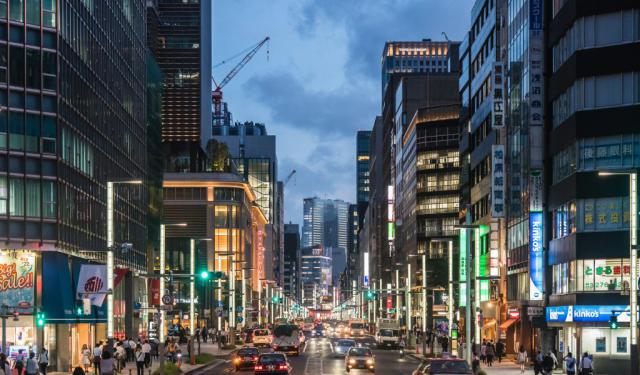
Ginza Shopping Tour
Often compared with New York's Fifth Avenue, Ginza is the most luxurious shopping district in Tokyo. Its two main avenues running through the area, Chuo-dori Street and Harumi-dori Street, are lined with high-end boutiques, enormous department stores, and flagship stores of renowned international brands carrying a wealth of merchandise, from fashion and jewelry to electronics and cosmetics.
... view more
Tour Duration: 1 Hour(s)
Travel Distance: 1.6 Km or 1 Miles
... view more
Tour Duration: 1 Hour(s)
Travel Distance: 1.6 Km or 1 Miles
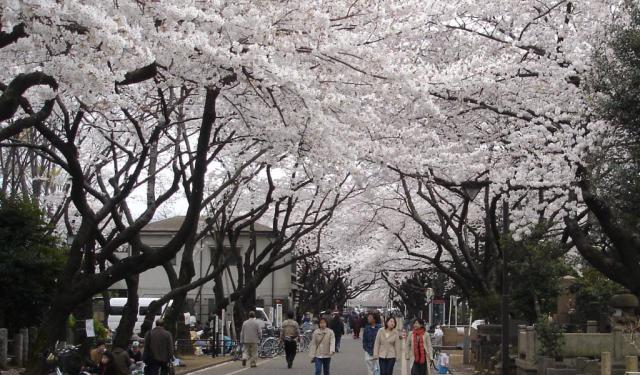
Yanaka Walking Tour
A bit away from Downtown Tokyo, Yanaka is a hidden spot with a lot to offer. This neighborhood is known for its narrow alleys, traditional wooden houses, izakaya pubs, and old-style shops. Having largely escaped the damage of World War II, Yanaka exudes the last-century charm of Tokyo's old town ambiance.
With a high concentration of ancient places of worship in the district, the air here... view more
Tour Duration: 1 Hour(s)
Travel Distance: 1.6 Km or 1 Miles
With a high concentration of ancient places of worship in the district, the air here... view more
Tour Duration: 1 Hour(s)
Travel Distance: 1.6 Km or 1 Miles
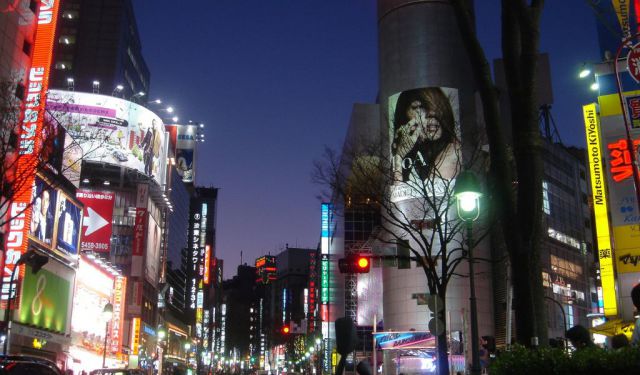
Shibuya Walking Tour
Ah, Shibuya... If Tokyo were a giant party, this district would be the dance floor. A neon-lit playground where fashion-forward teens, pop culture fiends, and wide-eyed tourists collide in a kaleidoscope of color, style, and pure urban energy.
But before it became Japan’s trendsetting capital, Shibuya had a different kind of ruling class-the Shibuya clan. Back in the 1160s, they ran this... view more
Tour Duration: 2 Hour(s)
Travel Distance: 3.9 Km or 2.4 Miles
But before it became Japan’s trendsetting capital, Shibuya had a different kind of ruling class-the Shibuya clan. Back in the 1160s, they ran this... view more
Tour Duration: 2 Hour(s)
Travel Distance: 3.9 Km or 2.4 Miles
Useful Travel Guides for Planning Your Trip
12 Must-Try Traditional Japanese Foods in Tokyo
Cuisine is an integral part of any local culture, and no trip to Tokyo is complete without tasting the authentic, Tokyo-made Japanese food. This directory offers information about the traditional dishes and drinks available in Tokyo to help visitors better understand the local food culture and make...
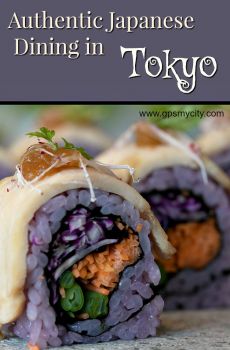
Authentic Japanese Dining in Tokyo
Tokyo is home to literally a million eating places, so finding a truly authentic Japanese style restaurant with an English language menu can be rather tricky. We have compiled a list of easy to find Japanese style restaurants covering a range of culinary specialties to make your taste-buds tingle...
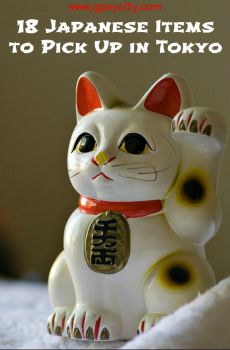
Tokyo Souvenirs: 18 Authentic Japanese Products to Buy in Tokyo
The list of the delights of Tokyo is long and being exposed to just some of them, at some point, can make one addicted (just as the Charles Winchester III character from the M.A.S.H. series). Still, you can always "prolong" the experience and enjoy the effects of it more, if bring home...

Eclectic Bars of Tokyo
Time to tap glasses and share laughs in Tokyo, a city of wondrous variety! In this app is an insider's guide to attractive drinking bars, and places nearby that are worthy experiences (theatres, shrines, shopping districts, etc).
Each bar has been carefully chosen throughout this endless...
The Most Popular Cities
/ view all