


Art Pavilion, Zagreb
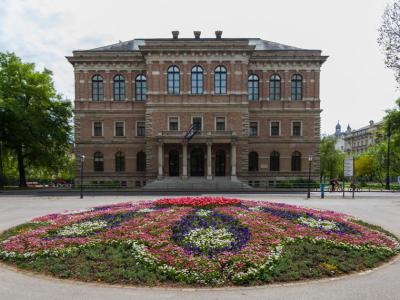
The Art Pavilion in Zagreb stands at the northern edge of King Tomislav Square and is one of the city’s most important exhibition spaces. Opened in 1898, it is considered the oldest gallery in Southeast Europe and remains the only purpose-built exhibition pavilion in Zagreb designed to accommodate large-scale shows. Originally conceived as a temporary structure for an international exhibition in Budapest during the era of the Austro-Hungarian Empire, its iron-frame construction was dismantled, transported, and reassembled in Zagreb as a permanent cultural venue.
Architecturally, the building combines classical symmetry with elements of Art Nouveau, visible in its decorative details and flowing lines. Its distinctive yellow façade makes it a focal point within the greenery of the Green Horseshoe. To find the first notable highlight, walk along the exterior of the east and west wings before entering; look for the niches in the façade containing busts of famous masters such as Andrija Medulić and Julije Klović.
Inside, the pavilion offers around 600 square metres of exhibition space but does not maintain a permanent collection. Instead, it focuses on hosting temporary exhibitions, presenting both Croatian and international artists across a wide range of styles and periods. Over time, the pavilion has organized around 700 exhibitions, featuring figures such as Auguste Rodin, Henry Moore, and Andy Warhol, alongside influential groups and movements.
The central hall is located directly beneath the main dome and serves as the primary focal point of the interior. Once you find yourself in this grand space, look up into the dome to see the final highlight: a series of allegorical medallions and frescoes. These paintings, executed by prominent Croatian artists, represent various branches of the arts and sciences. This central area, with its high ceilings and natural light, allows for flexible installations and a clear viewing experience.
Since 2005, the pavilion has marked its anniversary with an annual digital publication, offering a virtual overview of exhibitions from the previous year. Visitors should note that because the pavilion hosts rotating temporary shows, there are brief periods of closure between exhibitions for installation, so checking the current exhibition schedule ahead of time is advisable.
Architecturally, the building combines classical symmetry with elements of Art Nouveau, visible in its decorative details and flowing lines. Its distinctive yellow façade makes it a focal point within the greenery of the Green Horseshoe. To find the first notable highlight, walk along the exterior of the east and west wings before entering; look for the niches in the façade containing busts of famous masters such as Andrija Medulić and Julije Klović.
Inside, the pavilion offers around 600 square metres of exhibition space but does not maintain a permanent collection. Instead, it focuses on hosting temporary exhibitions, presenting both Croatian and international artists across a wide range of styles and periods. Over time, the pavilion has organized around 700 exhibitions, featuring figures such as Auguste Rodin, Henry Moore, and Andy Warhol, alongside influential groups and movements.
The central hall is located directly beneath the main dome and serves as the primary focal point of the interior. Once you find yourself in this grand space, look up into the dome to see the final highlight: a series of allegorical medallions and frescoes. These paintings, executed by prominent Croatian artists, represent various branches of the arts and sciences. This central area, with its high ceilings and natural light, allows for flexible installations and a clear viewing experience.
Since 2005, the pavilion has marked its anniversary with an annual digital publication, offering a virtual overview of exhibitions from the previous year. Visitors should note that because the pavilion hosts rotating temporary shows, there are brief periods of closure between exhibitions for installation, so checking the current exhibition schedule ahead of time is advisable.
Want to visit this sight? Check out these Self-Guided Walking Tours in Zagreb. Alternatively, you can download the mobile app "GPSmyCity: Walks in 1K+ Cities" from Apple App Store or Google Play Store. The app turns your mobile device to a personal tour guide and it works offline, so no data plan is needed when traveling abroad.
Download The GPSmyCity App



Art Pavilion on Map
Sight Name: Art Pavilion
Sight Location: Zagreb, Croatia (See walking tours in Zagreb)
Sight Type: Museum/Gallery
Guide(s) Containing This Sight:
Sight Location: Zagreb, Croatia (See walking tours in Zagreb)
Sight Type: Museum/Gallery
Guide(s) Containing This Sight:
Nearby Sights




Walking Tours in Zagreb, Croatia

Create Your Own Walk in Zagreb
Creating your own self-guided walk in Zagreb is easy and fun. Choose the city attractions that you want to see and a walk route map will be created just for you. You can even set your hotel as the start point of the walk.
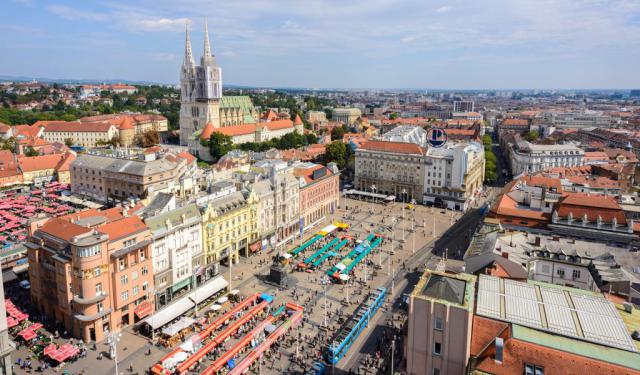
Zagreb Upper Town Walking Tour
Zagreb’s Upper Town forms the historic core of the city, rising on a hill above the modern lower districts. The name reflects its elevated position, distinguishing it from Lower Town, which developed later on the plains below. The wider area, however, has much older roots: nearby stood Andautonia, a Roman settlement that points to early habitation in the region. The name “Zagreb” itself... view more
Tour Duration: 1 Hour
Travel Distance: 1.8 Km or 1.1 Miles
Tour Duration: 1 Hour
Travel Distance: 1.8 Km or 1.1 Miles
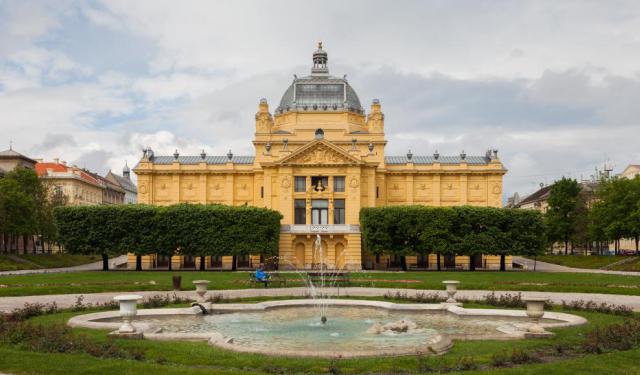
Zagreb Lower Town Walking Tour
Zagreb’s Lower Town forms one of the two main districts in the historic heart of the Croatian capital, alongside the Upper Town. As its name suggests, it lies below the older hilltop settlements of Gradec and Kaptol. While those medieval centers developed organically on elevated ground, the Lower Town is the more modern of the two, shaped through deliberate urban planning during the late 19th... view more
Tour Duration: 2 Hours
Travel Distance: 2.5 Km or 1.6 Miles
Tour Duration: 2 Hours
Travel Distance: 2.5 Km or 1.6 Miles