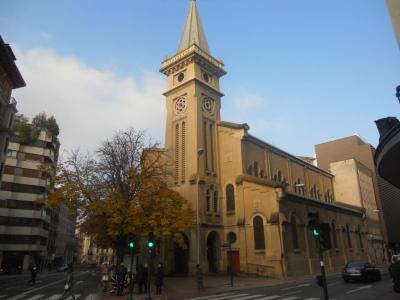


Basilica de San Ignacio de Loyola (Basilica of Saint Ignatius of Loyola), Pamplona
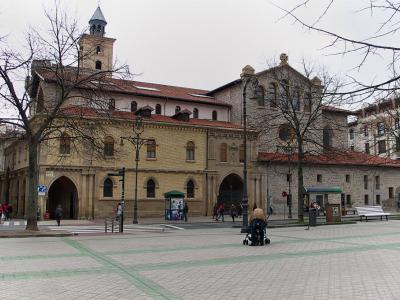
The Basilica of San Ignacio de Loyola occupies a site of historical significance, where once stood a castle commissioned by King Ferdinand the Catholic shortly after the conquest of Navarre in the 16th century. This castle bore witness to a significant chapter in Navarre's history, as it was besieged by the legitimate heirs to the Navarrese throne in an unsuccessful attempt to reclaim the kingdom. Notably, during this tumultuous period, the Gipuzkoan soldier Íñigo de Loyola, later known as Saint Ignatius of Loyola, fought on the side of the Castilian army defending the castle, sustaining serious injuries in battle.
In commemoration of this pivotal event, Viceroy Cardona ordered the installation of an arch and a commemorative tombstone at the exact location where Saint Ignatius was wounded during the battle. This historical marker, initially placed in the courtyard of the Cámara de Comptos, remains a testament to Saint Ignatius' valor and sacrifice. Later, towards the end of the 17th century, construction began on the Basilica of San Ignacio de Loyola at the very site where the saint was wounded. The basilica stands as a tribute to Saint Ignatius and his enduring legacy, serving as a place of pilgrimage and worship for devout Catholics and visitors alike.
Today, the Basilica of San Ignacio de Loyola is revered not only for its religious significance but also for its architectural grandeur and spiritual ambiance. Visitors to the basilica can behold the stone tombstone commemorating Saint Ignatius' bravery, prominently displayed within its walls. The basilica's ornate design and sacred atmosphere provide a serene setting for prayer, contemplation, and reflection, inviting pilgrims to connect with the life and teachings of Saint Ignatius.
In commemoration of this pivotal event, Viceroy Cardona ordered the installation of an arch and a commemorative tombstone at the exact location where Saint Ignatius was wounded during the battle. This historical marker, initially placed in the courtyard of the Cámara de Comptos, remains a testament to Saint Ignatius' valor and sacrifice. Later, towards the end of the 17th century, construction began on the Basilica of San Ignacio de Loyola at the very site where the saint was wounded. The basilica stands as a tribute to Saint Ignatius and his enduring legacy, serving as a place of pilgrimage and worship for devout Catholics and visitors alike.
Today, the Basilica of San Ignacio de Loyola is revered not only for its religious significance but also for its architectural grandeur and spiritual ambiance. Visitors to the basilica can behold the stone tombstone commemorating Saint Ignatius' bravery, prominently displayed within its walls. The basilica's ornate design and sacred atmosphere provide a serene setting for prayer, contemplation, and reflection, inviting pilgrims to connect with the life and teachings of Saint Ignatius.
Want to visit this sight? Check out these Self-Guided Walking Tours in Pamplona. Alternatively, you can download the mobile app "GPSmyCity: Walks in 1K+ Cities" from Apple App Store or Google Play Store. The app turns your mobile device to a personal tour guide and it works offline, so no data plan is needed when traveling abroad.
Download The GPSmyCity App



Basilica de San Ignacio de Loyola (Basilica of Saint Ignatius of Loyola) on Map
Sight Name: Basilica de San Ignacio de Loyola (Basilica of Saint Ignatius of Loyola)
Sight Location: Pamplona, Spain (See walking tours in Pamplona)
Sight Type: Religious
Sight Location: Pamplona, Spain (See walking tours in Pamplona)
Sight Type: Religious
Nearby Sights
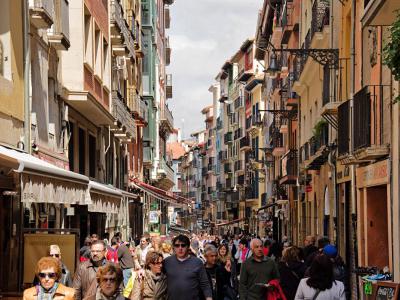
Walking Tours in Pamplona, Spain

Create Your Own Walk in Pamplona
Creating your own self-guided walk in Pamplona is easy and fun. Choose the city attractions that you want to see and a walk route map will be created just for you. You can even set your hotel as the start point of the walk.
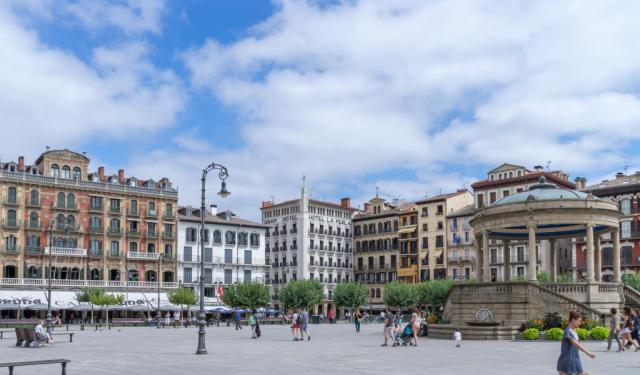
Pamplona Introduction Walking Tour
Pamplona, the capital of the autonomous region of Navarre in northern Spain, is one of the oldest cities in the country. Its history spans millennia. Originally a small Vascones settlement known as Iruña, it was transformed into a Roman city named Pompelo by the Roman commander Gnaeus Pompey in 74 BC. Over the centuries, Pamplona witnessed the rise and fall of various powers, from the Visigoths... view more
Tour Duration: 2 Hour(s)
Travel Distance: 2.8 Km or 1.7 Miles
Tour Duration: 2 Hour(s)
Travel Distance: 2.8 Km or 1.7 Miles