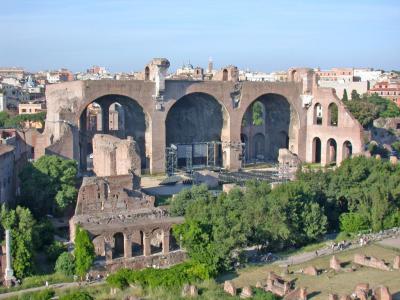


Basilica di Massenzio (Basilica of Maxentius), Rome
The Basilica of Maxentius and Constantine, also known as the Basilica Nova or Basilica of Maxentius, is an ancient structure located in the Roman Forum. It holds the distinction of being the largest building in the Forum and was the last Roman basilica constructed in the city. Built during the reign of Emperor Maxentius in the early 4th century AD, the basilica incorporated elements from Roman baths and traditional basilicas, making it a unique architectural marvel of its time.
One of the notable features of the Basilica of Maxentius is its enormous open space in the central nave, resembling other contemporary basilicas such as the Basilica Ulpia. However, unlike traditional basilicas that relied on columns to support the ceiling, the Basilica of Maxentius utilized arches, which were more commonly seen in Roman baths. This architectural choice not only added a distinct aesthetic appeal but also showcased the advanced engineering techniques employed in the construction of the basilica.
Another distinguishing feature of the basilica is its folded roof design. Unlike the flat roofs of conventional basilicas, the Basilica of Maxentius featured a folded roof structure. This innovative design reduced the overall weight of the building and minimized the horizontal forces exerted on the outer arches. By incorporating such engineering advancements, the basilica demonstrated the influence of architectural techniques observed in structures like the Markets of Trajan and the Baths of Diocletian.
The Basilica of Maxentius holds historical and artistic significance. The renowned artist Giovanni Battista Piranesi created numerous etchings of the basilica, capturing its grandeur and details. Over time, the basilica served as a source of inspiration for subsequent architectural endeavors, including the design of New York City's former Penn Station.
While the Basilica of Maxentius stands today as a partial ruin, its remnants provide valuable insights into the architectural achievements of the ancient Romans. The fusion of elements from baths and basilicas, along with the incorporation of advanced engineering techniques, made it a notable structure during its time and a lasting influence on architectural development.
One of the notable features of the Basilica of Maxentius is its enormous open space in the central nave, resembling other contemporary basilicas such as the Basilica Ulpia. However, unlike traditional basilicas that relied on columns to support the ceiling, the Basilica of Maxentius utilized arches, which were more commonly seen in Roman baths. This architectural choice not only added a distinct aesthetic appeal but also showcased the advanced engineering techniques employed in the construction of the basilica.
Another distinguishing feature of the basilica is its folded roof design. Unlike the flat roofs of conventional basilicas, the Basilica of Maxentius featured a folded roof structure. This innovative design reduced the overall weight of the building and minimized the horizontal forces exerted on the outer arches. By incorporating such engineering advancements, the basilica demonstrated the influence of architectural techniques observed in structures like the Markets of Trajan and the Baths of Diocletian.
The Basilica of Maxentius holds historical and artistic significance. The renowned artist Giovanni Battista Piranesi created numerous etchings of the basilica, capturing its grandeur and details. Over time, the basilica served as a source of inspiration for subsequent architectural endeavors, including the design of New York City's former Penn Station.
While the Basilica of Maxentius stands today as a partial ruin, its remnants provide valuable insights into the architectural achievements of the ancient Romans. The fusion of elements from baths and basilicas, along with the incorporation of advanced engineering techniques, made it a notable structure during its time and a lasting influence on architectural development.
Want to visit this sight? Check out these Self-Guided Walking Tours in Rome. Alternatively, you can download the mobile app "GPSmyCity: Walks in 1K+ Cities" from Apple App Store or Google Play Store. The app turns your mobile device to a personal tour guide and it works offline, so no data plan is needed when traveling abroad.
Download The GPSmyCity App



Basilica di Massenzio (Basilica of Maxentius) on Map
Sight Name: Basilica di Massenzio (Basilica of Maxentius)
Sight Location: Rome, Italy (See walking tours in Rome)
Sight Type: Attraction/Landmark
Sight Location: Rome, Italy (See walking tours in Rome)
Sight Type: Attraction/Landmark
Nearby Sights
Walking Tours in Rome, Italy

Create Your Own Walk in Rome
Creating your own self-guided walk in Rome is easy and fun. Choose the city attractions that you want to see and a walk route map will be created just for you. You can even set your hotel as the start point of the walk.
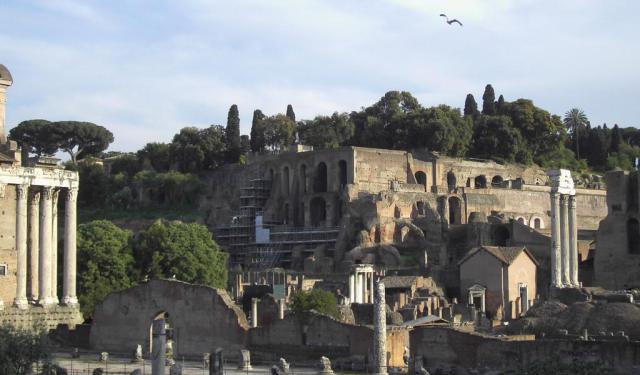
Palatine Hill Walking Tour
Palatine Hill - one of Rome’s legendary Seven Hills - is the most ancient part of the city. According to mythology (and a fair bit of archaeology backing it up), this is where the whole Roman saga began to unfold in the year 753 BC when young Romulus pointed dramatically at the hill and probably thought to himself: “Yes, this is the spot.” And just like that, a city that would eventually... view more
Tour Duration: 2 Hours
Travel Distance: 2.6 Km or 1.6 Miles
Tour Duration: 2 Hours
Travel Distance: 2.6 Km or 1.6 Miles
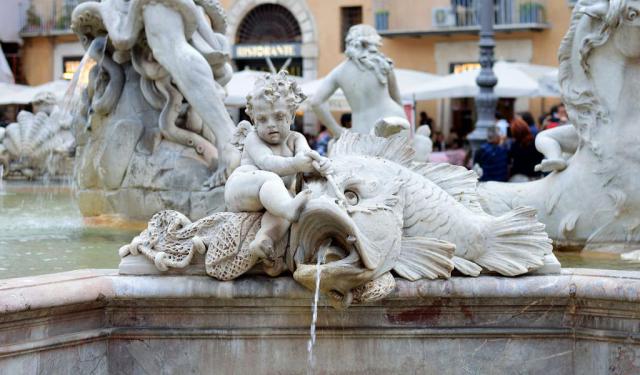
Fountains and Squares Walking Tour
In Rome there is a lively piazza round almost every corner, each with its own unique atmosphere and its own story to tell. These public squares have been the center of Roman culture for centuries, and some of the city’s most popular attractions are located within them.
Most piazzas have a fountain in the center and a lot of cafes around. In fact, Rome holds the largest number of fountains in... view more
Tour Duration: 2 Hours
Travel Distance: 4.1 Km or 2.5 Miles
Most piazzas have a fountain in the center and a lot of cafes around. In fact, Rome holds the largest number of fountains in... view more
Tour Duration: 2 Hours
Travel Distance: 4.1 Km or 2.5 Miles
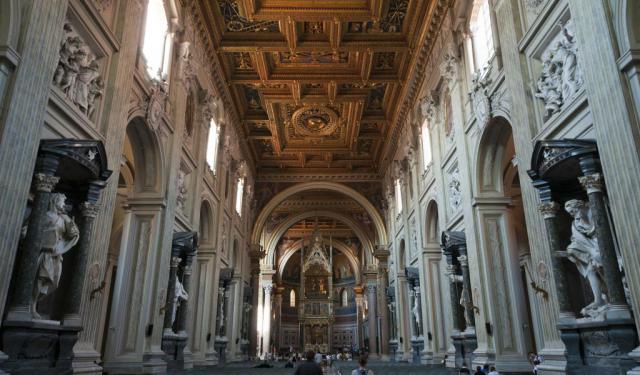
Holy Sites Walking Tour
As the cradle of the Catholic Church, one of the world's largest organizations, Rome has a large number of valuable, sacred places of worship. Crowded with architectural splendors from different periods of time, each of its churches and basilicas represent a significant part of culture and history.
Take this self-guided walking tour to discover Rome's magnificent religious heritage,... view more
Tour Duration: 3 Hours
Travel Distance: 6.9 Km or 4.3 Miles
Take this self-guided walking tour to discover Rome's magnificent religious heritage,... view more
Tour Duration: 3 Hours
Travel Distance: 6.9 Km or 4.3 Miles

"Roman Holiday" Movie Walking Tour
Filmed entirely in the heart of Rome, Roman Holiday is one of those timeless films that beckons you to hop on a Vespa and lose yourself in the intoxicating beauty of the Italian capital. Released in 1953, this beloved classic has captured hearts across generations, thanks to its irresistible blend of romance, adventure, and charm-anchored by two of Hollywood’s brightest stars, Audrey Hepburn and... view more
Tour Duration: 4 Hours
Travel Distance: 8.5 Km or 5.3 Miles
Tour Duration: 4 Hours
Travel Distance: 8.5 Km or 5.3 Miles
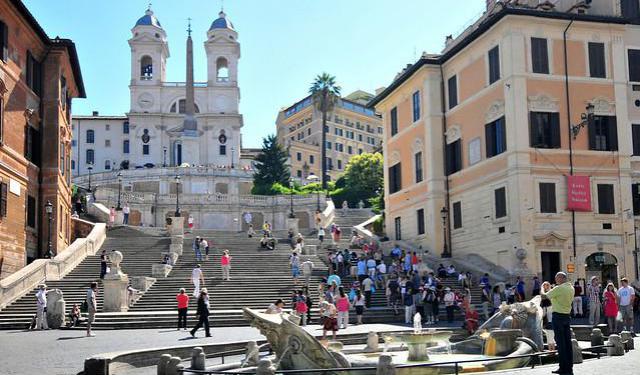
Spanish Steps to Trevi Fountain
An established tourist mecca, today's Rome is hardly imaginable without two of its much loved attractions - the Spanish Steps and the Trevi Fountain. Magnets for tourists as they are, these two sights are connected to a number of other, not less worthy of attention locations, such as the Fountain of the Longboat or Piazza Colonna and its centerpiece, the Column of Marcus Aurelius, to mention... view more
Tour Duration: 1 Hour
Travel Distance: 2 Km or 1.2 Miles
Tour Duration: 1 Hour
Travel Distance: 2 Km or 1.2 Miles
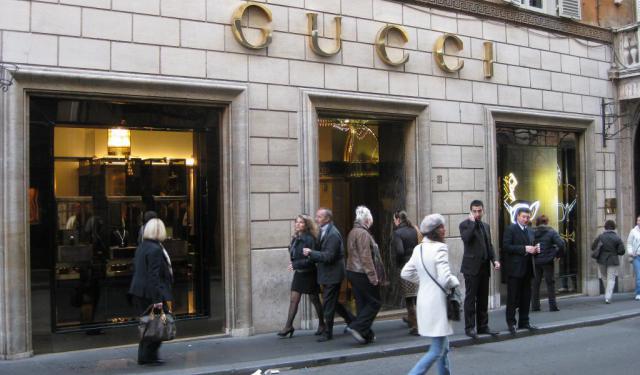
Rome Shopping Streets Walking Tour
Loved by tourists for its busy fashionable streets and significant baroque icons, the so-called ‘Tridente’ is one of the Eternal City's most lusted-after areas, formed by Via dei Condotti, Via Borgognona, Via Frattina and the adjacent Via del Corso. It is perhaps the most high-end destination for Roman shopping, with a concentration of renowned jewelers and important Italian/international... view more
Tour Duration: 2 Hours
Travel Distance: 2.9 Km or 1.8 Miles
Tour Duration: 2 Hours
Travel Distance: 2.9 Km or 1.8 Miles
Useful Travel Guides for Planning Your Trip
17 Best Gelaterias in Rome Italy
For ice cream lovers and dabblers this guide is a treasure chest of Rome’s best gelato shops. There are gelaterias everywhere. Many visitors to Rome only have a few days to explore the city. You owe it to yourself to make the most of your time and find the gelato locals eat. Often the authentic...
10 Best Food Markets in Rome Italy
Of all the things Italy is most famous for (cars, music, fashion, movies, etc.), food is, undoubtedly, top of the list. Rome may well not be the whole Italy, but no Italy is whole without Rome... And the Romans, much as all their fellow-Italians, like it "fresco", hence the abundance of...
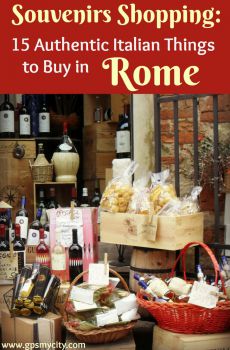
Souvenirs Shopping: 15 Authentic Italian Things To Buy in Rome
Rome is the Eternal City and, as such, the list of gift options available here is countless. Whether it's something edible, drinkable, wearable or pleasing to the eye that you want - you will find it all here in abundance. However, if time or budget is the factor, perhaps you might want to...