

Cappella Paolina (Pauline Chapel), Rome
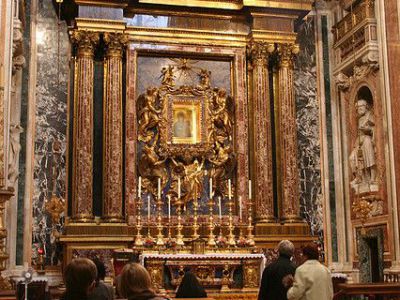
The Pauline Chapel of the Vatican Apostolic Palace is a historically significant yet often overlooked site. Unlike the nearby Sistine Chapel, from which it is separated by the Royal Hall, it is not included in standard tourist routes.
Commissioned by Pope Paul III in 1538, the chapel was completed in 1540. It was dedicated to the Feast of the Conversion of Saint Paul, a significant occasion for the Pope. Originally, it served as the Chapel of the Concave and the Chapel of the Sacrament.
The chapel’s artistic significance lies in its two Michelangelo frescoes, The Conversion of Saul and The Crucifixion of Saint Peter, painted between 1542 and 1549. Though created at the height of Michelangelo’s fame, these frescoes were initially met with disappointment. Their unconventional composition and narrative approach diverged from contemporary artistic expectations, causing them to be overshadowed by Michelangelo’s more famous works, such as the Sistine Chapel frescoes. Modern analysis has identified Michelangelo’s self-portrait within these paintings, revealed through facial superimposition.
Despite being in his 60s, exhausted, and still occupied with Pope Julius II’s tomb, Michelangelo was personally chosen by Pope Paul III to execute the frescoes. Even before completing The Last Judgment, the Pope insisted that Michelangelo take on the project. The frescoes reflect a stylistic departure from grace and idealized beauty, leaning toward a more narrative-driven approach. This shift is particularly evident in The Conversion of Saul, where Saul is depicted as an elderly man, possibly mirroring Michelangelo’s own weariness.
Beyond its artistic significance, the Pauline Chapel played an essential role in papal conclaves. In 1549-1550, the chapel hosted the conclave that elected Pope Julius III, as the Sistine Chapel was used for infirm cardinals. According to the 1996 document Whole Flock of the Lord, the Pauline Chapel serves as the gathering place for cardinal-electors before entering the Sistine Chapel for a conclave.
The chapel underwent a major restoration from 2004 to 2009, during which layers of accumulated dirt were removed, revealing the frescoes’ original vibrancy. While unavailable for the 2005 conclave, it was reinstated for the 2013 conclave, where cardinals gathered to take the oath of secrecy. In 2010, the Vatican introduced a virtual reality rendering of the chapel, offering a detailed digital tour of its restored brilliance.
Commissioned by Pope Paul III in 1538, the chapel was completed in 1540. It was dedicated to the Feast of the Conversion of Saint Paul, a significant occasion for the Pope. Originally, it served as the Chapel of the Concave and the Chapel of the Sacrament.
The chapel’s artistic significance lies in its two Michelangelo frescoes, The Conversion of Saul and The Crucifixion of Saint Peter, painted between 1542 and 1549. Though created at the height of Michelangelo’s fame, these frescoes were initially met with disappointment. Their unconventional composition and narrative approach diverged from contemporary artistic expectations, causing them to be overshadowed by Michelangelo’s more famous works, such as the Sistine Chapel frescoes. Modern analysis has identified Michelangelo’s self-portrait within these paintings, revealed through facial superimposition.
Despite being in his 60s, exhausted, and still occupied with Pope Julius II’s tomb, Michelangelo was personally chosen by Pope Paul III to execute the frescoes. Even before completing The Last Judgment, the Pope insisted that Michelangelo take on the project. The frescoes reflect a stylistic departure from grace and idealized beauty, leaning toward a more narrative-driven approach. This shift is particularly evident in The Conversion of Saul, where Saul is depicted as an elderly man, possibly mirroring Michelangelo’s own weariness.
Beyond its artistic significance, the Pauline Chapel played an essential role in papal conclaves. In 1549-1550, the chapel hosted the conclave that elected Pope Julius III, as the Sistine Chapel was used for infirm cardinals. According to the 1996 document Whole Flock of the Lord, the Pauline Chapel serves as the gathering place for cardinal-electors before entering the Sistine Chapel for a conclave.
The chapel underwent a major restoration from 2004 to 2009, during which layers of accumulated dirt were removed, revealing the frescoes’ original vibrancy. While unavailable for the 2005 conclave, it was reinstated for the 2013 conclave, where cardinals gathered to take the oath of secrecy. In 2010, the Vatican introduced a virtual reality rendering of the chapel, offering a detailed digital tour of its restored brilliance.
Want to visit this sight? Check out these Self-Guided Walking Tours in Rome. Alternatively, you can download the mobile app "GPSmyCity: Walks in 1K+ Cities" from Apple App Store or Google Play Store. The app turns your mobile device to a personal tour guide and it works offline, so no data plan is needed when traveling abroad.
Download The GPSmyCity App



Cappella Paolina (Pauline Chapel) on Map
Sight Name: Cappella Paolina (Pauline Chapel)
Sight Location: Rome, Italy (See walking tours in Rome)
Sight Type: Attraction/Landmark
Guide(s) Containing This Sight:
Sight Location: Rome, Italy (See walking tours in Rome)
Sight Type: Attraction/Landmark
Guide(s) Containing This Sight:
Nearby Sights
Walking Tours in Rome, Italy

Create Your Own Walk in Rome
Creating your own self-guided walk in Rome is easy and fun. Choose the city attractions that you want to see and a walk route map will be created just for you. You can even set your hotel as the start point of the walk.
Palatine Hill Walking Tour
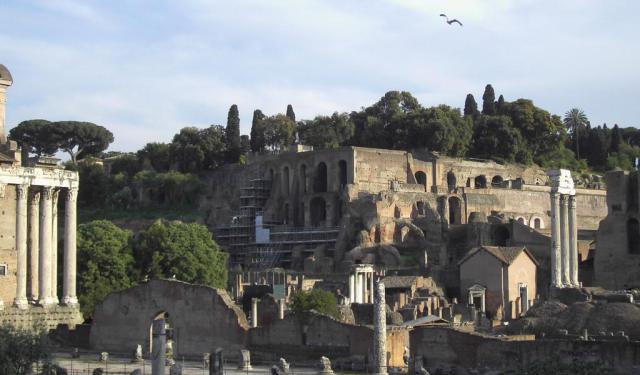
Palatine Hill - one of Rome’s legendary Seven Hills - is the most ancient part of the city. According to mythology (and a fair bit of archaeology backing it up), this is where the whole Roman saga began to unfold in the year 753 BC when young Romulus pointed dramatically at the hill and probably thought to himself: “Yes, this is the spot.” And just like that, a city that would eventually... view more
Tour Duration: 2 Hour(s)
Travel Distance: 2.6 Km or 1.6 Miles
Tour Duration: 2 Hour(s)
Travel Distance: 2.6 Km or 1.6 Miles
Spanish Steps to Trevi Fountain
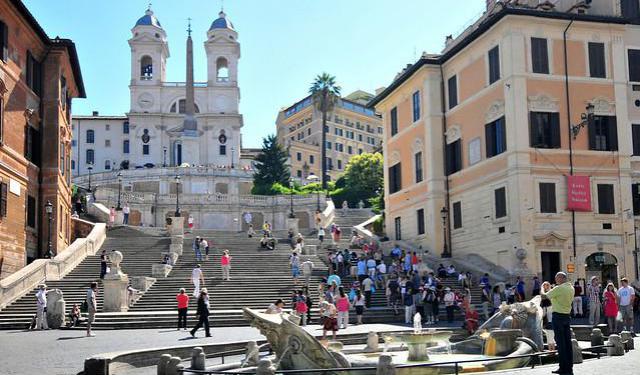
An established tourist mecca, today's Rome is hardly imaginable without two of its much loved attractions – the Spanish Steps and the Trevi Fountain. Magnets for tourists as they are, these two sights are connected to a number of other, not less worthy of attention locations, such as the Fountain of the Longboat or Piazza Colonna and its centerpiece, the Column of Marcus Aurelius, to... view more
Tour Duration: 1 Hour(s)
Travel Distance: 2.0 Km or 1.2 Miles
Tour Duration: 1 Hour(s)
Travel Distance: 2.0 Km or 1.2 Miles
Seven Pilgrim Churches of Rome Walking Tour
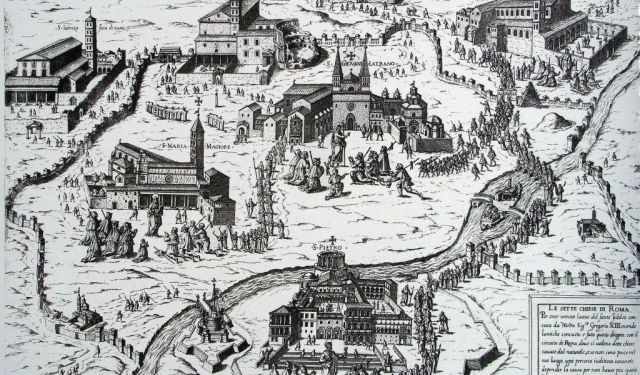
Rome has long played host to pilgrims-after all, it's home to the Pope, the Catholic Curia, and a treasure trove of relics linked to apostles, saints, and martyrs. Back in the day, the Via Francigena provided a straight shot for the faithful traveling from England to Rome. Upon arrival, it was tradition to visit the tombs of Saints Peter and Paul. When a Jubilee rolled around, the spiritual... view more
Tour Duration: 6 Hour(s)
Travel Distance: 17.4 Km or 10.8 Miles
Tour Duration: 6 Hour(s)
Travel Distance: 17.4 Km or 10.8 Miles
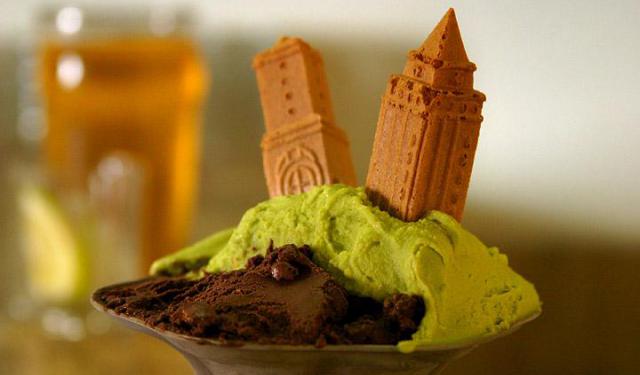
Food Tasting Walking Tour
Whether it’s a long lunch or a stop-off for an ice cream on an evening stroll, eating in Rome is a very social activity. Culinary traditions run deep here, and it may well be one of Italy’s most pleasurable cities in which to eat. Deli shops, prosciutterias, pizzerias, fornos (bakeries) and caffès are also very popular and offer a great alternative to a restaurant meal.
On this... view more
Tour Duration: 2 Hour(s)
Travel Distance: 2.5 Km or 1.6 Miles
On this... view more
Tour Duration: 2 Hour(s)
Travel Distance: 2.5 Km or 1.6 Miles
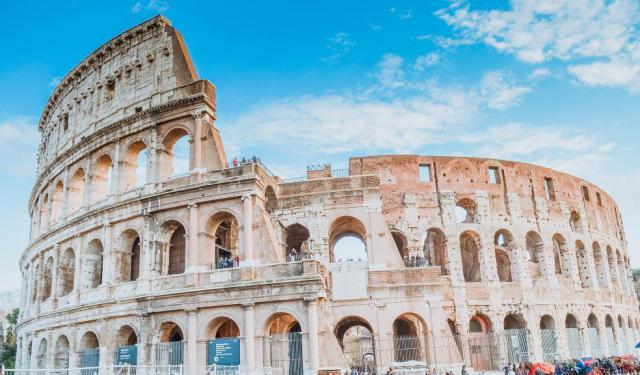
Rome Introduction Walking Tour I
Often referred to as the Eternal City, Rome holds a unique place in the story of Western civilization. Its influence shaped European culture through language, governance, and monumental architecture.
The name “Rome” originates from Romulus, the mythical founder of the city, who, according to legend, was the son of the war god Mars and Rhea Silvia, the priestess of goddess Vesta. Both... view more
Tour Duration: 2 Hour(s)
Travel Distance: 3.7 Km or 2.3 Miles
The name “Rome” originates from Romulus, the mythical founder of the city, who, according to legend, was the son of the war god Mars and Rhea Silvia, the priestess of goddess Vesta. Both... view more
Tour Duration: 2 Hour(s)
Travel Distance: 3.7 Km or 2.3 Miles
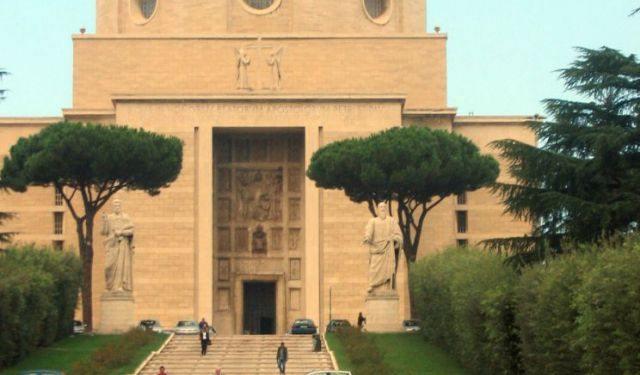
EUR Sightseeing Walking Tour
The Esposizione Universale di Roma (EUR), located in the southern suburb of Rome, was originally constructed for an international exhibition that was planned by Mussolini as a grand celebration of Fascist Italy. However, due to the outbreak of World War II, the exhibition never took place. The architecture of EUR was designed to glorify Fascism and showcases a distinct style that sets it apart... view more
Tour Duration: 2 Hour(s)
Travel Distance: 3.6 Km or 2.2 Miles
Tour Duration: 2 Hour(s)
Travel Distance: 3.6 Km or 2.2 Miles
Useful Travel Guides for Planning Your Trip
Souvenirs Shopping: 15 Authentic Italian Things To Buy in Rome
Rome is the Eternal City and, as such, the list of gift options available here is countless. Whether it's something edible, drinkable, wearable or pleasing to the eye that you want - you will find it all here in abundance. However, if time or budget is the factor, perhaps you might want to...
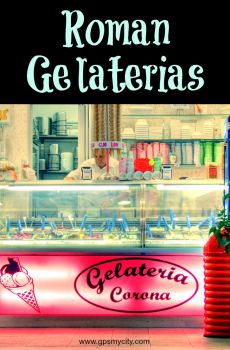
17 Best Gelaterias in Rome Italy
For ice cream lovers and dabblers this guide is a treasure chest of Rome’s best gelato shops. There are gelaterias everywhere. Many visitors to Rome only have a few days to explore the city. You owe it to yourself to make the most of your time and find the gelato locals eat. Often the authentic...
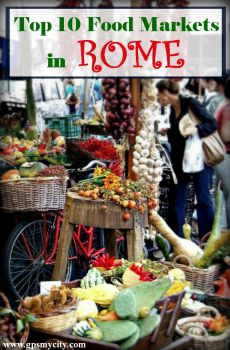
10 Best Food Markets in Rome Italy
Of all the things Italy is most famous for (cars, music, fashion, movies, etc.), food is, undoubtedly, top of the list. Rome may well not be the whole Italy, but no Italy is whole without Rome... And the Romans, much as all their fellow-Italians, like it "fresco", hence the abundance of...