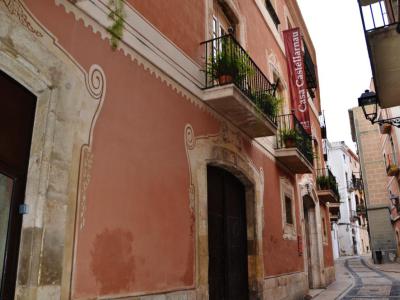


Casa Castellarnau (Castellarnau House), Tarragona
Casa Castellarnau was erected at the outset of the 15th century. Over the centuries, this residence has been the abode of influential families, shaping the city's narrative until the 19th century. Notably, in 1542, Emperor Charles I graced the halls of Casa Castellarnau during his Tarragona sojourn, adding a regal chapter to its storied past.
The architectural tapestry of Casa Castellarnau unfolds across different epochs. The ground floor showcases a captivating array of pointed arches from the 14th to 15th centuries. The courtyard and vaulted staircase, adorned with Gothic columns and capitals, harken back to this era. In the 18th century, Carles de Castellarnau assumed ownership, leading to significant alterations in the facade and internal layout.
The main floor harbors rooms adorned with 18th and 19th-century furnishings. The pièce de résistance is the ballroom, boasting a ceiling adorned with mythological paintings by Provençal artist Josep Bernat Flaugier in the late 18th century. The ground floor has been painstakingly restored, with the old kitchen now a testament to historical culinary practices.
Casa Castellarnau serves as a repository for diverse collections. The Molas i Agramunt collection, an eclectic assortment of archaeological and ethnographic pieces spanning various eras, finds a home here. Additionally, the Quintana legacy, featuring a model of the first airplane that graced Tarragona's skies in 1913, adds an aeronautical flair. The collection of Madrid philologist and critic Sánchez Camargo, acquired by the City Council in the 1960s, further enriches the cultural wealth housed within Casa Castellarnau.
Today, the building accommodates the administrative offices of the Museum of History of Tarragona, ensuring that Casa Castellarnau continues to play a vital role in preserving and presenting the city's rich historical heritage.
The architectural tapestry of Casa Castellarnau unfolds across different epochs. The ground floor showcases a captivating array of pointed arches from the 14th to 15th centuries. The courtyard and vaulted staircase, adorned with Gothic columns and capitals, harken back to this era. In the 18th century, Carles de Castellarnau assumed ownership, leading to significant alterations in the facade and internal layout.
The main floor harbors rooms adorned with 18th and 19th-century furnishings. The pièce de résistance is the ballroom, boasting a ceiling adorned with mythological paintings by Provençal artist Josep Bernat Flaugier in the late 18th century. The ground floor has been painstakingly restored, with the old kitchen now a testament to historical culinary practices.
Casa Castellarnau serves as a repository for diverse collections. The Molas i Agramunt collection, an eclectic assortment of archaeological and ethnographic pieces spanning various eras, finds a home here. Additionally, the Quintana legacy, featuring a model of the first airplane that graced Tarragona's skies in 1913, adds an aeronautical flair. The collection of Madrid philologist and critic Sánchez Camargo, acquired by the City Council in the 1960s, further enriches the cultural wealth housed within Casa Castellarnau.
Today, the building accommodates the administrative offices of the Museum of History of Tarragona, ensuring that Casa Castellarnau continues to play a vital role in preserving and presenting the city's rich historical heritage.
Want to visit this sight? Check out these Self-Guided Walking Tours in Tarragona. Alternatively, you can download the mobile app "GPSmyCity: Walks in 1K+ Cities" from Apple App Store or Google Play Store. The app turns your mobile device to a personal tour guide and it works offline, so no data plan is needed when traveling abroad.
Download The GPSmyCity App



Casa Castellarnau (Castellarnau House) on Map
Sight Name: Casa Castellarnau (Castellarnau House)
Sight Location: Tarragona, Spain (See walking tours in Tarragona)
Sight Type: Museum/Gallery
Sight Location: Tarragona, Spain (See walking tours in Tarragona)
Sight Type: Museum/Gallery
Nearby Sights
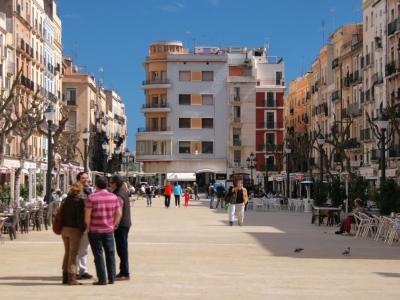
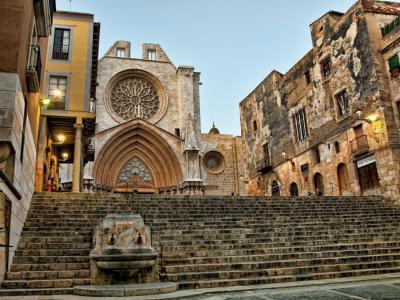
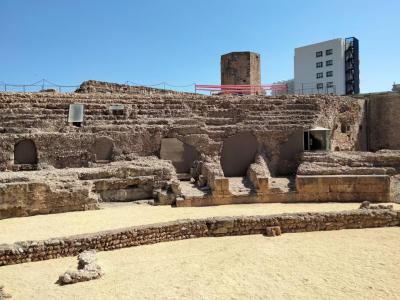
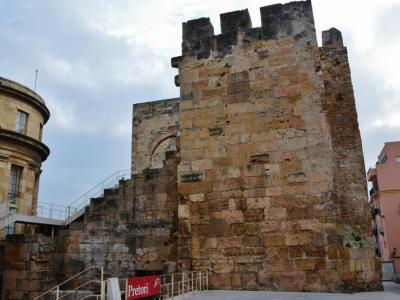
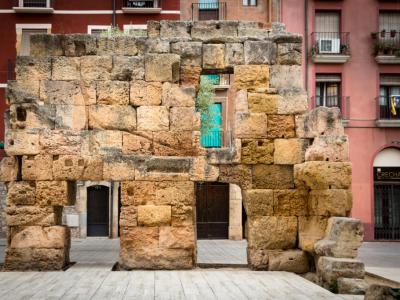
Walking Tours in Tarragona, Spain

Create Your Own Walk in Tarragona
Creating your own self-guided walk in Tarragona is easy and fun. Choose the city attractions that you want to see and a walk route map will be created just for you. You can even set your hotel as the start point of the walk.
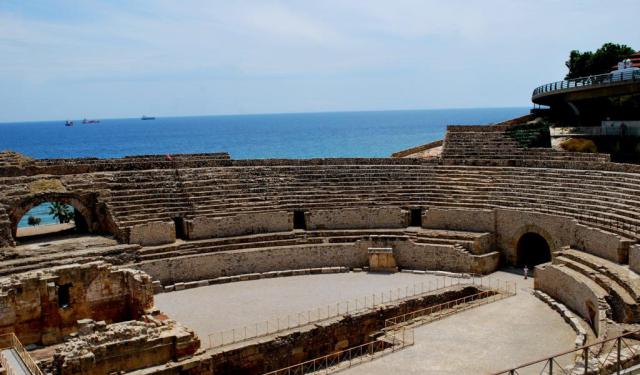
Roman Ruins Walking Tour
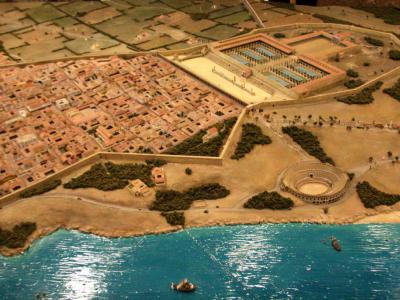
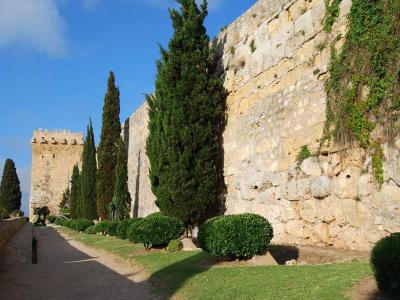
The city of Tarraco, the capital of the Hispania Tarraconensis province, held significant prominence within the vast Roman Empire. The remnants of those days, concentrated in the heart of Tarragona, are the pivotal historical sites that contribute to its UNESCO World Heritage status.
Indeed, the city's acclaim largely stems from its Roman ruins, notably the 2nd-century AD Roman... view more
Tour Duration: 2 Hours
Travel Distance: 2.9 Km or 1.8 Miles
Indeed, the city's acclaim largely stems from its Roman ruins, notably the 2nd-century AD Roman... view more
Tour Duration: 2 Hours
Travel Distance: 2.9 Km or 1.8 Miles
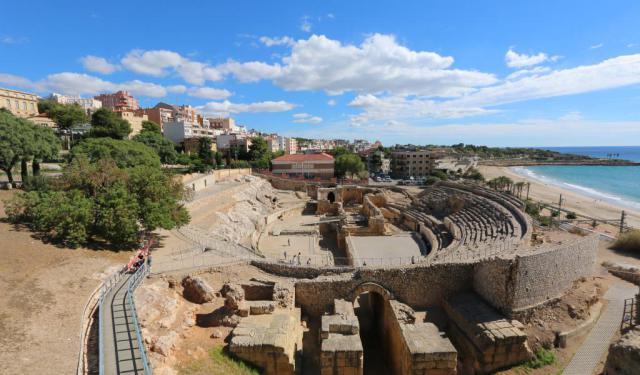
Tarragona Introduction Walking Tour
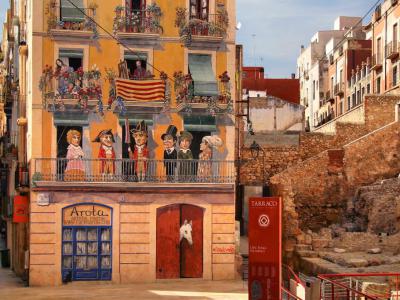
Nestled in the southern part of Catalonia, Spain, Tarragona is a coastal city boasting an abundance of ancient Roman ruins, rolling mountains, and magnificent beaches.
Shrouded in myth and mystery, Tarragona carries a name whose origins remain debated-linked to figures like Tarraho or Tearcon the Ethiopian, a seventh-century BC pharaoh. Its true founding date is also obscured in time.... view more
Tour Duration: 2 Hours
Travel Distance: 2.7 Km or 1.7 Miles
Shrouded in myth and mystery, Tarragona carries a name whose origins remain debated-linked to figures like Tarraho or Tearcon the Ethiopian, a seventh-century BC pharaoh. Its true founding date is also obscured in time.... view more
Tour Duration: 2 Hours
Travel Distance: 2.7 Km or 1.7 Miles
City Walks Overview
