

Copenhagen Zoo, Copenhagen (must see)
Copenhagen Zoo, nestled in the heart of Denmark's capital, is not only one of the oldest zoological gardens in Europe, having been founded in 1859, but also one of its most progressive. Located on 11 hectares within the municipality of Frederiksberg, the zoo is uniquely positioned between Frederiksberg Gardens and Søndermarken, attracting over 1.57 million visitors annually, making it the most visited zoo and a leading tourist attraction in Denmark.
The zoo was originally established by ornithologist Niels Kjærbølling with a modest collection of animals in "Princess Vilhelmines Have," a garden area donated by Copenhagen's chief directorate. From eagles and chickens to more exotic inhabitants like a seal in a bathtub and a turtle in a bucket, the zoo has dramatically evolved from showcasing a wide variety of animals to focusing on enhanced animal welfare and spacious enclosures.
A significant part of this evolution is evident in its architectural innovation, notably the Elephant House designed by the renowned British architect Sir Norman Foster. This structure is part of a broader movement within the zoo, started in the early 1980s, to replace traditional cages with enclosures that mimic natural habitats, thereby improving the quality of life for the animals and the authenticity of the visitor experience. The 1.5-hectare Savanna area and the underwater viewing features at the Hippopotamus House are prime examples of these efforts.
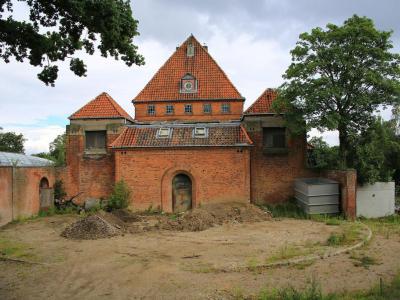
Copenhagen Zoo has also made strides in conservation, participating actively in European breeding programs to help preserve endangered species. Furthermore, the zoo has preserved several of its historical buildings which add a rich historical texture to the visitor experience. For example, the oldest building still in use dates back to 1872-a stable that now houses Bactrian camels-and a Herbivore House from 1875 still accommodating tapirs.
A standout feature of the zoo is its wooden observation tower, standing 43.5 meters high, which was built in 1905. This tower offers panoramic views of the surrounding parks and cityscape, resembling the architectural style of the Eiffel Tower. This is just one of the many features that make Copenhagen Zoo a unique blend of historical charm and modern zoological practice.
The zoo was originally established by ornithologist Niels Kjærbølling with a modest collection of animals in "Princess Vilhelmines Have," a garden area donated by Copenhagen's chief directorate. From eagles and chickens to more exotic inhabitants like a seal in a bathtub and a turtle in a bucket, the zoo has dramatically evolved from showcasing a wide variety of animals to focusing on enhanced animal welfare and spacious enclosures.
A significant part of this evolution is evident in its architectural innovation, notably the Elephant House designed by the renowned British architect Sir Norman Foster. This structure is part of a broader movement within the zoo, started in the early 1980s, to replace traditional cages with enclosures that mimic natural habitats, thereby improving the quality of life for the animals and the authenticity of the visitor experience. The 1.5-hectare Savanna area and the underwater viewing features at the Hippopotamus House are prime examples of these efforts.
Copenhagen Zoo has also made strides in conservation, participating actively in European breeding programs to help preserve endangered species. Furthermore, the zoo has preserved several of its historical buildings which add a rich historical texture to the visitor experience. For example, the oldest building still in use dates back to 1872-a stable that now houses Bactrian camels-and a Herbivore House from 1875 still accommodating tapirs.
A standout feature of the zoo is its wooden observation tower, standing 43.5 meters high, which was built in 1905. This tower offers panoramic views of the surrounding parks and cityscape, resembling the architectural style of the Eiffel Tower. This is just one of the many features that make Copenhagen Zoo a unique blend of historical charm and modern zoological practice.
Want to visit this sight? Check out these Self-Guided Walking Tours in Copenhagen. Alternatively, you can download the mobile app "GPSmyCity: Walks in 1K+ Cities" from Apple App Store or Google Play Store. The app turns your mobile device to a personal tour guide and it works offline, so no data plan is needed when traveling abroad.
Download The GPSmyCity App



Copenhagen Zoo on Map
Sight Name: Copenhagen Zoo
Sight Location: Copenhagen, Denmark (See walking tours in Copenhagen)
Sight Type: Attraction/Landmark
Sight Location: Copenhagen, Denmark (See walking tours in Copenhagen)
Sight Type: Attraction/Landmark
Nearby Sights

Walking Tours in Copenhagen, Denmark

Create Your Own Walk in Copenhagen
Creating your own self-guided walk in Copenhagen is easy and fun. Choose the city attractions that you want to see and a walk route map will be created just for you. You can even set your hotel as the start point of the walk.
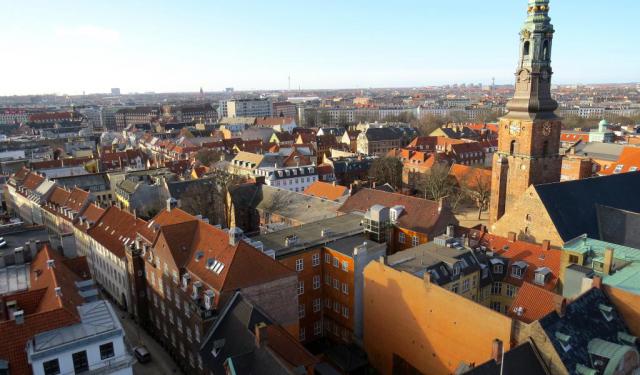
Latin Quarter Walking Tour
One of the most interesting, young-spirited neighborhoods of Denmark's capital, the Latin Quarter is well known for its hangout spots, alternative shopping, and 18th-century architecture.
Back in the Middle Ages, the area surrounding Our Lady's Square (“Frue Plads” in Danish), right in the heart of it, was considered a “ray of light” in the overall darkness of those times. A... view more
Tour Duration: 1 Hour
Travel Distance: 1.7 Km or 1.1 Miles
Back in the Middle Ages, the area surrounding Our Lady's Square (“Frue Plads” in Danish), right in the heart of it, was considered a “ray of light” in the overall darkness of those times. A... view more
Tour Duration: 1 Hour
Travel Distance: 1.7 Km or 1.1 Miles
Little Mermaid Walking Tour
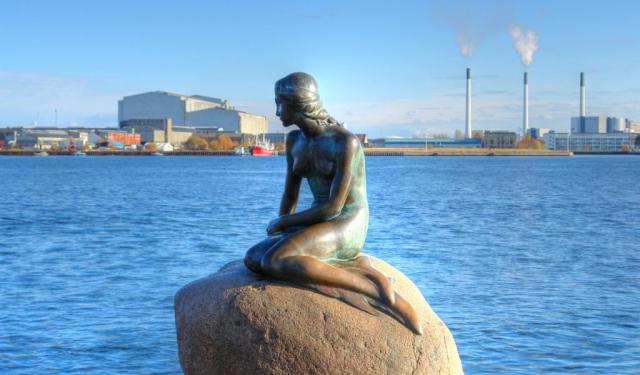
Back in the 18th century, Denmark was in the throes of an economic boom. Constructed during the reign of King Frederick V (hence the name), the district of Frederiksstaden attests to that with its beautiful architecture, measuring up to the projects from the same period in Berlin, Paris, and Vienna. This tour will guide you through the area's broad streets lined by bourgeois houses, mansions,... view more
Tour Duration: 2 Hours
Travel Distance: 2.8 Km or 1.7 Miles
Tour Duration: 2 Hours
Travel Distance: 2.8 Km or 1.7 Miles
Hans Christian Andersen's Copenhagen
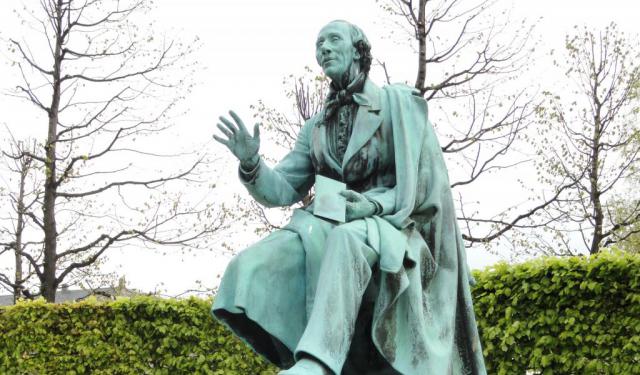
Before Disney glamorized fairy tales, Hans Christian Andersen was the original master of childhood magic. Best known for stories like The Little Mermaid, The Ugly Duckling, The Emperor’s New Clothes, and Thumbelina, Andersen essentially built the foundation of fairy-tale literature-dark undertones and all...
Born in 1805 in Odense, in the middle of the country, Andersen grew up in poverty,... view more
Tour Duration: 2 Hours
Travel Distance: 2.9 Km or 1.8 Miles
Born in 1805 in Odense, in the middle of the country, Andersen grew up in poverty,... view more
Tour Duration: 2 Hours
Travel Distance: 2.9 Km or 1.8 Miles
Walking Through Copenhagen Old Town
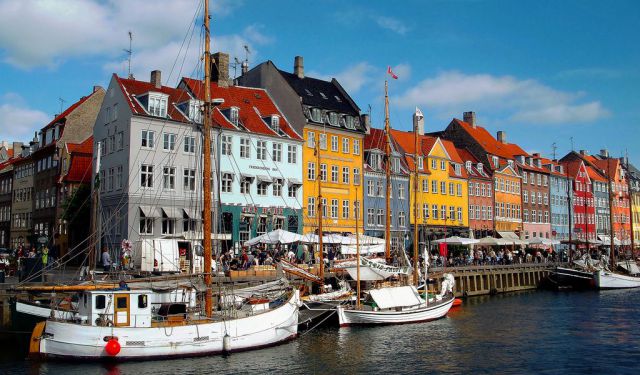
The Danish capital Copenhagen is a fairy tale of a city, full of peculiarities. Its name - derived from the Danish words for merchant ("køpmann") and harbor ("havn") - reflects the city's origin as a place of commerce by the sea. A humble fishing village, established in the 10th century AD, some hundred years later it emerged as a town after Bishop Absalon, recognized as... view more
Tour Duration: 2 Hours
Travel Distance: 2.7 Km or 1.7 Miles
Tour Duration: 2 Hours
Travel Distance: 2.7 Km or 1.7 Miles
Castle Island (Slotsholmen) Walking Tour
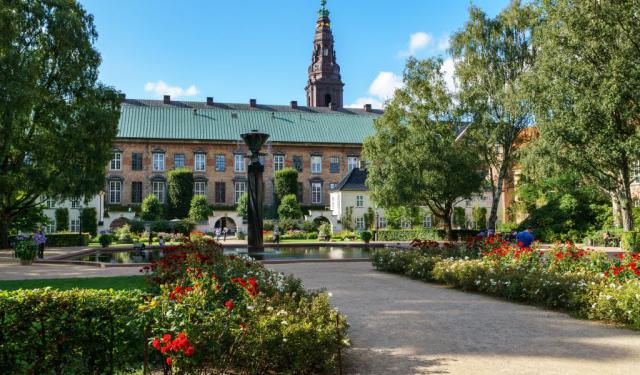
Castle Island, sitting outside Copenhagen Harbor, proudly holds the title of the Danish capital’s birthplace. Back in 1167, Bishop Absalon built a small fortress on what was then a cluster of soggy little islets. Unfortunately, the Hanseatic League didn’t think much of the place and destroyed it in 1369. But like any good comeback story, the castle rose from the rubble and became Copenhagen... view more
Tour Duration: 1 Hour
Travel Distance: 1.6 Km or 1 Miles
Tour Duration: 1 Hour
Travel Distance: 1.6 Km or 1 Miles
Useful Travel Guides for Planning Your Trip
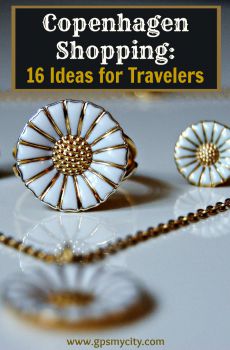
Copenhagen Shopping: 16 Distinctively Denmark Things to Buy
Denmark is renowned for simple, industrial and functional design, as well as bohemian and everyday fashion-wear for the individual urban living. The capital Copenhagen, home to Copenhagen Fashion Week twice a year and biannual INDEX: Design to Improve Life - the world’s biggest design awards, is...
City Walks Overview
