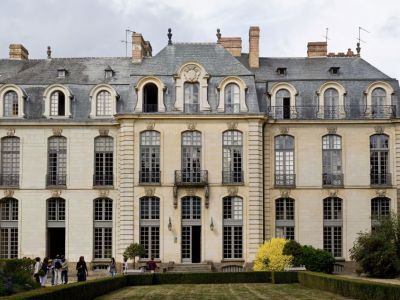


Hôtel de Blossac (Blossac Mansion), Rennes
The Blossac Mansion is a notable emblem of 18th-century elegance. Erected in 1728, just eight years after the devastating fire of 1720, this private mansion was commissioned by Louis Gabriel de La Bourdonnaye, the Count of Blossac, and is believed to be based on designs by the famed architect Jacques Gabriel, with construction overseen by Jean-François Huguet. Its grand scale and classical architecture make it unique in Brittany-a lavish residence that reflected the power of its original owner.
The mansion is composed of two main wings flanking a central courtyard, with a luxuriously appointed garden side to the north-complete with an elegant facade and stately perron-and a more reserved courtyard side to the south, where the celebrated ceremonial staircase is located. This ornate staircase is notable for its marble columns, wrought-iron balustrades, and a statue of Themis recessed into the wall-features rare in western France and evocative of high Parisian townhouses.
Historically, the Blossac Mansion served as the official residence of the commander-in-chief of the province of Brittany between the mid-18th century and the Revolution-a period marked by opulence and courtly ceremonies. After the Revolution, the building was subdivided into apartments (notably, author Paul Féval was born there), before transitioning to public ownership. Classified as a Historic Monument in 1947, it underwent extensive restorations over three decades.
Today, the mansion houses the Regional Directorate of Cultural Affairs and the Territorial Service of Architecture and Heritage of Ille-et-Vilaine, but remains open to visitors during office hours. You can explore the serene courtyard, the beautifully kept garden, and ascend the staircase to view the restored interiors and documentation library.
The mansion is composed of two main wings flanking a central courtyard, with a luxuriously appointed garden side to the north-complete with an elegant facade and stately perron-and a more reserved courtyard side to the south, where the celebrated ceremonial staircase is located. This ornate staircase is notable for its marble columns, wrought-iron balustrades, and a statue of Themis recessed into the wall-features rare in western France and evocative of high Parisian townhouses.
Historically, the Blossac Mansion served as the official residence of the commander-in-chief of the province of Brittany between the mid-18th century and the Revolution-a period marked by opulence and courtly ceremonies. After the Revolution, the building was subdivided into apartments (notably, author Paul Féval was born there), before transitioning to public ownership. Classified as a Historic Monument in 1947, it underwent extensive restorations over three decades.
Today, the mansion houses the Regional Directorate of Cultural Affairs and the Territorial Service of Architecture and Heritage of Ille-et-Vilaine, but remains open to visitors during office hours. You can explore the serene courtyard, the beautifully kept garden, and ascend the staircase to view the restored interiors and documentation library.
Want to visit this sight? Check out these Self-Guided Walking Tours in Rennes. Alternatively, you can download the mobile app "GPSmyCity: Walks in 1K+ Cities" from Apple App Store or Google Play Store. The app turns your mobile device to a personal tour guide and it works offline, so no data plan is needed when traveling abroad.
Download The GPSmyCity App



Hôtel de Blossac (Blossac Mansion) on Map
Sight Name: Hôtel de Blossac (Blossac Mansion)
Sight Location: Rennes, France (See walking tours in Rennes)
Sight Type: Attraction/Landmark
Sight Location: Rennes, France (See walking tours in Rennes)
Sight Type: Attraction/Landmark
Nearby Sights
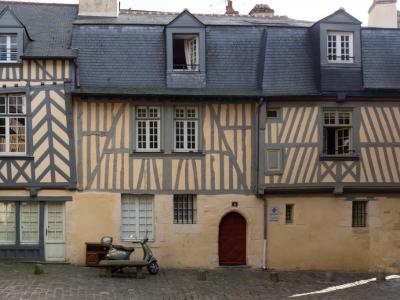
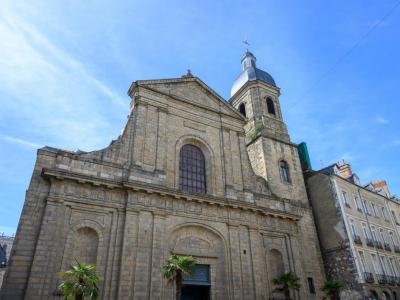
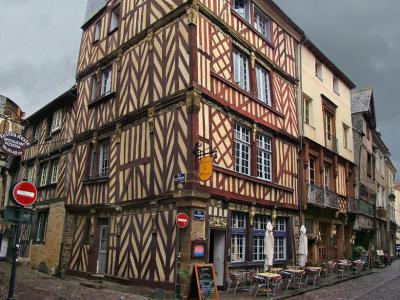


Walking Tours in Rennes, France

Create Your Own Walk in Rennes
Creating your own self-guided walk in Rennes is easy and fun. Choose the city attractions that you want to see and a walk route map will be created just for you. You can even set your hotel as the start point of the walk.
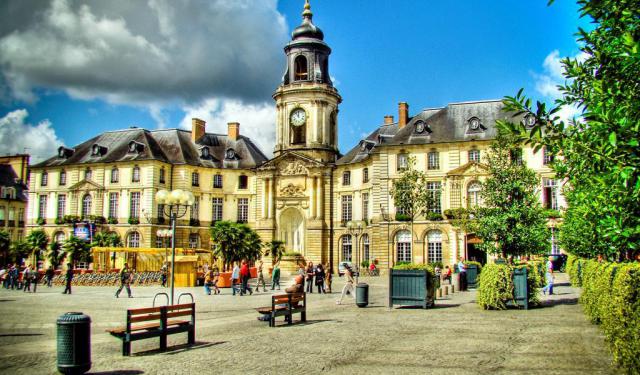
Rennes Introduction Walking Tour
Rennes began its existence as Condate Redonum, a Gallic and Roman town at the confluence of the Ille and Vilaine rivers. During medieval times, it became one of the three major cities of Brittany, together with Vannes and Nantes. The city played an important role in the Stamped Paper Revolt in 1675. During the French Revolution, it became the headquarters of the republican army in the fighting... view more
Tour Duration: 2 Hours
Travel Distance: 2.9 Km or 1.8 Miles
Tour Duration: 2 Hours
Travel Distance: 2.9 Km or 1.8 Miles
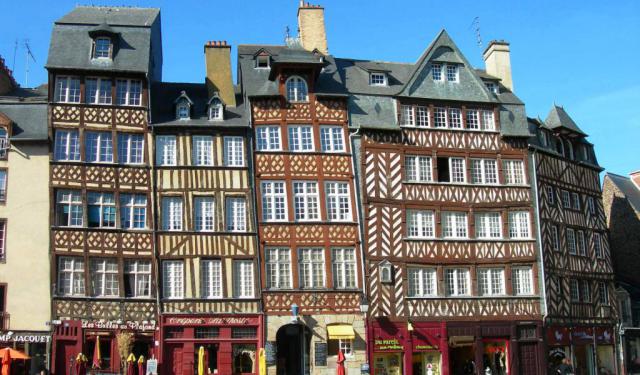
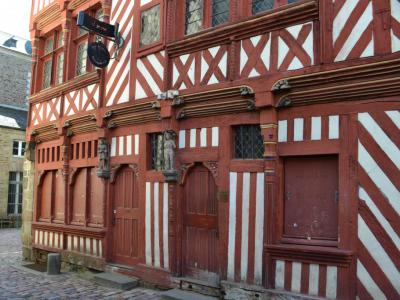
Medieval Houses Walking Tour
From the late Middle Ages through to the end of the Ancien Régime (the period of Bourbon rule in France, from 1589 to 1789), a multitude of half-timbered houses were built in Brittany, and particularly in Rennes. Even today, the Breton capital is where half-timbered houses remain the most prevalent style of architecture, and a key element of the cultural heritage of the region reiterated in many... view more
Tour Duration: 1 Hour
Travel Distance: 0.9 Km or 0.6 Miles
Tour Duration: 1 Hour
Travel Distance: 0.9 Km or 0.6 Miles
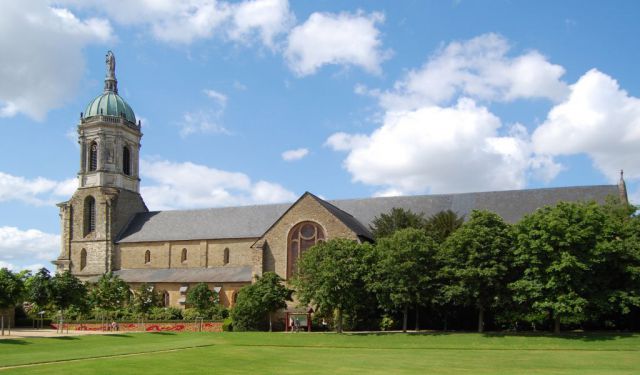
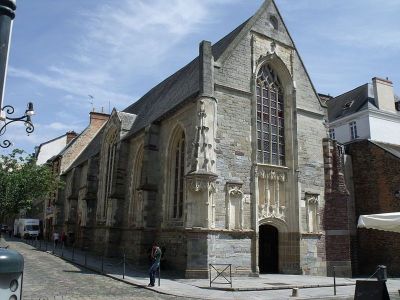
Rennes Historical Churches Walking Tour
Historical churches occupy a significant place in the cultural identity of Rennes, France. Travelers with a keen interest in religious history and architecture will find plenty to look at in this town.
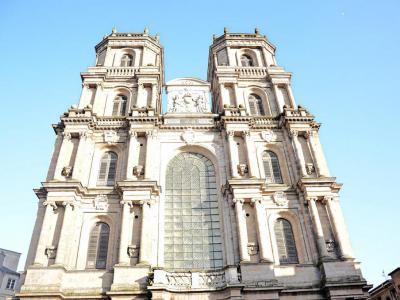
Standing out majestically among the local ecclesiastical landmarks is Rennes Cathedral. Built in the 12th century, it underwent a centuries-long transformation from its Gothic origins to its... view more
Tour Duration: 1 Hour
Travel Distance: 2.1 Km or 1.3 Miles
Standing out majestically among the local ecclesiastical landmarks is Rennes Cathedral. Built in the 12th century, it underwent a centuries-long transformation from its Gothic origins to its... view more
Tour Duration: 1 Hour
Travel Distance: 2.1 Km or 1.3 Miles
City Walks Overview
