

Klein Begijnhof (Small Beguinage), Ghent
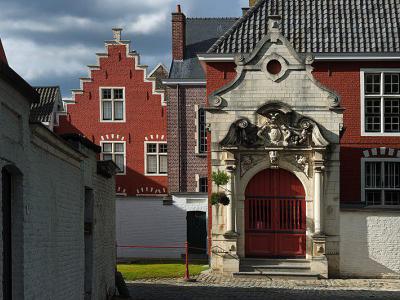
The Small Beguinage (Klein Begijnhof), also known as Our Lady ter Hoyen, is one of the most charming and best-preserved beguinages in Belgium, nestled within the historic city of Ghent. Originally established in 1235 by the Countess of Flanders, this community was built to house beguines-lay religious women who chose to live in a community without taking vows. The Small Beguinage is the best-preserved of Ghent’s three beguinages and is celebrated for its tranquil beauty and historical significance. The complex includes several Baroque-style churches and chapels with elegant facades, some of which were rebuilt in the 17th century. The beguinage's unique architectural charm is highlighted by painted “windows” on certain walls, adding a whimsical touch to its already picturesque appearance.
The Small Beguinage has been recognized as a UNESCO World Heritage Site, standing as a testament to the beguine movement that thrived in the Low Countries by the end of the 18th century. This site is particularly notable for being the last standing community of beguines, with the final member passing away in 2008, just shy of her 100th birthday. Today, the beguinage is a quiet retreat from the bustling city, where modern residents live among the historic structures. Visitors can peek over its long wall to find a serene collection of about a hundred homes, a church dedicated to Our Lady (with its Baroque façade completed in 1716), and a meadow that was once the churchyard.
The Small Beguinage entered through a Neoclassical gate from 1819, features a courtyard with lime and beech trees. Its charming white buildings with green gates include a hospital with a chapel dedicated to Saint Godelieve, the Mistress’s residence, and several convents named after saints. Stations honoring Our Lady of the Seven Sorrows showcase the devotion of past residents. A notable feature is the image of the horsemen, symbolizing the Apocalypse, on the church's south wall. This serene spot offers a glimpse into medieval Ghent's religious life within a modern city setting.
Why You Should Visit:
Quiet, relaxing, and romantic place in the heart of Ghent that has recently seen a tasteful renovation.
People do live here, so it's not a museum, but it has a very nice atmosphere, away from the busy city.
Tip:
One of the best places for classical concerts thanks to the excellent acoustics and the peace outside.
The Small Beguinage has been recognized as a UNESCO World Heritage Site, standing as a testament to the beguine movement that thrived in the Low Countries by the end of the 18th century. This site is particularly notable for being the last standing community of beguines, with the final member passing away in 2008, just shy of her 100th birthday. Today, the beguinage is a quiet retreat from the bustling city, where modern residents live among the historic structures. Visitors can peek over its long wall to find a serene collection of about a hundred homes, a church dedicated to Our Lady (with its Baroque façade completed in 1716), and a meadow that was once the churchyard.
The Small Beguinage entered through a Neoclassical gate from 1819, features a courtyard with lime and beech trees. Its charming white buildings with green gates include a hospital with a chapel dedicated to Saint Godelieve, the Mistress’s residence, and several convents named after saints. Stations honoring Our Lady of the Seven Sorrows showcase the devotion of past residents. A notable feature is the image of the horsemen, symbolizing the Apocalypse, on the church's south wall. This serene spot offers a glimpse into medieval Ghent's religious life within a modern city setting.
Why You Should Visit:
Quiet, relaxing, and romantic place in the heart of Ghent that has recently seen a tasteful renovation.
People do live here, so it's not a museum, but it has a very nice atmosphere, away from the busy city.
Tip:
One of the best places for classical concerts thanks to the excellent acoustics and the peace outside.
Want to visit this sight? Check out these Self-Guided Walking Tours in Ghent. Alternatively, you can download the mobile app "GPSmyCity: Walks in 1K+ Cities" from Apple App Store or Google Play Store. The app turns your mobile device to a personal tour guide and it works offline, so no data plan is needed when traveling abroad.
Download The GPSmyCity App



Klein Begijnhof (Small Beguinage) on Map
Sight Name: Klein Begijnhof (Small Beguinage)
Sight Location: Ghent, Belgium (See walking tours in Ghent)
Sight Type: Religious
Sight Location: Ghent, Belgium (See walking tours in Ghent)
Sight Type: Religious
Nearby Sights


Walking Tours in Ghent, Belgium

Create Your Own Walk in Ghent
Creating your own self-guided walk in Ghent is easy and fun. Choose the city attractions that you want to see and a walk route map will be created just for you. You can even set your hotel as the start point of the walk.
Discover Ghent's Historical Buildings on Foot
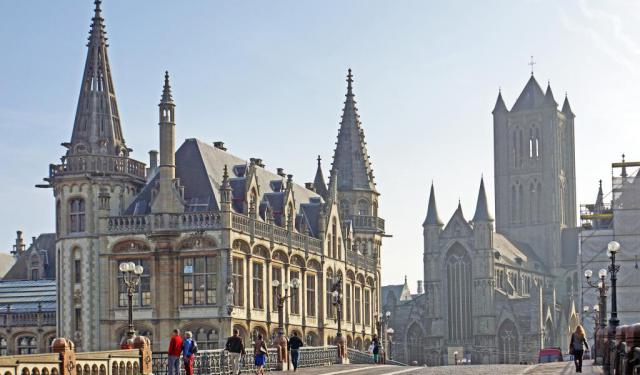
The medieval city of Ghent is full of wonderful old buildings, some dating back as far as the 12th-13th centuries. Medieval buildings are indeed everywhere here, and if you're interested in the heritage fit to capture you imagination, you will find plenty of it in Ghent’s historic downtown.
And you won’t have to look far for the World Heritage worthy of its name either. The Castle of... view more
Tour Duration: 2 Hour(s)
Travel Distance: 2.8 Km or 1.7 Miles
And you won’t have to look far for the World Heritage worthy of its name either. The Castle of... view more
Tour Duration: 2 Hour(s)
Travel Distance: 2.8 Km or 1.7 Miles
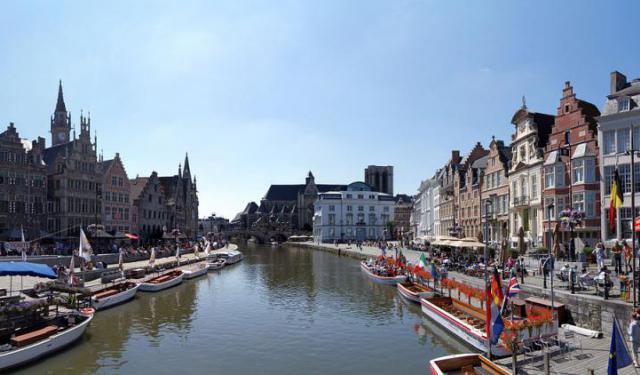
A Walk Through Ghent's Historic City Center
Some historians believe "Ghent" comes from the Celtic word, "ganda." "Ganda" meant a confluence, as with two rivers. There are traces of human settlements as far back as the stone age at the confluence of the rivers Scheldt and Leie in Belgium.
With the Frankish invasions at the end of the 4th century AD, the Celtic language was replaced by Old Dutch and this... view more
Tour Duration: 2 Hour(s)
Travel Distance: 1.7 Km or 1.1 Miles
With the Frankish invasions at the end of the 4th century AD, the Celtic language was replaced by Old Dutch and this... view more
Tour Duration: 2 Hour(s)
Travel Distance: 1.7 Km or 1.1 Miles