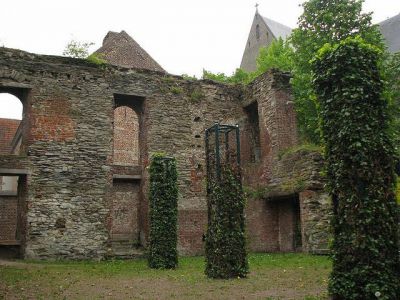


Lapidary Museum, Ghent
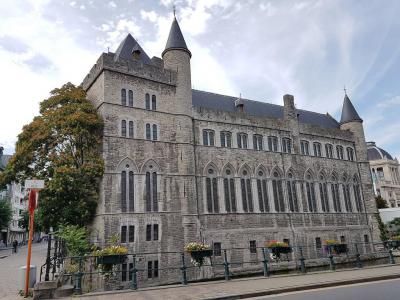
The Lapidary Museum in Ghent is situated on the ruins of the historic Saint Bavo Abbey, a site steeped in the city's rich medieval heritage. The museum specializes in exhibiting stone artifacts from various old buildings, monuments, and memorials, including a notable collection of tombstones that date back to the 13th century. These tombstones, largely sourced from abbeys, monasteries, and churches that sold their old stones to make room for new constructions, provide a fascinating glimpse into the region's architectural past.
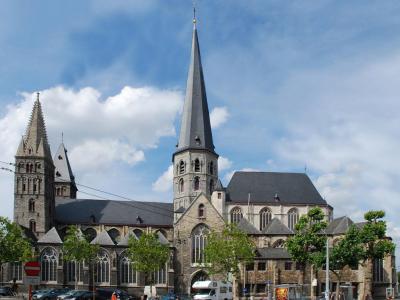
Among the museum's prized exhibits is the tombstone of Hubert van Eyck, co-creator of the renowned painting "The Adoration of the Mystic Lamb," also known as the Ghent Altarpiece. This masterpiece, completed in 1432 and housed in the nearby Gothic Cathedral of Saint Bavo, underscores the city's connection to the van Eyck brothers, pivotal figures in early Netherlandish painting.
Ghent is renowned for its medieval monasteries, with the 7th-century Saint Bavo Abbey, where the museum is located, being particularly notable as the birthplace of John of Gaunt. Additionally, the remains of the Cistercian Abbey of Bijloke, founded in 1228, now host a museum of archaeology and part of the city hospital. The Lapidary Museum, with its unique focus on historical stone relics, offers visitors a tangible link to the city's storied past and its monastic traditions.
Among the museum's prized exhibits is the tombstone of Hubert van Eyck, co-creator of the renowned painting "The Adoration of the Mystic Lamb," also known as the Ghent Altarpiece. This masterpiece, completed in 1432 and housed in the nearby Gothic Cathedral of Saint Bavo, underscores the city's connection to the van Eyck brothers, pivotal figures in early Netherlandish painting.
Ghent is renowned for its medieval monasteries, with the 7th-century Saint Bavo Abbey, where the museum is located, being particularly notable as the birthplace of John of Gaunt. Additionally, the remains of the Cistercian Abbey of Bijloke, founded in 1228, now host a museum of archaeology and part of the city hospital. The Lapidary Museum, with its unique focus on historical stone relics, offers visitors a tangible link to the city's storied past and its monastic traditions.
Want to visit this sight? Check out these Self-Guided Walking Tours in Ghent. Alternatively, you can download the mobile app "GPSmyCity: Walks in 1K+ Cities" from Apple App Store or Google Play Store. The app turns your mobile device to a personal tour guide and it works offline, so no data plan is needed when traveling abroad.
Download The GPSmyCity App



Lapidary Museum on Map
Sight Name: Lapidary Museum
Sight Location: Ghent, Belgium (See walking tours in Ghent)
Sight Type: Museum/Gallery
Sight Location: Ghent, Belgium (See walking tours in Ghent)
Sight Type: Museum/Gallery
Nearby Sights
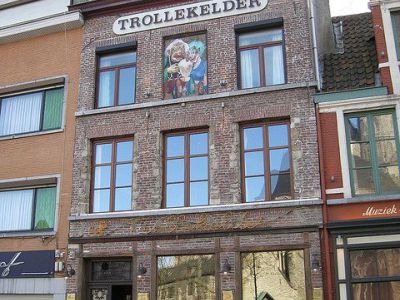
Walking Tours in Ghent, Belgium

Create Your Own Walk in Ghent
Creating your own self-guided walk in Ghent is easy and fun. Choose the city attractions that you want to see and a walk route map will be created just for you. You can even set your hotel as the start point of the walk.
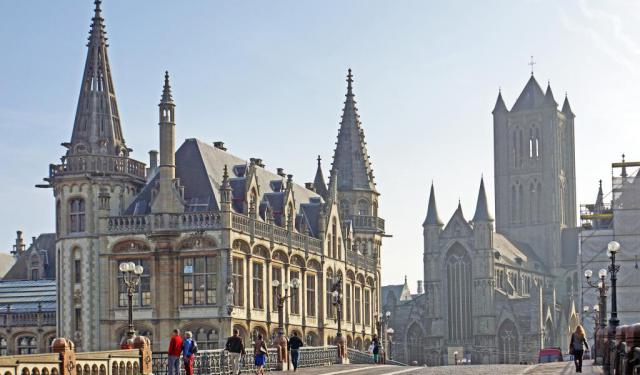
Discover Ghent's Historical Buildings on Foot
The medieval city of Ghent is full of wonderful old buildings, some dating back as far as the 12th-13th centuries. Medieval buildings are indeed everywhere here, and if you're interested in the heritage fit to capture you imagination, you will find plenty of it in Ghent’s historic downtown.
And you won’t have to look far for the World Heritage worthy of its name either. The Castle of... view more
Tour Duration: 2 Hour(s)
Travel Distance: 2.8 Km or 1.7 Miles
And you won’t have to look far for the World Heritage worthy of its name either. The Castle of... view more
Tour Duration: 2 Hour(s)
Travel Distance: 2.8 Km or 1.7 Miles
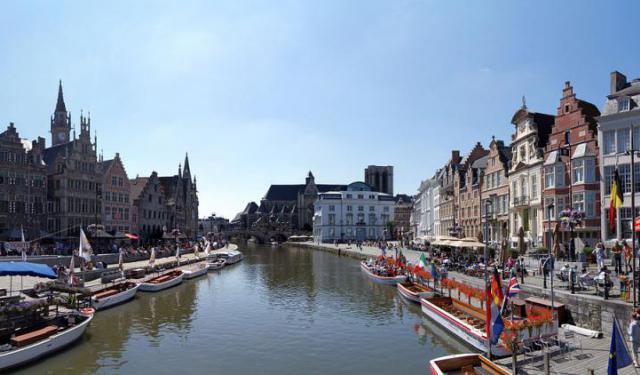
A Walk Through Ghent's Historic City Center
Some historians believe "Ghent" comes from the Celtic word, "ganda." "Ganda" meant a confluence, as with two rivers. There are traces of human settlements as far back as the stone age at the confluence of the rivers Scheldt and Leie in Belgium.
With the Frankish invasions at the end of the 4th century AD, the Celtic language was replaced by Old Dutch and this... view more
Tour Duration: 2 Hour(s)
Travel Distance: 1.7 Km or 1.1 Miles
With the Frankish invasions at the end of the 4th century AD, the Celtic language was replaced by Old Dutch and this... view more
Tour Duration: 2 Hour(s)
Travel Distance: 1.7 Km or 1.1 Miles