

Mezquita de Las Tornerias (Mosque of las Tornerias), Toledo
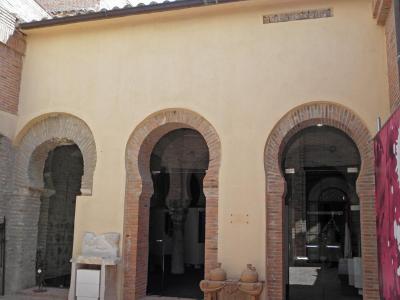
The Mosque of las Tornerias is a former Moorish mosque located in the old Muslim neighborhood of Arrabal de Francos in Toledo. The mosque was constructed in the mid-11th century on the foundations of Roman architecture, which were used for the distribution of drinking water throughout the city. The building's unique layout, with two floors due to the uneven terrain, is what sets it apart from other mosques of its time.
The mosque's interior is organized into nine square compartments, with four columns without bases supporting three naves. The arches are horseshoe-shaped and vary in proportion, with the mihrab, or prayer niche, placed on the side corresponding to the qibla wall. The central compartment has a cruciform structure and a ribbed dome.
Historians are uncertain about the exact date of the mosque's construction, but it is generally believed to have been built in the second half of the 11th century. The building continued to be used for Islamic worship even after the Christian reconquest of Toledo in 1085, until it was desacralized by the Catholic Monarchs in 1498-1505. It went through various uses over the centuries, including as an inn and a headquarters for businesses and small factories, before being rediscovered in the late 19th century by historians who had previously believed it to be a synagogue.
Today, the Mezquita de las Tornerías houses the Center Foundation of Promotion of the Crafts, which showcases temporary exhibitions and can be visited by the public. Visitors can explore the mosque's unique architecture and learn about its fascinating history as both a place of worship and a multi-use building throughout the centuries.
The mosque's interior is organized into nine square compartments, with four columns without bases supporting three naves. The arches are horseshoe-shaped and vary in proportion, with the mihrab, or prayer niche, placed on the side corresponding to the qibla wall. The central compartment has a cruciform structure and a ribbed dome.
Historians are uncertain about the exact date of the mosque's construction, but it is generally believed to have been built in the second half of the 11th century. The building continued to be used for Islamic worship even after the Christian reconquest of Toledo in 1085, until it was desacralized by the Catholic Monarchs in 1498-1505. It went through various uses over the centuries, including as an inn and a headquarters for businesses and small factories, before being rediscovered in the late 19th century by historians who had previously believed it to be a synagogue.
Today, the Mezquita de las Tornerías houses the Center Foundation of Promotion of the Crafts, which showcases temporary exhibitions and can be visited by the public. Visitors can explore the mosque's unique architecture and learn about its fascinating history as both a place of worship and a multi-use building throughout the centuries.
Want to visit this sight? Check out these Self-Guided Walking Tours in Toledo. Alternatively, you can download the mobile app "GPSmyCity: Walks in 1K+ Cities" from Apple App Store or Google Play Store. The app turns your mobile device to a personal tour guide and it works offline, so no data plan is needed when traveling abroad.
Download The GPSmyCity App



Mezquita de Las Tornerias (Mosque of las Tornerias) on Map
Sight Name: Mezquita de Las Tornerias (Mosque of las Tornerias)
Sight Location: Toledo, Spain (See walking tours in Toledo)
Sight Type: Religious
Sight Location: Toledo, Spain (See walking tours in Toledo)
Sight Type: Religious
Nearby Sights
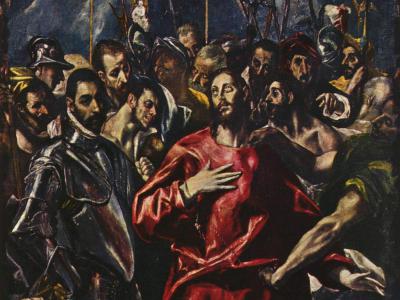
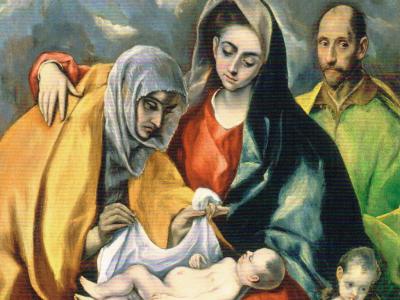
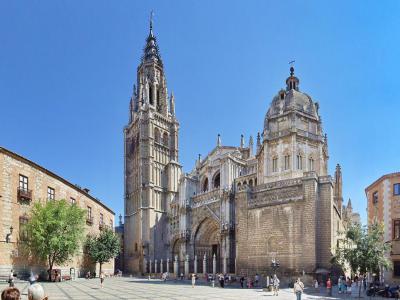

Walking Tours in Toledo, Spain

Create Your Own Walk in Toledo
Creating your own self-guided walk in Toledo is easy and fun. Choose the city attractions that you want to see and a walk route map will be created just for you. You can even set your hotel as the start point of the walk.
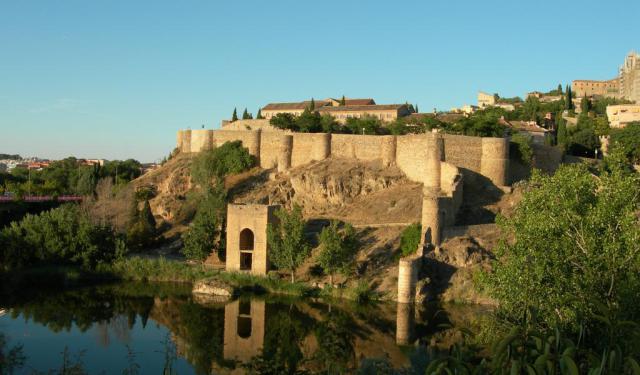
Toledo's Ancient Walls, Gates and Bridges
Other than its signature “Toledo steel”, the Spanish city of Toledo is known for its historic architecture, particularly the ancient mammoth fortifications - a testament to the strength of the city that has maintained its borders for well over a thousand years.
Toledo's soaring walls were first built by the Romans in the 3rd century AD and then further expanded, over the following... view more
Tour Duration: 1 Hour
Travel Distance: 2.1 Km or 1.3 Miles
Toledo's soaring walls were first built by the Romans in the 3rd century AD and then further expanded, over the following... view more
Tour Duration: 1 Hour
Travel Distance: 2.1 Km or 1.3 Miles
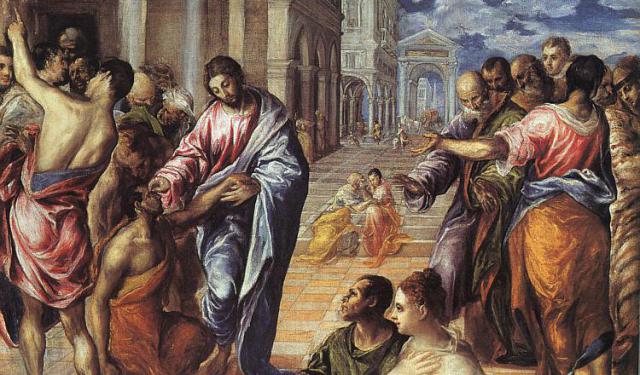
El Greco's Masterpieces
Domnnikos Theotokopoulos, most widely known as El Greco or "The Greek," was a Greek painter, sculptor, and architect of the Spanish Renaissance. El Greco was well ahead of his time. His dramatic and expressionistic style is regarded as a precursor of both Expressionism and Cubism of the 20th century.
El Greco was born in Crete, Greece, and studied painting in Italy. In 1577, he... view more
Tour Duration: 1 Hour
Travel Distance: 2 Km or 1.2 Miles
El Greco was born in Crete, Greece, and studied painting in Italy. In 1577, he... view more
Tour Duration: 1 Hour
Travel Distance: 2 Km or 1.2 Miles
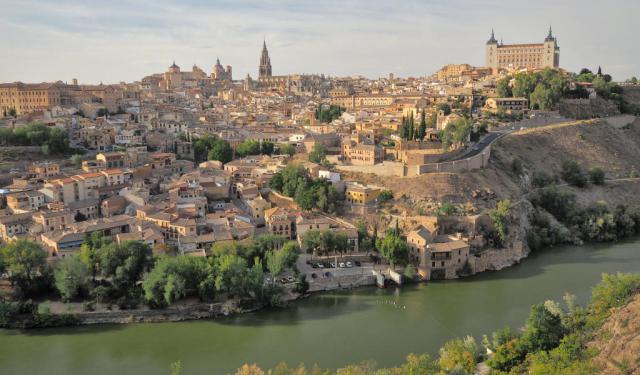
Toledo Introduction Walking Tour
Roman historian Livy didn’t bother with flattery. To him, Toledo was “a small city, but fortified by location”-and he wasn’t wrong. Apart from its governance over the Tagus River, the city has long been known as the “City of the Three Cultures”-a place where Christianity, Islam, and Judaism all left visible marks, even if coexistence was not always peaceful. Its name comes from the... view more
Tour Duration: 2 Hours
Travel Distance: 3.2 Km or 2 Miles
Tour Duration: 2 Hours
Travel Distance: 3.2 Km or 2 Miles