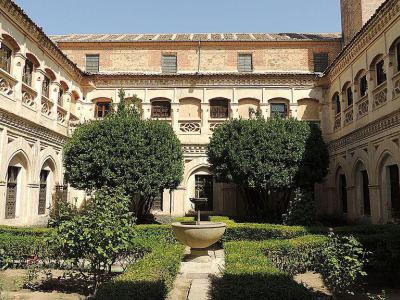


Monastery of San Antonio el Real, Segovia
The Monastery of San Antonio el Real is a significant monastic complex located in the autonomous community of Castilla y León. Built in the Gothic architectural style, it holds great religious and historical importance in the region. Today, the monastery has been converted into a museum that showcases numerous works of art, including a silver reliquary of Saint Anthony of Padua and various Flemish triptychs from the Utrecht school.
The monastery's history dates back to 1455 when King Enrique IV commissioned the construction of a recreational palace on the "El Campillo" estate. Soon after, he generously donated the palace to the Franciscans, who transformed it into a convent. On April 12, 1468, during the reign of the Catholic Monarchs, the monastery was transferred to the Franciscan Poor Clares, who have inhabited it ever since. An inscription within the monastery's walls reads, "King Enrique IV built this monastery and Queen Doña Isabel endowed it," serving as a testament to its royal origins.
The entrance to the monastery's church features Elizabethan Gothic architecture, distinguished by the prominent shields of King Enrique IV, who was responsible for its construction. Inside, the main chapel exhibits the Mudejar style, characterized by its unique combination of Islamic and Christian influences. The chapel's vault is adorned with an intricate coffered ceiling in the Mudejar style, supported by a frieze of polychrome plasterwork. The decorative motifs consist of stars and arches, while clusters of Mozarabic pineapples hang from the center.
On the Epistle side of the church, visitors can admire a remarkable altarpiece from the 15th century. This altarpiece showcases a Flemish calvary and features polychrome sculptures. It adds to the artistic richness and historical value of the monastery.
The monastery's history dates back to 1455 when King Enrique IV commissioned the construction of a recreational palace on the "El Campillo" estate. Soon after, he generously donated the palace to the Franciscans, who transformed it into a convent. On April 12, 1468, during the reign of the Catholic Monarchs, the monastery was transferred to the Franciscan Poor Clares, who have inhabited it ever since. An inscription within the monastery's walls reads, "King Enrique IV built this monastery and Queen Doña Isabel endowed it," serving as a testament to its royal origins.
The entrance to the monastery's church features Elizabethan Gothic architecture, distinguished by the prominent shields of King Enrique IV, who was responsible for its construction. Inside, the main chapel exhibits the Mudejar style, characterized by its unique combination of Islamic and Christian influences. The chapel's vault is adorned with an intricate coffered ceiling in the Mudejar style, supported by a frieze of polychrome plasterwork. The decorative motifs consist of stars and arches, while clusters of Mozarabic pineapples hang from the center.
On the Epistle side of the church, visitors can admire a remarkable altarpiece from the 15th century. This altarpiece showcases a Flemish calvary and features polychrome sculptures. It adds to the artistic richness and historical value of the monastery.
Want to visit this sight? Check out these Self-Guided Walking Tours in Segovia. Alternatively, you can download the mobile app "GPSmyCity: Walks in 1K+ Cities" from Apple App Store or Google Play Store. The app turns your mobile device to a personal tour guide and it works offline, so no data plan is needed when traveling abroad.
Download The GPSmyCity App



Monastery of San Antonio el Real on Map
Sight Name: Monastery of San Antonio el Real
Sight Location: Segovia, Spain (See walking tours in Segovia)
Sight Type: Religious
Sight Location: Segovia, Spain (See walking tours in Segovia)
Sight Type: Religious
Nearby Sights


Walking Tours in Segovia, Spain

Create Your Own Walk in Segovia
Creating your own self-guided walk in Segovia is easy and fun. Choose the city attractions that you want to see and a walk route map will be created just for you. You can even set your hotel as the start point of the walk.
Jewish Quarter Walking Tour
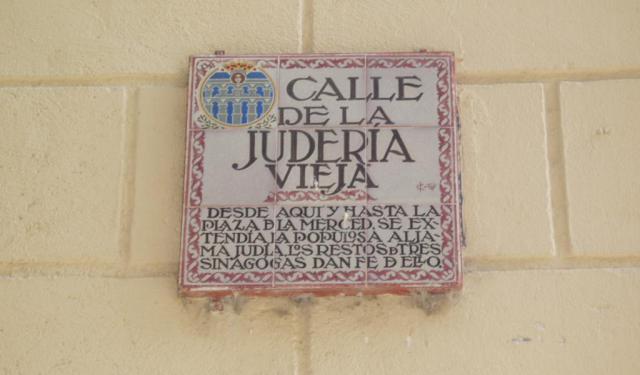
For centuries, an exquisite blend of medieval allure and cultural significance has beckoned visitors to Segovia's Jewish Quarter. The undulated shape and seven gates of this storied area set it apart from the rest of the city.
Beyond the boundaries of the Quarter, the majestic Gate of Saint Andrew (Puerta de San Andrés) serves as one of the access points to both the walled city of Segovia... view more
Tour Duration: 1 Hour
Travel Distance: 1 Km or 0.6 Miles
Beyond the boundaries of the Quarter, the majestic Gate of Saint Andrew (Puerta de San Andrés) serves as one of the access points to both the walled city of Segovia... view more
Tour Duration: 1 Hour
Travel Distance: 1 Km or 0.6 Miles
Segovia's Historical Churches Walking Tour
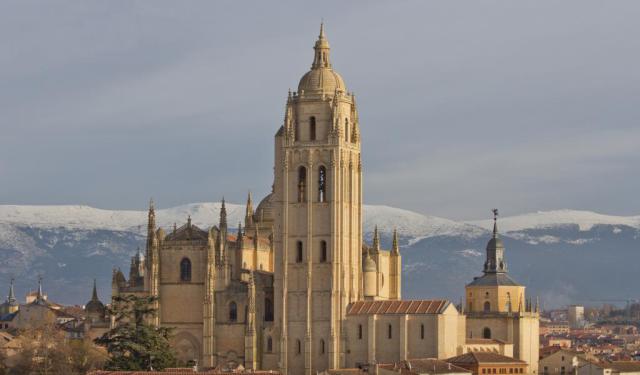
Nestled within the enchanting confines of Segovia, a treasure trove of ecclesiastical splendor awaits the discerning eye. Revered as architectural marvels, the historical churches of this illustrious city stand as testaments to the ingenuity of human craftsmanship and the enduring power of faith.
Dominating the skyline with regal grandeur, Segovia Cathedral (Catedral de Segovia), an opus of... view more
Tour Duration: 1 Hour
Travel Distance: 2.2 Km or 1.4 Miles
Dominating the skyline with regal grandeur, Segovia Cathedral (Catedral de Segovia), an opus of... view more
Tour Duration: 1 Hour
Travel Distance: 2.2 Km or 1.4 Miles
Segovia Introduction Walking Tour
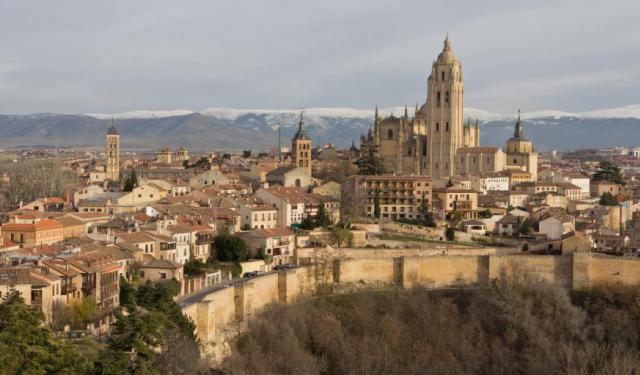
They say the aqueduct of Segovia was built by the Devil himself. Allegedly, a woman grew tired of carrying water uphill and turned to an unusual “architect” for help. The deal they struck was rather competitive: the Devil would claim her soul only if he completed the aqueduct before dawn. He failed, leaving a gap in the structure that remains to this day.
Segovia’s name is thought to... view more
Tour Duration: 1 Hour
Travel Distance: 2 Km or 1.2 Miles
Segovia’s name is thought to... view more
Tour Duration: 1 Hour
Travel Distance: 2 Km or 1.2 Miles