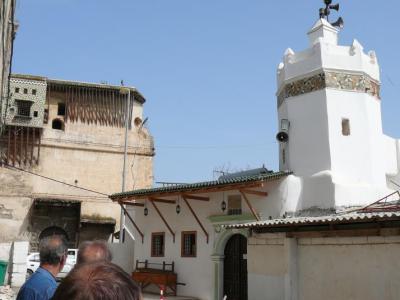


Mosquee El Berrani (El Berrani Mosque), Algiers
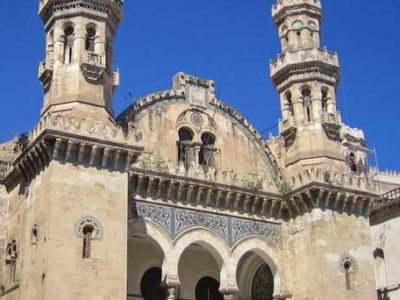
The El Berrani Mosque is a historical and architectural landmark located in the Kasbah of Algiers, a UNESCO World Heritage Site since 1992. Built in 1653 during the Ottoman era, this mosque was initially established to provide a place of worship for foreign visitors and those unable to access the Citadel Mosque due to strict security measures. The term "Berrani," meaning "foreigner" in the Algerian dialect, reflects the mosque's inclusive purpose.
The El Berrani Mosque underwent significant changes over the centuries. Expanded in 1818 by Dey Ali Khodja and later renovated by Dey Hussein, it was converted into the Sainte-Croix Catholic Church during French colonization in 1837, with minimal architectural alterations except for a cross on the minaret. Restored to its original function after Algeria's independence in 1962, it reclaimed its Islamic heritage.
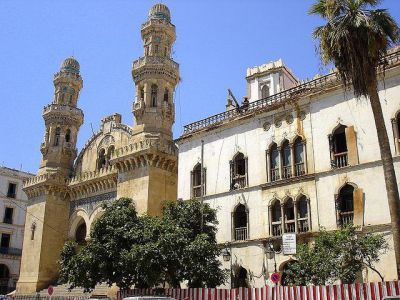
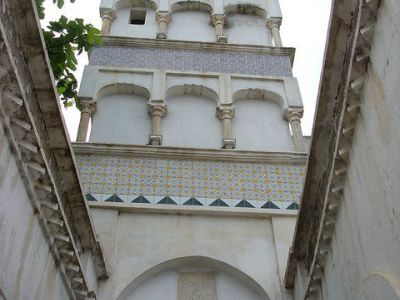
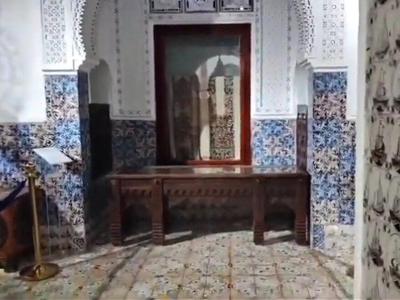
The mosque is a fine example of Maghreb architecture. Its rectangular design features four facades, with the west facade housing the main entrance to the prayer hall and a secondary entrance on the south side. The east facade, partially obscured by neighboring buildings, includes an octagonal minaret. The prayer hall, supported by 12 columns, has a flat roof constructed from round wooden stakes. The basement contains an ablution room, essential for Islamic worship practices.
The mosque holds invaluable documents, including property deeds, architectural plans, and two marble plaques commemorating its expansion and renovation. Its historical role as a spiritual and community hub underscores its importance in the Kasbah of Algiers. Despite its tumultuous past, including its conversion to a church during French colonization, the El Berrani Mosque remains a symbol of resilience and cultural heritage.
The El Berrani Mosque underwent significant changes over the centuries. Expanded in 1818 by Dey Ali Khodja and later renovated by Dey Hussein, it was converted into the Sainte-Croix Catholic Church during French colonization in 1837, with minimal architectural alterations except for a cross on the minaret. Restored to its original function after Algeria's independence in 1962, it reclaimed its Islamic heritage.
The mosque is a fine example of Maghreb architecture. Its rectangular design features four facades, with the west facade housing the main entrance to the prayer hall and a secondary entrance on the south side. The east facade, partially obscured by neighboring buildings, includes an octagonal minaret. The prayer hall, supported by 12 columns, has a flat roof constructed from round wooden stakes. The basement contains an ablution room, essential for Islamic worship practices.
The mosque holds invaluable documents, including property deeds, architectural plans, and two marble plaques commemorating its expansion and renovation. Its historical role as a spiritual and community hub underscores its importance in the Kasbah of Algiers. Despite its tumultuous past, including its conversion to a church during French colonization, the El Berrani Mosque remains a symbol of resilience and cultural heritage.
Want to visit this sight? Check out these Self-Guided Walking Tours in Algiers. Alternatively, you can download the mobile app "GPSmyCity: Walks in 1K+ Cities" from Apple App Store or Google Play Store. The app turns your mobile device to a personal tour guide and it works offline, so no data plan is needed when traveling abroad.
Download The GPSmyCity App



Mosquee El Berrani (El Berrani Mosque) on Map
Sight Name: Mosquee El Berrani (El Berrani Mosque)
Sight Location: Algiers, Algeria (See walking tours in Algiers)
Sight Type: Religious
Sight Location: Algiers, Algeria (See walking tours in Algiers)
Sight Type: Religious
Nearby Sights
Walking Tours in Algiers, Algeria

Create Your Own Walk in Algiers
Creating your own self-guided walk in Algiers is easy and fun. Choose the city attractions that you want to see and a walk route map will be created just for you. You can even set your hotel as the start point of the walk.
Algiers City Center Walking Tour
The great Spanish writer Miguel de Cervantes spent five years in Algiers, from 1575 to 1580, as a prisoner of war. The stay left an an indelible mark on his work, from plays to the monumental work "Don Quixote."
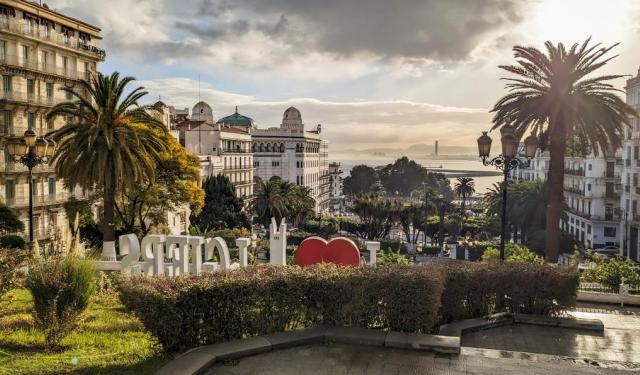
Algiers, the capital of Algeria, also known as "The Joyous" (el-Behdja) or "Algiers the White" (Alger la Blanche) for its whitewashed buildings, is a city... view more
Tour Duration: 2 Hour(s)
Travel Distance: 3.9 Km or 2.4 Miles
Algiers, the capital of Algeria, also known as "The Joyous" (el-Behdja) or "Algiers the White" (Alger la Blanche) for its whitewashed buildings, is a city... view more
Tour Duration: 2 Hour(s)
Travel Distance: 3.9 Km or 2.4 Miles