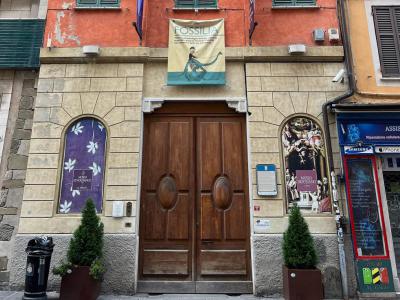


Museo Civico Etnografico Giovanni Podenzana (Giovanni Podenzana Civic Ethnographic Museum), La Spezia
The museum is located in the ancient oratory of San Bernardino, a 15th century building near the gate of Genoa (otherwise called the gate of San Bernardino ) in the medieval city walls. Before hosting the museum, the building was the headquarters of the city's Public Assistance for some years. The museum is dedicated to Giovanni Podenzana, naturalist, traveler, ethnographer (La Spezia 1864-Brugnato 1943). In over thirty years of travel and field research, Podenzana collected thousands of objects relating to non-European anthropology (Australia, Tasmania, New Guinea, Japan) and to the popular culture and traditions of the rural communities of historic Lunigiana, from the mid-eighteenth century to first decades of the twentieth century. On permanent display are materials of popular art and tradition from the Val di Magra and Val di Vara, dating from the mid-eighteenth century to the first decades of the twentieth century. These elements of the social and daily life of the rural communities of the area, profoundly modified following industrialisation, offer the visitor an interesting summary of life in Lunigiana in the eighteenth and early twentieth centuries. What emerges is a simple world and society rich in ancient customs, rituals and beliefs; a skilled craftsmanship capable of sometimes transforming minute objects of everyday use into small artistic masterpieces, such as the typical carved cradles of the Bratto area (Pontremoli). The section of traditional textiles and costumes of the nineteenth century is notable and rich, including the festive female dress of La Spezia, Sarzana and Cinque Terre, with the presence of skirts made of blue fabric woven on local looms, which represents the ancestor of the legendary jeans. Also noteworthy is the section that documents the filigree gold jewels, to be worn on the days of the festival, and the locally made silver crosses, which the women never separated from even while working in the fields. The singular women's hats of woven raffia are also preserved, the tiny dimensions of which amazed the English travelers of the past century visiting the Gulf. But also the domestic tools, the votive offerings of popular devotion, the objects linked to the sphere of superstition, the tools connected with agricultural or pastoral activities, the furnishings and furnishings of the house, the carved spinning and weaving tools, often gifts of engagement gifts given to the future bride, all elements which constitute, due to their age of collection and their originality, a repertoire of rare charm and subtle seduction.
The Ethnographic Museum of La Spezia, formed at the end of the nineteenth century and officially inaugurated in 1906, is today named after Giovanni Podenzana (La Spezia 1864-Brugnato 1943), musician, ethnographer, naturalist and first curator of the city's Civic Museums. Over the decades its collections of ethnography of Lunigiana and primitive non-European cultures have had various locations; they are currently housed in the fifteenth-century building of the former Oratory of San Bernardino, a location that the Museum shares with the Sacred Art Collections of the Diocesan Museum.
The Museum preserves, studies, exhibits and enhances local and non-European material collected since the mid-19th century and presents itself as a center for research and dissemination of anthropological and ethnographic themes, with particular attention to the geographical area known as historical Lunigiana. The artefacts, dating from the 18th century to the first half of the 20th century, are grouped into different sections which concern the daily life of the past and local traditions: devotion and popular cults, superstition and magical-therapeutic practices, traditional goldsmithery Ligurian, the furnishings of the house, the objects of personal equipment, the tools for spinning and family weaving, the traditional costume. The collections include a large number of memorabilia relating to La Spezia's participation in the Risorgimento and the First World War. In the textile section, elements of popular costume made of blue cotton and hemp cloth, called budana, considered the ancestor of jeans, are preserved. ***PH***
The Ethnographic Museum of La Spezia, formed at the end of the nineteenth century and officially inaugurated in 1906, is today named after Giovanni Podenzana (La Spezia 1864-Brugnato 1943), musician, ethnographer, naturalist and first curator of the city's Civic Museums. Over the decades its collections of ethnography of Lunigiana and primitive non-European cultures have had various locations; they are currently housed in the fifteenth-century building of the former Oratory of San Bernardino, a location that the Museum shares with the Sacred Art Collections of the Diocesan Museum.
The Museum preserves, studies, exhibits and enhances local and non-European material collected since the mid-19th century and presents itself as a center for research and dissemination of anthropological and ethnographic themes, with particular attention to the geographical area known as historical Lunigiana. The artefacts, dating from the 18th century to the first half of the 20th century, are grouped into different sections which concern the daily life of the past and local traditions: devotion and popular cults, superstition and magical-therapeutic practices, traditional goldsmithery Ligurian, the furnishings of the house, the objects of personal equipment, the tools for spinning and family weaving, the traditional costume. The collections include a large number of memorabilia relating to La Spezia's participation in the Risorgimento and the First World War. In the textile section, elements of popular costume made of blue cotton and hemp cloth, called budana, considered the ancestor of jeans, are preserved. ***PH***
Want to visit this sight? Check out these Self-Guided Walking Tours in La Spezia. Alternatively, you can download the mobile app "GPSmyCity: Walks in 1K+ Cities" from Apple App Store or Google Play Store. The app turns your mobile device to a personal tour guide and it works offline, so no data plan is needed when traveling abroad.
Download The GPSmyCity App



Museo Civico Etnografico Giovanni Podenzana (Giovanni Podenzana Civic Ethnographic Museum) on Map
Sight Name: Museo Civico Etnografico Giovanni Podenzana (Giovanni Podenzana Civic Ethnographic Museum)
Sight Location: La Spezia, Italy (See walking tours in La Spezia)
Sight Type: Museum/Gallery
Sight Location: La Spezia, Italy (See walking tours in La Spezia)
Sight Type: Museum/Gallery
Nearby Sights



Walking Tours in La Spezia, Italy

Create Your Own Walk in La Spezia
Creating your own self-guided walk in La Spezia is easy and fun. Choose the city attractions that you want to see and a walk route map will be created just for you. You can even set your hotel as the start point of the walk.
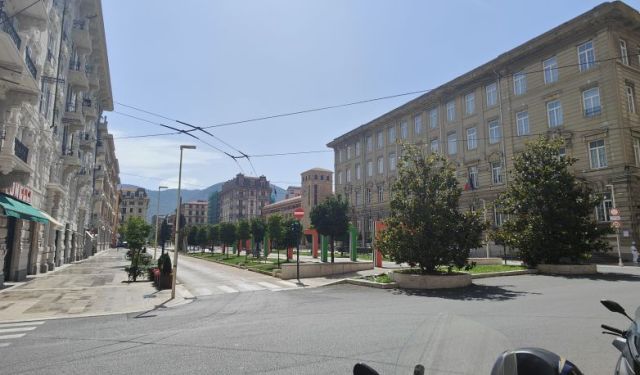
La Spezia Introduction Walking Tour
A short train hop from the famed coastal area of Cinque Terre, La Spezia is Liguria’s unsung hero. Tucked snugly between cliffs and the shimmering Ligurian Sea, it sits conveniently between Genoa and Pisa. Often passed over by the crowds, those who pause here are rewarded with a blend of historical intrigue, cultural flair, and mouthwatering seafood-all served up against a backdrop of unspoiled... view more
Tour Duration: 2 Hour(s)
Travel Distance: 3.0 Km or 1.9 Miles
Tour Duration: 2 Hour(s)
Travel Distance: 3.0 Km or 1.9 Miles