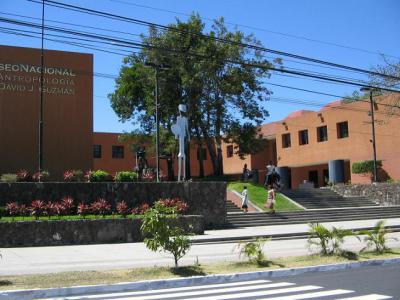


Museo Nacional de Antropologia (National Museum of Anthropology), San Salvador
Right in the heart of downtown San Salvador, you’ll find MUNA-short for the National Museum of Anthropology-a must-visit destination for anyone looking to explore the rich and complex history of El Salvador. With five permanent exhibition halls, space for rotating exhibits, and artist showcases, it stands as a major force in the country’s ongoing efforts to preserve and celebrate its cultural heritage.
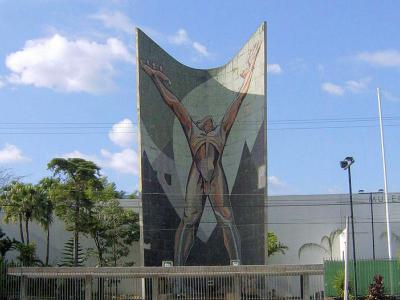
As you enter, one of the first things you’ll notice is the mural in the courtyard. Painted by Antonio Barilla in 2011, it bursts with color and symbolism, offering a visual introduction to the nation’s story. More than mere decoration-it’s a powerful thematic guide that sets the tone for everything you’ll encounter inside.
The museum’s collection is vast and incredibly diverse, ranging from early Mayan ceramics to modern-day expressions of Catholic culture. Some of the standout themes include the agricultural roots of El Salvador’s ancient civilizations, the role of ritual and worship in community life, and the profound influence of the country’s volcanic landscape on its development.
Whether you’re a student or a researcher, MUNA is a valuable resource. It offers detailed historical, biological, and anthropological insight into how the past, present, and future intersect in this part of the world. The museum also houses a specialized library with collections covering political, economic, and social history-open to both local and international scholars.
As you enter, one of the first things you’ll notice is the mural in the courtyard. Painted by Antonio Barilla in 2011, it bursts with color and symbolism, offering a visual introduction to the nation’s story. More than mere decoration-it’s a powerful thematic guide that sets the tone for everything you’ll encounter inside.
The museum’s collection is vast and incredibly diverse, ranging from early Mayan ceramics to modern-day expressions of Catholic culture. Some of the standout themes include the agricultural roots of El Salvador’s ancient civilizations, the role of ritual and worship in community life, and the profound influence of the country’s volcanic landscape on its development.
Whether you’re a student or a researcher, MUNA is a valuable resource. It offers detailed historical, biological, and anthropological insight into how the past, present, and future intersect in this part of the world. The museum also houses a specialized library with collections covering political, economic, and social history-open to both local and international scholars.
Want to visit this sight? Check out these Self-Guided Walking Tours in San Salvador. Alternatively, you can download the mobile app "GPSmyCity: Walks in 1K+ Cities" from Apple App Store or Google Play Store. The app turns your mobile device to a personal tour guide and it works offline, so no data plan is needed when traveling abroad.
Download The GPSmyCity App



Museo Nacional de Antropologia (National Museum of Anthropology) on Map
Sight Name: Museo Nacional de Antropologia (National Museum of Anthropology)
Sight Location: San Salvador, El Salvador (See walking tours in San Salvador)
Sight Type: Museum/Gallery
Sight Location: San Salvador, El Salvador (See walking tours in San Salvador)
Sight Type: Museum/Gallery
Nearby Sights


Walking Tours in San Salvador, El Salvador

Create Your Own Walk in San Salvador
Creating your own self-guided walk in San Salvador is easy and fun. Choose the city attractions that you want to see and a walk route map will be created just for you. You can even set your hotel as the start point of the walk.
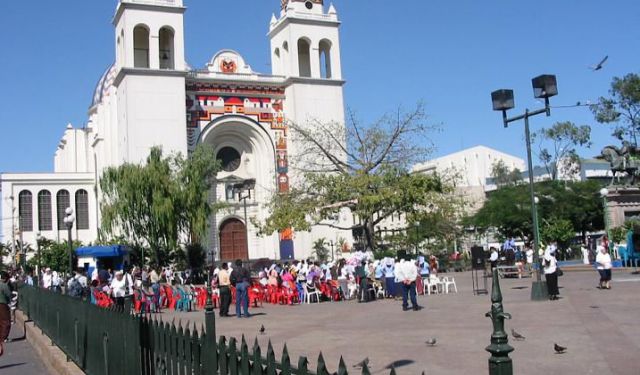
San Salvador Downtown Walking Tour
The vibrant capital of El Salvador, San Salvador, weaves a colorful tapestry of history and culture as a testament to resilience and rebirth amid natural adversities. The city's name, translating to 'Holy Savior,' traces its origins to the Spanish conquest, epitomizing the deep religious roots instilled by the colonizers.
The region's history, however, dates back to the... view more
Tour Duration: 2 Hours
Travel Distance: 2.7 Km or 1.7 Miles
The region's history, however, dates back to the... view more
Tour Duration: 2 Hours
Travel Distance: 2.7 Km or 1.7 Miles
City Walks Overview
