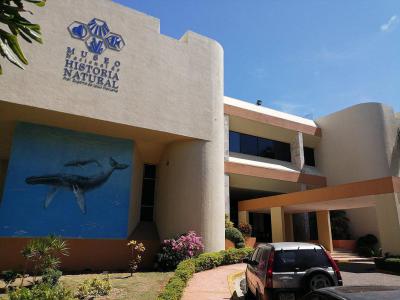


Museum of Natural History, Santo Domingo
The National Museum of Natural History in Santo Domingo offers a clear and engaging look at the natural heritage of the Dominican Republic and the wider Caribbean. Established in 1982 and named after the prominent Dominican naturalist Professor Eugenio de Jesús Marcano, the museum was created to support scientific research, environmental education, and conservation. Its exhibitions introduce visitors to the region’s geology, biodiversity, and ecosystems, making it a valuable stop for anyone interested in understanding how the Dominican landscape took shape over millions of years.
Inside, the museum presents well-organized displays that highlight the country’s native and endemic species, including birds, reptiles, amphibians, and insects. One of its most recognisable features is the life-size replica of a humpback whale suspended above the main hall, a nod to the annual whale migrations that occur off the Dominican coast. Nearby, visitors will find exhibits on the island’s prehistoric past, featuring fossils, minerals, and reconstructions that explain the formation of Hispaniola and the evolution of its wildlife. The museum also houses collections dedicated to Dominican botany and marine life, offering a broader understanding of how different environments across the island coexist.
A visit here provides an informative and comfortable experience for travellers of all ages. The exhibitions are designed with accessible language, clear visual aids, and thematic sections that allow guests to explore at their own pace. Located within the grounds of the National District, the museum is close to other cultural institutions, making it convenient to include in a day of sightseeing. For many tourists, it serves as an essential introduction to the country’s natural world and the ongoing efforts to study and protect it.
Inside, the museum presents well-organized displays that highlight the country’s native and endemic species, including birds, reptiles, amphibians, and insects. One of its most recognisable features is the life-size replica of a humpback whale suspended above the main hall, a nod to the annual whale migrations that occur off the Dominican coast. Nearby, visitors will find exhibits on the island’s prehistoric past, featuring fossils, minerals, and reconstructions that explain the formation of Hispaniola and the evolution of its wildlife. The museum also houses collections dedicated to Dominican botany and marine life, offering a broader understanding of how different environments across the island coexist.
A visit here provides an informative and comfortable experience for travellers of all ages. The exhibitions are designed with accessible language, clear visual aids, and thematic sections that allow guests to explore at their own pace. Located within the grounds of the National District, the museum is close to other cultural institutions, making it convenient to include in a day of sightseeing. For many tourists, it serves as an essential introduction to the country’s natural world and the ongoing efforts to study and protect it.
Want to visit this sight? Check out these Self-Guided Walking Tours in Santo Domingo. Alternatively, you can download the mobile app "GPSmyCity: Walks in 1K+ Cities" from Apple App Store or Google Play Store. The app turns your mobile device to a personal tour guide and it works offline, so no data plan is needed when traveling abroad.
Download The GPSmyCity App



Museum of Natural History on Map
Sight Name: Museum of Natural History
Sight Location: Santo Domingo, Dominican Republic (See walking tours in Santo Domingo)
Sight Type: Museum/Gallery
Sight Location: Santo Domingo, Dominican Republic (See walking tours in Santo Domingo)
Sight Type: Museum/Gallery
Nearby Sights

Walking Tours in Santo Domingo, Dominican Republic

Create Your Own Walk in Santo Domingo
Creating your own self-guided walk in Santo Domingo is easy and fun. Choose the city attractions that you want to see and a walk route map will be created just for you. You can even set your hotel as the start point of the walk.
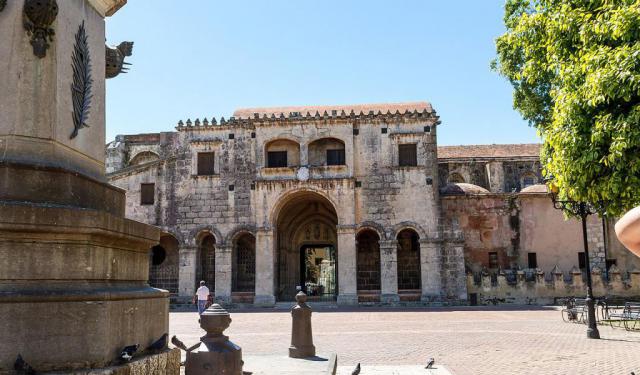
Discover Santo Domingo's Colonial Architecture on Foot
As the vanguard of European advance to the West, Santo Domingo burgeoned into the first seat of the Spanish colonial administration. The city's colonial architecture is a significant aspect of its identity, featuring a blend of styles that evolved over time, influenced by indigenous, African, Spanish, and other European cultures.
The heart of Santo Domingo's colonial architecture is... view more
Tour Duration: 2 Hours
Travel Distance: 2.9 Km or 1.8 Miles
The heart of Santo Domingo's colonial architecture is... view more
Tour Duration: 2 Hours
Travel Distance: 2.9 Km or 1.8 Miles
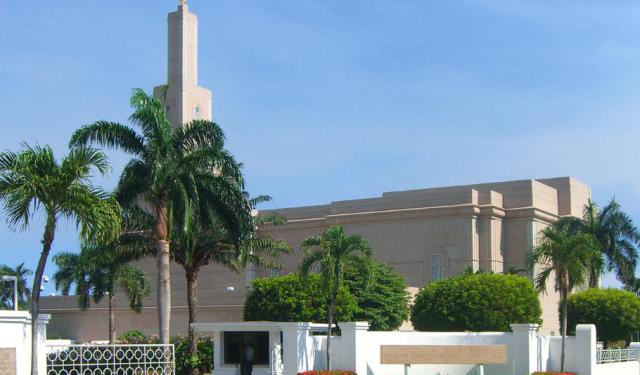
A Walking Guide to Santo Domingo's Colonial City
The capital of the Dominican Republic, Santo Domingo, or simply "La Capital" as the locals commonly refer to it, holds the distinction of being the oldest continuously inhabited European settlement in the Americas.
Founded in 1496 by Bartholomew Columbus, Christopher Columbus's younger brother, it was originally called "La Nueva Isabela", but was soon renamed Santo... view more
Tour Duration: 2 Hours
Travel Distance: 2.5 Km or 1.6 Miles
Founded in 1496 by Bartholomew Columbus, Christopher Columbus's younger brother, it was originally called "La Nueva Isabela", but was soon renamed Santo... view more
Tour Duration: 2 Hours
Travel Distance: 2.5 Km or 1.6 Miles
City Walks Overview
