

Natuurhistorisch Museum (Natural History Museum), Maastricht
The Natural History Museum Maastricht is a remarkable institution dedicated to the geology, paleontology, flora, and fauna of South Limburg. Situated in the historic Jekerkwartier district, the museum occupies the former Monastery of the Grey Sisters (Grauwzustersklooster), adding a rich historical dimension to its scientific focus.
The museum's collection boasts 550,000 objects, including notable Cretaceous fossils from Sint-Pietersberg. Among its most famous exhibits is the skull of a Mosasaur, affectionately nicknamed "Bèr," along with specimens of Hoffmann's giant turtle and Suyckerbuyk's turtle. The museum also continues to seek the return of a significant Mosasaurus skull, taken by the French during the Siege of Maastricht (1794) and currently housed in the French National Museum of Natural History.
Visitors can explore period rooms featuring cabinets of curiosities, including an extraordinary 19th-century rat king, a rare and eerie natural phenomenon. Dioramas, aquariums, and terrariums further enrich the experience, bringing the region’s ecological past and present to life.
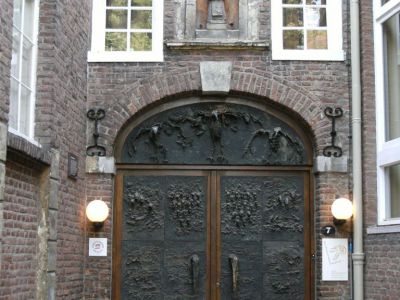
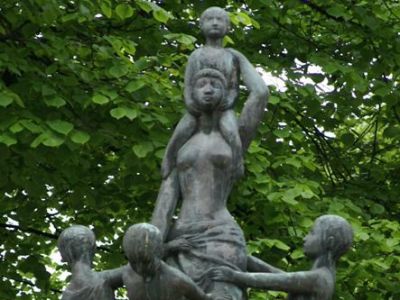
The museum has occupied the monastery complex for over a century. Built in the 17th century, it retains original wooden floors and vaulted ceilings. Huis Stas, part of the complex, features Maasland Renaissance architecture with brick and limestone details. Once an orphanage and municipal shelter, the site now hosts temporary exhibitions in its 1705 chapel. The entrance to Place de Bosquet is marked by bronze reliefs by Han van Wetering, with a Grey Sister statue by Frans van de Laar (1921) overlooking visitors.
Behind the museum, the August de Wever Botanical Garden stretches along the Jeker River. Redesigned by Mien Ruys in the late 1940s, it blends clarity with geometric elements like flint-walled terraces, ponds, and a pergola. The garden hosts lime-loving plants such as zinc violet, wild garlic, and native orchids. Art pieces, including a bronze bust of Jac. P. Thijsse, enhance the landscape. A glass pavilion shelters a marl block with a Cretaceous fossil, while a Wollemia tree-a living fossil-connects past and present.
The museum's collection boasts 550,000 objects, including notable Cretaceous fossils from Sint-Pietersberg. Among its most famous exhibits is the skull of a Mosasaur, affectionately nicknamed "Bèr," along with specimens of Hoffmann's giant turtle and Suyckerbuyk's turtle. The museum also continues to seek the return of a significant Mosasaurus skull, taken by the French during the Siege of Maastricht (1794) and currently housed in the French National Museum of Natural History.
Visitors can explore period rooms featuring cabinets of curiosities, including an extraordinary 19th-century rat king, a rare and eerie natural phenomenon. Dioramas, aquariums, and terrariums further enrich the experience, bringing the region’s ecological past and present to life.
The museum has occupied the monastery complex for over a century. Built in the 17th century, it retains original wooden floors and vaulted ceilings. Huis Stas, part of the complex, features Maasland Renaissance architecture with brick and limestone details. Once an orphanage and municipal shelter, the site now hosts temporary exhibitions in its 1705 chapel. The entrance to Place de Bosquet is marked by bronze reliefs by Han van Wetering, with a Grey Sister statue by Frans van de Laar (1921) overlooking visitors.
Behind the museum, the August de Wever Botanical Garden stretches along the Jeker River. Redesigned by Mien Ruys in the late 1940s, it blends clarity with geometric elements like flint-walled terraces, ponds, and a pergola. The garden hosts lime-loving plants such as zinc violet, wild garlic, and native orchids. Art pieces, including a bronze bust of Jac. P. Thijsse, enhance the landscape. A glass pavilion shelters a marl block with a Cretaceous fossil, while a Wollemia tree-a living fossil-connects past and present.
Want to visit this sight? Check out these Self-Guided Walking Tours in Maastricht. Alternatively, you can download the mobile app "GPSmyCity: Walks in 1K+ Cities" from Apple App Store or Google Play Store. The app turns your mobile device to a personal tour guide and it works offline, so no data plan is needed when traveling abroad.
Download The GPSmyCity App



Natuurhistorisch Museum (Natural History Museum) on Map
Sight Name: Natuurhistorisch Museum (Natural History Museum)
Sight Location: Maastricht, Netherlands (See walking tours in Maastricht)
Sight Type: Museum/Gallery
Sight Location: Maastricht, Netherlands (See walking tours in Maastricht)
Sight Type: Museum/Gallery
Nearby Sights

Walking Tours in Maastricht, Netherlands

Create Your Own Walk in Maastricht
Creating your own self-guided walk in Maastricht is easy and fun. Choose the city attractions that you want to see and a walk route map will be created just for you. You can even set your hotel as the start point of the walk.
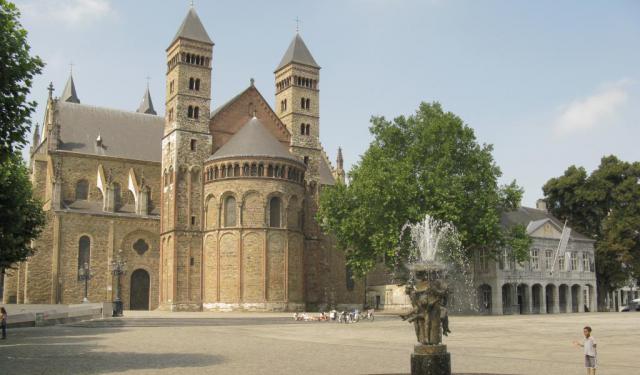
Maastricht's Historical Buildings Walking Tour
Founded by the Romans some 2,000 years ago, the charming city of Maastricht is one of the oldest in the Netherlands. Its long history is manifested in numerous remnants, including religious and secular buildings of any form. Over the course of the centuries, Maastricht has garnered a wealth of architecture, featuring a variety of styles: Gothic, Baroque, Romanesque and Renaissance.
Cultural... view more
Tour Duration: 2 Hours
Travel Distance: 3.1 Km or 1.9 Miles
Cultural... view more
Tour Duration: 2 Hours
Travel Distance: 3.1 Km or 1.9 Miles
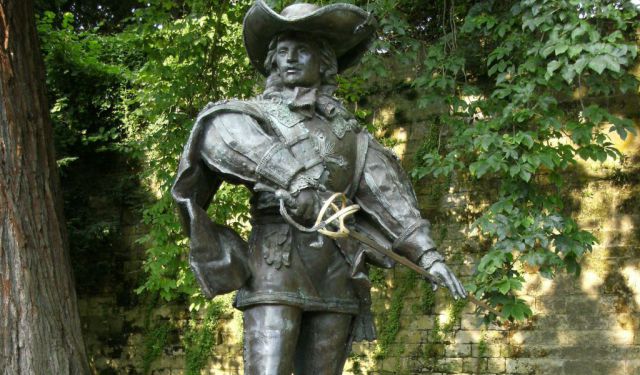
Statues and Monuments Tour
The citizens of Maastricht are reputed to be spiritual and have a good sense of humor. Their attitude towards life, as well as their customs and traditions, are vividly reflected in the numerous statues and monuments scattered throughout the city.
Among these is the Statue of Jan Pieter Minckeleers, commemorating the local inventor of gas lighting. Another notable figure is the Mooswief, also... view more
Tour Duration: 1 Hour
Travel Distance: 2.1 Km or 1.3 Miles
Among these is the Statue of Jan Pieter Minckeleers, commemorating the local inventor of gas lighting. Another notable figure is the Mooswief, also... view more
Tour Duration: 1 Hour
Travel Distance: 2.1 Km or 1.3 Miles
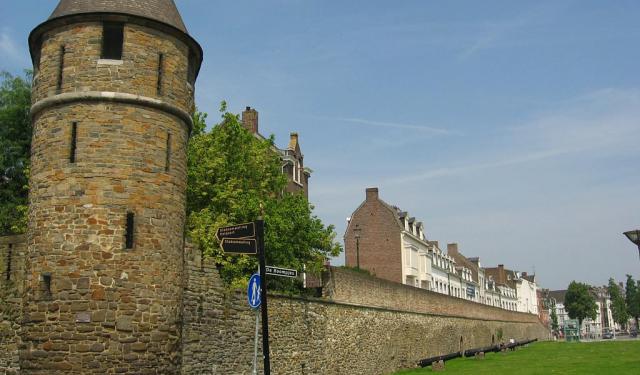
Maastricht's Ancient Fortification Sites Tour
As a key meeting point for European cultures and trading routes, Maastricht for millennia had been the site of many battles. Once known as the "Bulwark of the Netherlands", the city earned its reputation thanks to the impenetrable defenses that lasted through multiple attacks on its strategic position.
The very first fortifications in Maastricht appeared around the 1200s. Some of them... view more
Tour Duration: 2 Hours
Travel Distance: 3.3 Km or 2.1 Miles
The very first fortifications in Maastricht appeared around the 1200s. Some of them... view more
Tour Duration: 2 Hours
Travel Distance: 3.3 Km or 2.1 Miles
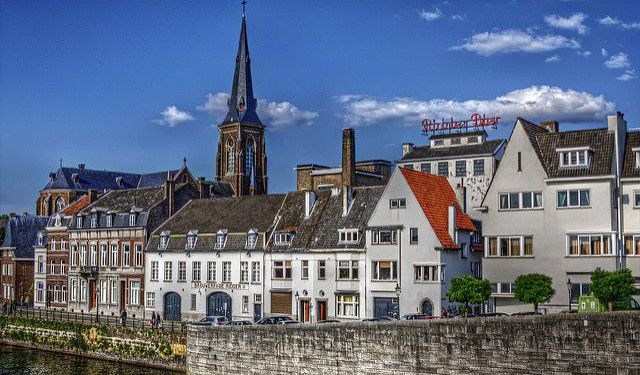
A Walk Through Maastricht's Historic Old Town
Maastricht is an ancient city known for its rich history, medieval architecture, and vibrant cultural scene.
In the first century AD, the Romans built a bridge across the Meuse river. A settlement grew near the bridge. Maastricht's name means "a place to cross the Meuse river". Today, a pillar marks this location of the original Roman bridge.
The Roman settlement was small,... view more
Tour Duration: 2 Hours
Travel Distance: 2.2 Km or 1.4 Miles
In the first century AD, the Romans built a bridge across the Meuse river. A settlement grew near the bridge. Maastricht's name means "a place to cross the Meuse river". Today, a pillar marks this location of the original Roman bridge.
The Roman settlement was small,... view more
Tour Duration: 2 Hours
Travel Distance: 2.2 Km or 1.4 Miles