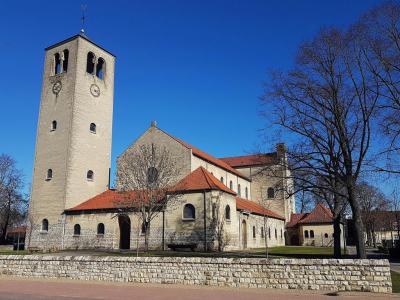


O.L. Vrouw van Lourdeskerk (Church of Our Lady of Lourdes), Maastricht
The Church of Our Lady of Lourdes is a Roman Catholic parish church, located in the Wittevrouwenveld neighborhood in Maastricht-East. Designed by architect Frits Peutz, the church was completed in 1938 and has since been designated as a National Monument. It stands as a significant example of traditionalist architecture infused with early Christian and Romanesque influences, while also incorporating Peutz’s distinctive design elements.
The Church of Our Lady of Lourdes, built from Sibber marl on a Kunrader stone base, features red convex roof tiles, giving it an Italian look. Consecrated by Pastor Jacobs on April 14, 1938, its tower was completed in 1941 and clad in copper, with bells added in 1949 for the parish’s 25th anniversary. Designed as an early Christian basilica, it has a rectangular plan, a west-side narthex, a northeast tower, a Maria chapel, a semicircular apse, and asymmetrical gable roofs. Inside, a flat beamed ceiling on bluestone consoles contrasts with raw marl walls, a black bluestone floor, and white marble choir, altar, and communion rails (added in 1958).
The church showcases stained glass by Limburg artists like Jos Eggen, Eugène Laudy, and Joep Nicolas. The Stations of the Cross, painted by C. Alberdinck, and a neo-Renaissance pulpit add to its artistic heritage. Some original Peutz-designed furniture remains in the aisles. A unique feature is the rood screen, attached only to the west wall, creating a floating effect. The main organ, built in 1906 by Kerckhoff for the Calvary Hospital chapel, was expanded by Verschueren and installed in 1982. A second organ from Sint-Guliëlmus church was added to Emmaus Chapel in 2015.
The Church of Our Lady of Lourdes, built from Sibber marl on a Kunrader stone base, features red convex roof tiles, giving it an Italian look. Consecrated by Pastor Jacobs on April 14, 1938, its tower was completed in 1941 and clad in copper, with bells added in 1949 for the parish’s 25th anniversary. Designed as an early Christian basilica, it has a rectangular plan, a west-side narthex, a northeast tower, a Maria chapel, a semicircular apse, and asymmetrical gable roofs. Inside, a flat beamed ceiling on bluestone consoles contrasts with raw marl walls, a black bluestone floor, and white marble choir, altar, and communion rails (added in 1958).
The church showcases stained glass by Limburg artists like Jos Eggen, Eugène Laudy, and Joep Nicolas. The Stations of the Cross, painted by C. Alberdinck, and a neo-Renaissance pulpit add to its artistic heritage. Some original Peutz-designed furniture remains in the aisles. A unique feature is the rood screen, attached only to the west wall, creating a floating effect. The main organ, built in 1906 by Kerckhoff for the Calvary Hospital chapel, was expanded by Verschueren and installed in 1982. A second organ from Sint-Guliëlmus church was added to Emmaus Chapel in 2015.
Want to visit this sight? Check out these Self-Guided Walking Tours in Maastricht. Alternatively, you can download the mobile app "GPSmyCity: Walks in 1K+ Cities" from Apple App Store or Google Play Store. The app turns your mobile device to a personal tour guide and it works offline, so no data plan is needed when traveling abroad.
Download The GPSmyCity App



O.L. Vrouw van Lourdeskerk (Church of Our Lady of Lourdes) on Map
Sight Name: O.L. Vrouw van Lourdeskerk (Church of Our Lady of Lourdes)
Sight Location: Maastricht, Netherlands (See walking tours in Maastricht)
Sight Type: Religious
Sight Location: Maastricht, Netherlands (See walking tours in Maastricht)
Sight Type: Religious
Nearby Sights





Walking Tours in Maastricht, Netherlands

Create Your Own Walk in Maastricht
Creating your own self-guided walk in Maastricht is easy and fun. Choose the city attractions that you want to see and a walk route map will be created just for you. You can even set your hotel as the start point of the walk.
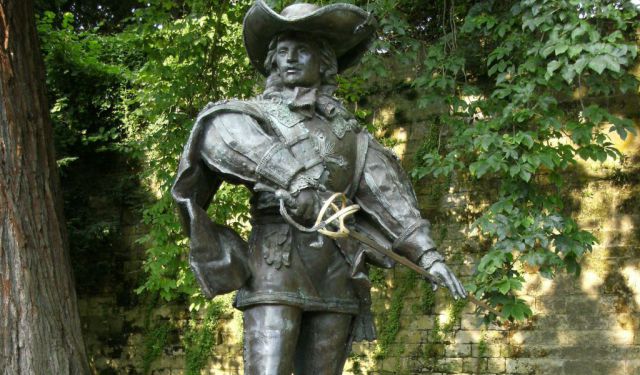
Statues and Monuments Tour
The citizens of Maastricht are reputed to be spiritual and have a good sense of humor. Their attitude towards life, as well as their customs and traditions, are vividly reflected in the numerous statues and monuments scattered throughout the city.
Among these is the Statue of Jan Pieter Minckeleers, commemorating the local inventor of gas lighting. Another notable figure is the Mooswief, also... view more
Tour Duration: 1 Hour
Travel Distance: 2.1 Km or 1.3 Miles
Among these is the Statue of Jan Pieter Minckeleers, commemorating the local inventor of gas lighting. Another notable figure is the Mooswief, also... view more
Tour Duration: 1 Hour
Travel Distance: 2.1 Km or 1.3 Miles
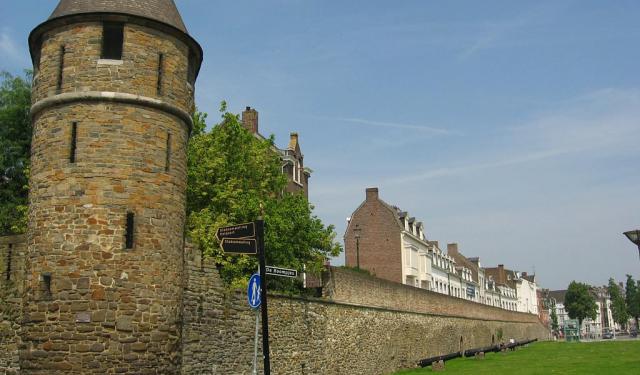
Maastricht's Ancient Fortification Sites Tour
As a key meeting point for European cultures and trading routes, Maastricht for millennia had been the site of many battles. Once known as the "Bulwark of the Netherlands", the city earned its reputation thanks to the impenetrable defenses that lasted through multiple attacks on its strategic position.
The very first fortifications in Maastricht appeared around the 1200s. Some of them... view more
Tour Duration: 2 Hours
Travel Distance: 3.3 Km or 2.1 Miles
The very first fortifications in Maastricht appeared around the 1200s. Some of them... view more
Tour Duration: 2 Hours
Travel Distance: 3.3 Km or 2.1 Miles
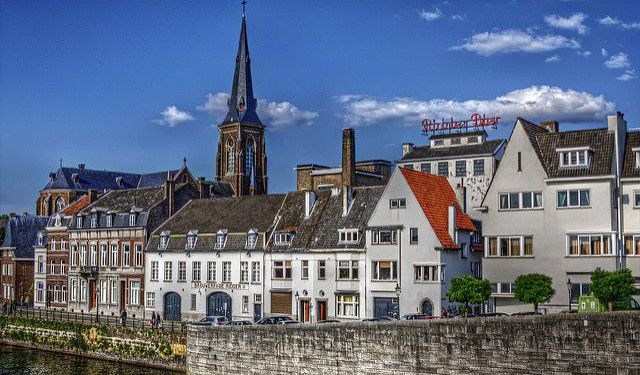
A Walk Through Maastricht's Historic Old Town
Maastricht is an ancient city known for its rich history, medieval architecture, and vibrant cultural scene.
In the first century AD, the Romans built a bridge across the Meuse river. A settlement grew near the bridge. Maastricht's name means "a place to cross the Meuse river". Today, a pillar marks this location of the original Roman bridge.
The Roman settlement was small,... view more
Tour Duration: 2 Hours
Travel Distance: 2.2 Km or 1.4 Miles
In the first century AD, the Romans built a bridge across the Meuse river. A settlement grew near the bridge. Maastricht's name means "a place to cross the Meuse river". Today, a pillar marks this location of the original Roman bridge.
The Roman settlement was small,... view more
Tour Duration: 2 Hours
Travel Distance: 2.2 Km or 1.4 Miles
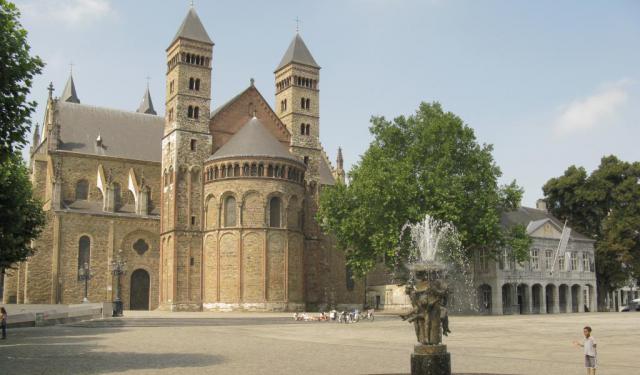
Maastricht's Historical Buildings Walking Tour
Founded by the Romans some 2,000 years ago, the charming city of Maastricht is one of the oldest in the Netherlands. Its long history is manifested in numerous remnants, including religious and secular buildings of any form. Over the course of the centuries, Maastricht has garnered a wealth of architecture, featuring a variety of styles: Gothic, Baroque, Romanesque and Renaissance.
Cultural... view more
Tour Duration: 2 Hours
Travel Distance: 3.1 Km or 1.9 Miles
Cultural... view more
Tour Duration: 2 Hours
Travel Distance: 3.1 Km or 1.9 Miles
City Walks Overview
