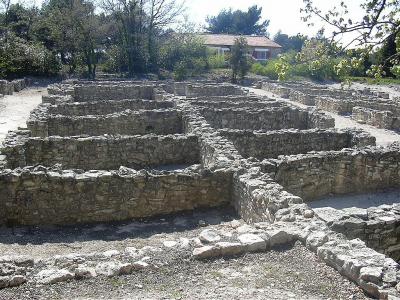


Oppidum d'Entremont, Aix-en-Provence
The Oppidum d’Entremont is an ancient settlement from the 2nd century BCE, built by the Salyes, a Celtic-Ligurian tribe that lived in the region before the arrival of the Romans. It stands on a plateau, a position that provided natural protection and clear views over the surrounding area. Visitors can walk through the remains of this fortified site and understand how a pre-Roman community was organized.
The structure of the oppidum is still visible, with remains of streets, houses, and defensive walls. The settlement was arranged in blocks, showing a planned layout rather than a random grouping of buildings. Stone was widely used, and parts of the walls are still standing. Excavations have revealed objects such as pottery, tools, and storage spaces, giving insight into daily life, trade, and local activities.
The site is known for its carved stone sculptures, including human heads and figures linked to ritual or social display. Many were moved to museums for preservation. The oppidum was destroyed by Roman forces around 123 BCE and later abandoned.
The structure of the oppidum is still visible, with remains of streets, houses, and defensive walls. The settlement was arranged in blocks, showing a planned layout rather than a random grouping of buildings. Stone was widely used, and parts of the walls are still standing. Excavations have revealed objects such as pottery, tools, and storage spaces, giving insight into daily life, trade, and local activities.
The site is known for its carved stone sculptures, including human heads and figures linked to ritual or social display. Many were moved to museums for preservation. The oppidum was destroyed by Roman forces around 123 BCE and later abandoned.
Want to visit this sight? Check out these Self-Guided Walking Tours in Aix-en-Provence. Alternatively, you can download the mobile app "GPSmyCity: Walks in 1K+ Cities" from Apple App Store or Google Play Store. The app turns your mobile device to a personal tour guide and it works offline, so no data plan is needed when traveling abroad.
Download The GPSmyCity App



Oppidum d'Entremont on Map
Sight Name: Oppidum d'Entremont
Sight Location: Aix-en-Provence, France (See walking tours in Aix-en-Provence)
Sight Type: Attraction/Landmark
Sight Location: Aix-en-Provence, France (See walking tours in Aix-en-Provence)
Sight Type: Attraction/Landmark
Nearby Sights

Walking Tours in Aix-en-Provence, France

Create Your Own Walk in Aix-en-Provence
Creating your own self-guided walk in Aix-en-Provence is easy and fun. Choose the city attractions that you want to see and a walk route map will be created just for you. You can even set your hotel as the start point of the walk.
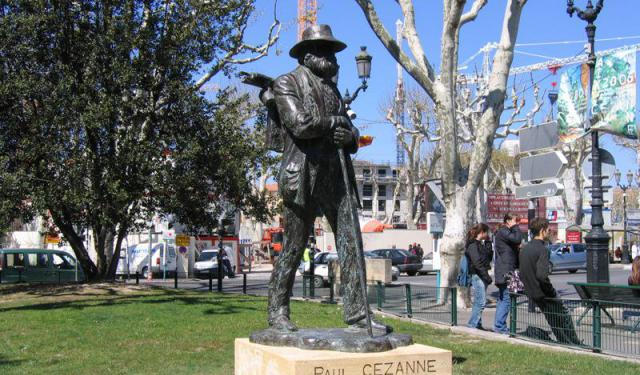
In the Footsteps of Paul Cézanne
Paul Cézanne, often called the “father of modern art” for bridging 19th-century post-impressionism and the birth of early modernism, caused a bit of a stir early in his career. While staying with Doctor Gachet in Auvers-sur-Oise, he painted his take on Manet’s Olympia-but with a twist. Instead of just a reclining nude, Cézanne inserted himself into the scene, back turned, like a shy... view more
Tour Duration: 2 Hours
Travel Distance: 3 Km or 1.9 Miles
Tour Duration: 2 Hours
Travel Distance: 3 Km or 1.9 Miles
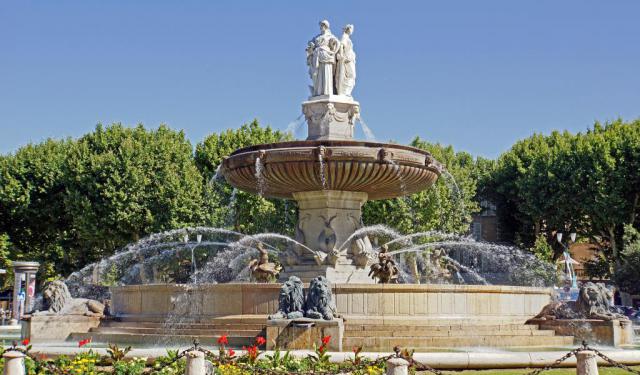
Aix-en-Provence Fountains and Squares Tour
Aix-end-Provence is known for its fountains. With more than 1,000 fountains, a tourist could spend weeks walking around the city without glimpsing them all. The fountains began appearing under the Roman empire when the Romans discovered Aix's natural thermal water source. They referred to the area as Aquae Sextiae or the Waters of Sextius.
The fountains appear throughout the city and are... view more
Tour Duration: 1 Hour
Travel Distance: 1.6 Km or 1 Miles
The fountains appear throughout the city and are... view more
Tour Duration: 1 Hour
Travel Distance: 1.6 Km or 1 Miles
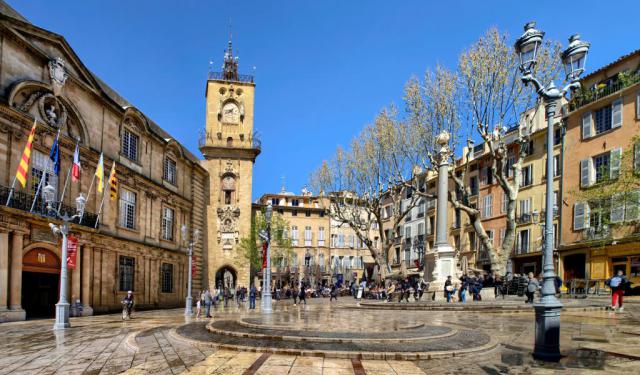
Aix-en-Provence Introduction Walking Tour
Aix-en-Provence may not have coastal views, but it compensates in style with its Roman bathwater and city logistics. Founded in 123 BC by Roman consul Gaius Sextius Calvinus, this southern French settlement-originally named Aquae Sextiae, which means “Waters of Sextius”-was built around its thermal springs and the promise of a good soak. Centuries later, the name was streamlined to “Aix”,... view more
Tour Duration: 1 Hour
Travel Distance: 1.7 Km or 1.1 Miles
Tour Duration: 1 Hour
Travel Distance: 1.7 Km or 1.1 Miles
City Walks Overview
