

Roman Amphitheater (Pula Arena), Pula (must see)
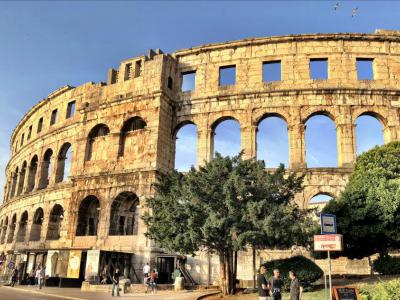
Among the surviving Roman amphitheaters, the Pula Arena is considered one of the best preserved and remains in regular use today. It is the only surviving amphitheater whose four side towers are still largely intact. Constructed in stages between 27 BC and AD 68, it is one of Croatia’s best-preserved ancient monuments.
The exterior walls are built of limestone. Because the arena stands on sloping ground at the foot of a hill, its seaward-facing side has three storeys, while the opposite side has only two. The structure reaches a maximum height of approximately 96 feet. Its two lower levels contain 72 arches, while the uppermost level has 64 rectangular openings.
The amphitheater could accommodate as many as 23,000 seated spectators. The arena itself had 15 entrances, while underground corridors allowed animals, gladiators, stage scenery, and equipment for the games to be brought into the performance area. The seating rose in tiers, and spaces beneath the stands were used for shops and storage rooms. Pula formed part of the wider network of cities that hosted gladiatorial contests.
Each of the four towers contained a water reservoir. Water could be perfumed and released through fountains to refresh the spectators. Large sail-like awnings, known as velaria, protected the audience from the sun and rain. A system of channels beneath the arena carried away rainwater and waste.
The amphitheater originally stood outside the city walls. Emperors Augustus, Claudius, Vespasian, and Titus each contributed to its enlargement and development. It was completed around AD 81 during the reign of Titus. The amphitheater remained in use until the 5th century, when Emperor Honorius prohibited gladiatorial combat. Today, the Pula Arena hosts concerts, operas, ballets, sporting events, and screenings during the Pula Film Festival.
The exterior walls are built of limestone. Because the arena stands on sloping ground at the foot of a hill, its seaward-facing side has three storeys, while the opposite side has only two. The structure reaches a maximum height of approximately 96 feet. Its two lower levels contain 72 arches, while the uppermost level has 64 rectangular openings.
The amphitheater could accommodate as many as 23,000 seated spectators. The arena itself had 15 entrances, while underground corridors allowed animals, gladiators, stage scenery, and equipment for the games to be brought into the performance area. The seating rose in tiers, and spaces beneath the stands were used for shops and storage rooms. Pula formed part of the wider network of cities that hosted gladiatorial contests.
Each of the four towers contained a water reservoir. Water could be perfumed and released through fountains to refresh the spectators. Large sail-like awnings, known as velaria, protected the audience from the sun and rain. A system of channels beneath the arena carried away rainwater and waste.
The amphitheater originally stood outside the city walls. Emperors Augustus, Claudius, Vespasian, and Titus each contributed to its enlargement and development. It was completed around AD 81 during the reign of Titus. The amphitheater remained in use until the 5th century, when Emperor Honorius prohibited gladiatorial combat. Today, the Pula Arena hosts concerts, operas, ballets, sporting events, and screenings during the Pula Film Festival.
Want to visit this sight? Check out these Self-Guided Walking Tours in Pula. Alternatively, you can download the mobile app "GPSmyCity: Walks in 1K+ Cities" from Apple App Store or Google Play Store. The app turns your mobile device to a personal tour guide and it works offline, so no data plan is needed when traveling abroad.
Download The GPSmyCity App



Roman Amphitheater (Pula Arena) on Map
Sight Name: Roman Amphitheater (Pula Arena)
Sight Location: Pula, Croatia (See walking tours in Pula)
Sight Type: Attraction/Landmark
Guide(s) Containing This Sight:
Sight Location: Pula, Croatia (See walking tours in Pula)
Sight Type: Attraction/Landmark
Guide(s) Containing This Sight:
Nearby Sights


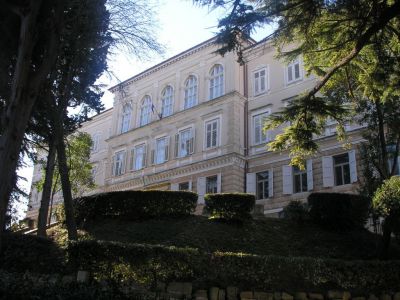
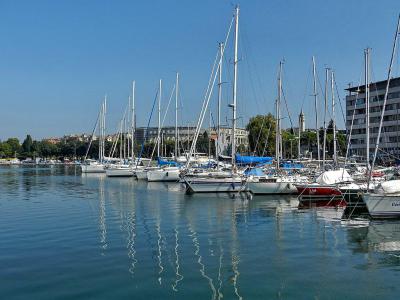

Walking Tours in Pula, Croatia

Create Your Own Walk in Pula
Creating your own self-guided walk in Pula is easy and fun. Choose the city attractions that you want to see and a walk route map will be created just for you. You can even set your hotel as the start point of the walk.
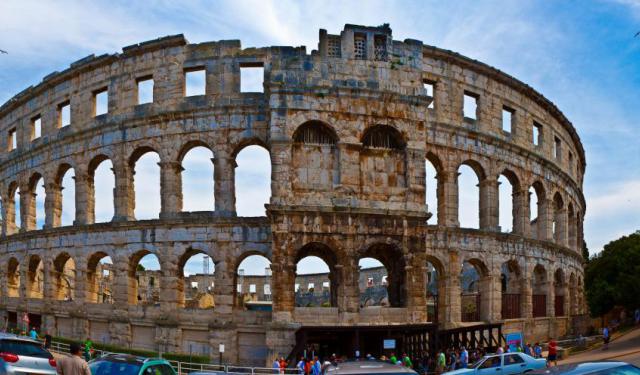
Walk Through Pula's Beautiful Old Town
According to Greek mythology, Pula was founded by a group of people from the ancient land of Colchis, on the eastern shore of the Black Sea. Their story is connected to Jason and the Golden Fleece. After Jason stole the Fleece and fled with Medea, a powerful sorceress from Colchis, her people pursued the couple across the seas. When they lost their trail and could not find their way home, they... view more
Tour Duration: 2 Hours
Travel Distance: 2.7 Km or 1.7 Miles
Tour Duration: 2 Hours
Travel Distance: 2.7 Km or 1.7 Miles
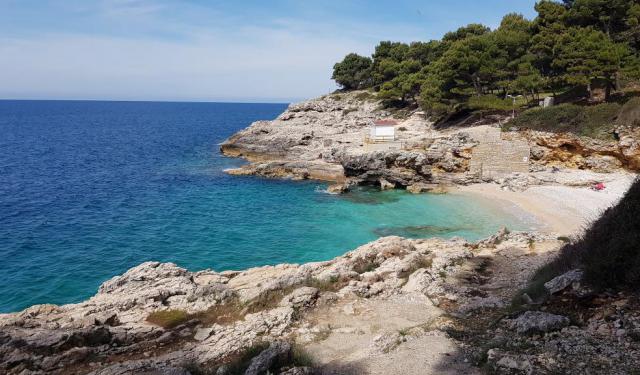
Pula's Seaside Walking Tour
If you crave for holidays by the sea, the Croatian coast is a good choice for family vacation, especially so if it includes the town of Pula. This charming port city is rich in tourist attractions, the most famous of which, undoubtedly, are the local beaches and bays.
Indeed, the dreamlike beaches of Pula are widely regarded among the most picturesque in Istria. Incredibly spectacular, these... view more
Tour Duration: 2 Hours
Travel Distance: 4.7 Km or 2.9 Miles
Indeed, the dreamlike beaches of Pula are widely regarded among the most picturesque in Istria. Incredibly spectacular, these... view more
Tour Duration: 2 Hours
Travel Distance: 4.7 Km or 2.9 Miles